Best Febreze alternative natural options
Evangelize


May 18, 2026
That couch smell is never just a couch smell. It is takeout steam, wet dog, gym bag residue, mystery toddler hands, and the ghost of last Tuesday’s laundry pile. If you are hunting for a febreze alternative natural enough to use around real life, you are probably not asking for perfume in a bottle. You want the stink gone, not baptized in fake meadow fog.
That distinction matters more than most air care marketing admits. A lot of conventional sprays are built to cover odors fast with a strong fragrance profile. Your nose registers “clean,” but the underlying funk may still be lurking in the upholstery like a tiny sulfur demon waiting for the scent cloud to fade. Natural-minded shoppers usually want a different deal: fewer harsh ingredients, less synthetic fragrance overload, and something that actually helps neutralize odor instead of dressing it up in costume.
What makes a febreze alternative natural?
A natural alternative is not just any spray sold in earthy packaging with a leaf on the label. The real question is what the product is trying to do and what it is made with. If you want a febreze alternative natural shoppers can feel good about using often, look for formulas built around naturally derived ingredients and essential oils rather than a heavy synthetic fragrance experience.
That does not mean every “natural” product is automatically effective. Some are basically room perfume with better branding. They may smell pleasant for ten minutes and then leave you alone with the original crime scene. Others are too weak for actual household odors like pet beds, sneakers, upholstery, and damp fabrics. The sweet spot is a spray that is gentler in ingredient philosophy but still serious about odor molecules.
There is also a practical point here. Homes do not smell bad in one single way. A musty towel smell behaves differently from litter box drift or stale fabric odor in a studio apartment. The best natural options are versatile enough to work on soft and hard surfaces without turning your home into a fake lavender hostage situation.
Masking vs eliminating odor
Here is where many products get exorcised from the shortlist. Masking means adding a stronger smell on top of the bad one. Eliminating means the formula is designed to neutralize the odor source itself. Those are not the same ritual.
If your main complaint with mainstream sprays is that they smell too intense, you are probably reacting to masking. Strong fragrance can create the illusion of freshness, but once that scent burns off, the original odor often crawls back out of the basement. This is why some rooms smell clean for fifteen minutes and then suspiciously like wet carpet and regret again.
Odor elimination is better for people who want a home to smell like nothing bad happened. Not “Spring Rain.” Not “Ocean Whisper.” Just clean air and fabric that does not smell like a haunted dorm room. A naturally positioned odor eliminator should aim for that result while keeping the ingredient profile more aligned with shoppers who actually read labels.
Where natural alternatives work best
A good natural odor spray earns its keep in the places where smells cling. Fabrics are the obvious battlefield because they trap cooking odors, pet funk, body odor, and moisture. Bedding, curtains, rugs, couches, throw pillows, and clothes can all hold onto smells far longer than hard surfaces.
Shoes are another classic possession scenario. They need more than a pleasant scent. They need a formula that deals with the odor itself, because no one has ever truly solved sneaker stink by making it smell like a fake citrus grove.
Cars, dorm rooms, nurseries, entryway benches, laundry hampers, and trash can zones also benefit from natural alternatives, especially if you are spraying often and do not want a cloud of synthetic fragrance hanging in the air. If you have pets or kids, that ingredient comfort factor becomes even more relevant. You may be spraying dog beds one minute and a backpack the next. Daily-use products should feel less like a chemical event.
What to look for in a natural odor spray
First, pay attention to whether the brand talks about neutralizing odors or simply freshening spaces. “Freshening” can mean almost anything, including “we made the room smell louder.” Neutralizing is the stronger claim, and it is usually the one worth chasing if you are trying to solve a real odor problem.
Second, read the fragrance story carefully. Essential-oil-based scent can be a better fit for ingredient-conscious households, but the scent level still matters. Even natural fragrances can feel overpowering if a formula is too aggressive. The goal is not to fumigate your throw blanket with eucalyptus judgment. The goal is a clean finish that does not take over the room.
Third, check surface versatility. A product that works on upholstery, bedding, carpets, clothing, and even some hard household surfaces is simply more useful. Most homes do not have one odor problem. They have twelve, and at least three of them are coming from fabric.
Finally, think about your own tolerance. Some people want a barely-there scent. Others like a light natural aroma if the odor is actually gone. It depends on the room, the problem, and your threshold for fragrance theatrics.
The trade-offs nobody mentions
Natural products are not magic holy water. They come with trade-offs, and pretending otherwise is how people end up disappointed.
For one, a more natural scent profile may not punch you in the face the way mass-market sprays do. If you are used to equating “strong smell” with “clean,” a subtler formula can initially feel less dramatic. That does not mean it is doing less. It may simply mean the product is not trying to wallpaper over the problem with a floral jump scare.
There is also the issue of severe odor situations. If a rug has deep pet urine contamination or mildew has moved in and signed a lease, no spray is a full substitute for proper cleaning. Even the best natural odor eliminator is not a replacement for laundering, scrubbing, drying, and fixing the source. Sprays are excellent maintenance tools and first responders. They are not miracle priests for structural neglect.
Price can be another factor. Natural-leaning, better-formulated sprays sometimes cost more than grocery-store air fresheners. That is a fair objection. But if the product actually neutralizes odor and you are not emptying half a bottle to suffocate the room in fake linen scent, the value equation changes.
Why ingredient-aware shoppers are switching
People are getting pickier, and honestly, good. More shoppers now question what they spray onto upholstery, kids’ rooms, pet beds, and the air inside smaller homes and apartments. They are less impressed by giant fragrance blasts and more interested in products that align with how they already shop for cleaning and personal care.
That is exactly why the febreze alternative natural category keeps growing. It appeals to people who want the convenience of a quick spray but not the headache of overpowering synthetic scent. They still want performance. They just want it without the dramatic chemical fog that says “sanitized” while the actual odor cackles in the corner.
A well-made natural odor eliminator can bridge that gap. It lets you handle everyday smells fast, use it across the house, and avoid turning your living room into a perfume séance. That balance is what most shoppers are really after.
So what is the best febreze alternative natural choice?
The best choice is the one that matches your real problem, not just your aesthetic. If you only want a room to smell pretty, almost any fragranced spray can do that. If you want to deal with pet odors, fabric funk, stale textiles, and everyday household smells without bathing your space in synthetic fragrance, choose a naturally derived odor eliminator that is designed to neutralize odors on contact.
Look for one that works on both soft and hard surfaces, uses essential oils thoughtfully, and treats odor as the enemy instead of a backdrop for perfume. That is the smarter buy for apartments, family homes, pet households, and anyone who has ever smelled their couch and thought, “Something unholy lives here.”
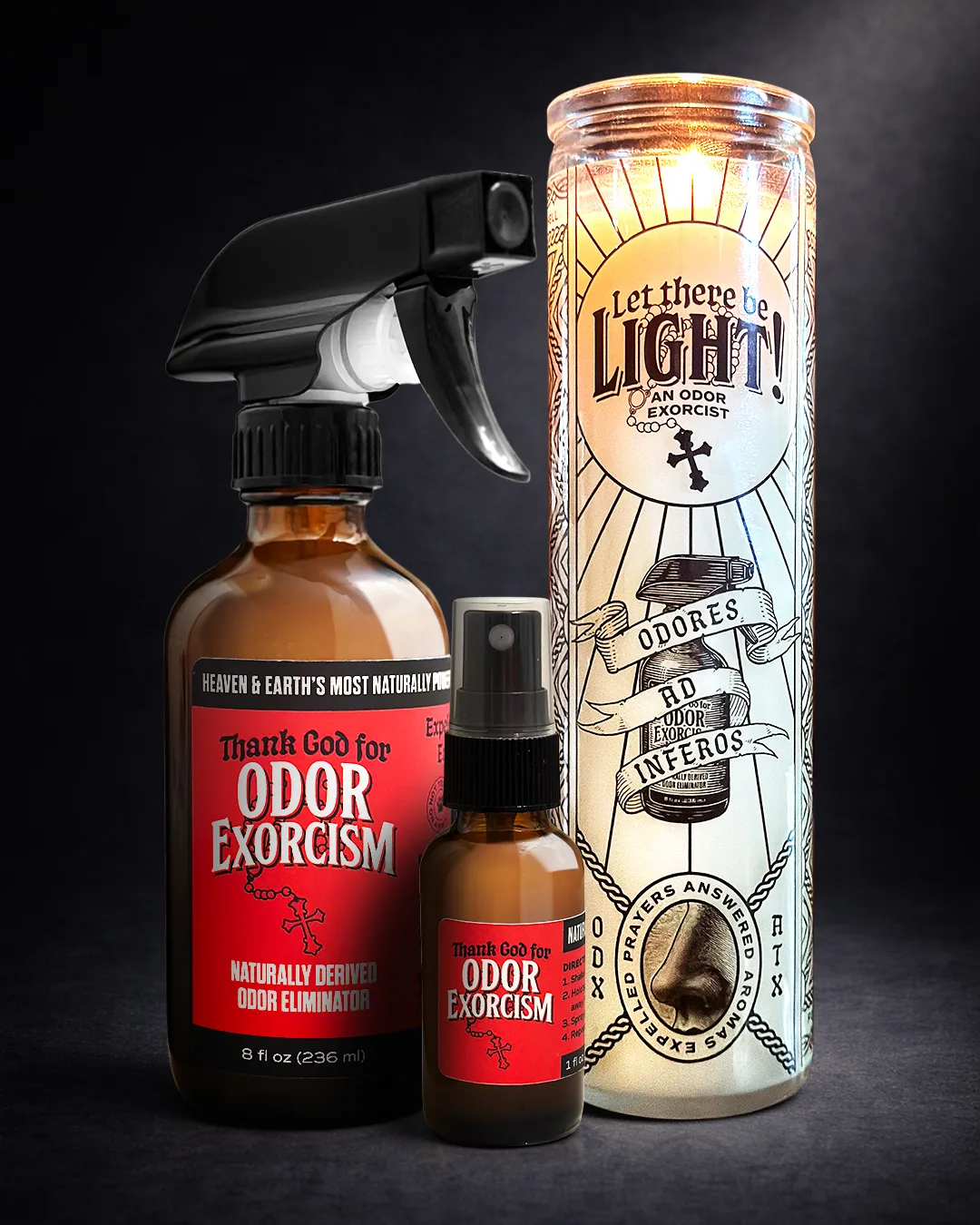
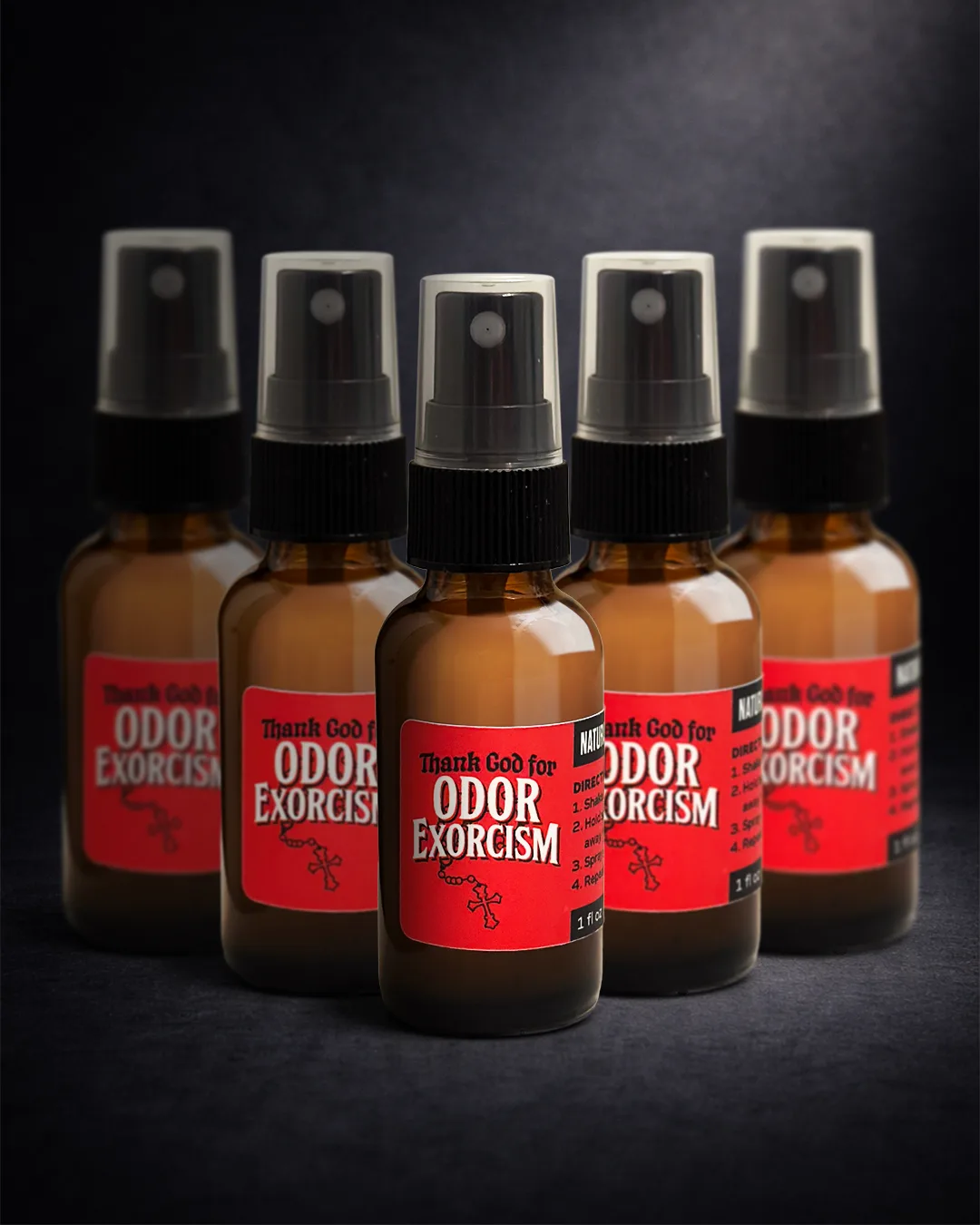
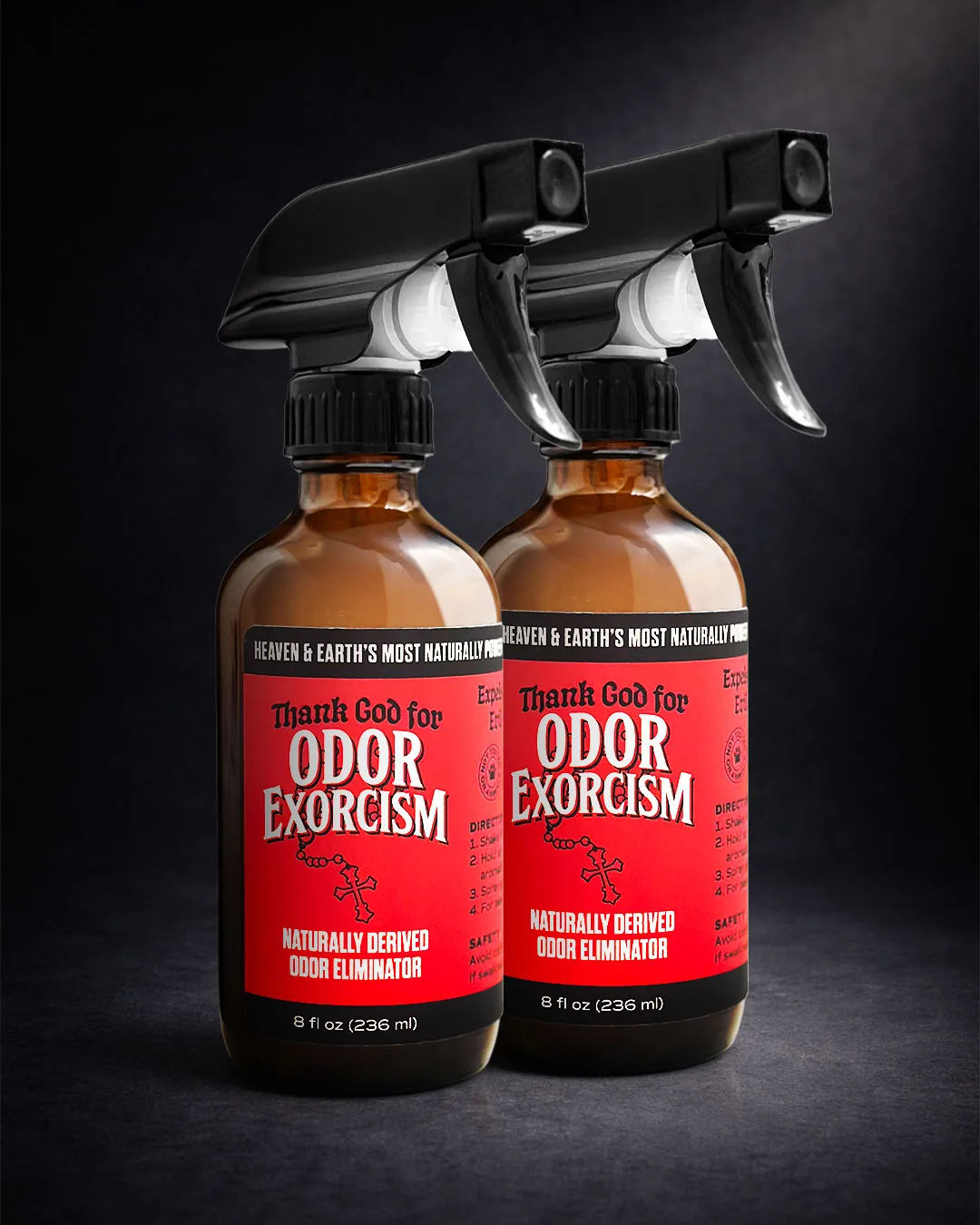
Brands like Odor Exorcism lean into that exact difference: natural-minded ingredients, actual odor elimination, and none of the fake-fresh theater unless it is for the jokes. And frankly, that is where this whole category is headed. People do not want more fragrance drama. They want cleaner air, calmer ingredients, and a spray that handles funk like it means business.
If your current air freshener leaves behind a bigger scent than the odor it was supposed to fix, that is your sign. Stop masking the demon. Remove it.