Top Odor Solutions for Renters That Really Work
Evangelize


August 14, 2026
Your apartment can be clean, styled within an inch of its life, and still smell like the previous tenant’s wet dog, last night’s salmon, and a sock that has seen the abyss. The top odor solutions for renters do more than blast perfume into the air. They find the source, neutralize it, and keep your lease from becoming a haunted document at move-out.
Renters have a special odor problem: you are living around other people’s history. That history can hide in carpet, closets, vents, cabinets, upholstery, and the refrigerator that came with the place. You need methods that work without repainting walls, ripping up floors, or summoning a repair bill from the landlord’s accounting department.
Start With the Smell’s Lair
Before you light a candle or spray anything, identify where the odor is nesting. Air freshener can make a room smell like lavender-scented defeat when the real issue is a damp bath mat, a grease-coated range hood, or trash juice lurking beneath the bin.
Walk into the room after being away for an hour or two. Your nose becomes blind to smells it lives with every day, so a reset helps. Then get close to likely offenders: fabric furniture, curtains, rugs, laundry hampers, shoes, pet beds, drains, garbage cans, and the inside of cabinets.
A smell that gets stronger after rain, showers, or running the HVAC may point to moisture. A smell that lives mostly in one room is usually a local surface or appliance problem. A whole-apartment stale smell may be trapped fabric, poor airflow, or a filter that has been fighting for its life since 2019.
If you see visible mold, water damage, drooping drywall, or a persistent sewage or gas-like odor, skip the home remedies and contact your landlord or property manager in writing. That is not a candle situation. That is a maintenance situation.
Top Odor Solutions for Renters, Room by Room
For carpet, rugs, and upholstered furniture
Soft surfaces are odor sponges with rent due. They absorb pet funk, body odor, cooking particles, spilled drinks, and whatever mysterious vapor occupied the unit before you arrived.
Vacuum slowly and thoroughly first, especially around baseboards and under furniture. Then treat the fabric with an odor-neutralizing spray that is suitable for textiles. The goal is to neutralize odor compounds on the surface, not bury them under a synthetic fragrance cloud so thick it could be classified as weather.
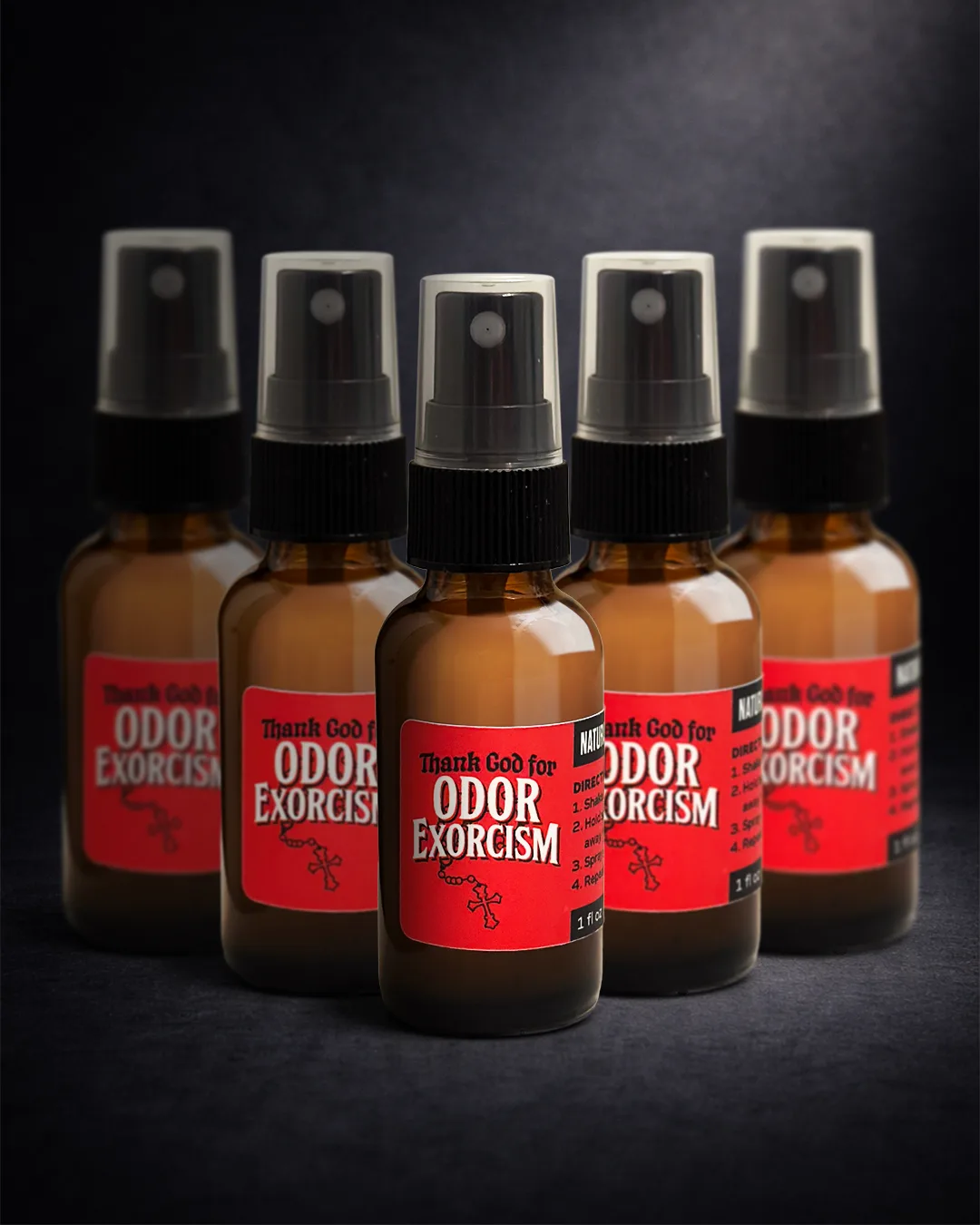
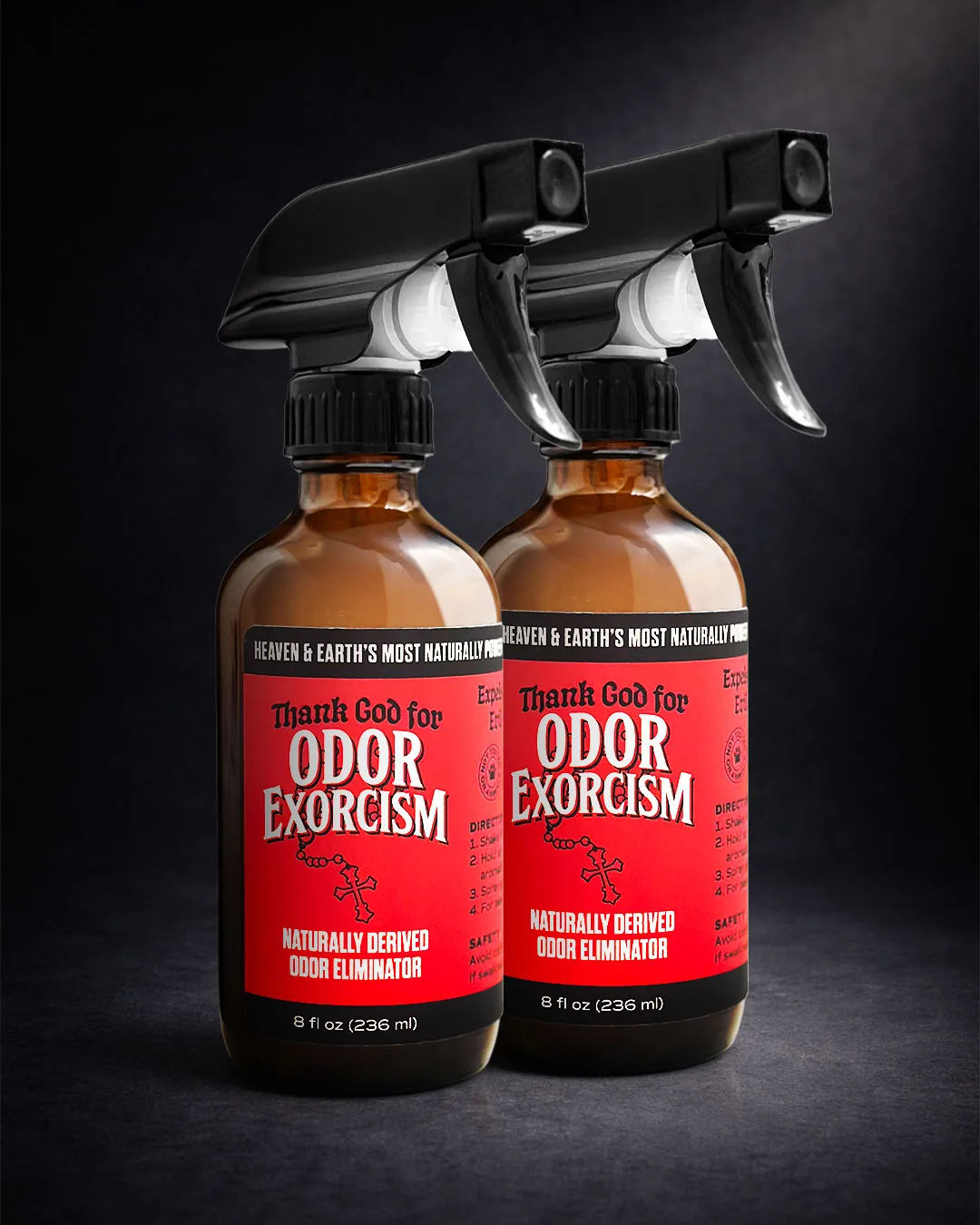
Odor Exorcism is designed for this exact kind of domestic possession: a naturally derived, essential-oil-based spray that tackles odors on contact across bedding, carpets, upholstery, clothes, shoes, wood, and plastic. Test any spray in an inconspicuous spot first, particularly on delicate fabric, vintage upholstery, or anything your landlord described as “original.”
For an old carpet odor that returns after treatment, ask management whether professional cleaning was completed before move-in. Document the issue with dated photos and emails. A renter should not have to inherit the funk of tenants past.
For kitchen odors that refuse to leave
Cooking odors do not merely float away. Grease vapor settles on cabinet fronts, walls, curtains, and the filter above the stove. Fish, fried food, garlic, and burnt popcorn are especially talented at staging an extended residency.
Run the range hood while cooking, even if it sounds like a tiny helicopter in distress. Open a window if you can, and wipe down the stovetop, backsplash, and nearby cabinet surfaces once the kitchen cools. Clean the range hood filter according to its instructions. A greasy filter cannot remove grease odors. It is too busy becoming one.
Do not overlook the garbage disposal, if you have one. Flush it with water while it runs, then clean it following the manufacturer’s guidance. Empty trash before it becomes a biological treaty violation, and wash the inside of the bin regularly. A deodorizing spray can refresh the bin after cleaning, but it cannot negotiate with a leaking bag of old takeout.
For bathroom must and drain weirdness
Bathroom odors are often a moisture story. Hang towels so they can dry completely, wash bath mats often, and use the exhaust fan during and after showers. If there is no fan, crack a window or leave the door open once privacy permits.
For a drain that smells sour or swampy, remove hair and debris from the stopper and clean the surrounding surfaces. Avoid mixing cleaners, especially bleach with anything else. If the odor keeps returning despite basic cleaning, the drain may have a plumbing issue that belongs on the landlord’s repair list.
A musty smell around the toilet, vanity, or shower can also signal a slow leak. Check for damp cabinet floors, soft spots, staining, or peeling material. Renters do not get bonus points for quietly absorbing water damage.
For pet smell without evicting the pet
Pets are innocent. Their beds, toys, litter zones, and favorite couch corners are less innocent. Wash washable bedding regularly, vacuum fur from furniture, and clean accidents promptly with the appropriate enzyme cleaner. Enzyme formulas are particularly useful for urine because they address the organic material causing the smell rather than simply covering it.
After the area is fully cleaned and dry, use a fabric-safe odor neutralizer on the pet bed or upholstery as needed. Keep sprays away from pets until surfaces are dry, and follow product directions. Natural does not mean “treat every label like a decorative suggestion.”
For litter boxes, scoop daily and keep the box in a ventilated area if possible. A covered box may hide the sight, but it can concentrate smells unless it is cleaned frequently. The feline overlord has standards. Unfortunately, so does your security deposit.
Ventilation Is Not Optional, It Is the Sidekick
A good odor spray is useful, but stale indoor air needs movement. Open windows for even 10 to 15 minutes when weather and safety allow. Use bathroom and kitchen fans. Run ceiling fans in the appropriate direction for the season. If your HVAC system has an accessible filter you are responsible for changing, replace it on schedule with the correct size and rating.
Portable air purifiers can help with airborne particles and may improve the overall feel of a small apartment, particularly with pets or allergy concerns. They are not magic boxes, though. They will not remove spilled milk from a rug, disinfect a moldy wall, or make a forgotten gym bag repent.
Why Fragrance-Heavy Cover-Ups Usually Fail
There is a reason some apartments smell like “Tropical Breeze” fighting “Cinnamon Cookie” in a parking lot. Scented plug-ins, aerosols, and candles can add a pleasant fragrance, but many are designed primarily to mask rather than neutralize the source of the odor.
That does not make every scented product evil. A candle can create atmosphere, and a gentle home scent can be enjoyable. But when you need actual odor removal, source cleanup comes first. Choose products based on what they do, not how loudly they announce themselves from the other room.
Ingredient-aware renters may also prefer to avoid harsh, synthetic fragrance-heavy options in small spaces with limited airflow. Look for clear directions, transparent positioning, and products designed for the material you are treating. Essential-oil-based scent is not automatically right for every household, especially around sensitive people or pets, so use products thoughtfully.
A Move-Out Plan That Does Not Invite Deposit Demons
Start deodorizing before your final week. Wash curtains and removable covers, vacuum carpets, clean appliances, wipe cabinet interiors, launder bedding, and empty every trash can. Pay special attention to closets, under sinks, behind furniture, and the refrigerator drip area. These are the dark corners where ordinary smells build their little kingdoms.
Take photos after cleaning, ideally with timestamps, and keep copies of move-in documentation. If an odor came with the apartment and was reported early, your paper trail matters. You are not being dramatic. You are protecting yourself from a charge for a smell you did not create.
The best renter-friendly odor strategy is gloriously unsexy: clean the source, dry the moisture, ventilate the room, neutralize what remains, and report problems that belong to the building. Do that consistently, and your apartment can smell like your life – not like every cursed chapter that came before it.