Is odor eliminator safe for fabric?
Evangelize


July 5, 2026
Your couch smells like wet dog, your sneakers smell like a crime scene, and your favorite hoodie has absorbed the emotional fallout of three takeout nights. So the question shows up fast: is odor eliminator safe for fabric? The honest answer is yes, sometimes – but not every spray deserves access to your upholstery, bedding, or clothes. Some formulas play nice with fabric. Others act like a tiny chemical poltergeist and leave behind stains, residue, or a perfume cloud strong enough to summon a headache.
Is odor eliminator safe for fabric in general?
Usually, yes – if the product is actually designed for fabric and the formula is reasonably clean. That last part matters more than the front label likes to admit.
A fabric-safe odor eliminator should do two things well. First, it should neutralize odor instead of just throwing a heavy scent over the top like a velvet curtain over a cursed basement. Second, it should dry down without discoloring fibers, stiffening the material, or leaving behind oily buildup.
The trouble starts when people treat all odor sprays like they are interchangeable. They are not. Some are made for air. Some are made for hard surfaces. Some are loaded with synthetic fragrance and solvents that may be tolerable on a countertop but far less welcome on a linen duvet cover or upholstered chair.
So if you’re asking whether odor eliminator is safe for fabric, the better question is this: which odor eliminator, on what fabric, and how are you using it?
What makes one odor eliminator fabric-safe and another risky?
It usually comes down to ingredients, concentration, and fabric type.
A fabric-friendly formula tends to avoid harsh solvents, overly aggressive disinfecting agents, and mystery-fragrance overload. If a spray is packed with heavy perfume compounds, it may not damage the fabric outright, but it can leave residue, create a sticky feel, or trap that fake-clean smell in the fibers long after the actual odor should have been dealt with.
Naturally derived formulas often appeal to ingredient-aware shoppers for a reason. They can be a better fit for soft surfaces when they are carefully balanced and intended for household fabrics. But natural does not automatically mean foolproof. Essential-oil-based products, for example, still need proper formulation. Too much oil, poor dilution, or low-quality ingredients can mark delicate fabric just as surely as a synthetic spray can.
That is why the label matters. If the product specifically says it is suitable for upholstery, bedding, carpets, clothing, or other soft surfaces, that is a good sign. If the packaging only talks about air freshening and says nothing about fabric, do not assume your throw pillows volunteered as tribute.
The fabrics that need a little more respect
Not all fabrics are equally forgiving. Durable materials like many poly blends, canvas, and some household upholstery often handle a fabric-safe odor eliminator just fine. More delicate materials deserve a slower, less chaotic approach.
Silk, velvet, suede, leather-trimmed items, rayon, and vintage fabrics can be touchy. Even if a product is generally safe, these materials may water-spot, darken, or react to moisture. That does not make the spray evil. It just means the fabric is dramatic and requires boundaries.
Washable cotton bedding, rugs, pet blankets, and most everyday upholstery are usually simpler to deal with, especially when the spray is applied lightly and allowed to dry fully. Still, patch testing is not optional if you enjoy avoiding regret.
Why patch testing is not just legal fine print
Yes, patch testing is boring. So is replacing a stained chair.
Spray a small hidden section first, then let it dry completely. Do not judge it while the spot is still damp. Some fabrics temporarily darken when wet and return to normal after drying. Once dry, check for discoloration, stiffness, residue, or any weird texture change. If nothing looks possessed, you can move ahead.
Safety is not just about fabric damage
When people ask, “is odor eliminator safe for fabric,” they are often also asking whether it is safe around people, pets, and daily life. Fair question.
Fabric is close-contact territory. You sit on it, sleep on it, wear it, and hand it to your kids and pets. So a spray used on soft surfaces should not just be non-staining. It should also be something you feel comfortable bringing into the spaces where bodies actually exist.
That is where ingredient transparency matters. A formula that leans on naturally derived ingredients and avoids the usual synthetic-fragrance fog can be a better match for homes where people are trying to reduce chemical exposure. That does not mean you should drink it, baptize the cat in it, or ignore directions. It means the product may be more aligned with how real people want to live now – cleaner, simpler, and less chemically haunted.
If anyone in your home is especially sensitive to fragrance, start light. Even a better formula can still be too much if you spray like you’re fighting Satan in a linen closet.
How to use odor eliminator on fabric without causing trouble
Application makes a bigger difference than people think. Even a good product can disappoint if you oversaturate the material.
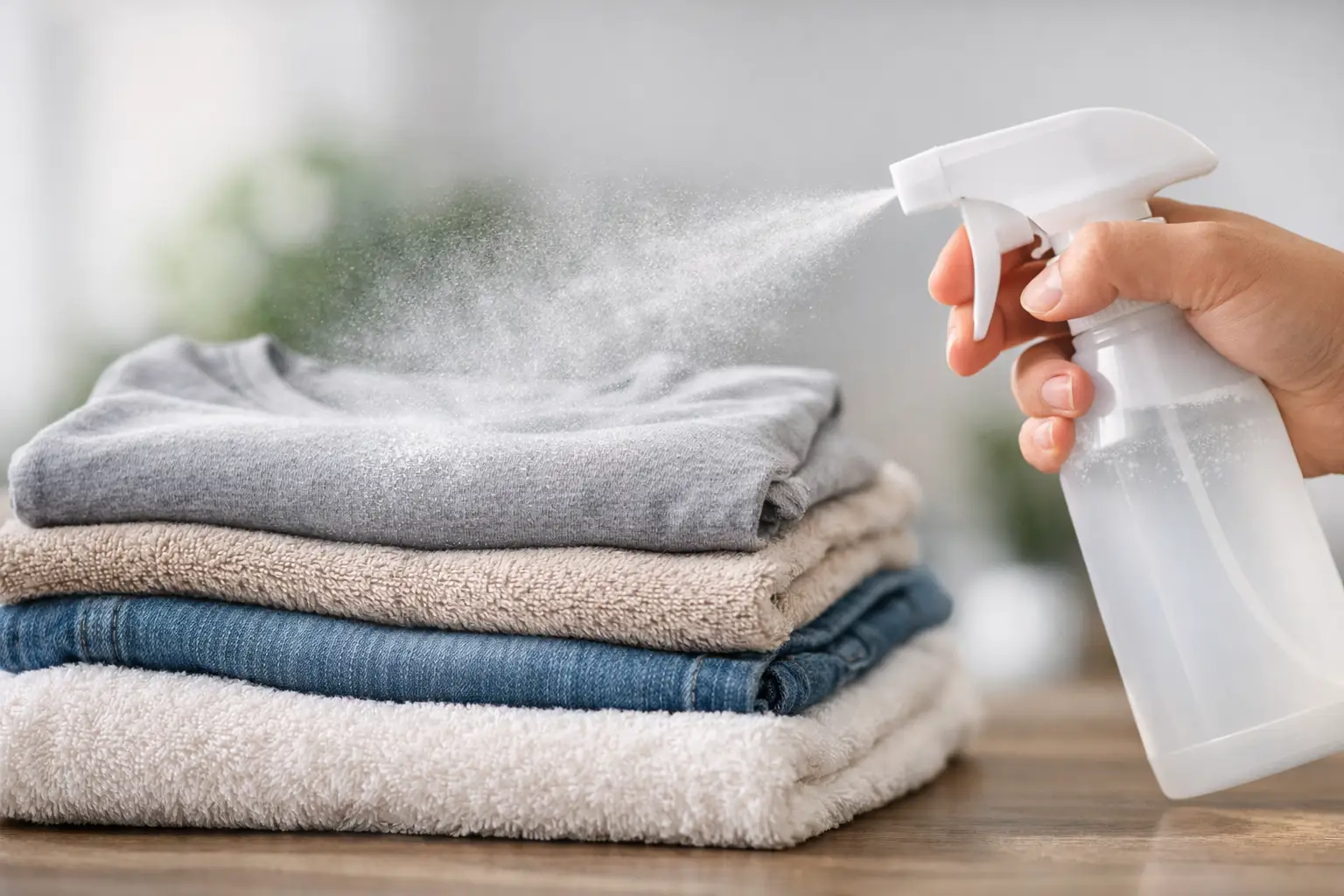
Mist lightly instead of soaking the fabric. The goal is even coverage, not baptism by spray bottle. Overwetting can slow drying, increase the risk of spotting, and make cushions or dense fabrics hold moisture longer than they should.
Let the fabric air dry fully before using it again. This matters for bedding, pet beds, upholstered chairs, and shoes. If odor lingers after the first round, do not immediately empty half the bottle in a panic. Give it time to work, then repeat if needed.
Ventilation helps too. Open a window, run a fan, and let the fabric breathe. Odor removal works better when the offending molecules are actually allowed to leave the building instead of getting trapped in a damp textile dungeon.
When odor eliminator is a bad substitute for cleaning
Here comes the inconvenient truth from the underworld: not every fabric odor problem should be solved with spray alone.
If a blanket smells because it needs washing, wash it. If the rug smells because a pet accident soaked into the padding, the issue is deeper than surface misting. If mildew is involved, you are no longer in casual-funk territory. You are dealing with a moisture problem, and no pleasant-smelling miracle mist can fully exorcise that on its own.
A quality odor eliminator works best as part of the fabric care routine, not as a cover-up for dirt, bacteria, or ongoing dampness. It is excellent for freshening bedding between washes, neutralizing couch odors, de-funking shoes, reviving curtains, or dealing with stale fabric in rooms that need a reset. It is less excellent as a substitute for laundry, stain removal, or basic common sense.
Is odor eliminator safe for fabric if it contains fragrance?
Maybe. This is where things get tricky.
Fragrance itself is not an automatic deal-breaker, but the type and intensity matter. Many mass-market sprays rely on synthetic fragrance to overpower odor rather than neutralize it. That can leave fabrics smelling louder, not cleaner. It can also be annoying for people who are sensitive to strong perfume or who do not want their sofa to smell like a department store ambush.
A lighter, more thoughtfully formulated scent profile can be a different story. If the fragrance comes from essential oils or other naturally derived components and the spray is made for soft surfaces, it may feel much more livable on fabric. The point is not no scent under all circumstances. The point is avoiding that fake-fresh blanket of chemical drama.
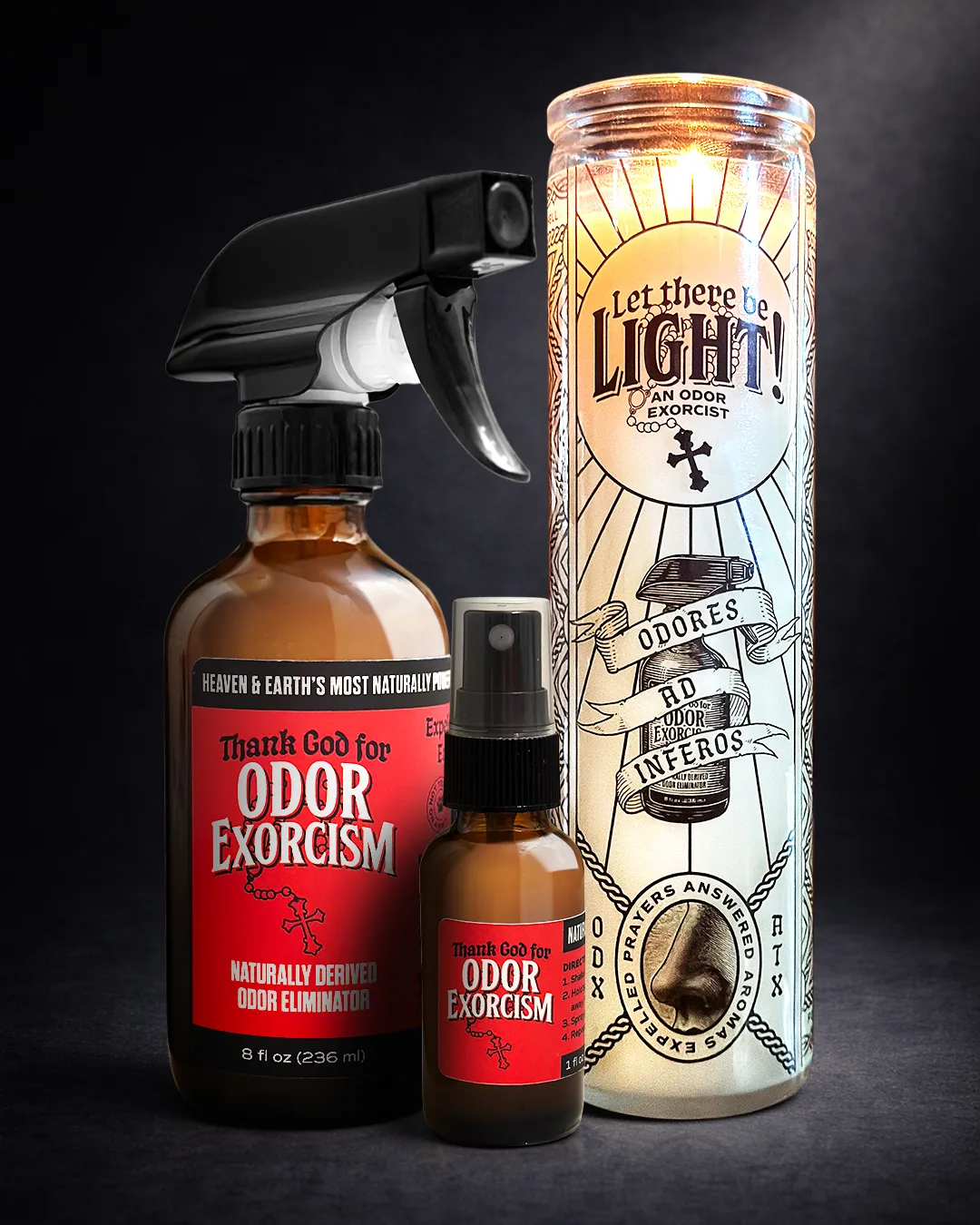
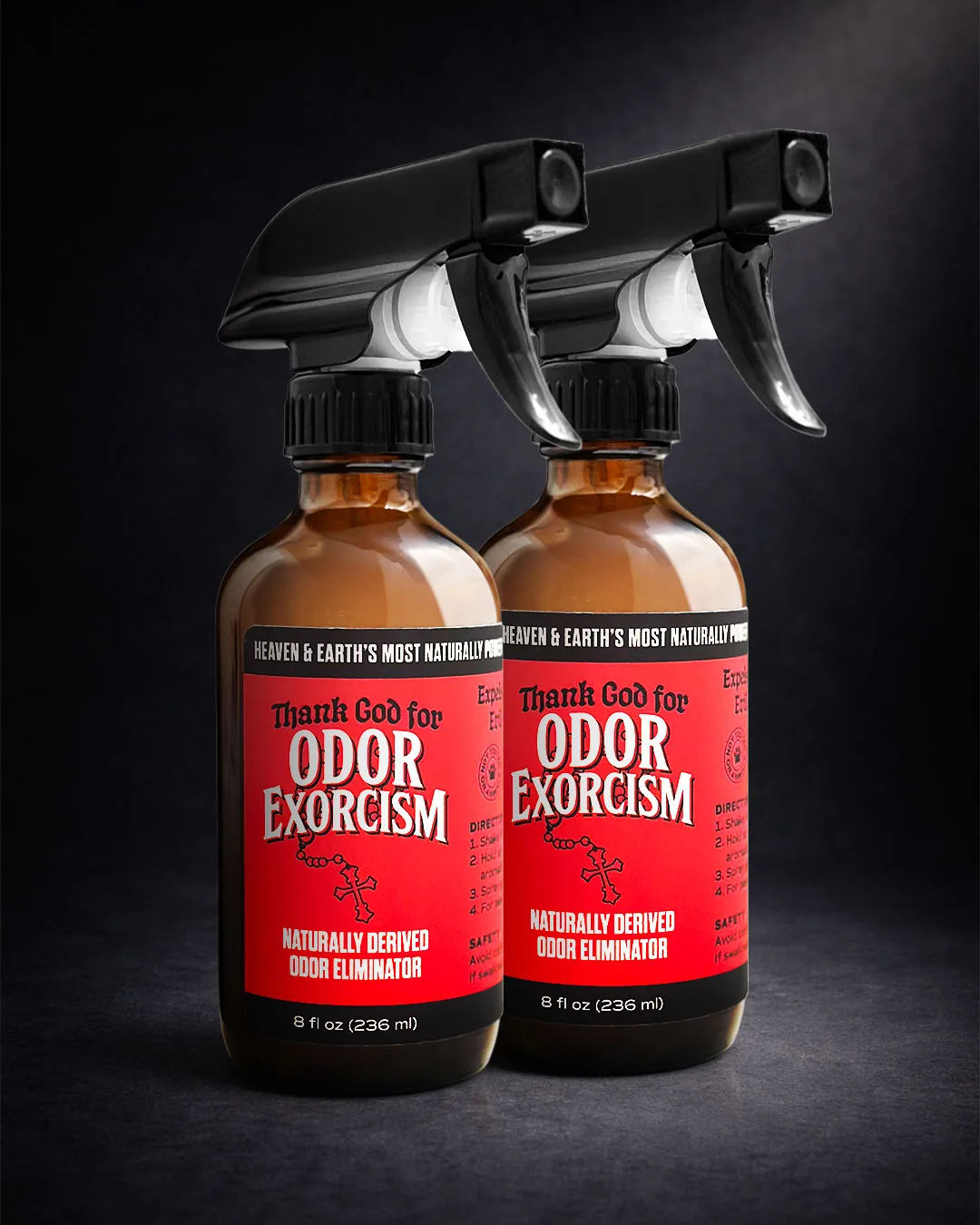
That is one reason brands like Odor Exorcism lean into odor neutralization first. The goal is to send the stink back to the abyss, not trap it under a halo of synthetic flowers.
The quickest way to tell if a product belongs on fabric
Check for three things before you spray. First, the label should specifically mention fabric, upholstery, carpet, bedding, clothing, or soft surfaces. Second, the ingredient story should make sense for a close-contact household product. Third, the instructions should tell you to test in an inconspicuous area and avoid oversaturation.
If the marketing is all perfume and no substance, proceed with suspicion. If the formula sounds like it was built in a lab solely to bully your nostrils into submission, maybe keep it away from your pillowcases.
A good fabric-safe odor eliminator should leave the material smelling cleaner, not louder. It should disappear into your routine, not create a second problem.
The best rule is simple: treat your fabrics like they live in your home, not a hazmat chamber. Choose a formula made for soft surfaces, test it first, spray lightly, and expect real odor control instead of a cheap scented disguise. Your blankets, couch, and long-suffering sneakers have been through enough.