Natural Deodorizer: What Actually Kills Odors?
Evangelize


November 12, 2026
That mystery funk in the couch is not asking for a floral ambush. It is asking for eviction. A natural deodorizer is meant to deal with odor at its grubby little source, rather than coating the room in enough artificial perfume to make everyone wonder what crime occurred in the laundry room.
For homes with pets, kids, roommates, gym bags, old carpeting, questionable sneakers, and actual human life happening inside them, odor control should do more than smell aggressively cheerful. The right approach can leave a space feeling clean without turning every breath into a synthetic-fragrance séance.
What a Natural Deodorizer Is Supposed to Do
A deodorizer and an air freshener are not always the same beast. An air freshener often works by adding a stronger scent over an existing smell. The odor has not necessarily left the building. It may simply be hiding under a cloud of tropical rainstorm, linen breeze, or whatever fragrance lab nightmare was assigned to that can.
A natural deodorizer is designed to neutralize or reduce odors, especially on the places where they cling: fabric, carpet, upholstery, bedding, shoes, plastic bins, and the forgotten corners of a car. That distinction matters because odors usually come from particles and compounds left behind by sweat, cooking, pets, moisture, mildew, or bacteria. If the source remains, the smell often returns the second the perfume fades.
That does not mean every naturally positioned product does the same job. Some are primarily scented. Some absorb odors. Some are surface sprays meant to freshen washable materials. A good label should make the product’s purpose clear instead of summoning vague phrases about freshness and hoping nobody asks questions.
Why Synthetic Fragrance Can Feel Like a Cover-Up
Synthetic fragrance has a talent for making a room smell like it has been forcibly enrolled in a candle aisle. For some people, that is merely annoying. For others, heavily fragranced products can be a real headache, especially in small apartments, dorm rooms, nurseries, and shared spaces where there is nowhere for the perfume cloud to go.
Choosing a natural deodorizer can be a practical way to cut back on that intensity. Naturally derived, essential-oil-based scents tend to feel more grounded and less like they are trying to wrestle your senses into submission. They can add a pleasant finish after odor neutralization, but the scent should not be doing all the heavy lifting.
Natural does not automatically mean consequence-free, however. Essential oils are concentrated ingredients, and sensitivities are real. Anyone with allergies, asthma, scent sensitivity, or a household full of curious pets and tiny humans should read directions, test a small area first, and use any spray as instructed. Clean-air living does not require recklessness in a cute label.
The Places Odors Love to Possess
Odors are opportunists. They settle into porous materials, feed on moisture, and take up residence wherever cleaning routines get delayed by approximately one Netflix episode too many. Soft surfaces are often the main offenders because they hold onto oils, sweat, food residue, pet dander, and dampness.
Upholstery, Carpets, and Bedding
A sofa can quietly absorb years of snacks, dog naps, movie nights, and the occasional spilled drink that was handled with a paper towel and blind faith. Carpets do much the same, particularly near entryways, litter boxes, and favorite pet lounging zones. Bedding collects body oils and stale air, even when it looks perfectly civilized.
For these surfaces, a deodorizing spray can be a useful between-wash reset. Mist lightly and evenly rather than soaking the material. Let it dry fully, and make sure the room has decent airflow. If the smell is caused by a fresh spill, pet accident, mold, or a deeper stain, deal with the underlying mess first. No spray should be expected to perform a full exorcism on a problem that is still actively leaking, growing, or fermenting.
Shoes, Clothes, and Gym Gear
Shoe odor is rarely subtle. It arrives with the confidence of a demon who has read the lease and knows it is month-to-month. Sweat, bacteria, and trapped moisture create the ideal conditions for that familiar locker-room stench.
Let shoes dry completely after wear, then use a deodorizer appropriate for the material. For clothing and gym bags, spot-test first and avoid treating items marked dry-clean only unless the care instructions allow it. A light mist can help refresh fabric between washes, but laundry remains the long-game solution for heavily soiled gear.
Plastic, Wood, and Everyday Household Surfaces
Trash cans, storage bins, diaper pails, pet areas, and kitchen surfaces can hold stubborn smells too. Hard surfaces are generally easier to clean because residue does not sink in as deeply, but they still need actual wiping. Spray, allow the formula to work as directed, then wipe when appropriate.
Be cautious with unfinished wood, delicate finishes, and electronics. The phrase natural deodorizer does not mean spray it wildly at every object you own. Test inconspicuous areas, follow product directions, and use common sense – a tragically underrated household tool.
What Makes Odor Control Actually Work
The strongest odor routine usually combines cleanup, drying, ventilation, and deodorizing. Skip one of those when needed, and the funk can rise again like a low-budget sequel.
First, remove the source when possible. Empty the trash, wash the blanket, clean the litter box, scrub the spill, or get damp towels out of the hamper. Then dry the area thoroughly. Moisture is a five-star resort for musty odors, particularly in bathrooms, basements, closets, and laundry rooms.
Next, use a deodorizer where odor lingers in materials or the air around them. Open a window when weather allows, run a fan, and give fabrics a chance to breathe. This is not glamorous advice, but neither is explaining to guests why the hallway smells faintly of wet dog and vanilla frosting.
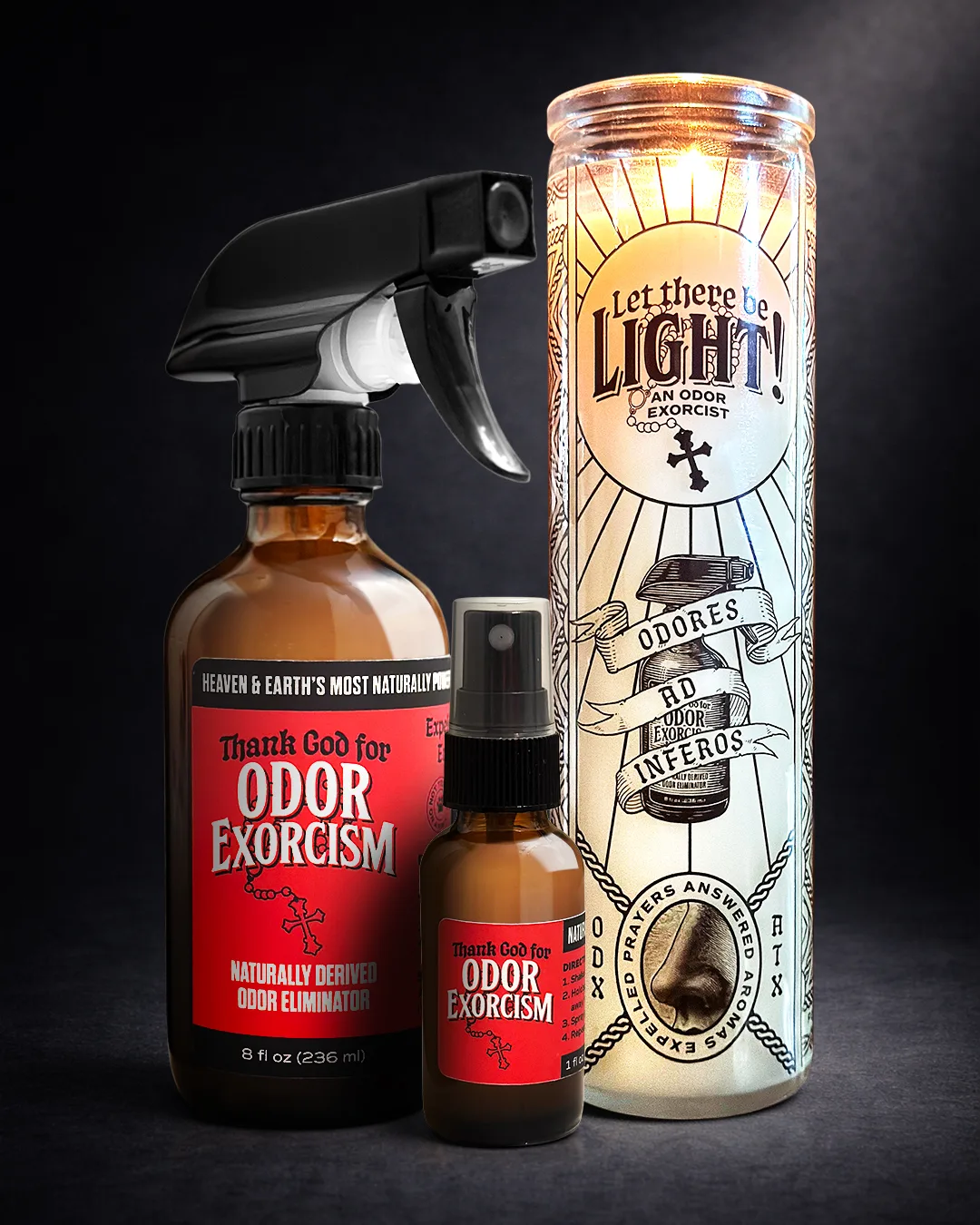
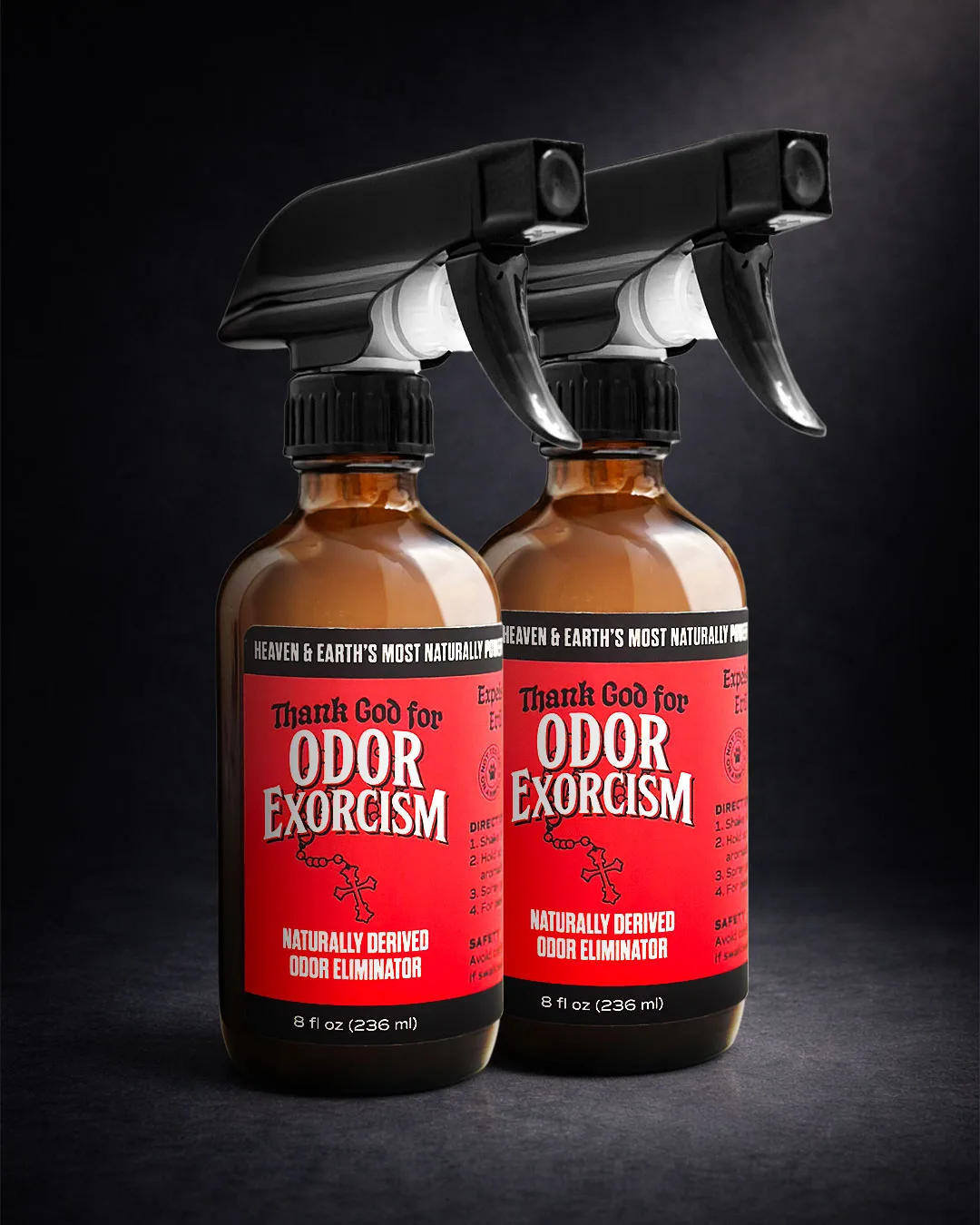
Odor Exorcism fits this practical approach: a naturally derived, essential-oil-based spray intended to neutralize bad smells on contact across household surfaces. It is built for the everyday offenders – bedding, carpet, upholstery, clothes, shoes, wood, and plastic – without asking you to fog the entire premises with heavy synthetic fragrance.
When a Natural Deodorizer Is Not Enough
There are limits, even for products with holy water energy. A deodorizer is not a substitute for mold remediation, deep carpet extraction, appliance repair, pest control, or veterinary care. If a smell is persistent, worsening, or accompanied by visible mold, water damage, droppings, or a gas-like odor, investigate the cause rather than repeatedly spraying over it.
The same goes for pet accidents. Fresh messes need prompt cleanup with a product suited to the job. Once the area is cleaned and dry, a deodorizing spray may help freshen what remains. But expecting any pleasant-smelling product to solve a deeply embedded urine odor without proper treatment is how household hauntings begin.
How to Choose a Natural Deodorizer Without Falling for the Fog
Read past the front-label drama. Look for clear guidance on where the product can be used, whether it is intended to neutralize odors or simply scent the air, and how to apply it safely. Ingredient transparency matters, especially if you are avoiding harsh chemical fragrances or using products around children and pets.
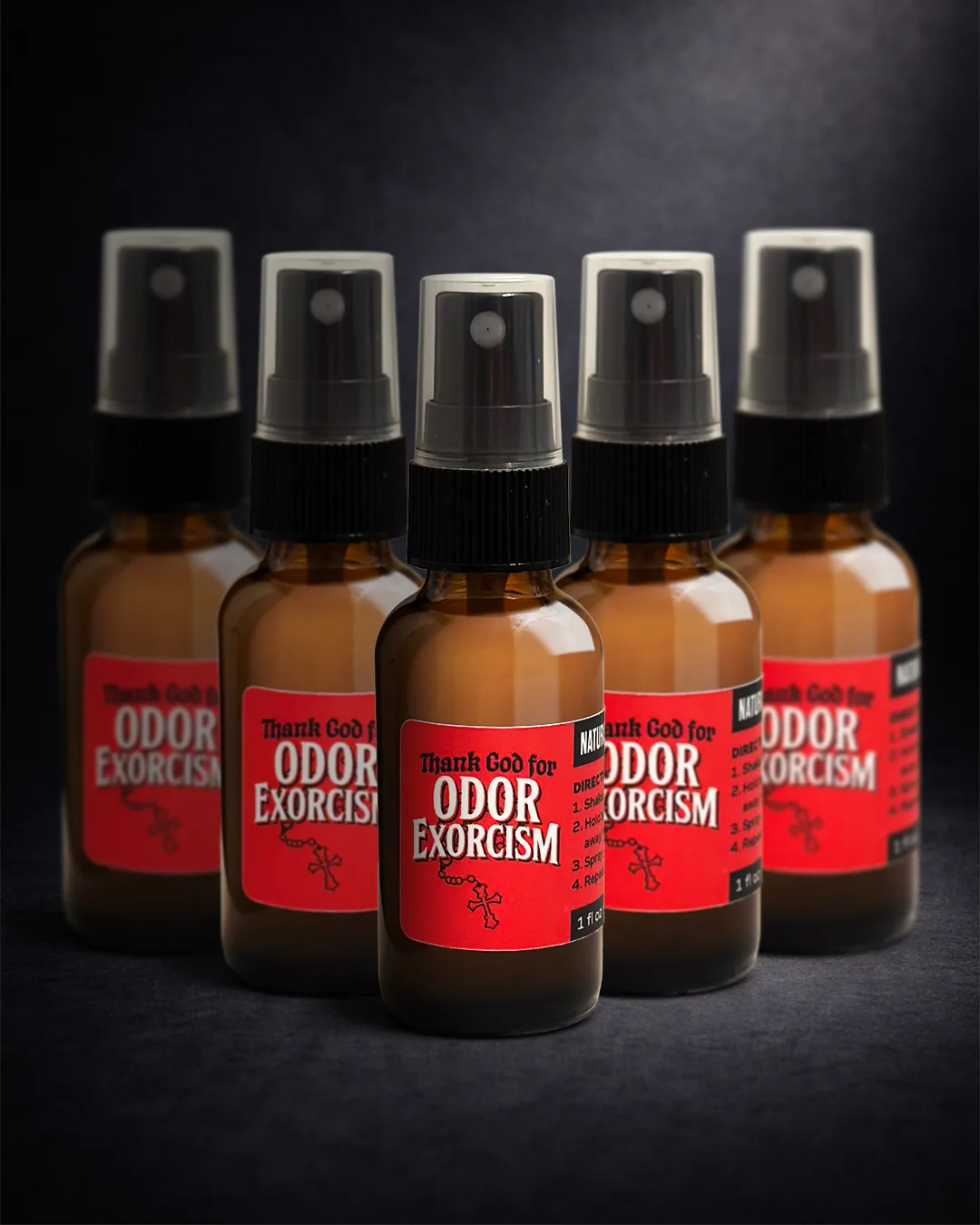
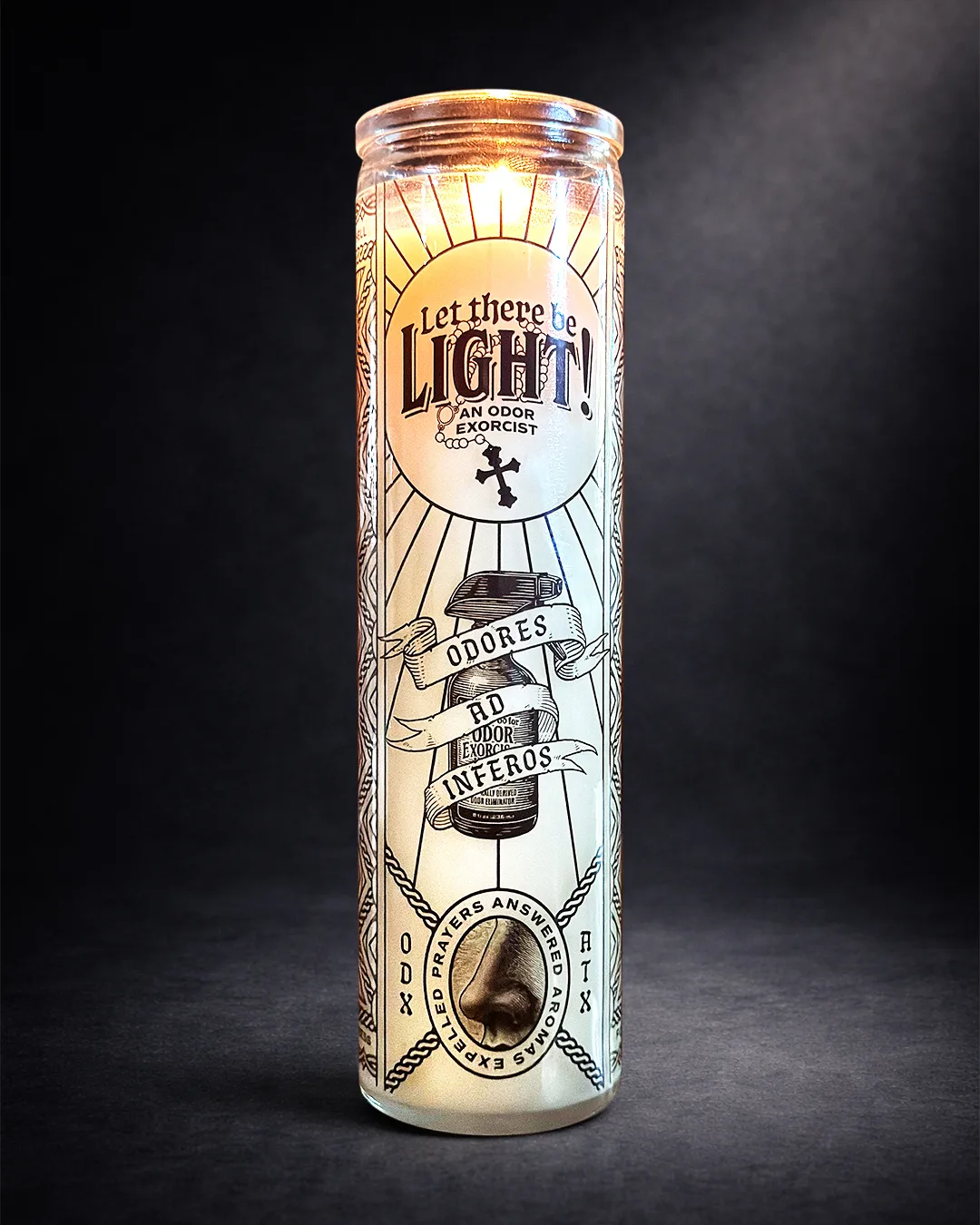
Consider your real-life odor villains, too. A household with two dogs and a fabric sectional needs something different from a studio apartment with a shoe rack by the door. If you need portability, a travel-size spray makes sense for gym bags, cars, dorm rooms, and post-workout damage control. If your goal is ambience, a soy wax candle can bring a softer, slower scent experience after the actual odor problem has been handled.
The best natural deodorizer is not the one that shouts the loudest from the shelf. It is the one you will use consistently, on the surfaces that need it, while keeping the root cause of the smell from staging its resurrection. Fresh air should feel like relief, not like a perfume counter lost a fight with your living room.