Indoor Air Quality: What Your Home Is Hiding
Evangelize


August 8, 2026
That weird smell in the hallway is not always “just the house.” Indoor air quality can get wrecked by a surprising cast of household villains: damp towels, pet beds, cooking grease, dusty vents, cleaning sprays, and the gym shoes quietly fermenting by the door. A room can look spotless and still smell like it has unfinished business with the underworld.
The good news: cleaner indoor air does not require turning your home into a sterile laboratory or blasting it with artificial floral fog. It starts with knowing what is actually hanging around, then removing the source instead of perfuming over the evidence.
Indoor Air Quality Is Not Just a Smell Test
Indoor air quality describes the condition of the air inside your home, apartment, dorm, or other enclosed space. It is shaped by particles, moisture, gases, allergens, microbes, ventilation, and odors. Some problems announce themselves loudly, like a litter box that has gone rogue. Others are quieter: lingering dust, stale air after a long winter, or a bedroom that somehow always feels stuffy by morning.
Odor matters because it is often a clue. Musty smells can point to excess moisture. Burnt or greasy smells may cling to cabinets, fabrics, and HVAC filters after cooking. Pet odor can settle into upholstery and rugs. None of these automatically mean your home is dangerous, but they are a sign that something deserves more than a candle and a prayer.
A scented air freshener may make the room smell like tropical fruit, mountain rain, or “cashmere breeze,” whatever haunted boardroom invented that one. But if it only covers the odor, the original source is still there, wearing a cheap disguise.
What Commonly Makes Indoor Air Feel Gross
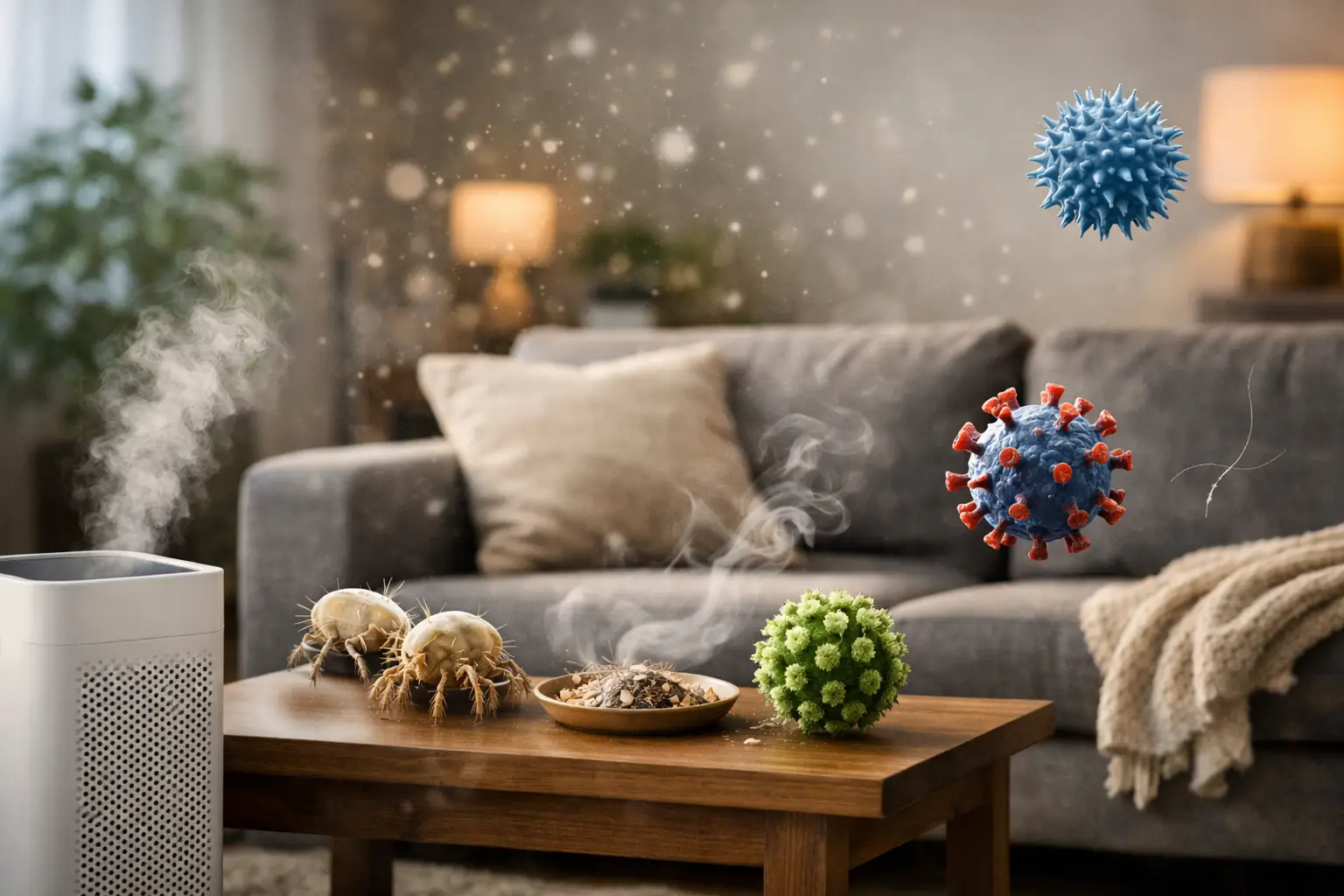
Most homes deal with a blend of ordinary contaminants, not one dramatic cloud of doom. Dust is a big one. It can carry skin flakes, fabric fibers, pollen tracked in from outdoors, and pet dander. Cooking adds particles and oils, especially when frying or searing. Bathrooms and laundry areas bring humidity, while bedrooms collect dust, body odor, and allergens in bedding and soft surfaces.
Volatile organic compounds, often called VOCs, are another consideration. They can come from paint, new furniture, adhesives, cleaning products, fragranced sprays, and other household goods. “Natural” is not a magical word that makes every product risk-free, and sensitivity varies from person to person. Still, choosing products with simpler, clearly disclosed ingredients can reduce the amount of mystery chemistry competing for space in your living room.
Then there is ventilation, the unglamorous hero nobody puts on a throw pillow. When windows stay closed and air is not moving, odors and pollutants have more time to linger. This is especially noticeable in smaller apartments, homes with pets, tightly sealed newer buildings, and rooms that do double duty as office, bedroom, and snack headquarters.
Start With the Source, Not the Cover-Up
The fastest way to improve air is usually to remove what is making it nasty. That means dealing with wet laundry before it becomes a swamp creature, emptying trash regularly, washing pet bedding, and cleaning food residue from counters and stovetops. If a room smells musty, inspect for leaks, wet materials, condensation, or poor airflow rather than spraying perfume into the void.
Soft surfaces deserve special attention because they hold onto odor like they have a personal grudge. Carpets, sofas, curtains, mattresses, backpacks, shoes, and car interiors absorb everyday life. Steam, sweat, pets, cooking, and dampness can settle in over time. Cleaning and laundering where possible is the foundation. An odor-neutralizing spray can help refresh washable and non-washable surfaces between deep cleans, provided you follow the label and test a small hidden spot first.
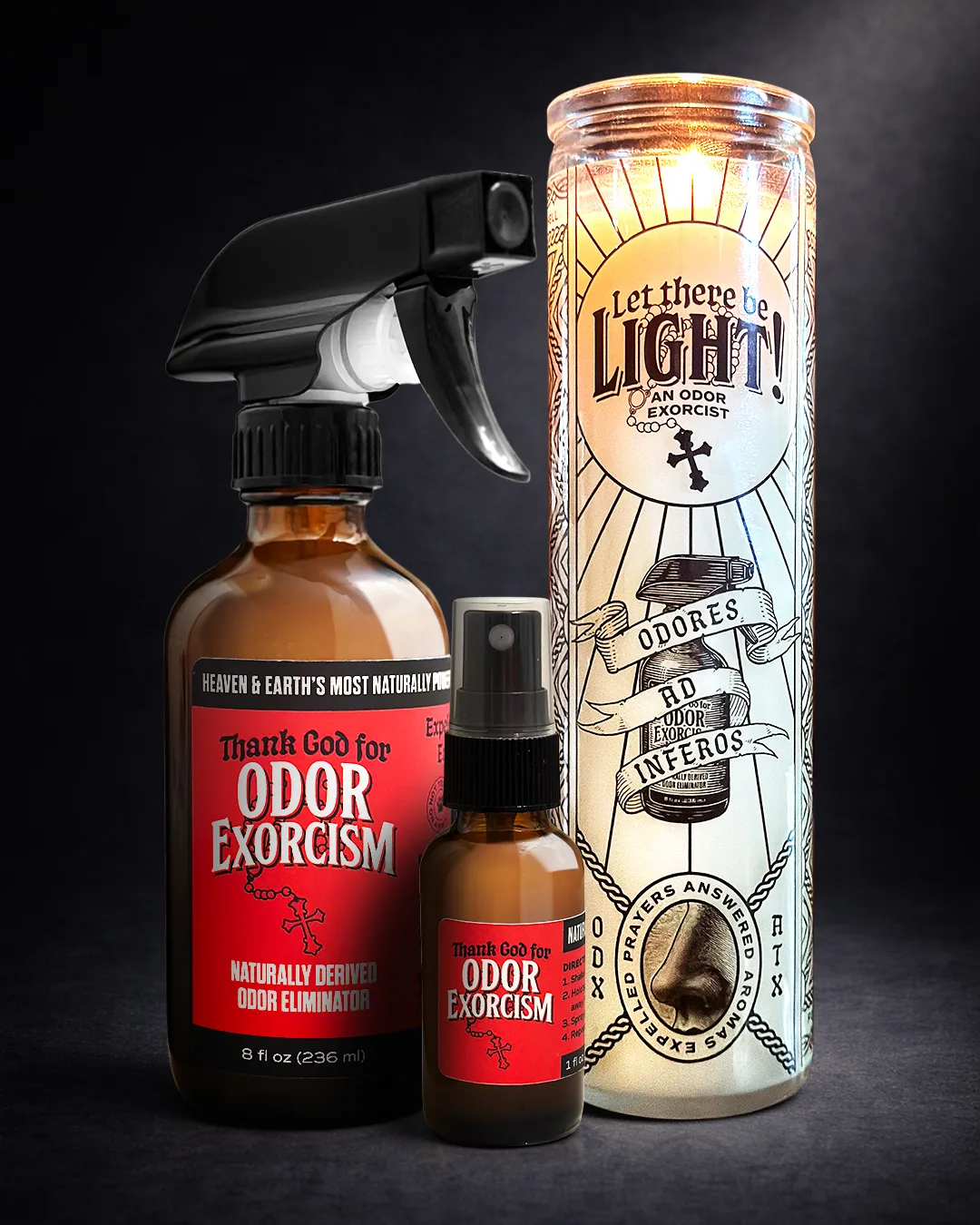
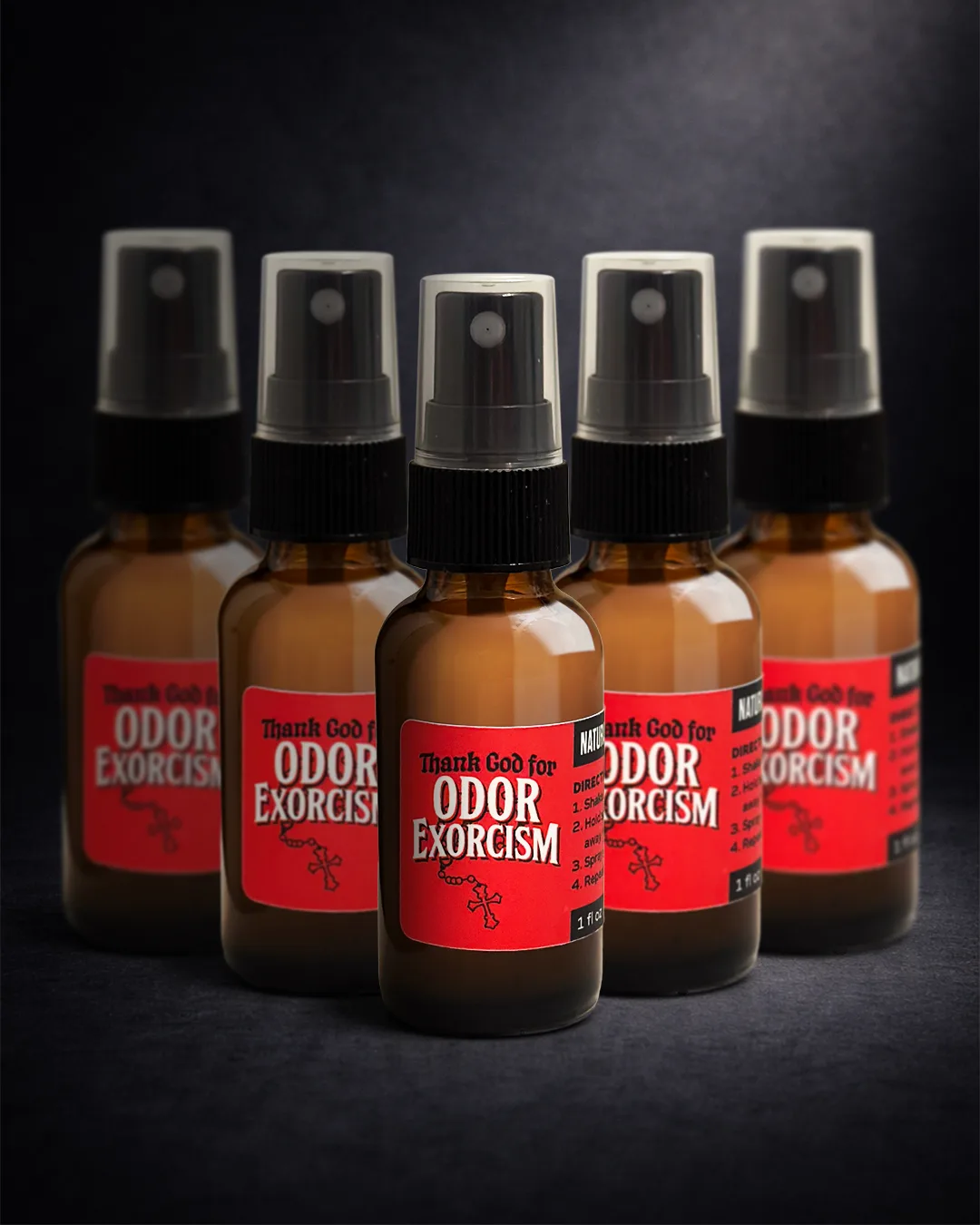
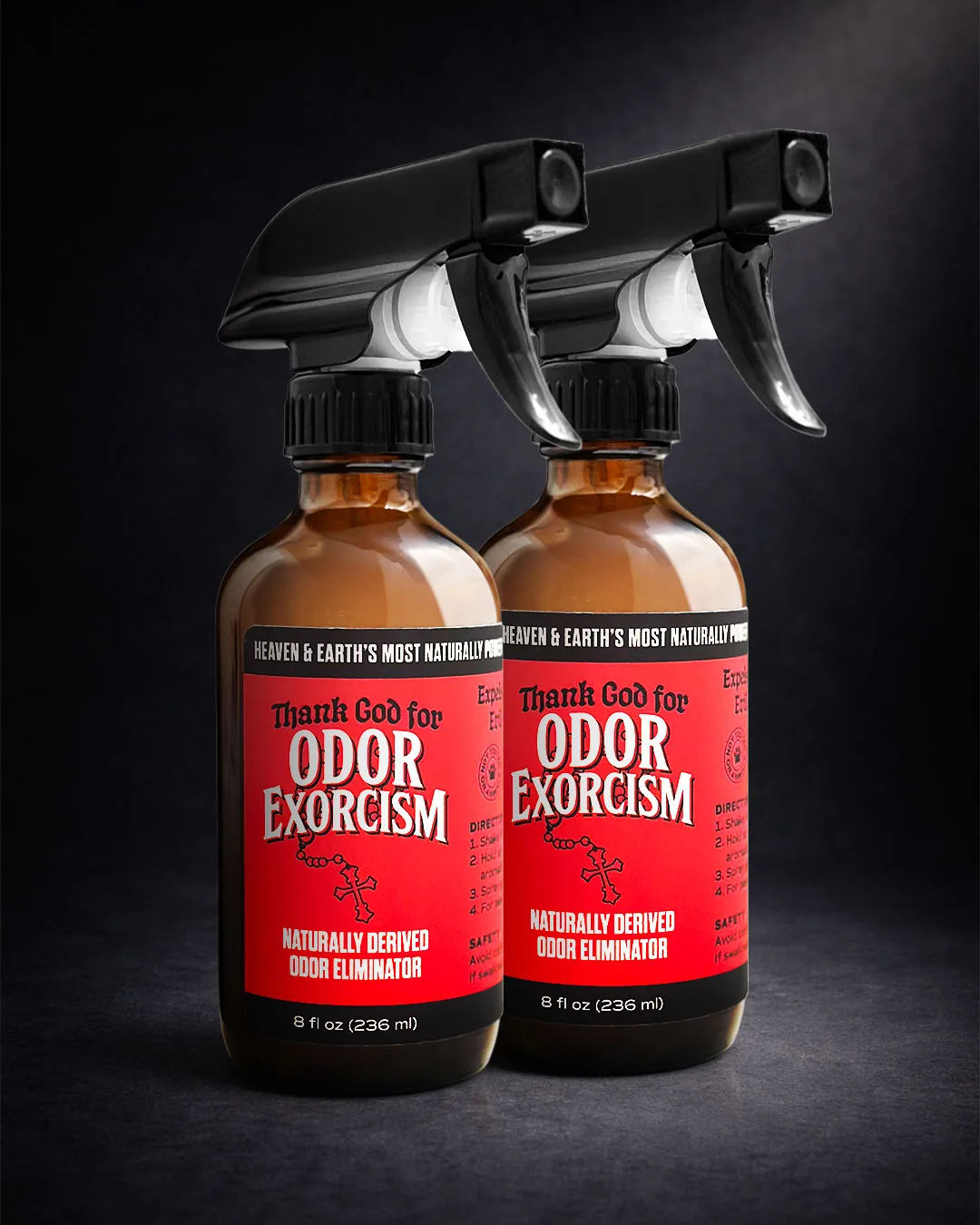
Odor Exorcism exists for exactly this kind of domestic haunting: neutralizing odors on household surfaces instead of asking synthetic fragrance to wrestle them into submission. Think of it as backup for the places a mop cannot reach and a scented plug-in cannot honestly fix.
A Practical Indoor Air Quality Reset
You do not need to perform a seven-hour purification ritual every Saturday. A few habits, repeated consistently, make a meaningful difference.
First, air out the space when outdoor conditions allow. Opening windows for even a short stretch can reduce that sealed-up, stale feeling. If outdoor smoke, heavy pollen, or extreme humidity is a problem, keep windows closed and rely more on filtration instead. This is one of those annoying-but-true “it depends” situations.
Next, use kitchen and bathroom exhaust fans. Run the kitchen fan while cooking and for a little while afterward, especially with high-heat meals. Use the bathroom fan during showers and after them to move moisture out before it settles into grout, towels, and walls.
Keep up with your HVAC filter. The right replacement schedule depends on the filter type, how many people and pets live in the home, and how often the system runs. A filter that looks gray and furry is not “seasoned.” It is overdue. If you use a portable air purifier, choose one sized for the room and maintain it according to the manufacturer’s instructions.
Finally, give odor-prone surfaces a routine. Wash bedding weekly or as needed, launder throws and pet blankets, clean trash bins, and address shoes before they infect the closet with their sulfurous testimony. The goal is not a home that smells aggressively like anything. The goal is a home that smells clean because it is clean.
When Air Purifiers Help and When They Do Not
A good air purifier can be useful for airborne particles such as dust, pollen, smoke particles, and pet dander. For people with allergies or pets, it may make a noticeable difference in a bedroom or frequently used living area. Look for a unit designed for the room’s square footage, and remember that placement matters. Hiding it behind a sofa is not exactly a heroic strategy.
But purifiers are not absolution machines. They will not fix a damp basement, a hidden leak, a dirty litter box, or upholstery saturated with old cooking odors. Some models also use fragrance or ionization features that may not suit everyone. If odors are the main complaint, remove the source and clean the affected surfaces first. Filtration works best as one part of the plan, not as a magical appliance-shaped exorcist.
Watch for Signs That Need More Than a Spray Bottle
Persistent musty odors, visible mold, recurring condensation, water stains, unexplained headaches, or irritation that improves when you leave the building are reasons to investigate further. Do not shrug off a recurring damp smell because you have become nose-blind to it. Check plumbing, window frames, basements, attics, and HVAC components, then bring in a qualified professional when the problem is beyond basic cleaning.
Likewise, smoke or fuel-like odors require immediate caution. If you suspect a gas leak, leave the area and contact the appropriate emergency or utility service. No amount of lavender, citrus, or theatrical confidence belongs in that situation.
The Cleaner-Air Standard Is Lower Drama, Not More Fragrance
A healthy-feeling home rarely announces itself with a wall of perfume. It feels less stuffy. Fabrics smell fresher. The bathroom dries out. The kitchen odor does not camp in the curtains for three days. You are not constantly trying to overpower one smell with another like dueling wizards in the cleaning aisle.
Give your rooms fresh air when you can, control moisture, clean the surfaces that collect life’s little offenses, and choose odor control that neutralizes rather than merely masks. Your home does not need to smell like a fake meadow. It just needs the demons of stale air to find somewhere else to live.