How to Refresh Stale Laundry Without Rewashing
Evangelize



September 25, 2026
A clean T-shirt should not smell like it spent three weeks haunting a damp basement. Yet somehow, freshly washed laundry can go stale fast: forgotten in the washer, trapped in an overstuffed drawer, or left to marinate in a gym bag after one suspiciously humid afternoon. Knowing how to refresh stale laundry means treating the source of the smell, not baptizing your clothes in a cloud of fake tropical fragrance.
The good news: most stale laundry does not need a full rewash. The less-good news: if the fabric is truly musty, sour, or covered in mystery stains, no amount of pep talk will save it. Here is how to tell the difference, revive what you can, and keep the laundry demon from returning.
Why clean laundry starts smelling stale
Laundry gets stale when moisture, body oils, bacteria, and lingering detergent residue have a little reunion on fabric. A load left wet in the washer is the most obvious offender. Even an hour or two can be enough for that sour, swampy scent to begin forming, especially in warm weather or a machine that needs cleaning.
But dry clothes can turn funky, too. Towels, workout gear, bedding, and heavy cottons may hold onto moisture longer than you think. Put them away before they are fully dry and you have created a tiny fabric crypt inside your closet. Poor ventilation, a musty hamper, pet hair, cooking odors, and a drawer packed tighter than a rush-hour subway car can also contribute.
Then there is the fragrance trap. Strongly scented detergent or dryer sheets may cover mild odors at first, but fragrance is not the same thing as odor removal. If your clothes smell like lavender funeral flowers layered over gym locker, the underlying problem is still very much alive.
First, decide whether a rewash is actually needed
Give the item a close sniff in a well-ventilated room. If it smells faintly closed-in, like a drawer that has not seen daylight since the last administration, a refresh is usually enough. If it smells sour, moldy, sweaty, or obviously dirty, rewash it. The same goes for anything that has skin oils, food, pet accidents, or visible marks on it.
A refresh works best on garments that are clean but stale: a sweater worn once, jeans that need a little air, spare linens from the closet, or a shirt that emerged from a suitcase with travel-induced sadness. It is also useful for fabrics that are annoying to launder often, such as decorative pillows, delicate throws, coats, and structured pieces.
Do not try to revive laundry that smells strongly of mildew. Mildew odor can signal moisture trapped deep in fibers, and letting it linger is not a great houseguest policy. Rewash those items promptly, then dry them completely before storage.
How to refresh stale laundry in 15 minutes
Start by separating the offending items from anything genuinely dirty. Shake out each piece, especially towels, blankets, sweatshirts, and denim. This helps release trapped air, dust, and the tiny crumbs that always seem to colonize hoodie pockets.
Next, hang the clothing or spread it out where air can reach both sides. An open window, a covered porch, a drying rack, or a room with a fan works well. Fresh airflow is not glamorous, but it is one of the fastest ways to reduce stale fabric odor.
For a light stale smell, allow the items to air out for 15 to 30 minutes. Turn thicker pieces once so the inner layers can breathe. Sunlight can help with certain durable, colorfast fabrics, but do not leave dark colors, silks, wool, or delicate prints baking outside for hours. The sun can fade dyes and weaken fibers. Even holy light has boundaries.
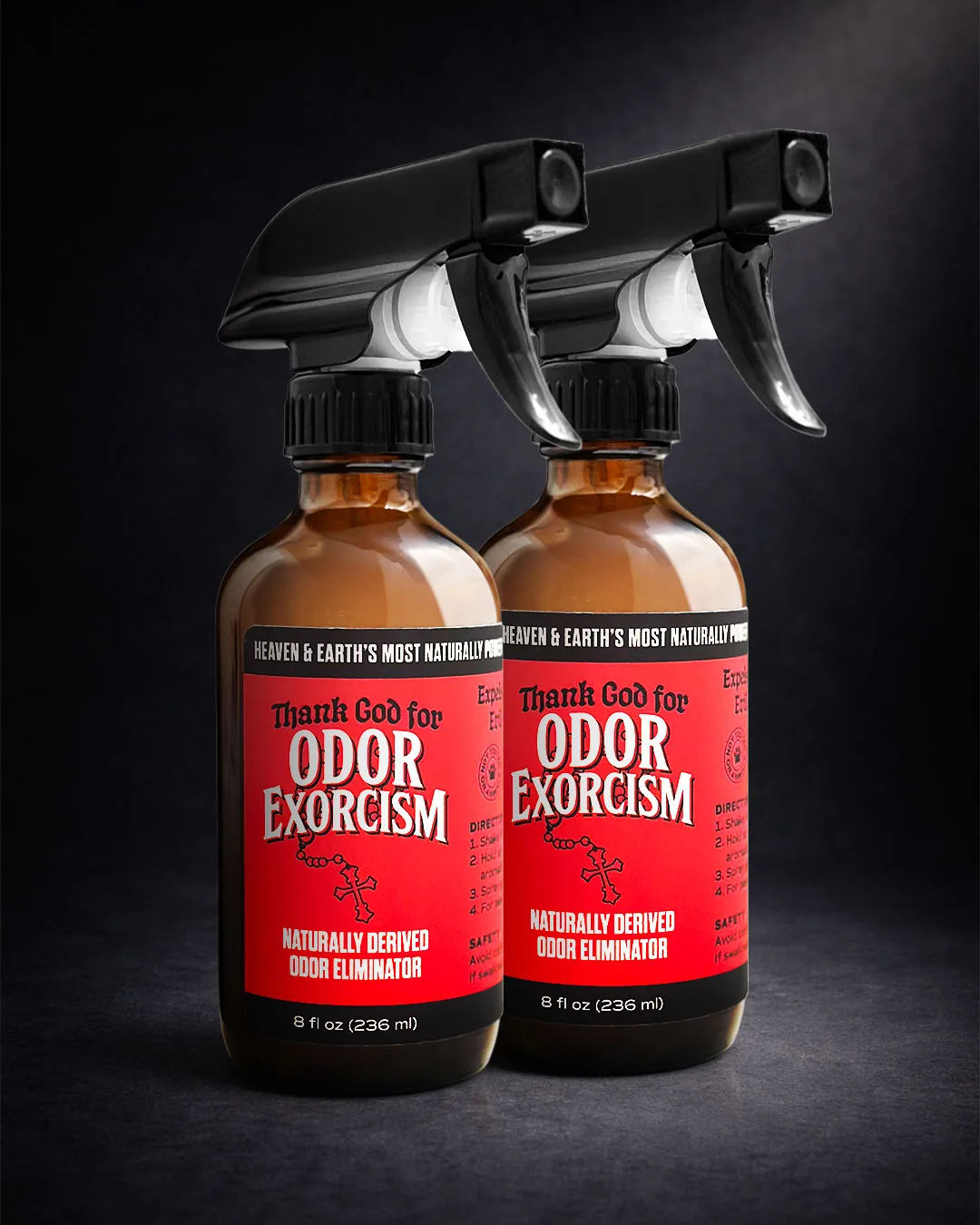
If the odor lingers, use a naturally derived odor eliminator spray made for fabrics. Mist lightly from several inches away, focusing on underarms, collars, waistbands, shoe interiors, and any spot that tends to collect odor. The goal is an even, fine application, not a full-scale soaking. Let the fabric dry completely before wearing or folding it.
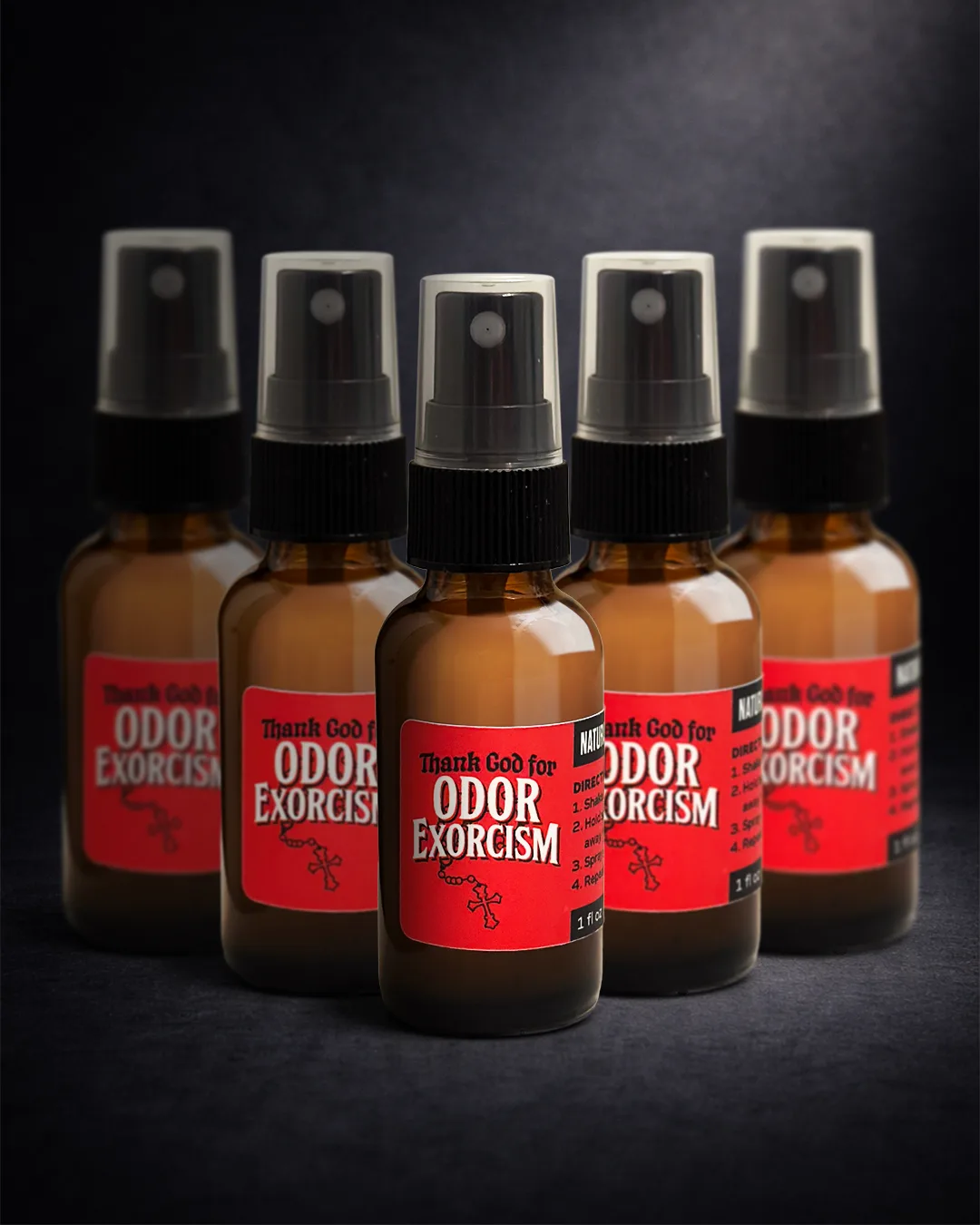
Odor Exorcism is designed to neutralize odors on fabrics and household surfaces without relying on a synthetic-fragrance ambush. One light treatment is generally plenty for lightly stale laundry. If you can still smell funk after the item dries, air it out again or move on to a proper wash.
For wrinkles, add gentle steam
Steam is useful when stale clothes also look like they lost a fight with a laundry basket. Hang the garment and use a steamer according to its fabric-care label. The heat and moisture can help relax wrinkles and freshen the item, but steam is not a cure for dirty fabric or deep-set odor.
No steamer? Hang the item in the bathroom while you take a hot shower, keeping it away from direct splashes. This trick gives clothes a small humidity boost, though it is less effective than actual steaming. Follow it with airflow so you do not trade wrinkles for dampness.
Refreshing towels, sheets, and workout clothes
These fabrics deserve special suspicion. Towels and workout clothes are odor magnets because they absorb moisture, skin oils, and bacteria with professional-level commitment. If they smell stale after being stored clean, start with air and a light fabric-safe odor eliminator treatment.
If that does not work, rewash. For towels, avoid using too much detergent or fabric softener, both of which can leave buildup that traps odor and reduces absorbency. For athletic fabrics, check the care label and use the recommended water temperature. High heat can damage elastic fibers and technical finishes, so hotter is not automatically holier.
Sheets and pillowcases often pick up room odors, hair product residue, and the general atmospheric drama of a bedroom. A quick refresh can make them feel better between washes, but wash them on schedule. Your bed should feel like a sanctuary, not a scented alibi.
The storage habits that prevent stale laundry
The easiest way to refresh stale laundry is to prevent it from becoming stale in the first place. Make sure everything is fully dry before folding and putting it away. Thick seams, pockets, waistbands, and towel hems are notorious for holding hidden dampness.
Keep hampers dry and breathable. A plastic bin with wet workout clothes at the bottom is less a hamper and more a microbial spa. If you cannot wash sweaty items immediately, hang them to dry first, then toss them in the hamper.
Do not cram closets and drawers to their absolute capacity. Fabrics need some air circulation, especially seasonal linens and off-season clothing. If a storage area smells musty, clean it before putting fresh laundry inside. Wiping down shelves, vacuuming dust, and allowing the space to air out can make a major difference.
Clean your washing machine regularly, too. A funky washer can transfer its cursed aroma right back onto clothes. Leave the door or lid open after cycles when possible, wipe the gasket on front-loaders, and run the machine’s cleaning cycle as directed by its manufacturer.
Skip the fragrance cover-up
Scented dryer sheets, perfume-heavy sprays, and closet sachets can make a stale garment smell temporarily louder, not cleaner. For people sensitive to fragrance, that cocktail can also mean headaches, irritation, or a closet that smells like a candle store lost power and melted into your socks.
That does not mean your laundry has to smell like nothing. It means the better order of operations is simple: remove or neutralize the bad odor first, then enjoy a light, pleasant scent if you want one. Fresh should feel clean, not chemically overwhelming.
When your clothes are only a little stale, give them air, a light odor-neutralizing treatment, and enough time to dry before they go back into rotation. Save rewashing for clothes that actually need it. Your water bill, your favorite sweater, and everyone trapped beside you on the elevator will be grateful.