Household Odor Prevention Guide for Fresh Rooms
Evangelize


August 29, 2026
That strange smell in the hallway is rarely a mystery. It is usually a damp bath towel, a trash can with ambitions, yesterday’s gym shoes, or a sofa quietly storing three months of pet life. This household odor prevention guide is for anyone who wants to stop the funk before it grows horns, moves into the guest room, and demands to be called Lord Stinkulus.
The real goal is not to make your home smell like a fake tropical storm. It is to remove the odor source, manage moisture, and keep the soft surfaces that trap smells from becoming a haunted archive of daily life. A little prevention beats panic-spraying perfume over a problem every single time.
Household Odor Prevention Guide: Start at the Source
Odors are not bad manners from the air. They are usually particles from food, sweat, bacteria, mildew, pet messes, smoke, or stale moisture clinging to a surface. That matters because scented air fresheners often attempt a cover-up, not an eviction. The room may smell like artificial linen for ten minutes, but the garbage juice is still in there, plotting.
When a smell appears, ask two questions: what is feeding it, and where is it hiding? A fishy kitchen odor may be a sponge, the drain, or the bottom of the trash bin. A bedroom that smells stale may need fresh sheets, but it may also need the mattress, curtains, rug, and laundry hamper checked. The nose notices the room. The cause is often smaller and much less glamorous.
Deal with spills and messes while they are fresh. Blot pet accidents, food spills, and wet shoes promptly rather than letting moisture sink into padding, grout, or fabric. For washable items, laundering is usually the cleanest first move. For upholstery, carpets, shoes, bedding, and other surfaces that cannot take a full wash, use an odor eliminator made to neutralize smells rather than merely drape them in synthetic fragrance.
The Moisture Rule: Dry Things Faster Than They Can Get Weird
Mildew is an odor demon with a very simple religion: moisture. Give it wet towels, poor ventilation, a closed hamper, or a forgotten load of laundry, and it will preach mustiness throughout the house.
Hang towels fully open after use instead of folding them over a hook in a damp wad. Wash bath mats regularly, especially in bathrooms shared by kids, roommates, or anyone who treats the floor like an optional target. Run the bathroom fan during showers and for a while afterward. If your bathroom has no fan, crack a window when weather allows or use a small dehumidifier if persistent dampness is the issue.
The laundry room deserves the same suspicion. Do not leave wet clothes in the washer overnight unless you enjoy redoing laundry with an extra side of swamp. Move loads to the dryer or drying rack promptly, and let the washer door stay open between cycles so the drum can dry. Clean lint traps and check that dryer vents are functioning properly. A damp, overworked laundry area can perfume clean clothes with a smell nobody requested.
In closets, basements, and apartments with limited airflow, moisture control may take more than opening a window. Avoid packing damp coats, wet swimsuits, or sweaty workout gear into enclosed spaces. Let them dry first. If a closet stays musty despite basic housekeeping, inspect for leaks, condensation, or water damage. That is a maintenance problem, not a candle problem.
Treat Fabrics Like Odor Sponges
Soft surfaces hold on to the evidence. Upholstery, rugs, pillows, mattresses, curtains, blankets, and fabric headboards absorb body oils, cooking aromas, pet dander, and smoke with unsettling dedication. They do not need a full deep-clean every week, but they do need a routine.
Vacuum rugs and upholstered furniture often enough to remove hair, crumbs, and dust that can feed odors. Wash removable covers and throws according to their care labels. Rotate and air out pillows and cushions when possible. For bedding, weekly sheet changes work well for most households, while pet owners, hot sleepers, and allergy-prone people may prefer more frequent swaps.
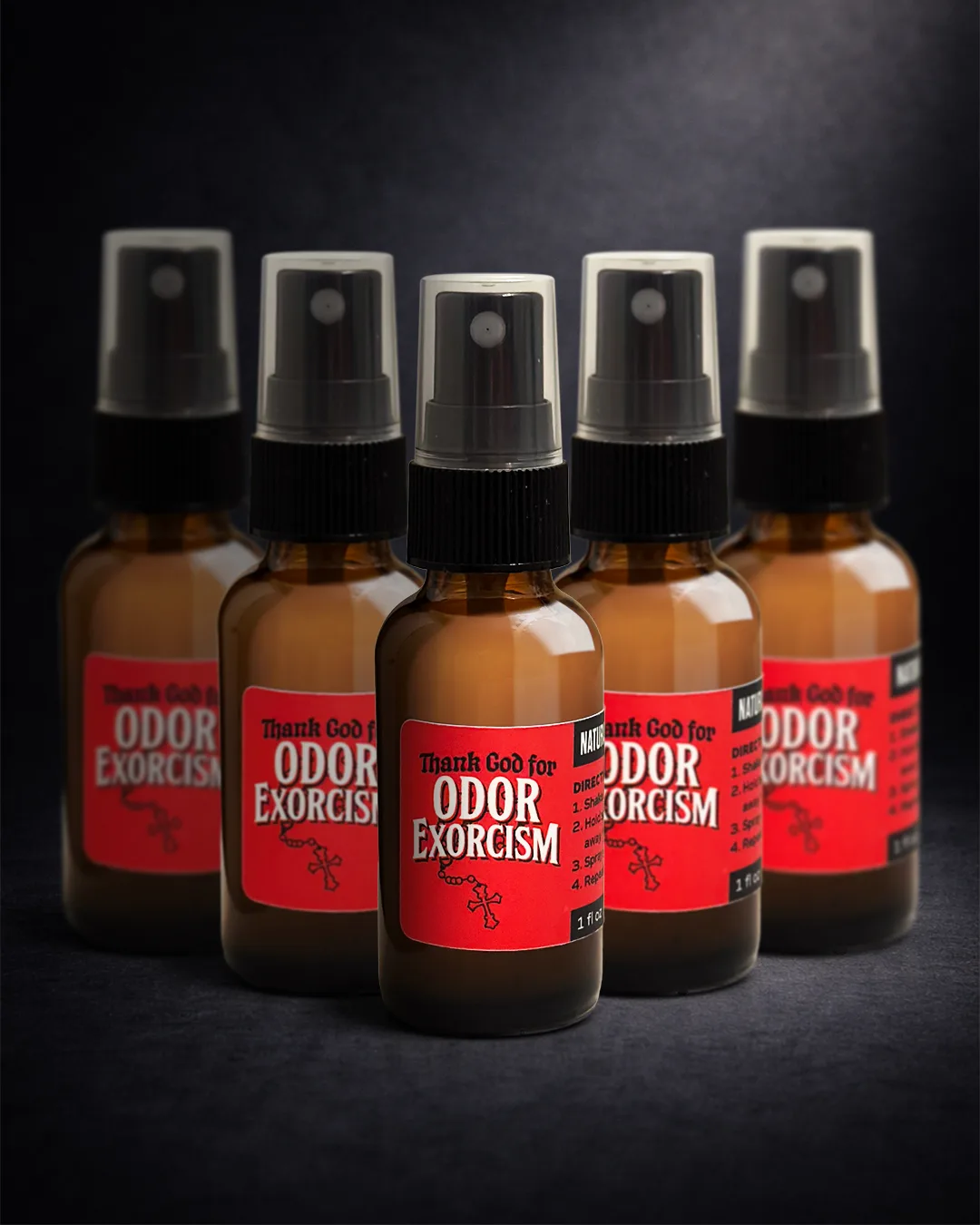
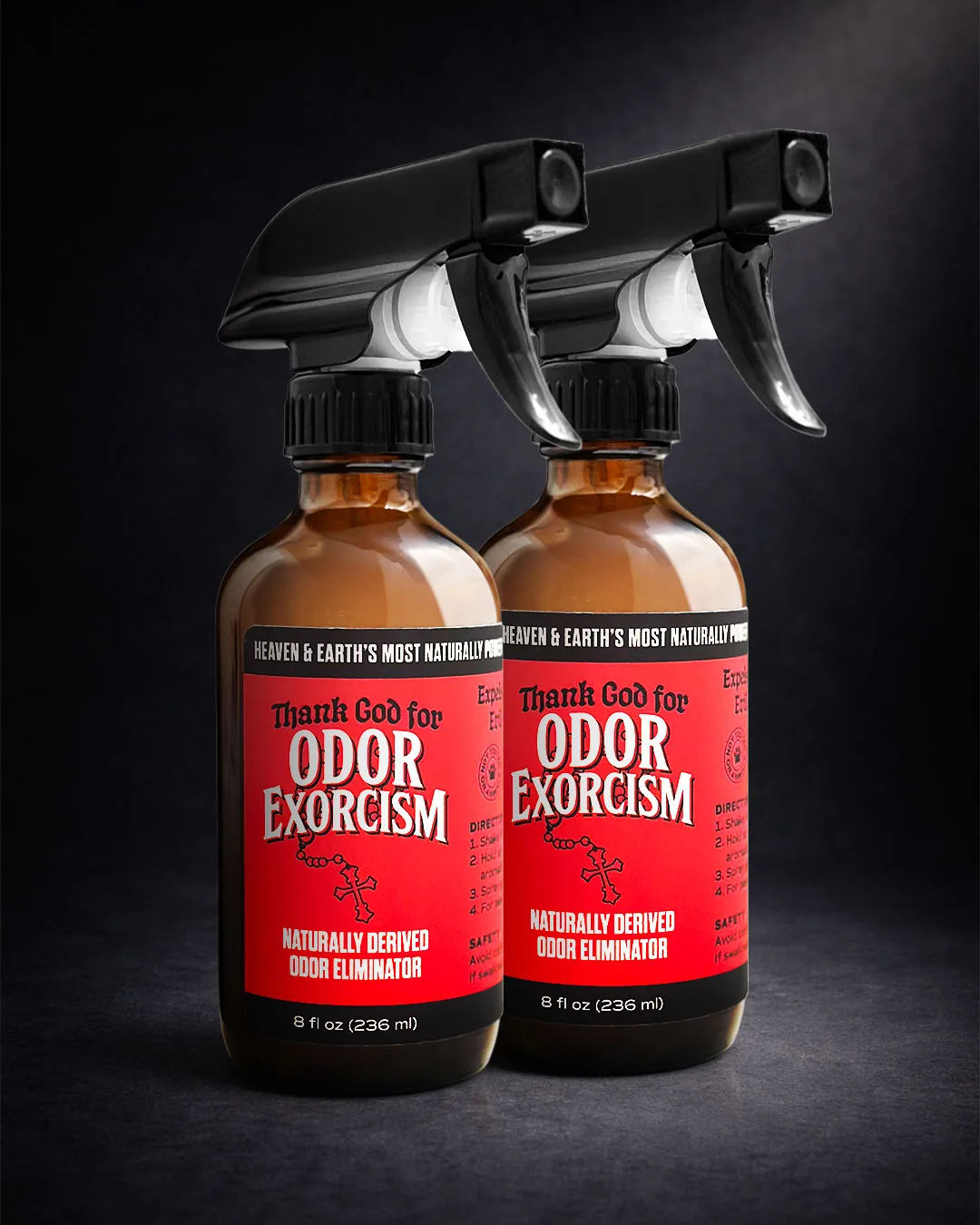
A light, regular treatment with a naturally derived odor-neutralizing spray can keep fabrics from reaching critical funk mass between washes. Odor Exorcism is designed for this sort of everyday haunting, with an essential-oil-based formula for hard and soft household surfaces. Still, test any spray on a hidden area first, especially with delicate fabrics, unfinished wood, vintage textiles, or materials with special care instructions. The devil is in the details, and sometimes also in the upholstery warranty.
Do not forget curtains. They are excellent at collecting cooking odors and stale air, particularly in small apartments. If they are washable, clean them seasonally. If not, vacuum them gently and refresh them as needed.
Keep the Kitchen From Becoming a Crime Scene
The kitchen produces more odor material than almost any room because it combines food scraps, heat, moisture, and human optimism about leftovers. Prevention is mostly about removing organic waste before it gets comfortable.
Empty the kitchen trash before it is overflowing or leaking. Wipe the inside of the bin regularly, including the lid and rim, where mystery drips love to gather. Compost containers need even more attention. Use a washable liner if it helps, keep the lid closed, and clean the container on a schedule that matches your household’s cooking habits.
Replace or sanitize sponges frequently. A sponge that smells sour is not being dramatic. It is telling you something. Dishcloths should be washed and dried thoroughly between uses, and sink drains should be cleared of food debris. If the drain smells off, clean the stopper and surrounding gunk before assuming the plumbing is possessed.
Refrigerators can also develop an odor problem when a forgotten produce drawer turns into a botanical tragedy. Check leftovers weekly, wipe spills immediately, and store pungent foods in tightly sealed containers. If a fridge smell persists after cleaning, inspect drip trays, seals, and hidden corners rather than escalating straight to stronger fragrance.
Pets, Shoes, and Other Repeat Offenders
Pet odor prevention is less about blaming the animal and more about managing the surfaces they love. Wash pet bedding regularly, vacuum favorite nap zones, and clean accidents thoroughly so the scent does not invite repeat visits. Keep litter boxes scooped, change bedding in small-animal habitats on schedule, and make sure pet areas have airflow.
Shoes deserve their own containment strategy. Never toss wet sneakers into a closed closet or gym bag. Let them dry out in an open area, remove insoles when practical, and keep the shoe rack from becoming a humid little underworld. If everyone drops their footwear by the door, use a tray or rack that allows air to circulate instead of piling pairs into a damp heap.
For gym bags, lunch boxes, and backpacks, empty them completely at least once a week. Crumbs, wet towels, and forgotten bananas are not a personality trait. They are an odor pipeline.
Ventilation Is Not Optional Decor
Fresh air is not a cure for every smell, but it prevents stale air from settling into a room like a bad tenant. Open windows when outdoor conditions are safe and comfortable. Use kitchen and bathroom exhaust fans. Make sure furniture is not pressed so tightly against exterior walls that air cannot move, especially in rooms prone to condensation.
If you live in a city apartment, have seasonal allergies, or deal with wildfire smoke, opening windows may not always be the right answer. In those cases, focus on source control, regular cleaning, and properly maintained air filtration. Replace HVAC filters on schedule. A dirty filter does not necessarily create every odor, but it can make the whole home feel dusty, stale, and vaguely cursed.
Build a Routine That Is Actually Realistic
The best household odor prevention guide is the one you will follow when life gets busy. You do not need a monastery-level cleaning schedule. You need a few small habits that stop smell buildup before it becomes a weekend project.
Each day, air out damp towels, deal with food scraps, and avoid trapping wet items in closed spaces. Each week, take out trash, wash bedding and pet textiles as needed, clean the sink zone, vacuum high-traffic areas, and empty bags that collect crumbs or sweaty gear. Every month or season, give deeper attention to upholstery, curtains, bins, drains, closets, and the areas under furniture where dust bunnies conduct their rituals.
If an odor returns quickly after cleaning, do not keep layering scent over it. Look for hidden moisture, old residue, a pet accident, plumbing trouble, mold, or an appliance issue. Persistent musty or sewage-like odors deserve investigation, especially if anyone in the home has respiratory sensitivities.
A home does not need to smell like a perfume counter to feel clean. Let it smell like fresh laundry, dinner that was worth cooking, a dog who is mostly forgiven, and air with no evil agenda. Keep the sources handled, keep damp things dry, and banish the small stink before it auditions for a bigger role.