A guide to natural odor removal at home
Evangelize


May 25, 2026
Some smells do not politely fade away. They squat in the couch, haunt the dog bed, crawl out of gym shoes, and rise from the laundry hamper like they pay rent. A real guide to natural odor removal starts with one uncomfortable truth – bad smells are usually clinging to a surface, not just floating through the air waiting to be covered with a fake “mountain breeze” spell.
That is why blasting a room with heavy fragrance often fails. You are not removing the odor demon. You are putting a scented wig on it and hoping no one notices. If you want a home that actually smells clean, not chemically cosplaying as clean, natural odor removal works best when you target the source, choose ingredients wisely, and match the method to the material.
What natural odor removal actually means
Natural odor removal is not the same as dumping baking soda on every problem and calling yourself a household saint. At its best, it means using naturally derived ingredients and lower-tox approaches to neutralize odor compounds instead of covering them up with synthetic fragrance clouds.
That distinction matters. Some smells come from bacteria, some from moisture, some from oils, some from trapped organic residue, and some from a glorious cocktail of all four. The natural approach is usually less about one miracle ingredient and more about using the right treatment for the right kind of funk.
If you are ingredient-conscious, this is also where the trade-off shows up. A natural product can smell better and feel better to use around your living space, but it still needs to perform. The goal is not to suffer through a weak, crunchy-cleaning fantasy. The goal is to get rid of the smell without turning your home into a synthetic fragrance chamber.
A guide to natural odor removal by odor type
The fastest way to lose this battle is treating every smell the same. Pet odor, mildew, stale fabric, and shoe funk may all smell cursed, but they do not come from the same source.
Pet odors
Pet smells usually come from dander, body oils, accidents, saliva, and fabric that keeps collecting all of it over time. Hard floors are one thing. Soft surfaces are where the spirits linger. Beds, rugs, upholstery, and car seats tend to hold the real problem.
For everyday pet odor, regular washing helps, but spot treatment matters just as much. A naturally derived odor eliminator spray is useful here because it can be applied directly to soft surfaces between deep cleans. If the odor is from urine, though, speed matters. Blot first, avoid over-soaking, and treat the affected area thoroughly. Old urine stains are tougher because they have had time to settle into padding and subfloor layers. That is where even a good natural approach may need repeat applications.
Musty odors
Mustiness is usually a moisture problem wearing an odor costume. Closets, basements, towels, bath mats, and stored fabrics are common offenders. If the area stays damp, no spray on earth is going to perform an exorcism that lasts.
Natural odor removal works best here when paired with moisture control. Wash the item if possible, dry it fully, improve airflow, and then use an odor-neutralizing product for the lingering smell. If something keeps smelling musty after treatment, the issue is probably not the smell itself. It is the damp environment feeding it.
Kitchen and trash odors
These smells are blunt instruments. They do not sneak up on you. They punch. Food residue, grease, forgotten produce, and trash can drips all create odor fast, especially in warm rooms.
Natural solutions can help, but first you need actual cleaning. Wipe the bin, clean the lid, rinse recyclables, and check the floor around the can. Once the source is gone, a natural odor eliminator can handle the leftovers on surrounding surfaces. If you skip the cleaning part, you are just blessing a dumpster.
Shoe and clothing odors
Shoes and worn fabrics trap sweat, bacteria, and oils in dense material with lousy airflow. That is why the smell can come back the second they warm up again.
For shoes, let them dry fully before treating them. Spraying a damp shoe and then stuffing it in a dark corner is how you raise a stronger demon. Clothing and gym bags respond well to prompt washing, but for things you cannot wash every day, a natural fabric-safe odor spray helps bridge the gap.
The best natural odor removal methods for different surfaces
One reason people get frustrated is that they use the same tactic on everything from hardwood to bedding. That can backfire.
Soft surfaces
Carpet, upholstery, curtains, mattresses, and pet beds are odor magnets. They absorb particles deeply, and they release them slowly. Vacuuming helps remove surface debris, but it will not always fix the smell. Fabrics need either washing or a direct odor-neutralizing treatment made for soft materials.
This is where a non-toxic, essential-oil-based spray has a strong case. It is easy to use, it works between washes, and it avoids the fake-perfume bomb effect that makes a room smell like a haunted candle aisle.
Hard surfaces
Wood, plastic, sealed stone, tile, and metal usually do not absorb odor as deeply, but they can hold onto residue that keeps producing smell. Think pet bowls, trash lids, litter mat edges, hampers, and mudroom storage bins.
For these surfaces, odor removal starts with wiping away what is causing the smell. After that, a natural spray can help neutralize what remains. Just be mindful of the finish. Some materials are more sensitive than others, so spot-testing is the wise move, even if your inner chaos goblin wants to skip it.
Air and rooms
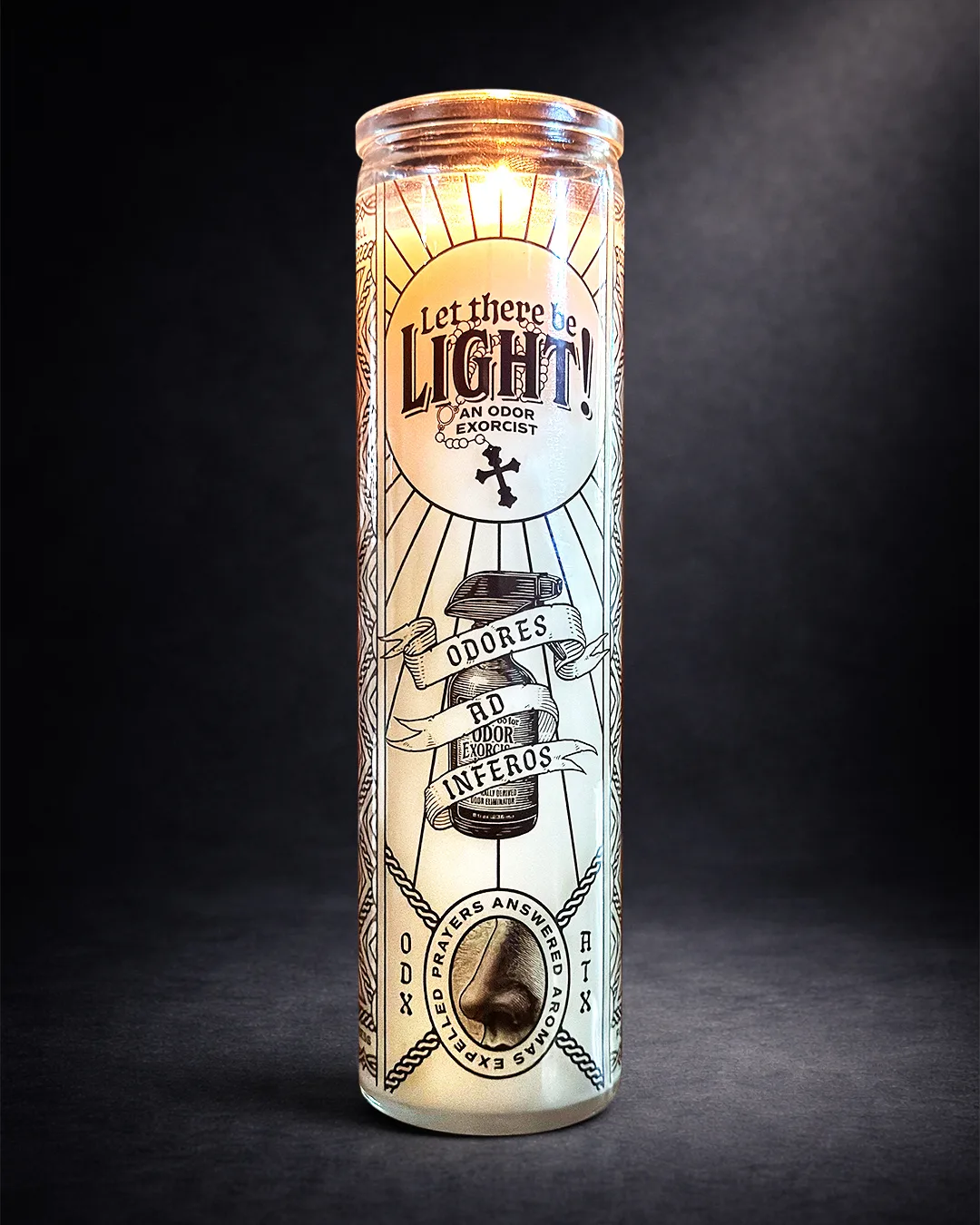
If a room smells bad, the air is usually carrying evidence from somewhere else. Treating the air alone is temporary. Open windows if you can, improve circulation, and go after the source first. Candles can add atmosphere, sure, but they are not a replacement for removing odor from the couch cushion that smells like wet dog and old takeout.
Why masking smells is a losing game
Traditional air fresheners often rely on overpowering fragrance. That can make a room smell “better” for a few minutes, but it does not solve much. In some homes, especially smaller apartments, dorms, and shared spaces, heavy fragrance can make things worse. You end up with stale air plus perfume, which is less freshness and more olfactory hostage situation.
Natural odor removal is more useful when it is designed to neutralize the smell itself. That does not mean unscented is the only good option. It means scent should support the clean result, not impersonate it. A light, naturally derived fragrance profile can make a space feel fresher without screaming over the problem.
How to choose a natural odor remover without getting duped
The market is packed with products that use words like clean, green, botanical, and natural as decoration. That does not tell you much. What matters is whether the product is meant to neutralize odor, where it can be used, and whether the ingredient approach fits your standards.
Look for clear language about naturally derived ingredients, non-toxic positioning, and actual household surfaces. If a product only talks about scent and says nothing about odor elimination, that is a clue. If it acts like fragrance is the whole plan, you are probably buying a cover-up in nicer packaging.
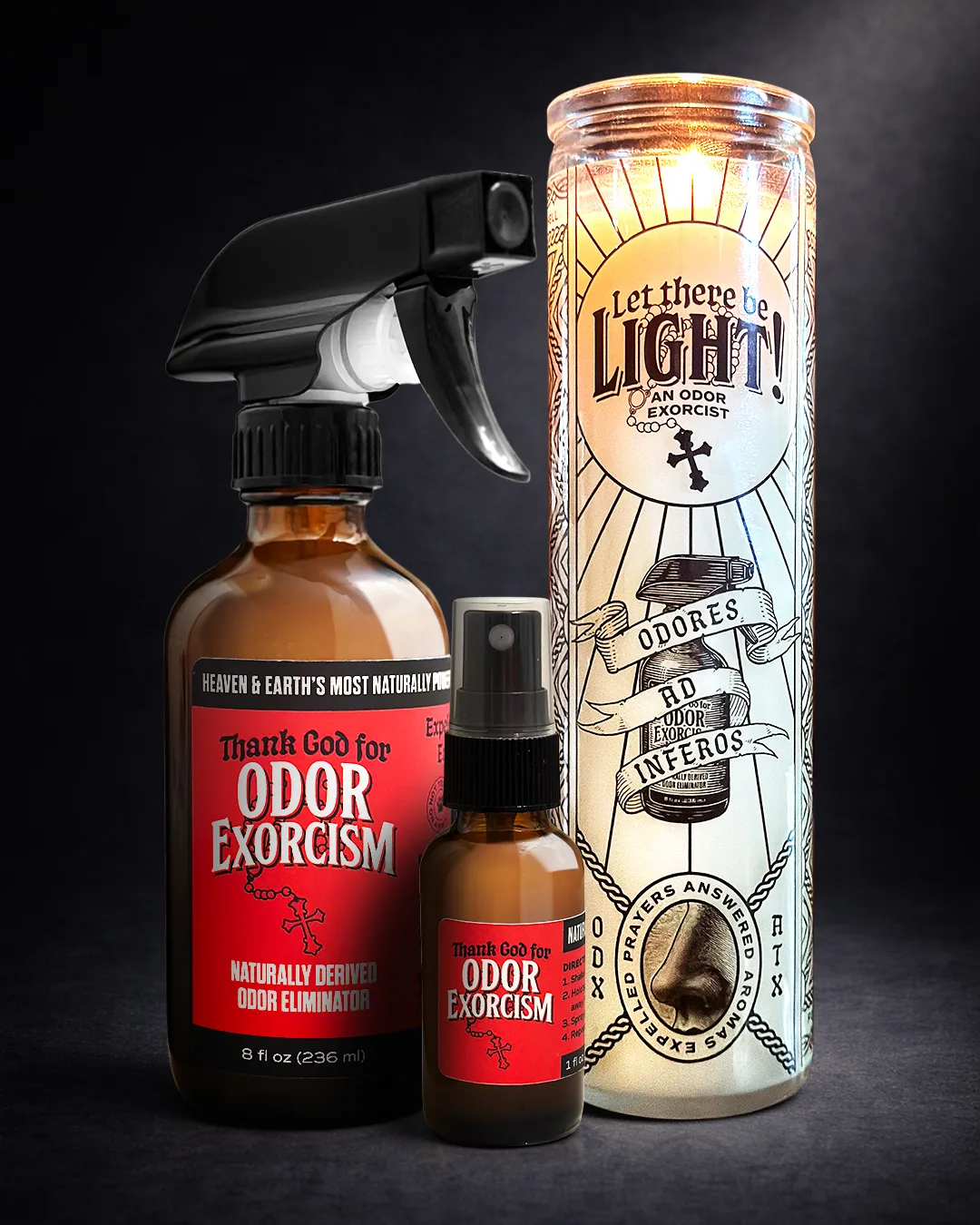
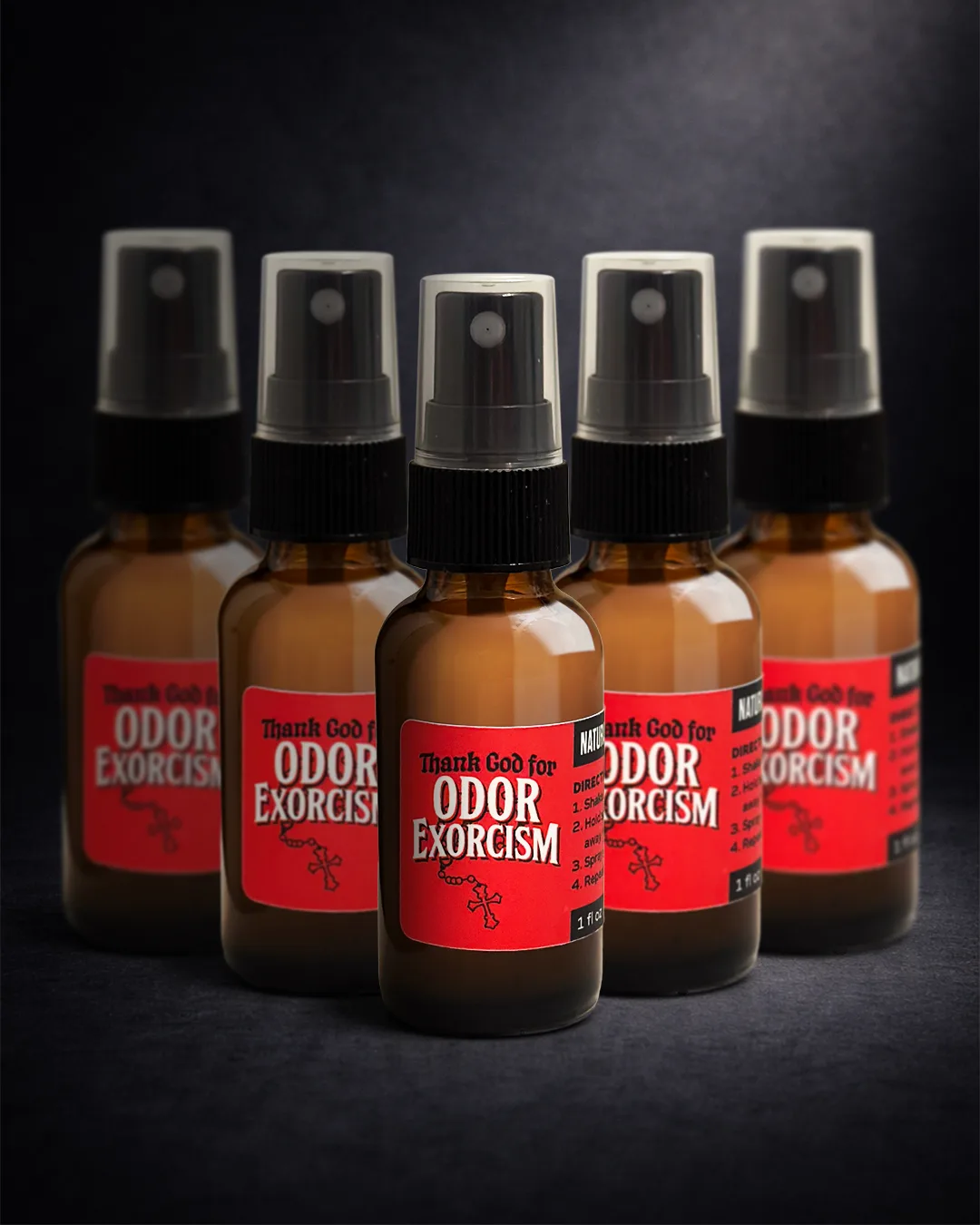
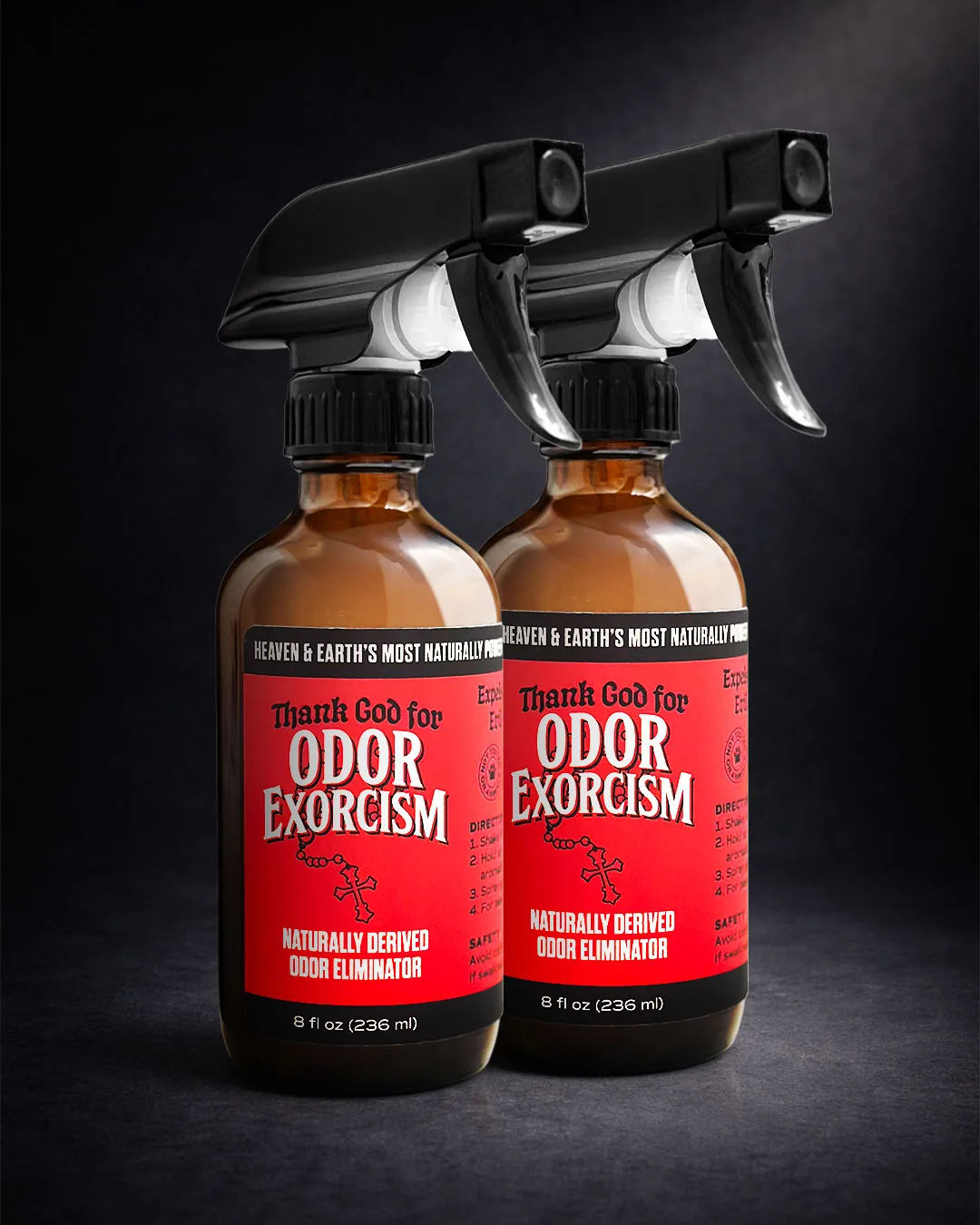
This is also where a focused brand can beat a giant generic one. A company like Odor Exorcism is not trying to sell you a fantasy of fake freshness wrapped in synthetic fog. The point is to kill the stink at the source and leave your home smelling like an actual civilized dwelling, not a chemical séance.
The habits that keep odors from coming back
Even the best product has limits if the underlying routine is chaos. Odor builds when moisture lingers, fabrics go too long between washes, spills sit, and rooms stay sealed up for days.
The fix is not glamorous. Wash pet bedding more often than you think you need to. Let towels dry fully. Clean trash cans, not just the trash bag. Do not leave shoes in a pile of damp resentment by the door. Treat upholstery and fabrics before odor gets deeply set. Prevention is less dramatic than rescue, but it is cheaper and easier.
If your home keeps developing the same smell in the same place, trust that pattern. Recurring odor usually points to a recurring cause. The smell is not being dramatic. It is snitching.
A good home does not need to smell like fake rain, mystery fruit, or an aggressively perfumed department store. It just needs the bad stuff gone. When you treat the source, use naturally derived odor eliminators, and stop trying to perfume over the problem, the whole place feels lighter. That is the kind of cleansing ritual your nose can believe in.