Essential Oil Safety Without the Scary Nonsense
Evangelize


September 6, 2026
A bottle labeled “natural” is not a tiny bottle of invincibility. Essential oils smell glorious, can make a room feel less like a gym-bag crypt, and have earned a permanent spot in plenty of clean-home routines. But essential oil safety is not about panicking over every pleasant scent. It is about using concentrated plant ingredients with the same common sense you would use around any powerful household product.
That means reading labels, using products as directed, and refusing to let a cute amber bottle talk you into doing something cursed. No, essential oils should not be casually swallowed, poured into every humidifier, or slathered undiluted across your skin because a stranger on the internet said it was “wellness.”
Why essential oil safety is different from “natural” marketing
Essential oils are highly concentrated aromatic compounds extracted from plants. A little peppermint oil is not the same thing as a little mint leaf. A little citrus oil is not the same thing as squeezing a lemon over fish. Concentration changes the conversation.
Some oils can irritate skin, trigger headaches, worsen respiratory symptoms, cause allergic reactions, or be harmful if swallowed. Certain citrus oils can also make skin more sensitive to sunlight when used topically. The risk depends on the specific oil, the concentration, how it is used, the person exposed, and whether pets or children share the space.
This is not a vote for synthetic fragrance fog machines that blast mystery perfume until your living room smells like an airport bathroom with a trust fund. It is a vote for informed choices. Plant-derived ingredients deserve care, not blind worship.
Essential oil safety starts with the label
A finished room spray, cleaning spray, candle, or diffuser blend is not automatically equivalent to a bottle of undiluted essential oil. Formulation matters. Responsible products are designed for a stated purpose and include directions for where, how, and how often to use them.
Before bringing any scented product into your home, look for clear ingredient information, use instructions, and warnings. Be skeptical of grand promises that claim an oil can disinfect everything, cure health problems, or safely do anything at any dose. The more magical the claim, the more likely somebody is selling snake oil in a prettier bottle.
For household odor control, choose a product intended for household surfaces or air use. Follow its directions exactly. If a spray says to test an inconspicuous spot first, do it. Upholstery, dyed fabrics, unfinished wood, leather, and delicate materials can all react differently.
Raw oils and finished products are not interchangeable
Never assume a DIY blend is safer because you mixed it yourself. In fact, homemade mixtures can be easier to over-concentrate, especially when someone treats “a few drops” like an ancient measurement handed down by witches.
If you use raw essential oils, keep them diluted appropriately for the intended use and avoid applying them directly to skin unless you have reliable guidance for that particular oil and dilution. Do not add oils to food or drinks unless a qualified medical professional has specifically advised it. “Food-grade” is not a permission slip for casual ingestion.
Use scent around kids, pets, and sensitive noses with care
The people and creatures in your home do not all experience scent the same way. Babies and young children have smaller bodies and may be more vulnerable to accidental exposure. Anyone with asthma, migraines, allergies, or fragrance sensitivities may react to even a product that works perfectly for someone else.
Pets are another category entirely. Cats, dogs, birds, and small mammals have different sensitivities, behaviors, and metabolisms. Birds in particular have delicate respiratory systems. A fragrance level that seems mild to you can be overwhelming in a small, poorly ventilated room or for an animal trapped near the source.
Use scented products in ventilated spaces. Do not spray directly on pets, their bedding, toys, food bowls, litter boxes, or favorite nap zones unless the product specifically says it is suitable for that use. Keep all bottles where children and animals cannot access them. A curious toddler or a determined cat does not care that your label design is immaculate.
If someone in the house coughs, gets watery eyes, develops a rash, seems nauseated, or simply hates the scent, stop using the product and air out the area. Comfort is the point. Nobody needs to suffer through lavender because you declared it the official smell of domestic holiness.
How to use essential-oil household sprays responsibly
An essential-oil-based odor eliminator can be a practical alternative to products that rely on heavy perfume to hide a smell. The key word is “can.” It depends on the formula, the surface, and the source of the odor.
Start with the actual mess. If a rug smells because a pet accident soaked into the pad, or a trash can reeks because something is decomposing in the bottom, clean the source first. A spray may help neutralize lingering odor, but it cannot perform a full exorcism on grime you refuse to remove.
For everyday fabrics and surfaces, use a light, even application according to the label. Let the area dry fully and keep kids and pets away until it does. Test colorfastness on hidden fabric first. Avoid saturating cushions, mattresses, carpet padding, or unfinished wood, where excess moisture can create a second demon: mildew.
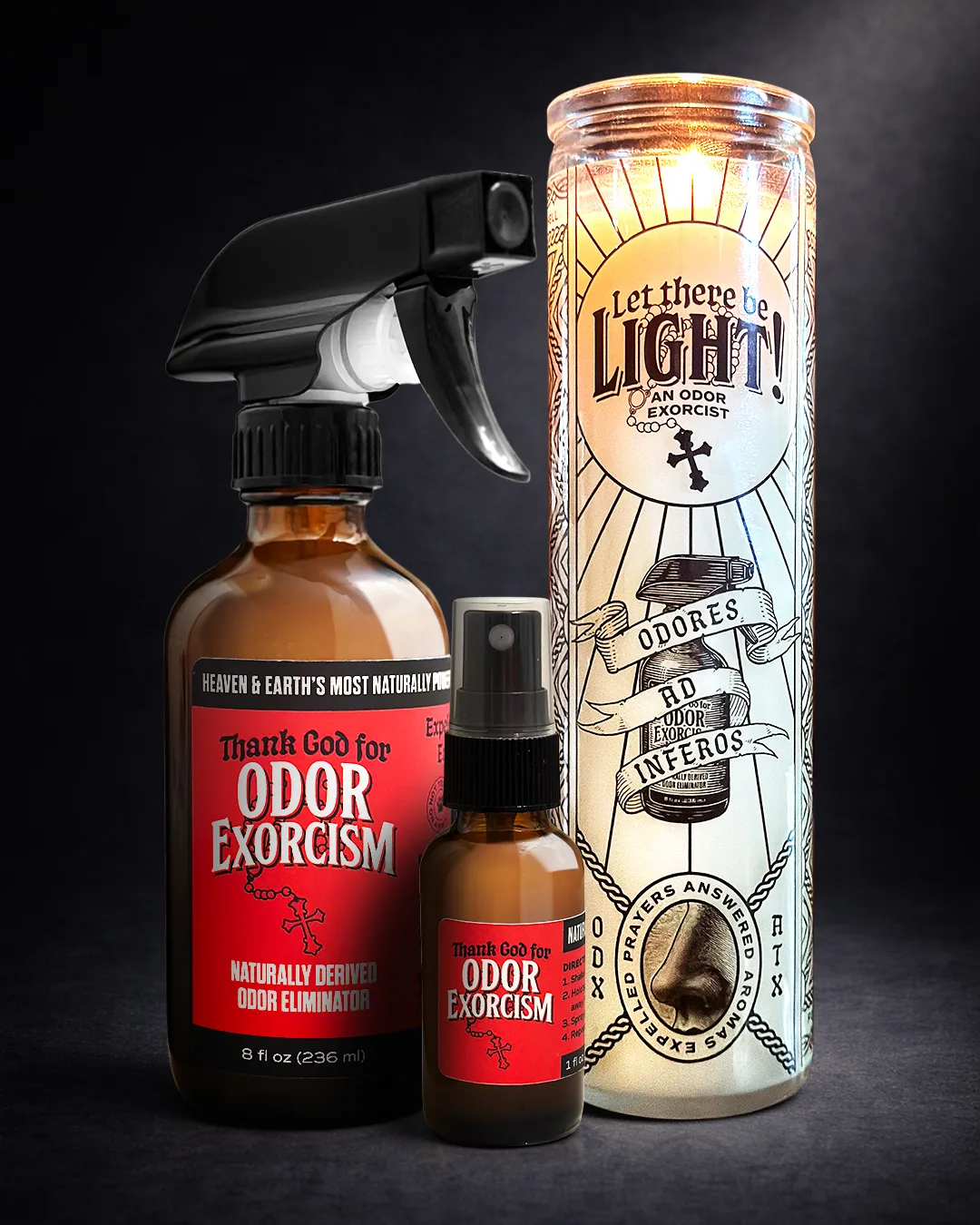
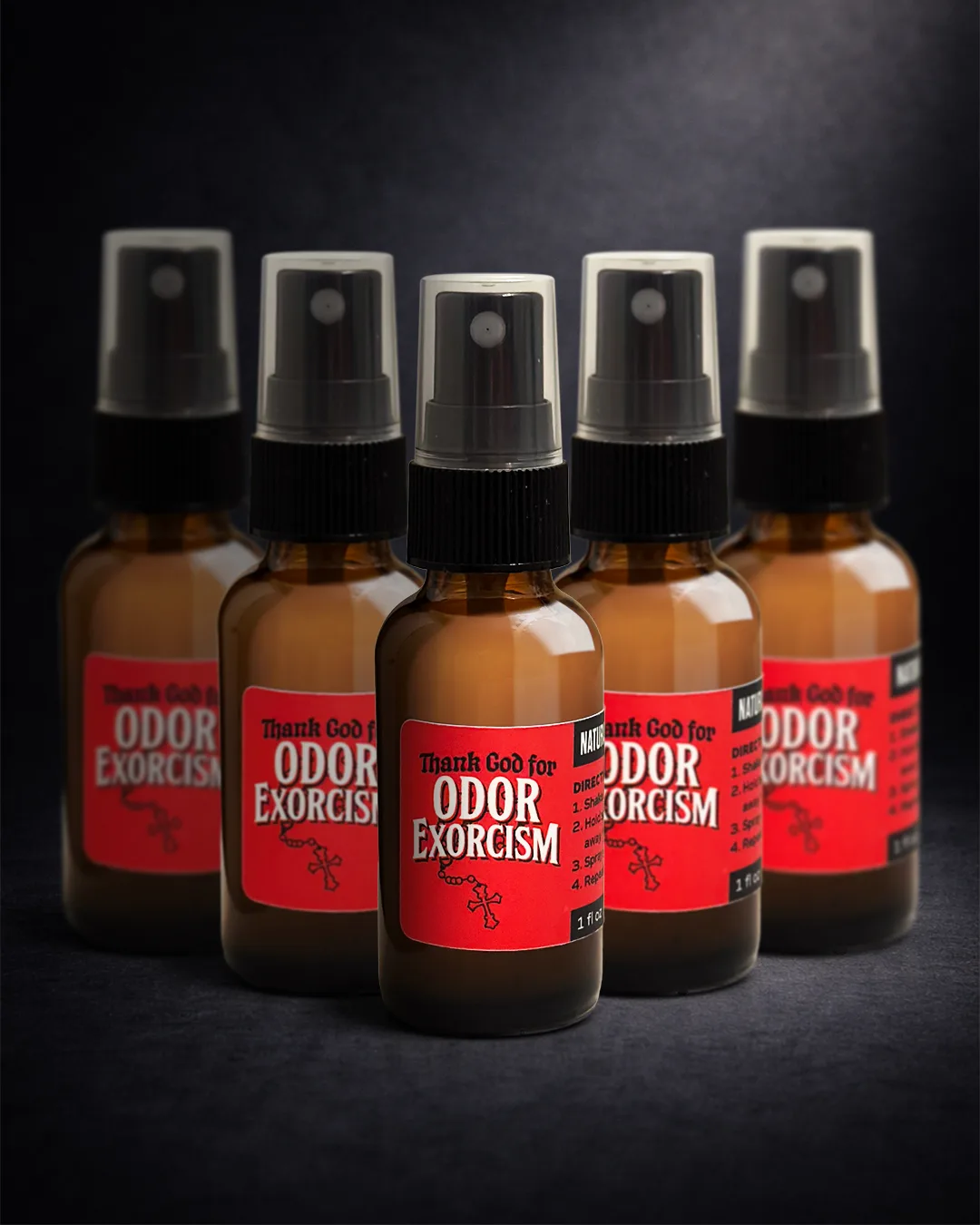
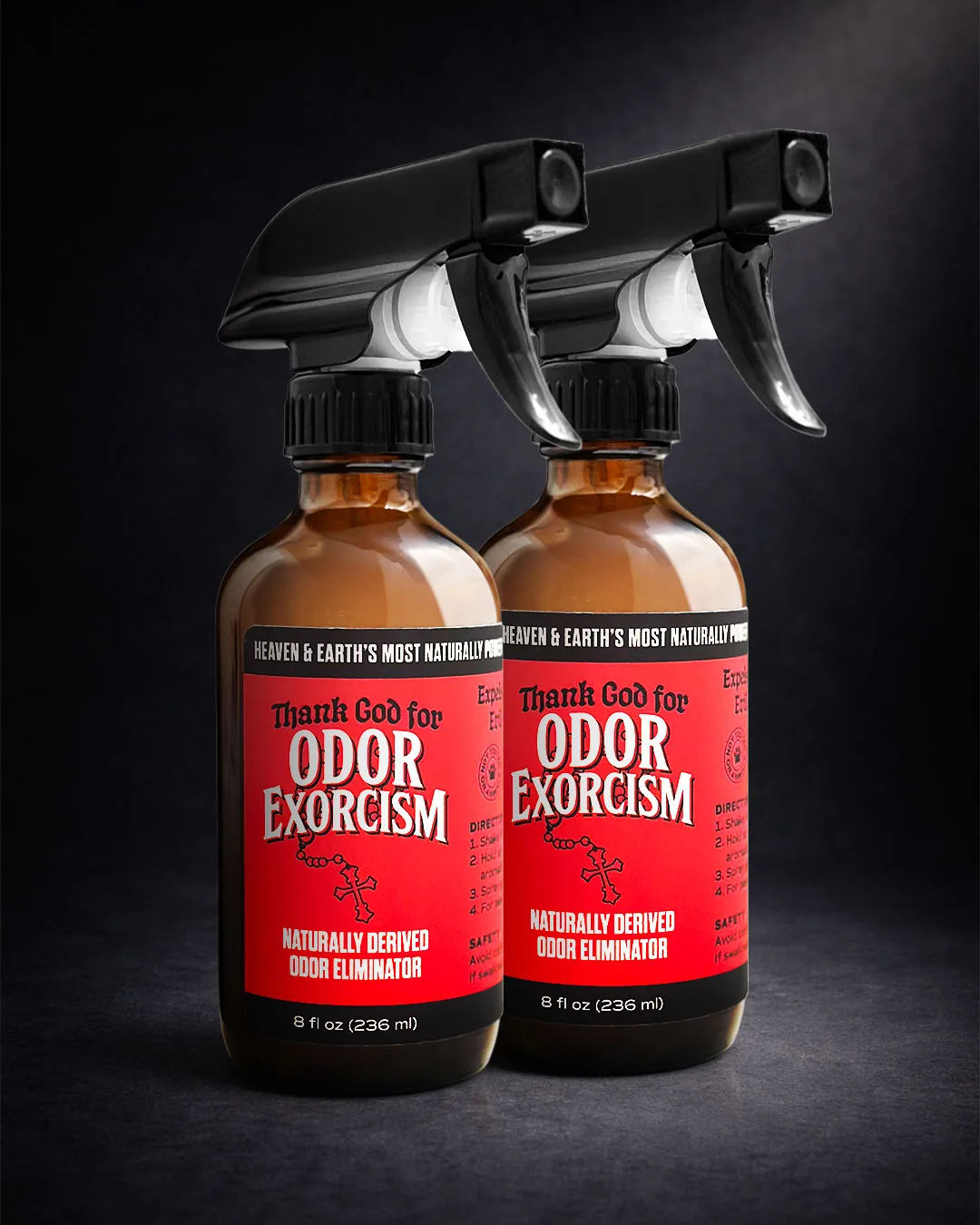
Odor Exorcism is built around this more useful idea of freshening: confront the odor instead of merely dumping a floral disguise over it. Still, no spray is a substitute for laundering washable textiles, emptying the garbage, cleaning pet areas, or addressing leaks and mold. Clean air starts with cleaning, not wishful misting.
Diffusers, candles, and small spaces need a lighter hand
Diffusers can turn an apartment into a spa, a forest, or an aggressively scented candle aisle. They can also make a tiny room feel like an aromatherapy ambush. Use the lowest effective amount, run them for limited periods, and give the room fresh air.
Avoid placing a diffuser right beside a bed, crib, pet enclosure, or work desk where someone cannot get away from the scent. Do not use essential oils in a humidifier unless the humidifier manufacturer explicitly allows it. Oils can damage certain machines and may be dispersed in a way the device was not designed to handle.
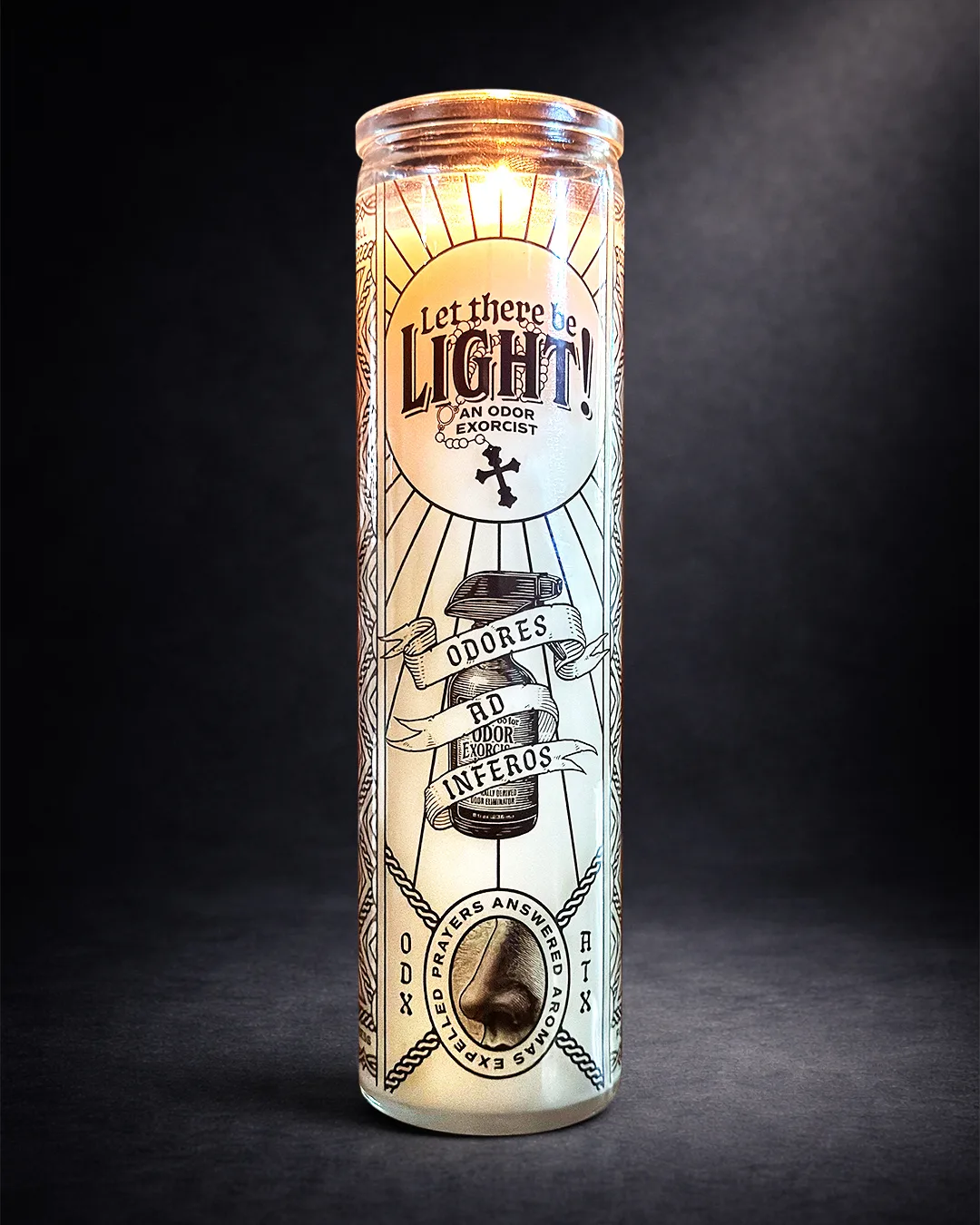
Candles deserve their own boring-but-critical sermon. Trim the wick, place the candle on a stable heat-resistant surface, keep it away from curtains and clutter, and never leave it burning unattended. A soy wax candle can smell heavenly. It can also start a very earthly fire if treated like decor instead of a flame.
Storage: keep the tiny bottles from causing big trouble
Essential oils and essential-oil products should be stored tightly closed, upright, and away from heat, direct sunlight, and open flames. Original containers are best because they are labeled and designed to protect the product. Do not transfer oils into drink bottles, unmarked jars, or anything that looks snack-adjacent.
If an oil or product gets into someone’s eyes, rinse with plenty of water and seek medical advice if irritation continues. If it is swallowed or a significant amount is spilled on skin, contact Poison Control or a healthcare professional promptly. Do not induce vomiting unless a medical professional tells you to do so.
Expired or poorly stored oils can oxidize, which may increase the chance of skin irritation or change the scent. If a product smells sharply off, looks strange, or has been sitting in a hot car since a previous geological era, replace it.
A cleaner-smelling home should still smell like a home
The best fragrance routine is not the loudest one. It is the one that makes your space feel comfortable without overwhelming the people who live there. Open a window when you can. Wash soft surfaces regularly. Deal with moisture fast. Use odor-eliminating products thoughtfully, not as camouflage for a problem growing teeth behind the washing machine.
Treat essential oils with respect, use finished products as directed, and let your nose be one tool among many. Fresh air does not need theatrics. But if a lingering shoe stench gets banished with a little theatrical flair, we fully support the ritual.