Best Low Fragrance Candles for a Calmer Home
Evangelize


October 7, 2026
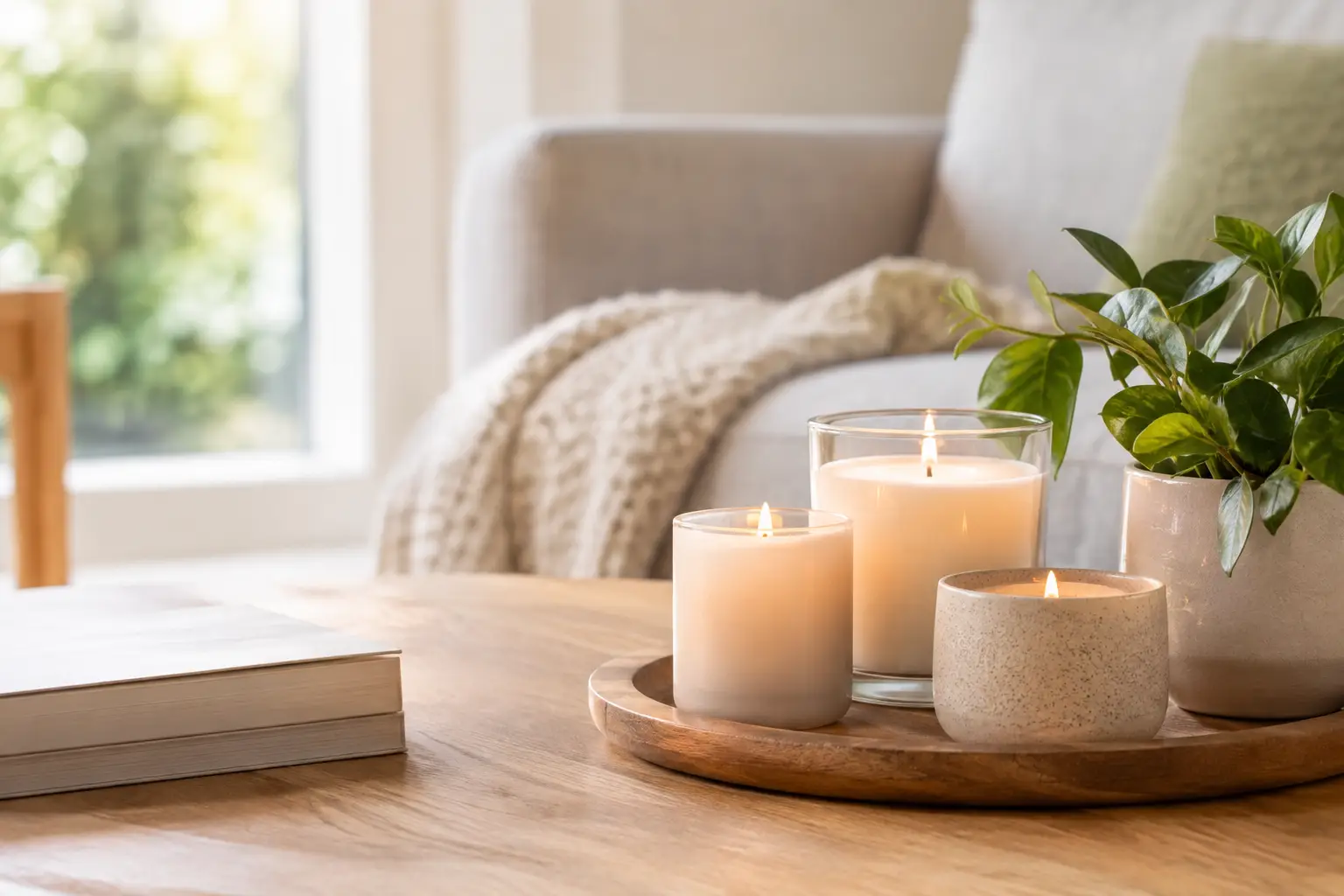
A candle should make a room feel a little more inviting, not fumigate it with perfume until your sinuses file a formal complaint. The best low fragrance candles bring a soft, close-to-the-flame scent that adds warmth without taking over the entire house. That makes them especially useful for people who get headaches from strong fragrance, live with pets or kids, or simply do not want their living room to smell like an aggressive department-store lobby.
Low fragrance does not mean boring. It means the candle knows its place. A good one creates atmosphere without trying to exorcise every molecule of air in a 2,000-square-foot home.
What Makes a Low Fragrance Candle Actually Good?
The word “low fragrance” is not a tightly regulated candle category, so labels can be a bit possessed. One brand’s “lightly scented” candle may be another brand’s vanilla bludgeon. Rather than trusting the front label alone, look at how a candle is built and how it behaves once lit.
A quality low-scent candle should smell subtle cold and stay moderate when burning. You may notice it when you enter a small room or sit near it, but it should not cling to the curtains, compete with dinner, or leave you smelling it in your hair the next morning. That is the sweet spot.
Wax matters, though it is not the whole story. Soy wax and beeswax candles are popular choices for shoppers seeking a cleaner-feeling burn. Soy tends to burn slowly and can carry scent gently, while beeswax often has a naturally mild honey-like aroma of its own. Coconut wax blends can also perform beautifully, especially when they use a restrained amount of fragrance.
The ingredient list deserves a little interrogation, too. Candles often use either fragrance oils, essential oils, or a blend of both. “Natural” is not an automatic free pass. Essential oils are potent aromatic compounds, and some people are sensitive to them. If migraines, asthma, allergies, or scent sensitivity are part of your household’s haunting, the gentlest choice may be an unscented candle or a candle tested cautiously in a well-ventilated room.
The Best Low Fragrance Candles by Room
The best candle depends on the room, because a tiny bathroom and an open-concept living area are very different beasts. A soft botanical scent that feels charming beside the bathtub can disappear completely in a big kitchen.
For bedrooms: soft, quiet scents
Bedrooms usually call for the least fragrance. Look for gentle notes such as lavender, chamomile, linen, light cedar, subtle vanilla, or barely-there citrus. The goal is a calmer atmosphere before bed, not a scented fog machine conducting a midnight ritual.
Keep the burn time short, especially in a small bedroom. Thirty to sixty minutes is often plenty. Extinguish the candle before you get drowsy, and never leave an open flame burning while you sleep. The demons can wait until morning.
For bathrooms: clean, not chemical
Bathrooms can handle a little more scent, but sharp “ocean breeze” and ultra-sweet fruit blends can go from fresh to fake fast. Mild eucalyptus, mint, citrus peel, tea, or herbal notes tend to feel cleaner and less syrupy.
A low fragrance candle will not solve the source of a lingering bathroom odor, though. Ventilate, clean drains and fabrics, and address mildew or plumbing issues when needed. A candle is ambiance, not a tiny wax priest assigned to banish a sewer problem.
For living rooms: warm and understated
In shared spaces, choose scents that do not force themselves on everyone in the room. Light woods, soft amber, gentle spice, tea, fig, and mild floral blends are generally more crowd-friendly than high-sugar bakery scents or heavy perfume accords.
This is also where a larger candle can make sense. More wax does not have to mean more fragrance. It can simply mean a longer, steadier burn in a room with more airflow.
For kitchens and dining areas: keep it nearly scent-free
Food is already doing the aromatic heavy lifting. Strong candles around meals can make coffee taste strange, turn pasta night into an accidental perfume pairing, and irritate scent-sensitive guests.
An unscented taper or a very lightly scented citrus, herb, or beeswax candle is usually the better move. If the kitchen smells funky after cooking, deal with the odor at its source first. Open a window, run the hood, clean the trash can, and neutralize fabric odors instead of trying to cover garlic ghosts with cinnamon frosting.
How to Avoid the Fragrance Overload
A lower fragrance load helps, but the way you burn a candle matters just as much. Even a gentle candle can become overwhelming when it is burned for hours in a closed room.
Start with one candle, not a full coven. Let it burn for 30 minutes and check in with your space. Can you smell it only when you are near it? Great. Does it feel like the scent has climbed into your eyeballs? Snuff it out and try a shorter burn next time.
Trim the wick to about one-quarter inch before lighting. A trimmed wick helps reduce excess soot, creates a steadier flame, and prevents the candle from burning too hot. On the first burn, allow enough time for the wax pool to reach close to the edge of the container, usually one to three hours depending on the candle size. This can help prevent tunneling, where the candle burns straight down the center like it is digging its own grave.
Do not burn any candle for longer than the manufacturer recommends. Four hours is a common maximum, but the label gets the final word. Keep candles away from drafts, curious pets, drapes, clutter, and the kind of countertops where someone will inevitably bump them with a sleeve.
Low Fragrance vs. Fragrance-Free: Know the Difference
These terms are cousins, not twins. A low fragrance candle contains scent but uses it with restraint. A fragrance-free or unscented candle should not have added fragrance, though some waxes and natural materials may still carry a faint inherent smell.
If you are highly fragrance-sensitive, fragrance-free is typically the safer starting point. This is also worth considering for nurseries, medical recovery periods, and homes where someone reacts strongly to airborne scent. Still, “unscented” does not mean you can ignore candle safety. Any burning candle releases combustion byproducts, so ventilation and sensible burn habits matter.
For everyone else, a low fragrance candle can be the happy middle ground. You get the ritual, the glow, and a gentle scent cue without turning your home into a synthetic-fragrance séance.
Red Flags on the Candle Shelf
Be skeptical of candles that promise “maximum throw,” “fills the whole house,” or an enormous list of competing scent notes. Those claims are not evil by default, but they are the opposite of what most low-fragrance shoppers are after.
Also be wary of vague ingredient language if transparency matters to you. A brand does not need to publish a sacred scroll of proprietary formulas, but it should be willing to explain its wax type, wick material, fragrance approach, and basic safety guidance. Clear answers are a good sign. Foggy marketing is not.
Packaging can offer clues as well. A candle with a realistic burn-time estimate, warning label, and care instructions is more likely to have been designed with actual use in mind. A decorative jar with no details may still be lovely, but lovely does not always mean well made.
A Better Way to Make a Home Smell Clean
Candles are for mood. They are not odor eliminators. If your couch, dog bed, shoes, trash can, or bedroom linens have trapped odors, adding fragrance on top can create a very strange supernatural fusion: lavender mixed with old sneakers, for example. No one requested that summoning.
Handle the odor first, then light a candle if you want a finishing touch. Odor Exorcism approaches the problem from that angle: neutralize the stink at the source, then let your space smell like itself again. Once the air is not battling mystery funk, a softly scented soy candle feels intentional instead of defensive.
The right low fragrance candle should make your home feel more like home, not like a place trying very hard to hide evidence. Choose a scent you can enjoy up close, burn it with a little common sense, and let the flame do what it does best: make an ordinary evening feel less ordinary.