Best Fabric Fresheners for Closets That Work
Evangelize



November 8, 2026
That closet smell is not “vintage.” It is a tiny haunting caused by trapped humidity, forgotten shoes, worn sweaters, and the fact that closets have roughly the ventilation of a crypt. The best fabric fresheners for closets do more than blast your cardigans with perfume. They help neutralize the odor living in the fibers, while keeping your clothes, linens, and personal airspace from smelling like a candle aisle ambush.
A good closet freshener is not necessarily the loudest one. In fact, the aggressively scented options are often the ones trying hardest to distract you from the actual problem. Here is how to choose a fabric-friendly solution, use it without overdoing it, and evict the musty demons for good.
What Makes the Best Fabric Fresheners for Closets?
Closets are different from living rooms. They are enclosed, usually dark, and packed with textiles that absorb odor like unpaid interns absorb office gossip. A freshener that works in an open room can become overwhelming in a closet, especially if it relies on heavy synthetic fragrance.
The best choice depends on what is causing the smell. If your closet mostly needs a little seasonal lift, a subtle scent product may be enough. If clothes smell stale, shoes are contributing their own underworld soundtrack, or damp towels were tossed into a hamper nearby, you need odor neutralization – not perfume camouflage.
Look for a fabric freshener that is clear about its ingredients and intended surfaces. Clothes, upholstery, bedding, and closet textiles deserve a formula that is designed to be sprayed lightly and allowed to dry. Avoid soaking delicate materials or spraying anything without checking the care label first. Silk, leather, suede, and vintage garments can be temperamental little divas.
Odor neutralization beats scent masking
There is a huge difference between making a closet smell like artificial lavender and reducing the odor that made you reach for lavender in the first place. Fragrance-only products may temporarily cover mustiness, but the mix of perfume, moisture, and old fabric odor can turn into something far worse. Think floral swamp. No one needs that curse.
An odor eliminator formulated to neutralize bad smells on contact is usually the better first move for worn garments, closet upholstery, fabric storage bins, and the general stale-fabric situation. Once the source is under control, a gentler scent product can add atmosphere if you want it.
A lighter scent belongs in a small space
In a closet, more is not more. Strong fragrances have nowhere to go, which means they cling to every shirt and scarf until your entire wardrobe smells like it joined a perfume cult.
Choose fresheners with a clean, restrained scent profile, or a naturally derived formula that does not leave a heavy fragrance cloud behind. Ingredient-conscious households should be especially wary of vague “fragrance” labeling if they are trying to avoid synthetic fragrance-heavy products. Your closet should smell clean, not chemically defeated.
The Closet Freshener Types Worth Considering
There is no single magic object that can fix mildew, sweat odor, pet smells, and poor airflow at once. Different tools handle different levels of possession.
Fabric odor-eliminating sprays
For clothes that have been worn once, blankets stored between seasons, fabric drawers, and upholstered closet benches, a targeted spray is the most flexible option. Mist from a sensible distance, never drench, and let everything dry fully before closing the door. The point is to refresh fabric, not create a humid little odor incubator.
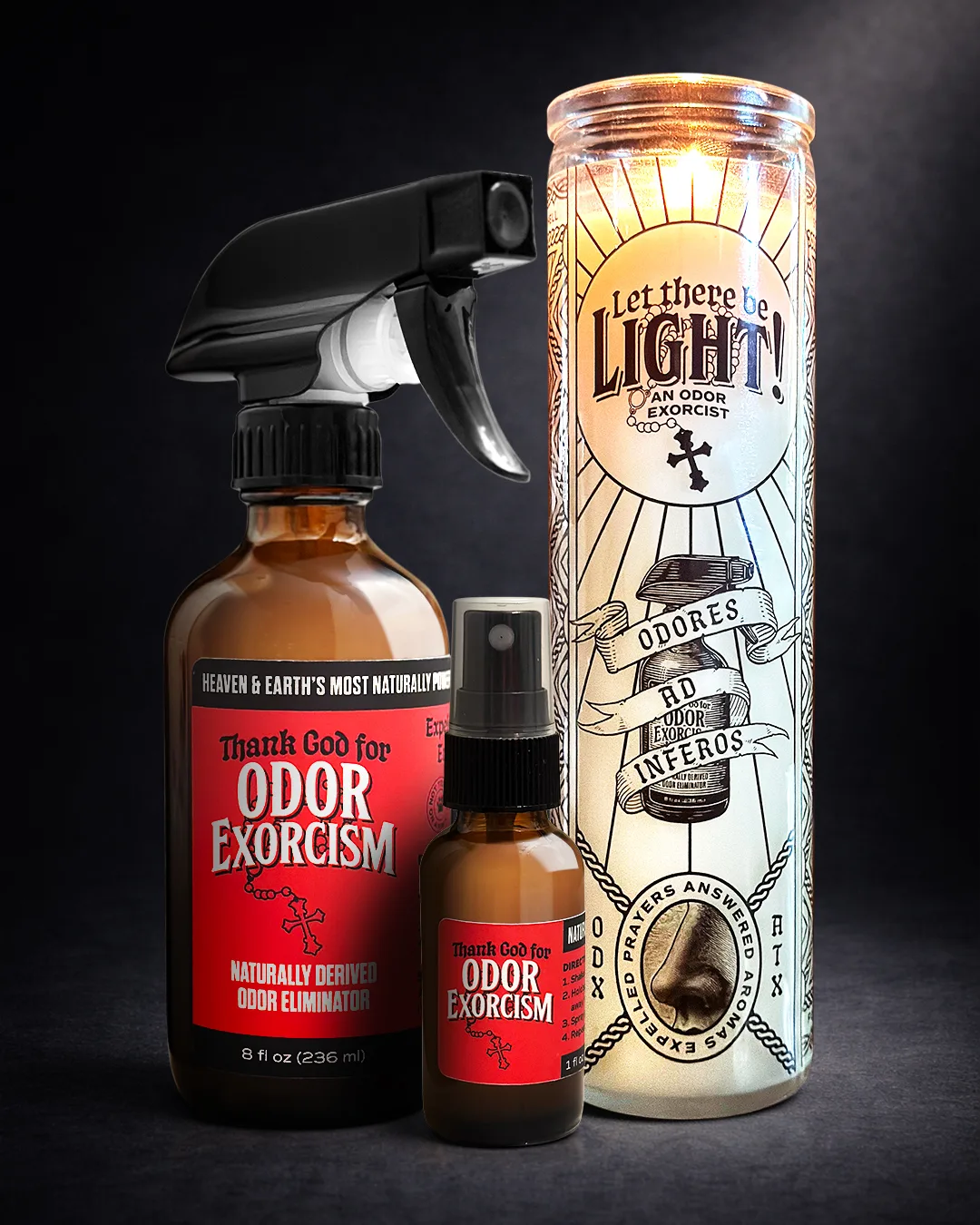
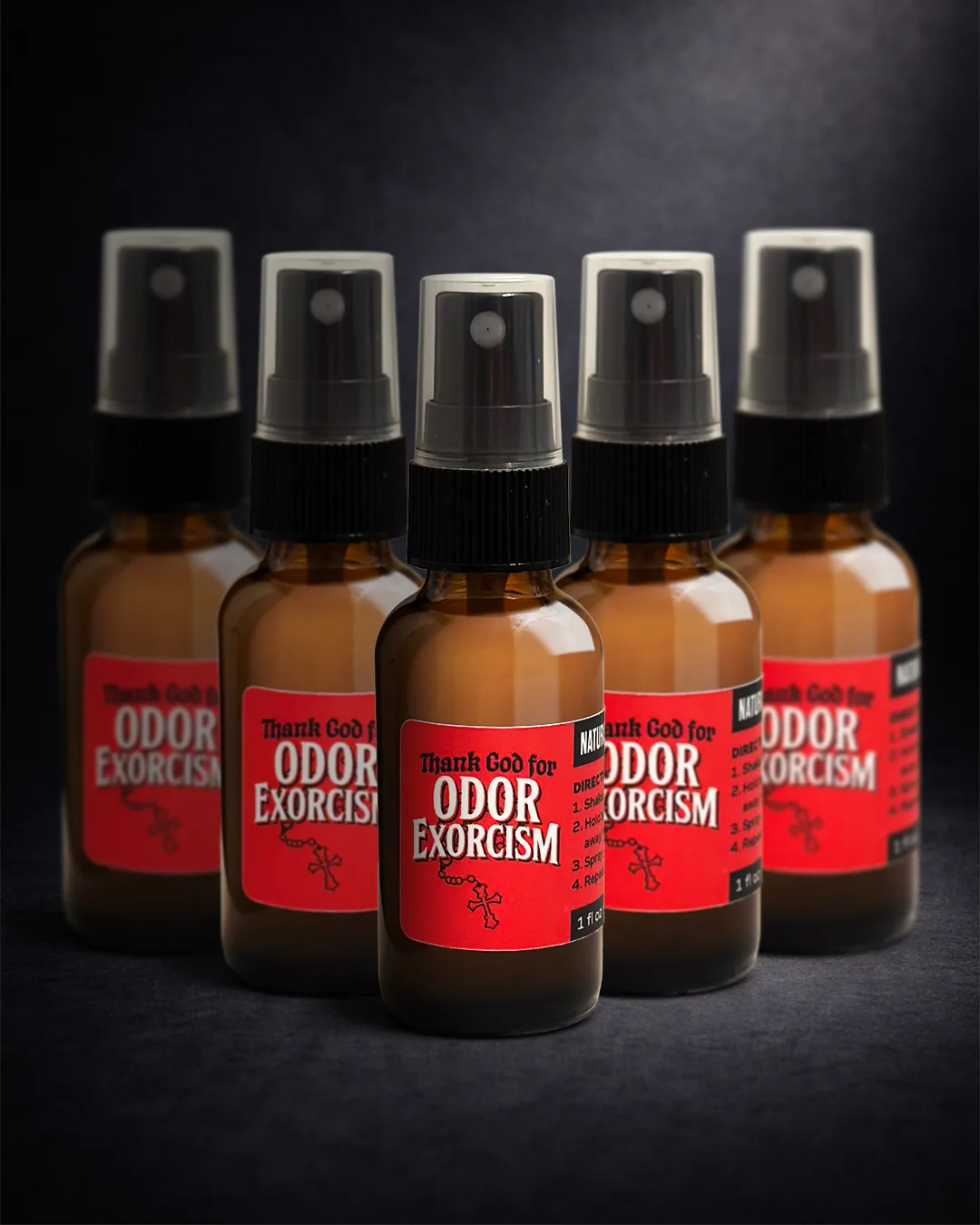
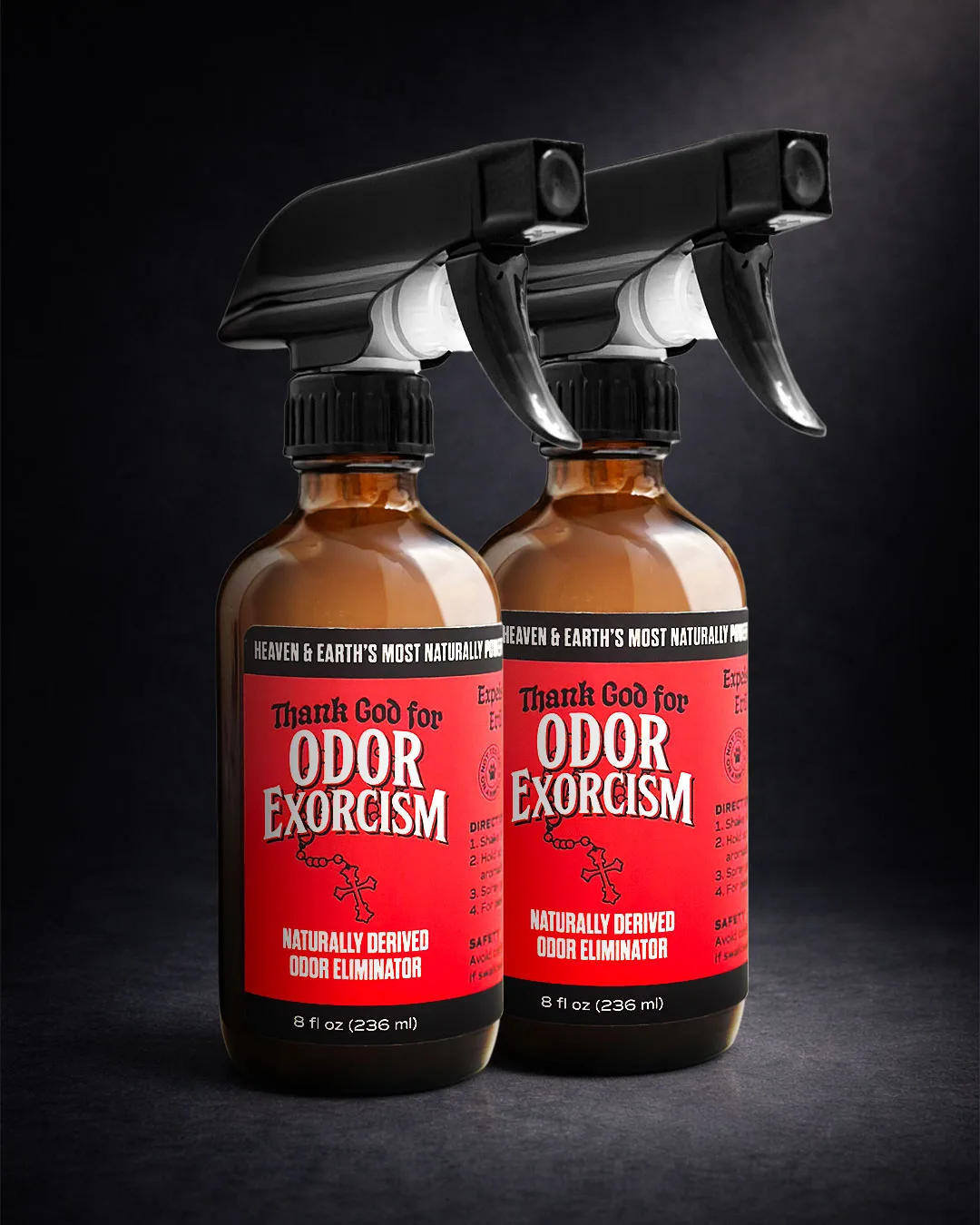
A naturally derived, essential-oil-based odor eliminator spray can be a strong fit for households that want cleaner ingredients without surrendering effectiveness. Odor Exorcism is designed for soft household surfaces including clothing, bedding, carpets, and upholstery, making it useful when your closet problem has spread beyond one suspicious sweater.
Sprays also let you treat the actual offenders. That is much smarter than hanging a scented sachet and hoping it can overpower a pair of gym shoes that have clearly seen things.
Sachets, cedar, and scented hangers
Sachets and cedar blocks are best for ongoing, low-level freshness. They are not odor removal powerhouses, but they can help keep clean, dry closets pleasant between deeper refreshes. Cedar also has a classic, woody character that many people prefer to sweet or floral scents.
The trade-off is that sachets fade and cedar needs occasional refreshing. They also do very little for fabric that already smells musty. Treat them as maintenance, not emergency response.
Activated charcoal and moisture absorbers
If the closet smells damp, this is where the plot thickens. Charcoal odor absorbers and moisture-control products can help reduce the conditions odors love, especially in basements, older apartments, humid climates, or closets on an exterior wall.
These are excellent supporting players, but they are not a substitute for finding a leak, drying wet textiles, or dealing with visible mold. If you see mold or repeatedly smell a sharp mildew odor, stop trying to fragrance your way out of it. Investigate the moisture source and address it properly.
Candles and room scent products
A candle can make the bedroom feel inviting, but it is not a closet treatment. Keep flames far from clothing, shelves, and enclosed storage spaces. If you enjoy a scented candle, use it in a supervised open room after you have handled the closet odor itself. Fire safety is not optional, even when the demons are annoying.
How to Freshen a Closet Without Making It Worse
Start by removing the obvious odor reservoirs. Laundry that was worn but not washed, damp towels, dirty shoes, pet bedding, and cardboard boxes can all make a clean closet smell cursed. Wash or air out washable fabrics, and move shoes into a breathable organizer or another area when possible.
Next, empty enough of the closet to inspect corners, the floor, and the wall behind hanging clothes. Dust, lint, and hidden spills contribute more than people realize. Vacuum the floor, wipe hard surfaces with a suitable cleaner, and leave the door open so the space can air out.
Once the closet is dry, lightly mist washable fabric items that need refreshing. Focus on the outer layers of hanging clothes, fabric bins, blankets, and any upholstered pieces. Test an inconspicuous spot first, particularly on dark dyes or delicate textiles. Let fabrics dry completely before putting them back into a tightly packed closet.
Then add maintenance support. A cedar block, charcoal pouch, or mild sachet works well once the closet is already clean. Leave some breathing room between garments, too. Packing clothes shoulder-to-shoulder creates a stagnant fabric wall where odors can settle in and start paying rent.
Common Closet Odor Mistakes
The first mistake is spraying everything repeatedly without removing the source. If a dirty hamper lives in the closet, clean the hamper and change the laundry routine. If shoes are the issue, treat and air out the shoes. If moisture is involved, solve the moisture. A freshener is a useful tool, not a tiny scented priest with unlimited powers.
The second mistake is using too much product. A few light sprays are usually more effective than saturating fabric. Overspraying can leave clothes damp, intensify fragrance, and create the exact closed-in environment you were trying to escape.
The third is freshening clothes that should be laundered. A fabric spray is ideal for between-wash refreshes, seasonal storage, and lingering ambient odors. It is not a replacement for washing a shirt that survived a crowded restaurant, a sweaty commute, and a full day of existing.
When a Closet Smell Signals a Bigger Problem
Musty odor that returns quickly after cleaning often points to humidity, a hidden water issue, or insufficient airflow. Check for condensation, damp carpeting, plumbing nearby, roof leaks, or clothes being stored before they are fully dry. In rentals, document recurring moisture issues and notify property management rather than accepting a permanent mildew fragrance as part of the lease.
For everyday stale fabric odors, a measured spray routine and better closet habits can make an immediate difference. For persistent dampness, the real victory is drying out the space. Freshness works best when the home is not secretly feeding the beast.
Your clothes should smell like you chose them, not like the enclosed space where they have been waiting. Clean the source, use a fabric-safe odor eliminator with a light hand, and let your closet return to its proper role: holding outfits, not summoning funk.