How to Remove Smoke Odor Indoors for Good
Evangelize


November 14, 2026
That stale, ashy smell clinging to the curtains is not being dramatic. Smoke particles are tiny, oily little goblins that settle into fabric, dust, walls, and ventilation systems. To remove smoke odor indoors, you have to evict the residue causing it, not just blast the room with a perfume cloud and call it holy.
Whether the culprit is cigarette smoke, a fireplace mishap, burned dinner, wildfire haze, or a previous tenant with questionable hobbies, the fix follows the same basic rule: clean what smoke touched, refresh what can hold odor, and keep fresh air moving while the exorcism is underway.
Start by Stopping the Smoke Source
Before you scrub a single surface, make sure the source is gone. Put out fireplace embers correctly, remove ash, toss heavily charred food, and move smoking outdoors if that is an option. If you smell burning plastic, electrical smoke, or an unexplained smoky odor that keeps returning, do not treat it like a cleaning project. Leave the area if needed and contact the appropriate emergency or maintenance professional.
For cigarette or cigar smoke, the challenge is usually old residue rather than an active event. That residue, often called thirdhand smoke, hangs around on walls, flooring, furniture, blinds, and electronics. A single air freshener cannot defeat an army embedded in the sofa.
Open windows on opposite sides of the space if outdoor air quality allows. Run exhaust fans in kitchens and bathrooms, and use portable fans to push indoor air toward an open window. If wildfire smoke is outside, keep windows closed instead and rely on a properly maintained HVAC system or air purifier with appropriate filtration.
Remove Smoke Odor Indoors by Cleaning the Residue
Smoke odor is stubborn because smoke does not politely remain in the air. It sticks to oils, dust, and porous materials. Start at the top of the room and work downward so you are not sprinkling wall dust all over a freshly cleaned rug.
Wash hard surfaces, including the walls
Wipe ceilings, walls, doors, trim, window frames, cabinets, and baseboards with a suitable household cleaner. In a heavily smoke-affected room, especially after a fire or years of indoor smoking, use a degreasing cleaner made for the surface and follow its instructions. Test any cleaner in an inconspicuous spot first, because paint finishes and wood treatments can be temperamental little beasts.
Do not forget the surfaces that rarely make the cleaning highlight reel: light switches, vents, ceiling fan blades, blinds, lampshades, picture frames, and the tops of cabinets. Smoke loves a neglected ledge.
Clean glass and mirrors too. A hazy film is often a sign that smoke residue is still present. If walls remain stained or smelly after thorough cleaning, odor-blocking primer and repainting may be the realistic next step. That is not failure. That is recognizing when the demon has moved into the drywall.
Vacuum slowly, then treat soft surfaces
Carpet, rugs, upholstered furniture, mattresses, pet beds, and drapes are prime smoke-odor real estate. Vacuum carpets and upholstery slowly with a machine that has a clean filter, ideally a sealed system with HEPA filtration. Quick laps over the carpet are cardio, not odor removal.
Then address the fabric itself. Wash machine-safe blankets, pillow covers, clothing, curtains, and removable cushion covers according to their care labels. For items that cannot be washed, use a fabric-safe odor neutralizer or arrange professional cleaning when the odor is intense.
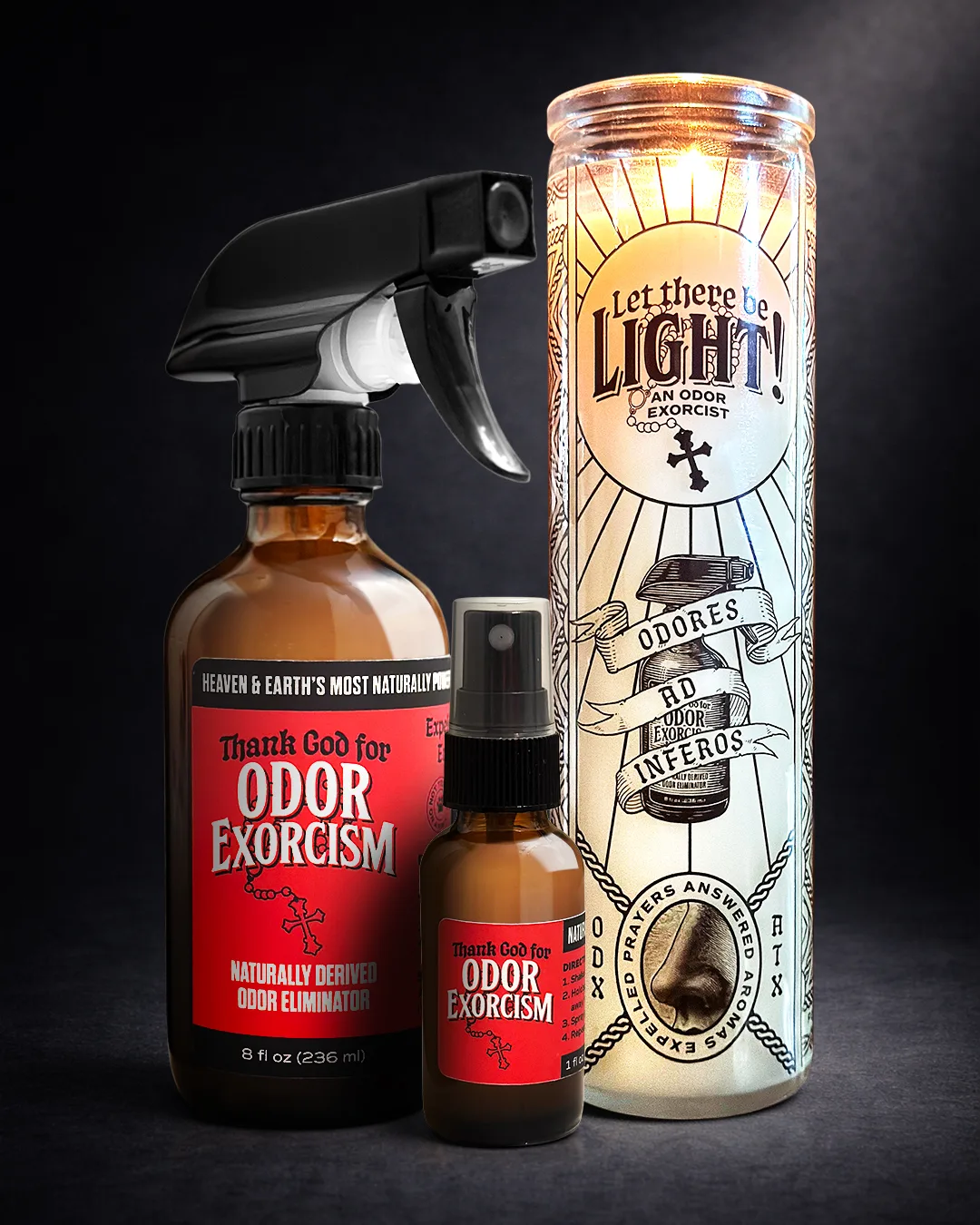
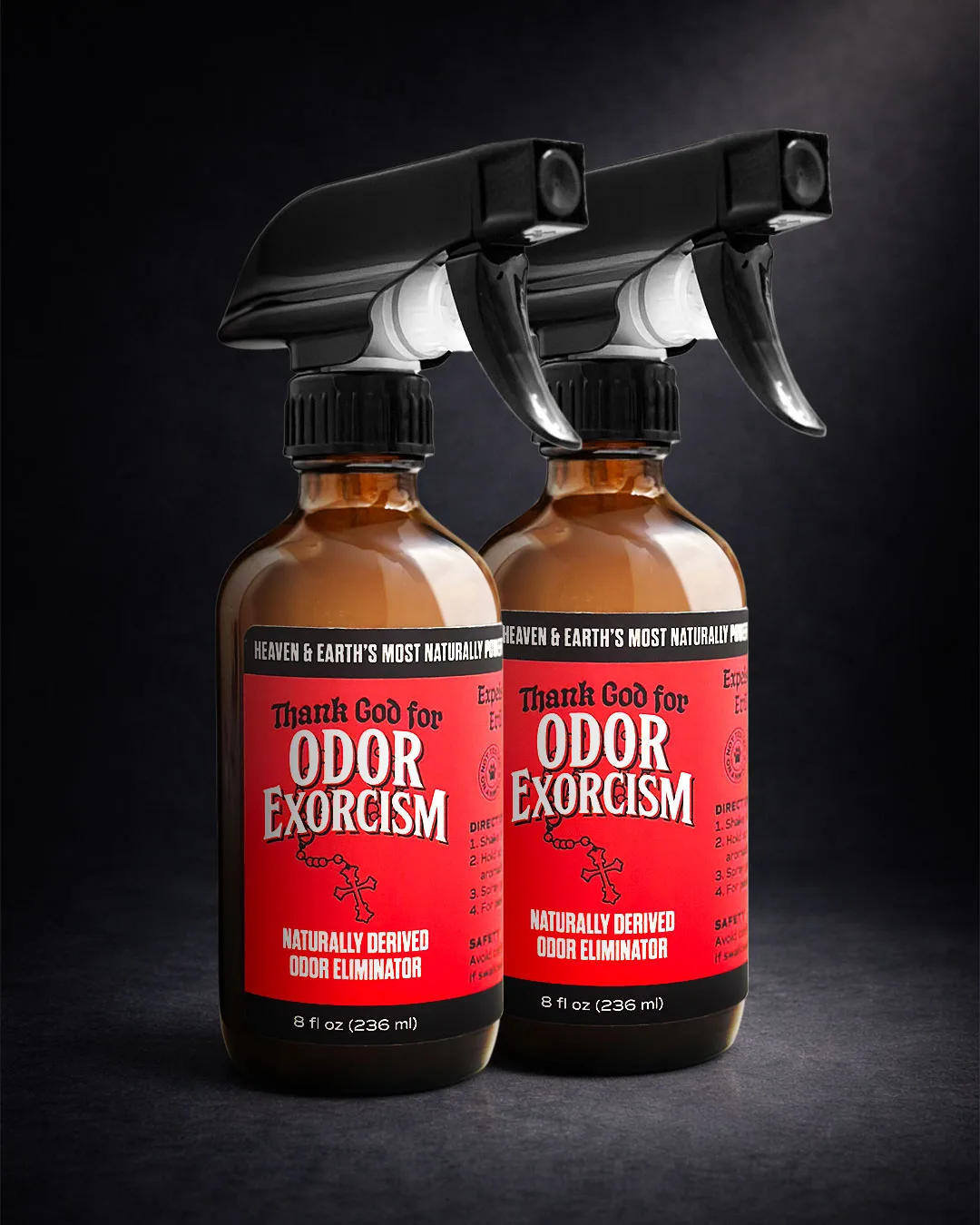
A naturally derived odor-eliminating spray can be useful for upholstery, bedding, rugs, shoes, and other washable or non-washable fabrics when used as directed. Odor Exorcism is designed to neutralize everyday funk on contact rather than bury it beneath a synthetic-fragrance fog bank. Still, spray is not a substitute for laundering nicotine-stained drapes or extracting smoke from a carpet that has absorbed years of it.
Deal with floors the right way
Hard flooring needs a proper clean, including edges and corners where dust gathers. Use a floor cleaner appropriate for hardwood, laminate, tile, or vinyl. Avoid soaking wood floors, and do not mix cleaning products in a chemistry experiment worthy of a cursed basement.
For carpet, a deep clean can make a major difference. Renting an extractor or hiring a carpet cleaner is often worth it after a significant smoke event. If the backing, padding, or subfloor has absorbed heavy smoke for a long time, cleaning the top fibers alone may not solve the issue. In severe cases, replacement is the unpleasant but honest answer.
Do Not Ignore the Air System
If you clean the room but the smoky smell returns when the heat or air conditioning kicks on, inspect the HVAC system. Replace the filter with the correct size and rating recommended for your unit. A filthy filter can recirculate dust and odor instead of helping you breathe easier.
Clean accessible vent covers and vacuum nearby dust. For light, temporary odors, that plus a new filter may be enough. For persistent smoke contamination, visible soot, or odor throughout multiple rooms, bring in a reputable HVAC professional. Duct cleaning is not automatically necessary for every burned-toast incident, but it can be reasonable after serious smoke exposure or long-term indoor smoking.
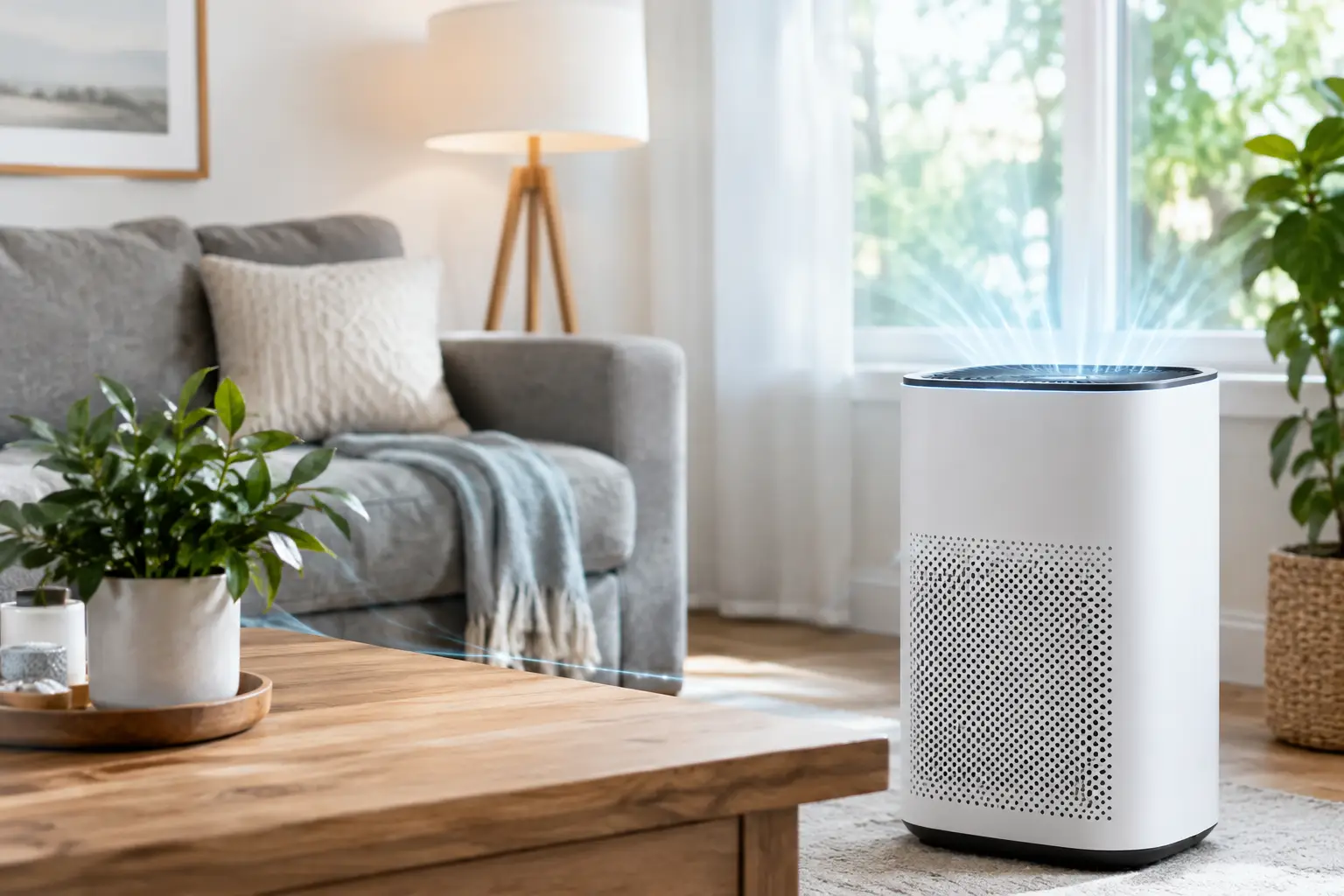
Portable air purifiers can help reduce airborne particles while you clean. Look for a unit sized for the room, and remember that filters need replacing. An air purifier is a support act, not the headliner. It cannot wash the nicotine film off your walls.
What Not to Do When Smoke Has Moved In
The wrong shortcut can turn a bad smell into an even stranger one. Avoid lighting candles or burning incense while you are trying to clear smoke odor. Adding more combustion to a smoke problem is a plot twist nobody requested.
Skip heavy fragrance sprays that promise a tropical breeze, vanilla bakery, or suspiciously aggressive linen scent. They may make the room smell like cigarettes vacationing at a resort, but they do not remove the residue. If a product leaves you with a headache, watery eyes, or a fragrance that lingers longer than your houseguest, it is not helping your space feel clean.
Ozone machines deserve caution, too. They are sometimes marketed as odor assassins, but ozone can irritate lungs and can damage certain materials. They should not be used around people, pets, or plants, and they are not a casual DIY fix for an apartment or family home. For serious fire-related contamination, consult restoration professionals who can assess the damage safely.
When the Odor Is Bigger Than a Weekend Project
A faint cooking-smoke smell on a sweater is one thing. A home affected by a fire, chronic cigarette smoke, or smoke infiltration after a wildfire can require specialized restoration. Call a qualified professional when soot is visible, walls are yellowed, odors persist after repeated cleaning, or anyone in the household has respiratory sensitivities that make the air feel unsafe.
Renters should document conditions before cleaning or replacing anything expensive. Take photos, communicate in writing with the landlord or property manager, and ask who is responsible for remediation. Do not quietly spend a fortune fixing smoke damage that was present before you moved in.
Keep the Stink From Rising Again
Once the room smells normal again, make it harder for smoke to stage a comeback. Wash throws and pet bedding regularly, vacuum upholstered pieces, clean kitchen grease before it becomes a scent sponge, and replace HVAC filters on schedule. If you use a fireplace, remove cooled ash promptly and make sure the damper and chimney are functioning correctly.
For everyday odor maintenance, treat fabrics and frequently touched surfaces before funk gets comfortable. Fresh air, routine cleaning, and a true odor neutralizer are a far more convincing trio than attempting to perfume your way out of a problem.
Smoke odor can feel permanent when it has settled into every cozy thing you own. Usually, it is just persistent residue asking for a more serious response. Clean in layers, give fabrics the attention they deserve, and let your home smell like your life again – not like a haunted casino smoking section.