Natural Cleaning Trends That Actually Make Sense
Evangelize


November 6, 2026
The old air-freshener routine is getting a long-overdue exorcism. You know the one: something smells suspicious, so you blast the room with a chemical floral fog strong enough to make the demon smell like a garden party. It may cover the crime scene for a minute, but it does not necessarily deal with the odor itself.
That is why natural cleaning trends have shifted from looking for products with leafy labels to asking better questions: What is actually in this bottle? Does it clean or just perfume? Will it work on the dog bed, the gym shoes, and the sofa where someone spilled mystery soup three weeks ago?
The answer is not that every conventional cleaner is evil or that every natural product is holy water in a spray bottle. The real trend is more practical than that. People want effective cleaning and odor control with fewer harsh ingredients, less synthetic fragrance, and a little more honesty.
Natural Cleaning Trends Are Getting More Specific
A few years ago, “natural” was often used as a vague vibe. A green label, a citrus graphic, a whisper of eucalyptus, and suddenly a product appeared to have descended from the mountain carrying stone tablets of purity. Consumers have gotten wiser.
Now, people are reading labels, looking past vague marketing, and paying attention to how products perform in actual homes. They want to know whether a cleaning spray leaves residue on a kitchen counter, whether a fabric refresher is safe to use around family spaces, and whether a fragrance is going to linger like an unwanted ghost.
This is especially true for people who live close to their smells: apartment dwellers, pet owners, parents, dorm residents, and anyone who has ever removed a shoe in a small room and immediately regretted every decision that led there. Cleaner ingredient standards matter, but performance still rules. If a product cannot handle the odor haunting the upholstery, it is just an expensive bottle of optimism.
The label is no longer the finish line
Ingredient-aware shoppers are increasingly skeptical of blanket claims like “clean,” “green,” and “non-toxic” when they are not backed by useful detail. Natural ingredients can be a meaningful starting point, but the better question is how a product is formulated and used.
For example, essential oils can provide a pleasant scent, but scent alone is not odor elimination. Baking soda can help absorb certain odors, yet it is not a universal cleaning solution. Vinegar can be useful in some places and a terrible choice on natural stone. The natural cleaning movement is growing up, which means fewer miracle claims and more situational thinking.
Odor Elimination Is Replacing Odor Masking
One of the most useful shifts in home care is the move away from fragrance overload. For decades, plenty of air-care products treated odor as a branding problem: if the room smells like tropical rain, surely nobody will notice the litter box, damp towel, or last night’s fish tacos.
Unfortunately, noses are not that easy to fool. Heavy fragrance can mingle with the original odor and create something even more cursed. Lavender mixed with stale sneakers is not serenity. It is a séance.
Consumers are now looking for products that address odor at the source instead of simply piling perfume on top. That means cleaning the residue, moisture, bacteria, or trapped particles contributing to the smell when appropriate. It also means choosing odor eliminators designed to neutralize unpleasant smells on surfaces and fabrics, not just launch a scented counterattack into the air.
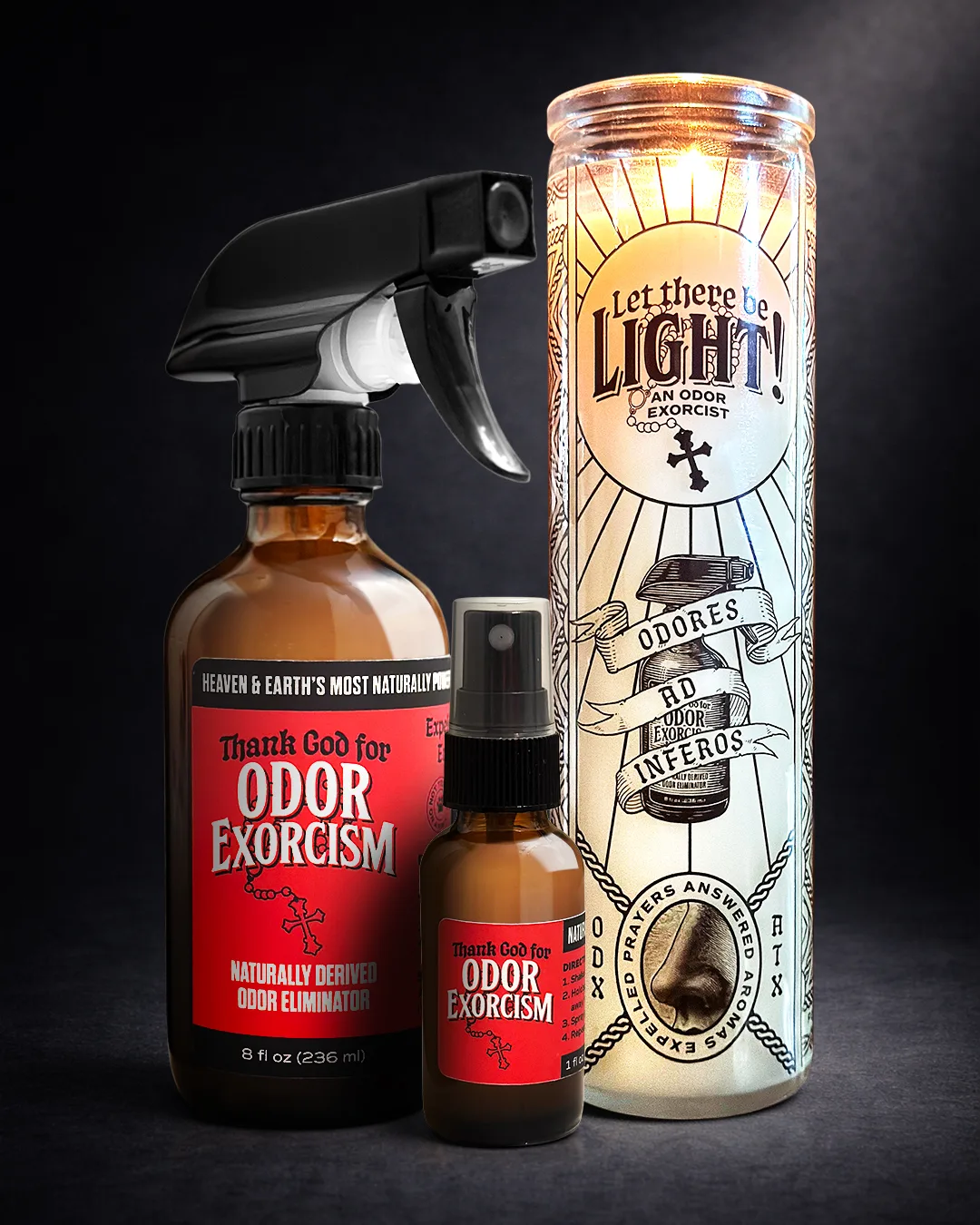
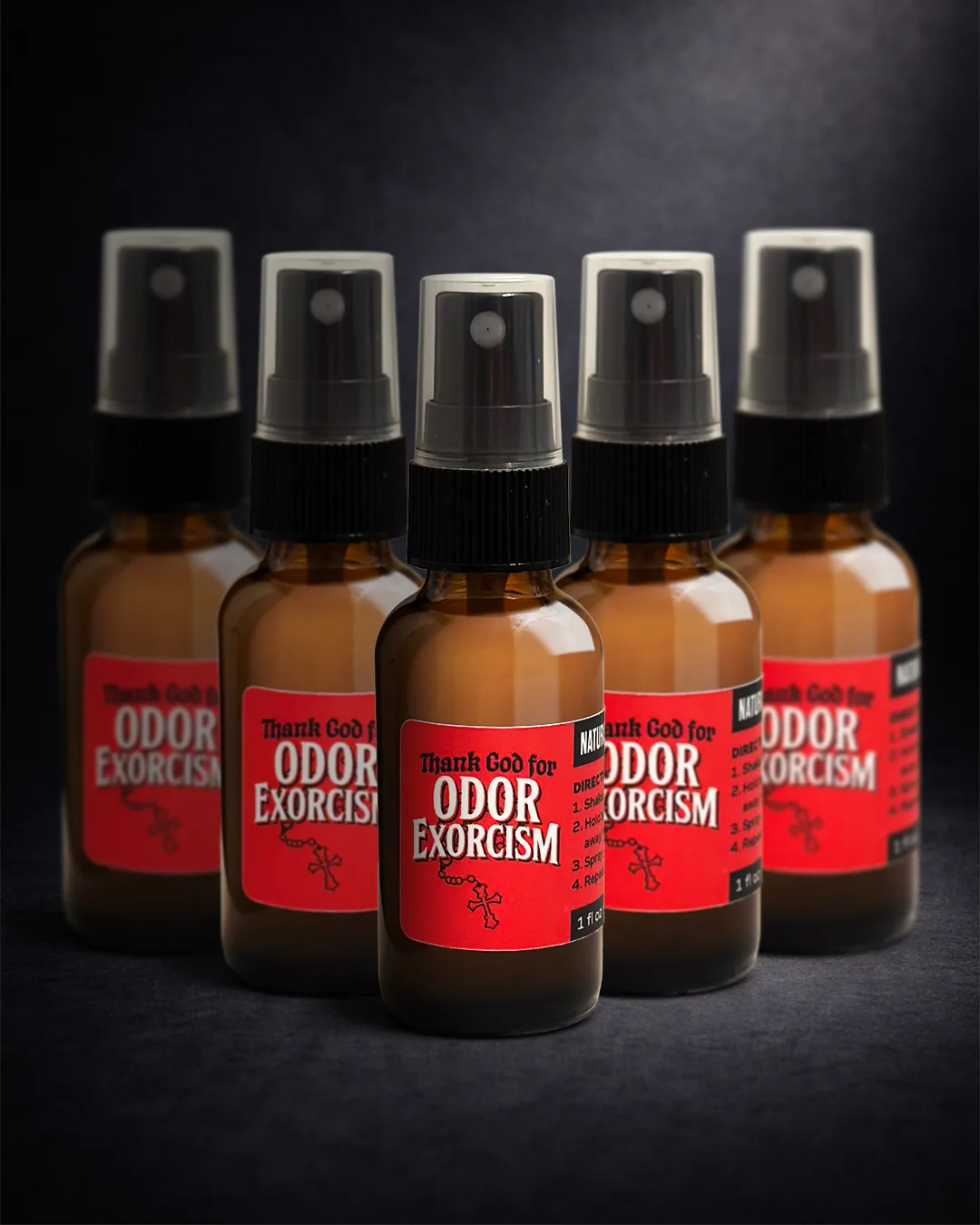
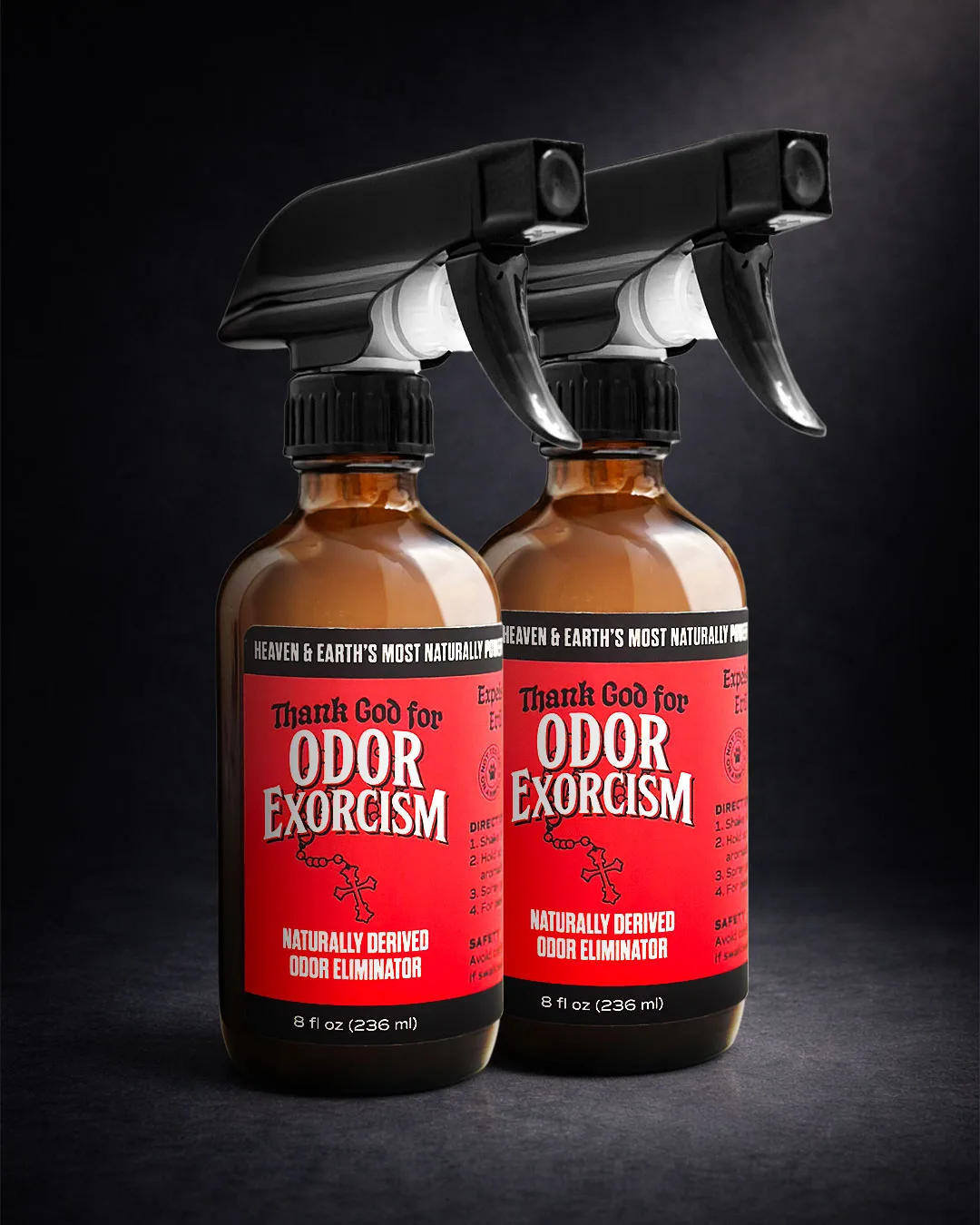
Odor Exorcism fits squarely into this trend: a naturally derived, essential-oil-based spray made to neutralize odors on soft and hard surfaces without turning the house into a synthetic fragrance haunted house.
Why surfaces matter more than room spray
Most persistent odors do not live in the air forever. They settle into bedding, carpets, upholstery, clothing, shoes, pet beds, trash cans, plastic containers, and the mysterious back seat of the car. A room spray may give the air a temporary costume change, but it cannot always reach the material holding onto the stink.
This is why targeted treatment is gaining ground. Spray the couch after the wet-dog visitor leaves. Freshen the mattress between sheet changes. Deal with the gym bag before it becomes a biohazard. Treating the source is less glamorous than fogging the room with fake linen scent, but it works better.
Fewer Products, Better Jobs
Another big natural cleaning trend is product consolidation. Nobody wants a cabinet crammed with twelve half-used bottles, each promising to solve one oddly specific problem. The average home does not need a separate scented potion for every square foot of existence.
People are seeking versatile products that can pull their weight across multiple spaces. A quality odor eliminator that works on bedding, upholstery, carpets, clothing, wood, plastic, and shoes can simplify the cleaning lineup. That is good for storage, budgets, and the general mental health of anyone who has tried to find the right bottle beneath the sink.
Still, “multi-use” should not mean “use it on everything with reckless abandon.” Always follow product directions and test an inconspicuous area first, especially on delicate fabrics, finished wood, leather, or specialty surfaces. Natural does not mean consequence-free. Lemon juice is natural too, and it can make a mess of certain materials with the confidence of a tiny yellow vandal.
Fragrance Is Becoming More Intentional
People have not stopped wanting their homes to smell good. They have simply become less interested in being body-slammed by a fragrance before they reach the front door. The preference now is for lighter, more intentional scent experiences that support a clean space rather than impersonate one.
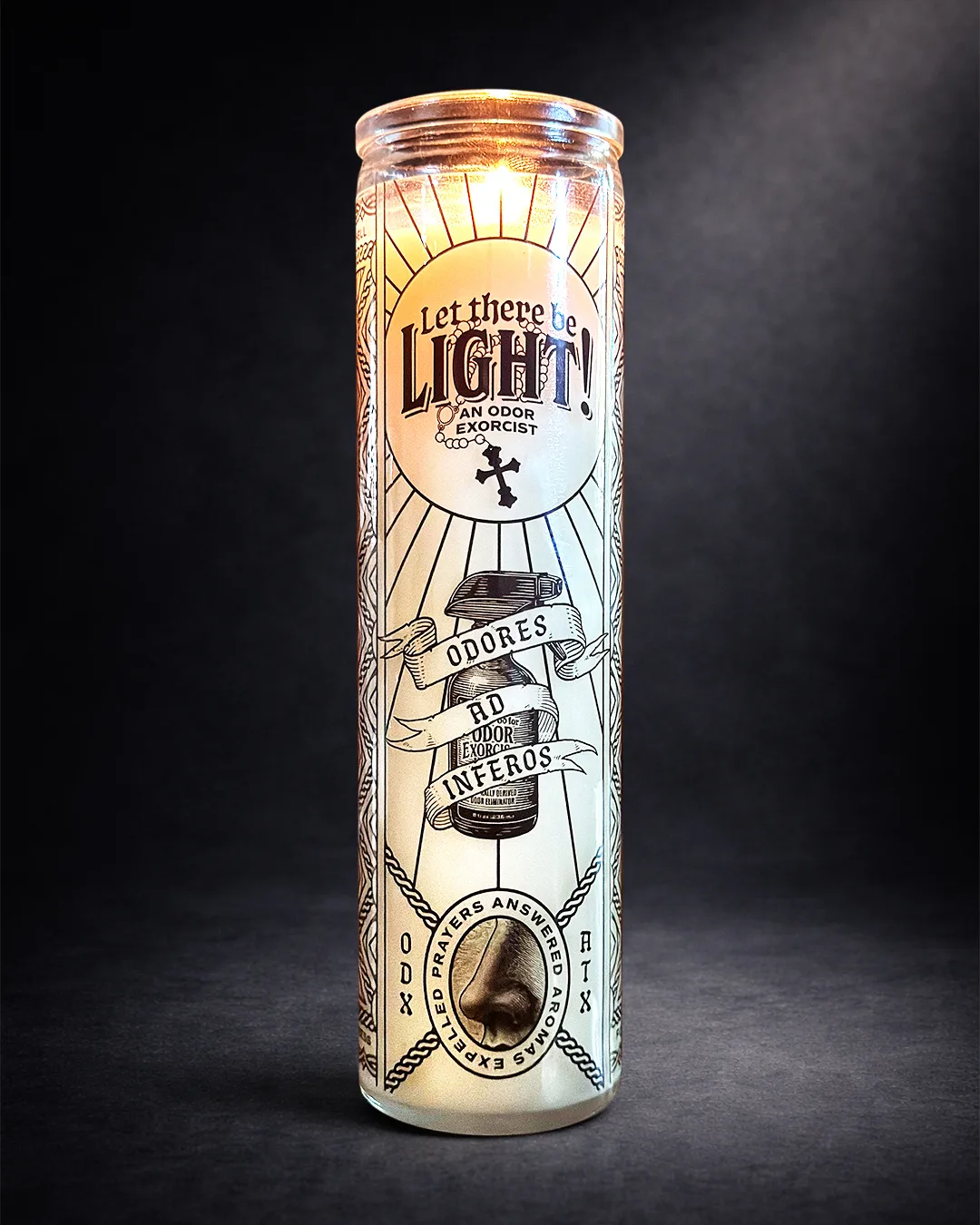
This has also helped candles and home fragrance products find a more thoughtful role. A soy wax candle can set a mood after the room is clean and odor-free. It is not supposed to be emergency camouflage for a garbage disposal that smells like it has seen the underworld.
The distinction matters. Cleaning removes grime. Odor elimination tackles unwanted smells. Fragrance adds atmosphere. Those jobs can overlap, but they are not identical, and products should not be asked to perform miracles outside their lane.
The Rise of the “Good Enough to Use Often” Routine
The most sustainable cleaning routine is not the one performed with military precision every Saturday morning. It is the one people can maintain without turning their weekend into a punishment ritual.
Natural cleaning trends are leaning toward small, frequent resets: airing out rooms, washing textiles before odors settle in, wiping high-touch surfaces, emptying trash regularly, and treating fabrics after pets, cooking, workouts, or guests. These habits prevent odor buildup from becoming a full-scale possession.
For a simple routine, think in layers. Clean visible messes first. Let damp items dry completely. Launder washable fabrics when needed. Then use an odor eliminator on surfaces that hold onto smells between deeper cleans. The goal is not a home that smells aggressively manufactured. The goal is a home that smells like nothing is wrong, which is frankly the dream.
What to Watch Out for in Natural Cleaning Claims
Not every product marketed as natural deserves a halo. Watch for brands that use broad claims without telling you what makes the formula different. Be wary of products that rely entirely on fragrance to signal cleanliness, especially if the ingredient information is hard to find or the scent gives you a headache from across the room.
It also helps to resist the idea that DIY is always superior. Homemade vinegar sprays, baking soda pastes, and essential oil blends have their place, but they are not automatically safer, more effective, or appropriate for every surface. Essential oils are concentrated, and some may not be suitable around certain pets, children, or sensitivities. A little research beats blindly mixing kitchen ingredients like a suburban alchemist.
The better standard is simple: choose products with clear directions, sensible ingredients, and a job they can actually do. Then use them correctly. A product does not need mystical claims to earn a permanent spot in your cleaning cabinet.
Clean Air Without the Theatrics of Fake Freshness
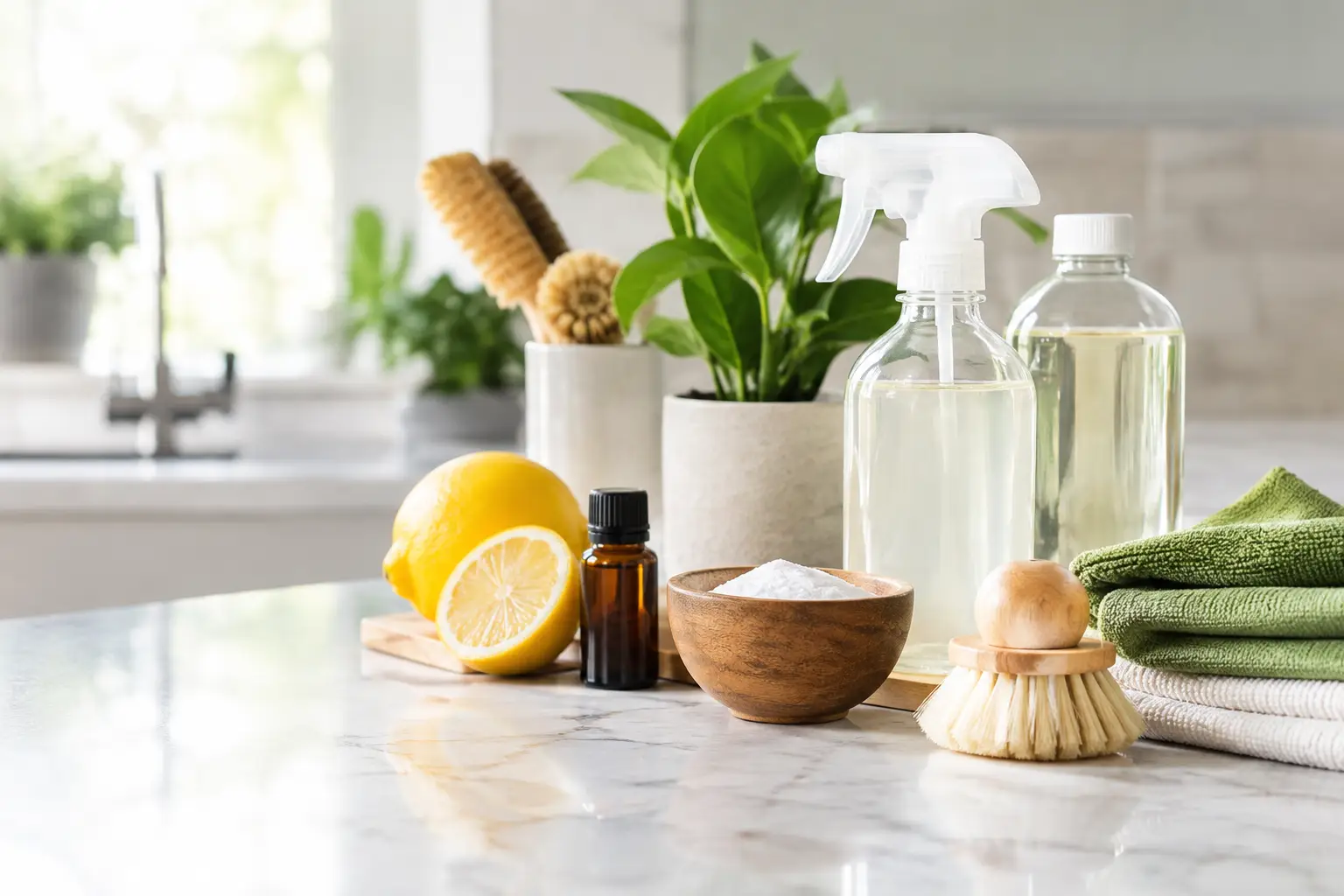
The best part of these trends is not the aesthetic of amber bottles and countertop brushes. It is the push for homes that feel genuinely fresher, not merely scented into submission.
Start where odors hide: soft furnishings, shoes, bedding, pet zones, and the corners of life that do not make it into a social media cleaning montage. Choose products that eliminate rather than disguise, keep fragrance deliberate, and do not let a green label do all the thinking for you. Your home deserves better than a perfume cloud with a suspicious backstory.