How to Remove Plastic Smells Without Masking Them
Evangelize


October 31, 2026
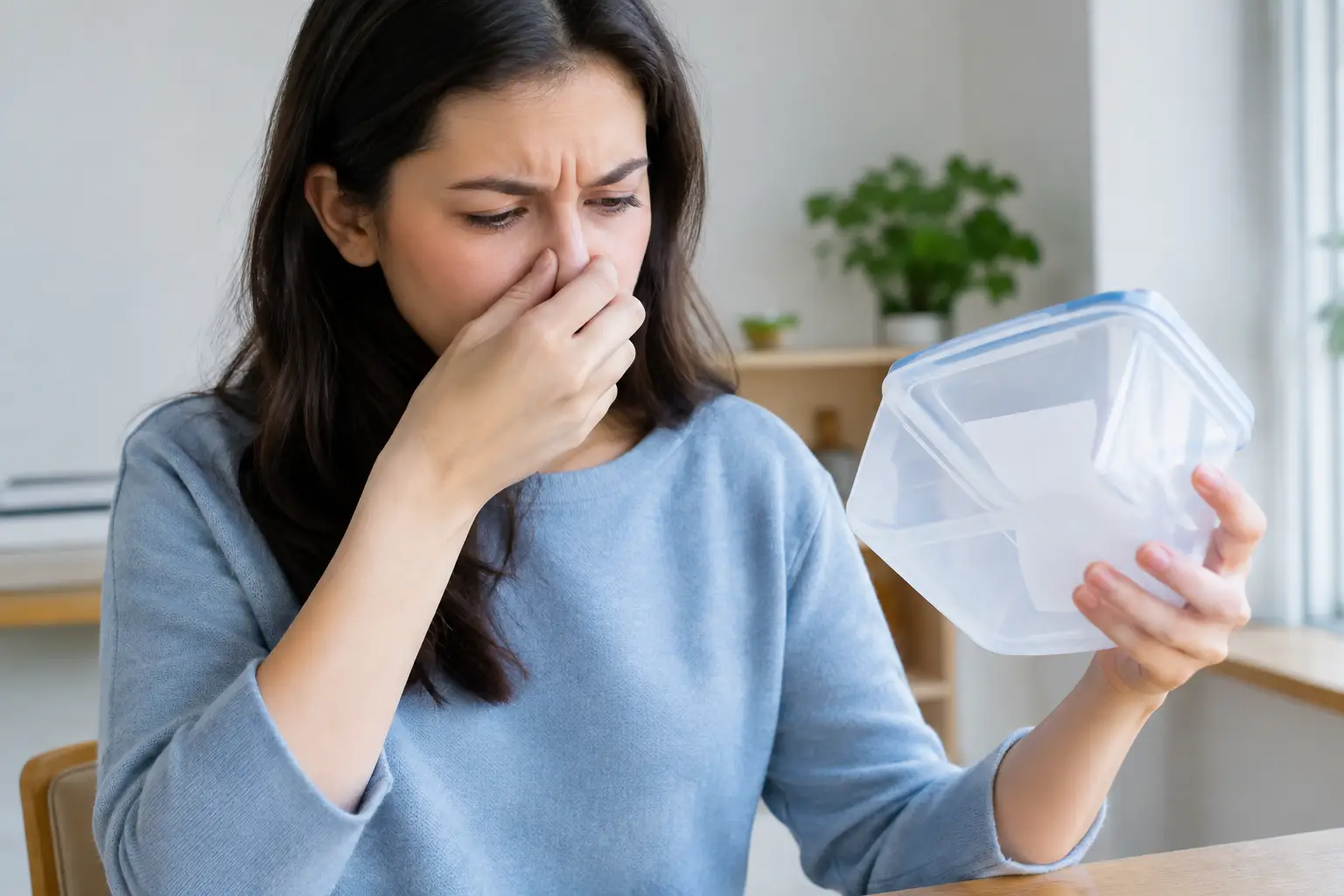
That funky whiff from a “clean” food container is not your imagination. Plastic is excellent at holding onto oils, food residue, smoke, mildew, and whatever cursed lunch occupied it three Tuesdays ago. To remove plastic smells for real, you need to clean the residue feeding the odor, then give the plastic time and airflow to let go. Spraying perfume over the problem is not odor removal. It is putting a tiny floral hat on a demon.
Why Plastic Holds Odors Like a Grudge
Most plastic has microscopic pores and surface texture, even when it looks smooth. Oils from tomato sauce, garlic, curry, pet food, lotion, and greasy leftovers can settle into those tiny spaces. Heat makes the situation worse by helping odor-causing compounds cling to the material.
Old plastic can also retain smells from its surroundings. A storage tote kept in a damp basement may absorb mustiness. A reusable water bottle left sealed after a workout can develop a sour, swamp-adjacent aroma. New products may have a factory or packaging smell from manufacturing, shipping, and being sealed in plastic wrap for who knows how long.
The fix depends on the source. Food smells respond best to degreasing and absorbent treatments. Mildew calls for thorough washing and complete drying. A strong chemical or smoky smell may require extended airing out, and sometimes the honest answer is replacement. Not every plastic item is worth a second exorcism.
How to Remove Plastic Smells Step by Step
Start by washing the item with warm water and a grease-cutting dish soap. Use a soft brush or cloth to get into seams, ridges, lids, handles, and threads. Those overlooked crevices are where old residue goes to build its little odor kingdom.
Rinse well, then smell the plastic while it is still damp. If the odor is faint or gone, let it dry completely in an open, well-ventilated spot. Do not snap a lid back on or stack containers together while they are wet. Trapped moisture can create a musty sequel nobody requested.
Use baking soda for stubborn food odors
For containers, bins, toys, or other washable plastic, make a paste from baking soda and a little water. Spread it inside the item, leave it for several hours or overnight, then scrub gently and rinse. Baking soda is especially useful after oily, acidic, or heavily spiced foods.
For an item that cannot be scrubbed easily, such as a storage tote, sprinkle dry baking soda inside it and leave it open overnight. Empty it, wipe it down, and repeat if necessary. It is not glamorous, but neither is sniffing an old bin and realizing it smells like onion dip from 2019.
Try a vinegar rinse for musty plastic
White vinegar can help with lingering mustiness and some sour odors. Mix equal parts white vinegar and water, wipe or soak the plastic briefly, then wash it again with dish soap and rinse thoroughly. Let it air-dry fully.
Do not mix vinegar with bleach or other cleaners. That is not a household hack. That is chemistry class with consequences. Also, vinegar has its own sharp scent, so give the item time to air out before deciding whether the treatment worked.
Let fresh air do its boring, beautiful work
After cleaning, leave plastic outdoors in shade or near an open window for a day or two. Airflow helps odor compounds dissipate, especially from new bins, plastic furniture, shower curtains, and storage containers.
A little indirect sunlight can help, but avoid leaving thin or colored plastic in brutal direct sun for hours. Heat and UV exposure can warp, fade, or make some plastics brittle. The goal is fresh air, not a backyard cremation.
Use odor absorbers for large or delicate items
Activated charcoal or baking soda placed nearby can help deodorize items that should not be soaked, such as plastic drawers, hampers, pet carriers, or storage units. Put the absorber in an open bowl or breathable pouch, close the item if appropriate, and leave it for 24 to 48 hours.
This works best after wiping the plastic clean. Absorbers can help catch lingering airborne odor, but they cannot remove greasy residue that is still stuck to the surface. They are backup singers, not the lead vocalist.
Remove Plastic Smells From Common Household Offenders
Food containers and reusable bottles
If a container smells like spaghetti sauce, curry, or tuna despite repeated washes, degrease it first. Warm water and dish soap are the foundation. Follow with a baking soda paste or overnight baking soda treatment, then air-dry with the lid off.
For reusable bottles, remove every detachable piece: lid, straw, gasket, mouthpiece, and carry loop. Wash each part separately. Silicone seals are notorious odor squatters, and a bottle will keep smelling bad if its gasket is plotting from the sidelines.
If the container is scratched, cloudy, or permanently stained and still smells after several treatments, retire it from food duty. Use it for craft supplies, hardware, or recycling storage instead. Deep scratches can hold residue that no amount of righteous scrubbing will fully reach.
Plastic toys
Wash hard plastic toys with mild soap and warm water, then rinse and dry them completely. Avoid soaking battery-operated toys or items with openings where water can get trapped. For those, use a lightly damp cloth, clean the exterior carefully, and allow generous drying time.
If toys smell like basement, pet slobber, or old storage, airflow is your friend. Place them in a bright, shaded, well-ventilated area. For a lingering odor on non-electronic toys, a baking soda treatment can help before the final wipe-down.
Storage totes, trash cans, and laundry hampers
These are often guilty of absorbing odors from the things we throw into them, which is not exactly a surprise. Wash the plastic inside and out, including the underside of lids and handles. For trash cans, remove any liner, scrub seams, and check the bottom for leaked liquids.
Once dry, leave a charcoal pouch or open container of baking soda inside. If the odor returns quickly, inspect the surrounding area. A tote may be innocent while the closet, basement, rug, or laundry pile is the actual haunted house.
Plastic furniture and outdoor gear
Plastic patio chairs, coolers, bins, and outdoor equipment can pick up mildew from rain, humidity, and storage. Clean with soapy water, use a diluted vinegar wipe if mildew is the issue, rinse, and dry in moving air. Make sure the item is dry before covering or stacking it.
For coolers, pay special attention to drain plugs, lid seals, and corners. The visible interior may look clean while the gasket is fermenting a tiny seafood festival.
Stop Plastic Odors From Coming Back
The easiest way to remove plastic smells is to give them fewer chances to move in. Wash food containers soon after use, especially after oily or acidic meals. Store them with lids off when possible so moisture cannot linger. Never put a damp item into a sealed bin, closet, gym bag, or drawer.
For shoes, pet gear, laundry baskets, and plastic storage, clean the source of the smell alongside the plastic itself. A freshened bin will not stay fresh if you keep placing damp towels, sweaty gear, or odor-soaked fabrics back inside it.
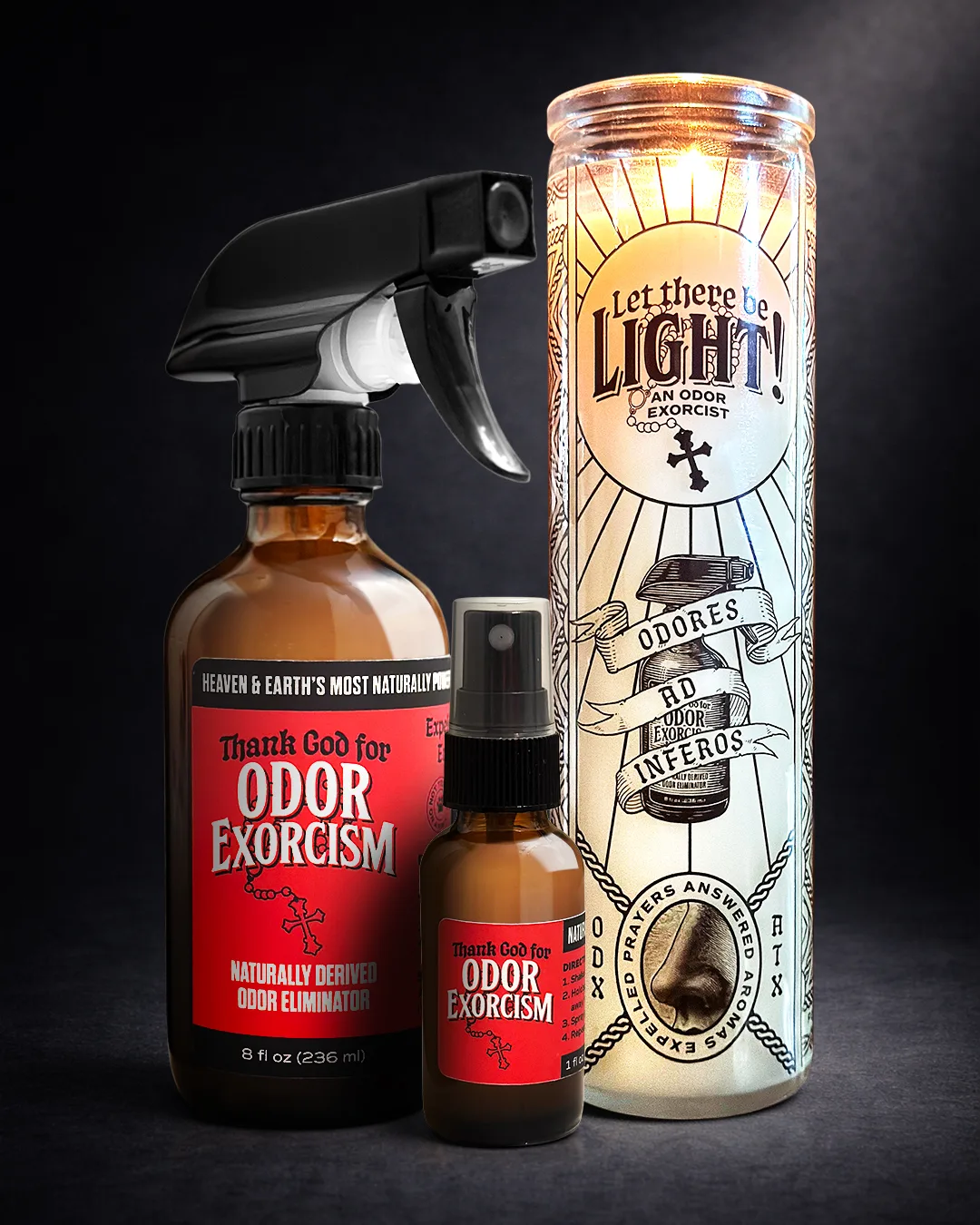
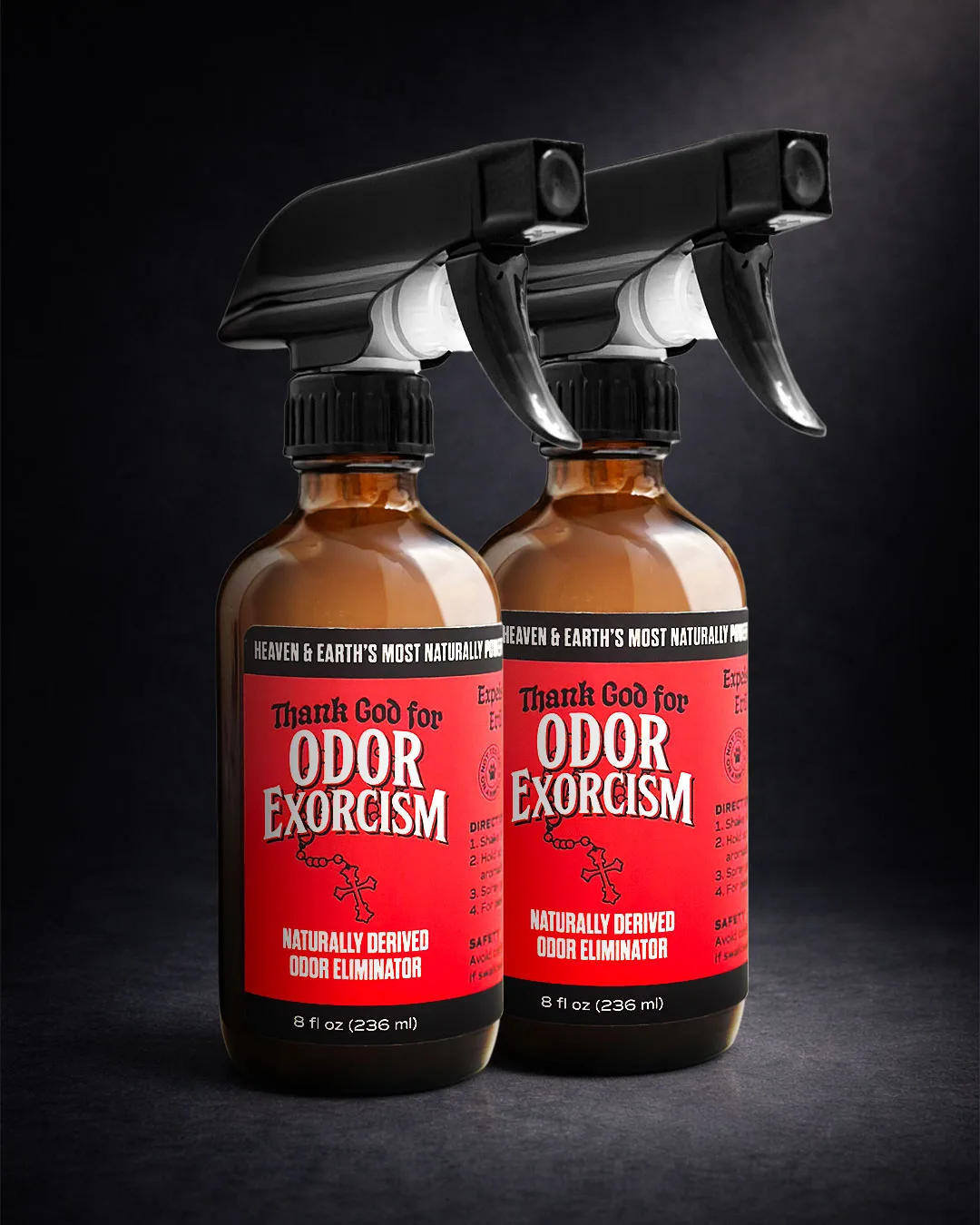
When a plastic surface is clean but still needs an odor reset, a naturally derived odor-eliminating spray can help neutralize residual smells on suitable hard surfaces without turning your home into a synthetic fragrance ambush. Odor Exorcism is made for precisely this kind of domestic haunting: the leftover funk on storage bins, plastic furniture, shoe racks, and the other household suspects that deserve better than a chemical fog machine.
When It Is Time to Let the Plastic Go
Some smells are a sign to stop fighting. Replace plastic used for food or drinks if it is heavily scratched, warped, cracked, sticky, or persistently smells like chemicals, mildew, or spoiled food after cleaning. If you cannot identify the odor, especially on a used container, do not gamble with it.
The same goes for a plastic item exposed to smoke, harsh chemicals, or a serious mold problem. You may be able to improve the smell, but that does not always make the item suitable for continued use around food, children, or pets.
A clean plastic item should smell like almost nothing. That is the real goal: not fake ocean breeze, not aggressive lavender, not “mountain linen” perfume blasting from the void. Just a calm, clean surface with no lingering evidence of its former sins.