Apartment Trash Odor Solution That Actually Works
Evangelize


October 9, 2026
That little kitchen trash can was never supposed to have this much power over your life. Yet one forgotten chicken package, a leaky coffee pod, or a bag of mystery leftovers can turn a perfectly decent apartment into the crypt beneath a haunted castle. A real apartment trash odor solution does more than blast the room with fake tropical perfume. It removes the grime and odor particles feeding the funk, then keeps the bin from becoming a recurring villain.
Small-space trash smells are especially rude because there is nowhere for them to go. In an apartment, your kitchen may share air with the living room, bedroom, entryway, and the sweater you planned to wear tomorrow. The goal is not to make garbage smell “better.” Frankly, garbage has no business smelling like mango sunrise. The goal is to neutralize the odor at its source.
Why apartment trash smells take over so fast
Trash odor is not just a trash-bag problem. It is usually a moisture problem, a residue problem, or a ventilation problem wearing a trench coat and pretending to be one smell.
Food scraps begin breaking down quickly, particularly proteins, dairy, produce, and anything soaked in sauce or cooking grease. As bacteria get to work, they release odor-causing compounds. Add trapped moisture at the bottom of a can and a closed lid that holds everything captive, and you have created a tiny sulfur-scented séance.
Apartments can make the situation worse. Many renters use compact bins, which fill fast but may not get washed often. Warm kitchens, limited airflow, shared hallways, and garbage chutes can also leave lingering odor around the bin even after the bag is gone. If your trash smells bad again an hour after you take it out, the can itself is probably harboring the demon.
The apartment trash odor solution starts with the can
Taking out the trash is necessary. Cleaning the vessel is the actual exorcism.
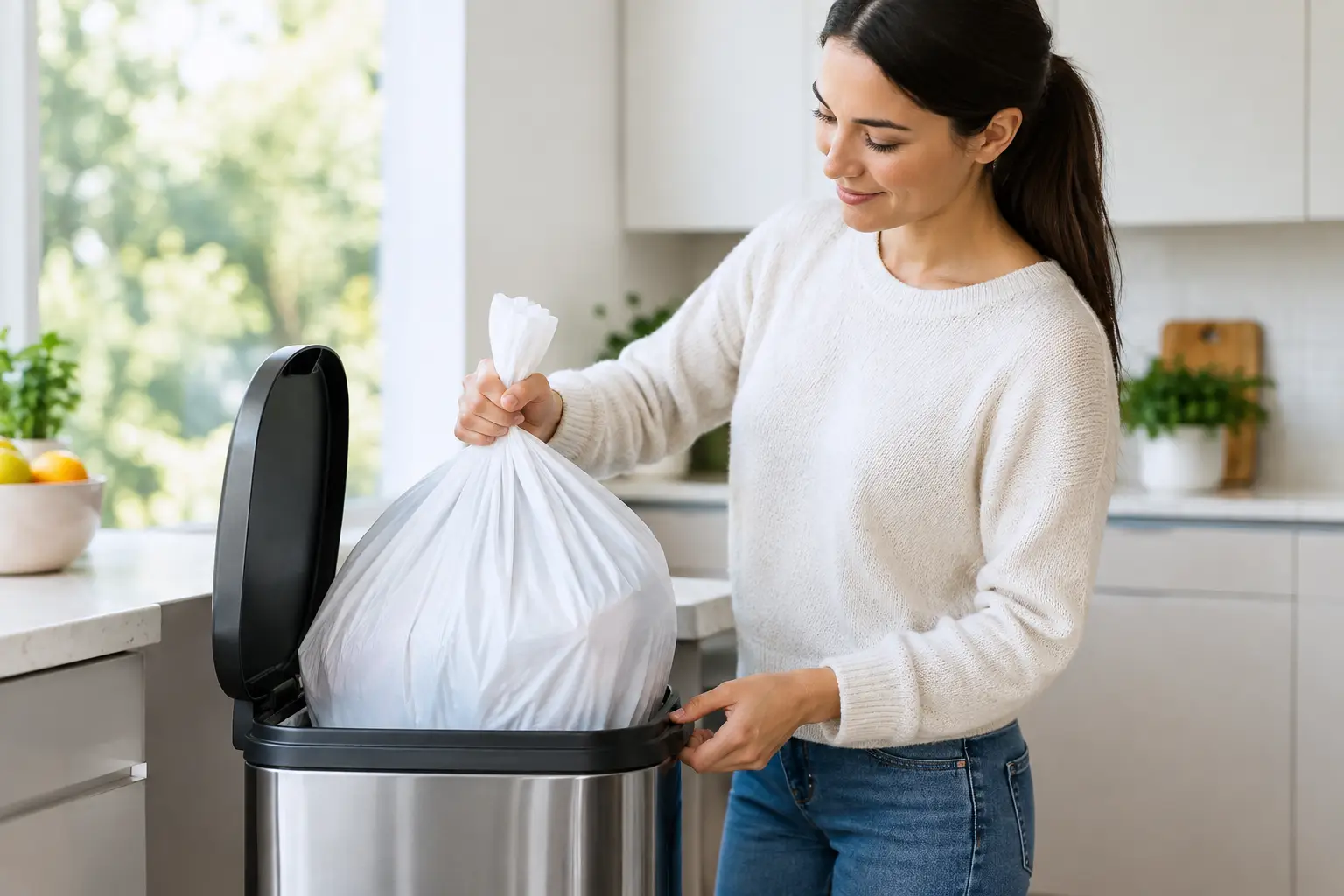
Start by removing the bag and checking the bottom, rim, lid hinge, and inner walls. If anything has leaked, wipe it up before it dries into a sticky little monument to last Tuesday’s dinner. Wash the inside with warm water and a mild cleaner, paying attention to seams and grooves where residue likes to hide. Let the can dry completely before adding a fresh liner. Moisture is a generous host to bad odors, so do not invite it back in.
If the bin has a removable inner bucket, pull it out. The space between the bucket and outer shell is a favorite hiding place for drips, crumbs, and liquid that somehow escaped the laws of physics. Clean both pieces, not just the part you can see from across the room.
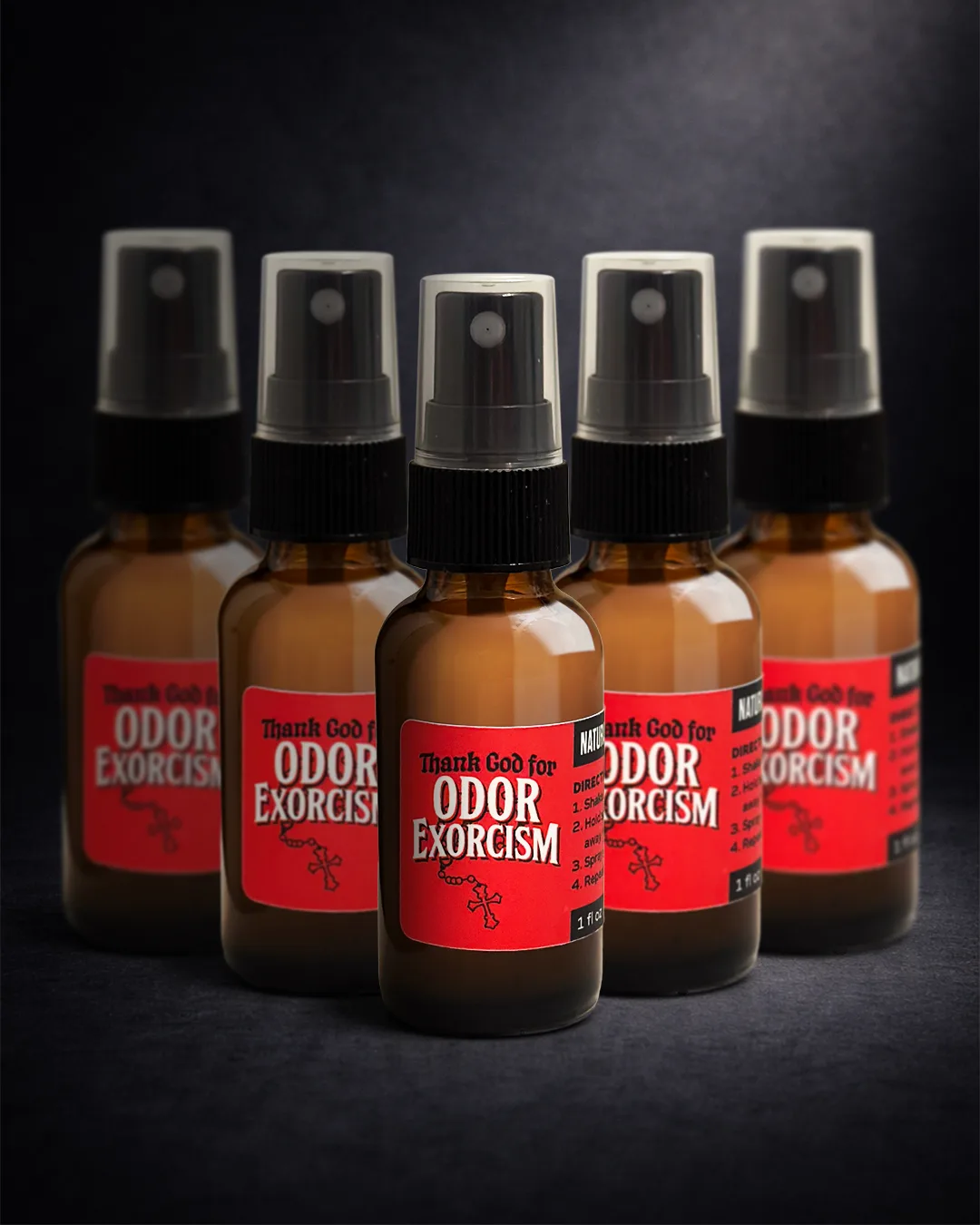
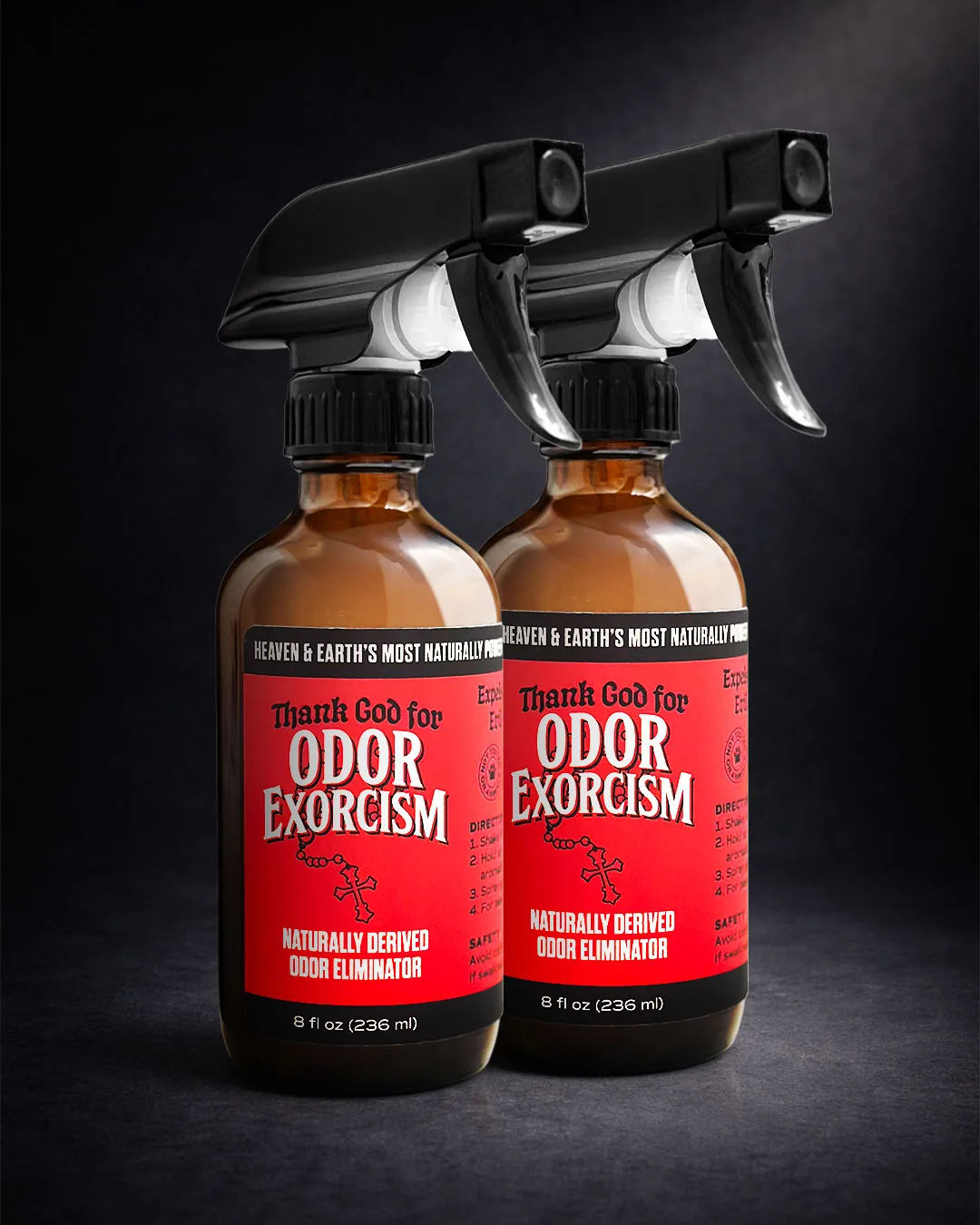
For lingering smells on hard plastic, wood, or metal surfaces, use an odor-neutralizing spray formulated to eliminate odors rather than cover them with heavy synthetic fragrance. A naturally derived option such as Odor Exorcism can be useful after cleaning, particularly around the lid, rim, and exterior of the can where hands and spills spread the problem. Spray according to the label directions, then allow the surface to dry. You are treating the odor source, not trying to baptize a trash can in perfume.
Stop the wet-trash curse before it begins
A clean bin helps, but the best defense is changing what goes into it. This does not require turning your kitchen into a laboratory or wrapping every banana peel in silk. It means being strategic with the especially offensive stuff.
Drain wet food packaging before tossing it. Rinse jars, cans, and takeout containers if they will sit in the bin for more than a day. Greasy paper towels, meat trays, fish packaging, used cat-food cans, and coffee grounds deserve extra caution because they hold moisture and smell with the enthusiasm of a cursed artifact.
For particularly pungent scraps, seal them in a small bag before they enter the main trash. If you cook seafood, clean out the fridge, or toss spoiled leftovers, take that bag outside immediately if you can. This is not dramatic. This is basic survival in a 700-square-foot kingdom.
It also helps to empty kitchen trash more often than you think you should. A bag that is only half full can still be fully possessed. In warm weather, or if your household includes pets, babies, or frequent home cooking, every one to two days may be the right schedule. It depends on what you throw away, how warm your apartment runs, and whether your bin has a tight lid.
Do not use fragrance as a cover-up costume
The air-freshener aisle loves a distraction tactic. Something reeks, so the answer is apparently to add an aggressive cloud of artificial vanilla, ocean breeze, or chemically enhanced “fresh linen.” Now your apartment smells like garbage wearing cologne. Nobody wins.
Scent can be lovely when it is a deliberate finishing touch. It is not a substitute for cleaning residue, removing wet waste, or neutralizing odor on the surfaces that have absorbed it. For ingredient-conscious households, this distinction matters. Some people are sensitive to strong synthetic fragrance, while others simply do not want their home air loaded with mystery chemicals every time the trash gets rowdy.
Choose products that clearly explain whether they eliminate odors or merely mask them. A good odor eliminator works on the smell itself, while a fragrance-only product may fade just as the garbage odor returns from the underworld. If you enjoy candles or home scent, use them after the bin is clean and the source is handled. Let your home smell intentional, not desperate.
Check the places trash odor migrates
Trash odor does not always stay politely inside the can. It travels to nearby fabrics, floors, cabinets, and walls, especially in compact kitchens. If your bin sits beside a cabinet, inspect the side panel and baseboard. If it lives under the sink, check for old spills, damp cabinet liners, a leaking pipe, or mildew. What seems like trash odor may actually be a plumbing issue staging a very convincing performance.
The floor beneath the can deserves attention too. A small drip can seep under a mat or collect along a grout line, where it keeps releasing odor long after you replace the bag. Clean the area, dry it thoroughly, and treat any lingering odor with an appropriate surface-safe odor eliminator.
Do not overlook reusable grocery bags, kitchen towels, and dishcloths. A trash bag brushing against them, or hands moving from the can to a towel, can transfer odors. Launder fabrics regularly and let them dry fully. Damp textiles are notorious for joining the dark side.
When the smell is not actually your trash
If you have cleaned the can, removed the bag, washed the surrounding area, and the odor remains, widen the investigation. Garbage disposal buildup, a fridge drip pan, dirty recycling, forgotten produce, pet accidents, and sink drain biofilm can all masquerade as trash odor. Apartment buildings also bring outside variables: a neighboring unit, hallway trash, a shared chute, or odors drifting through vents.
A sour or sewer-like smell near the sink may call for drain cleaning or maintenance, not another trash bag. A persistent musty smell can point to hidden moisture or mold, which is a landlord conversation, not a candle situation. If you notice gas-like odors, burning smells, or signs of pests, contact building management or the appropriate emergency service right away. No amount of natural spray should be asked to fight an actual safety issue.
How often should you wash a kitchen trash can?
For most apartments, a quick wash every one to two weeks is a solid baseline. If you cook often, have pets, discard diapers, or deal with frequent leaks, clean it weekly. The moment you see residue or smell funk after removing a bag, do not wait for a calendar reminder. The bin has issued its summons.
Should you put baking soda in the bottom of the trash can?
Baking soda can help absorb some odors, especially when the bin is clean and dry. It is best viewed as backup, not the main character. If food liquid has leaked into the can, baking soda mixed with moisture can turn into a sad, crusty paste while the odor continues its reign. Clean first, dry thoroughly, then use a small amount if it suits your routine.
What is the fastest fix before guests arrive?
Remove the trash, clean any visible spills from the rim and surrounding floor, and wipe down the inside of the can. Then neutralize lingering odor on the bin and nearby hard surfaces. Open a window if weather allows. This sequence works better than lighting three candles and praying the smell gets saved before the doorbell rings.
Your apartment does not need to smell like a fragrance counter to feel clean. Keep the bin dry, deal with wet waste early, clean the surfaces that caught the spill, and reserve scent for the pleasant part of the ritual. The trash can may still be ugly, but it does not have to be evil.