Odor Spray Comparison That Cuts Through the Stink
Evangelize


October 3, 2026
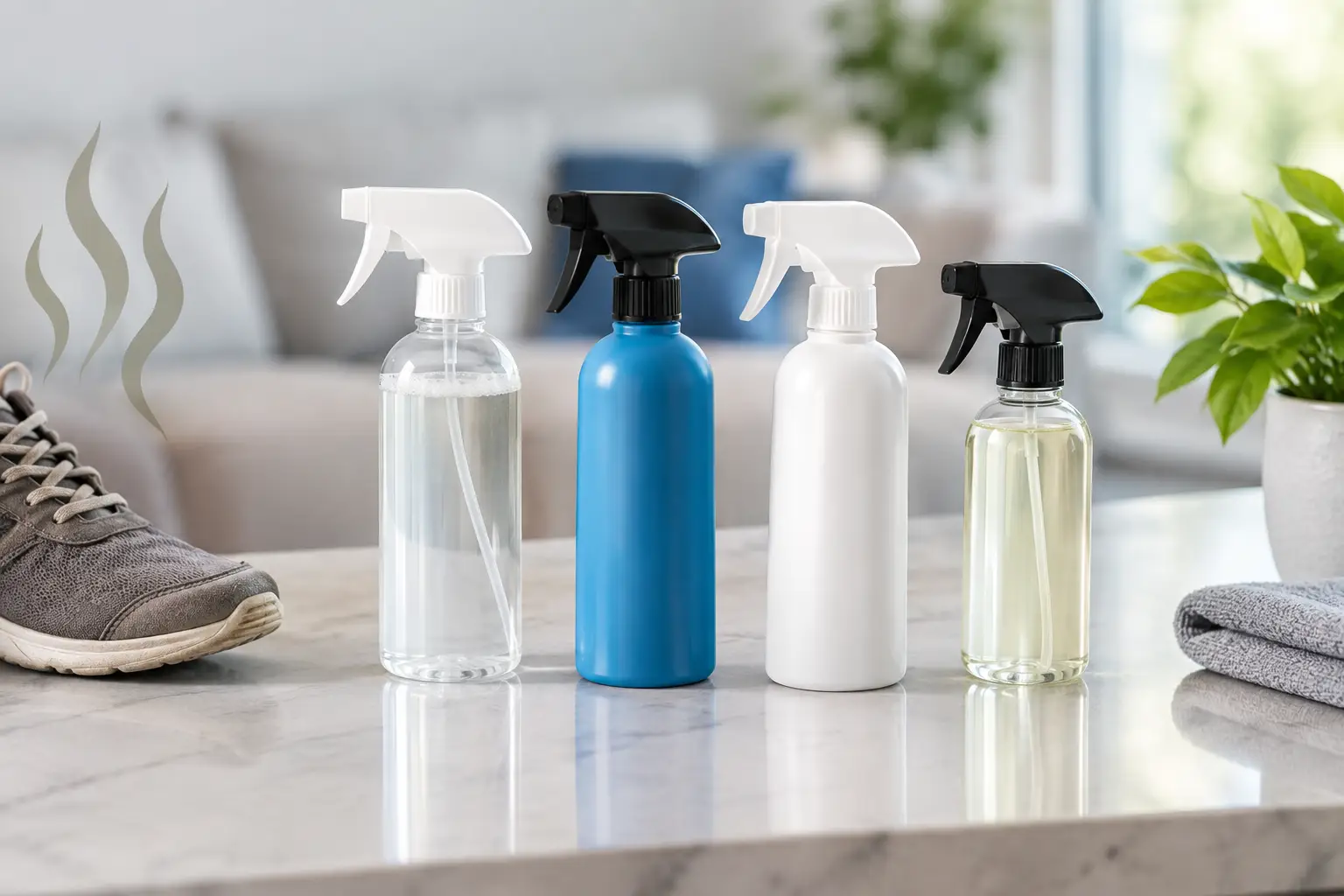
Your couch does not need to smell like a candle aisle lost a custody battle. It needs the dog funk, last night’s takeout, and mystery dampness gone. That is the point of an honest odor spray comparison: not to crown the loudest fragrance, but to find out what actually handles the little household demons making your space smell cursed.
The trouble is that most sprays look similar from three feet away. A bottle, a cheerful label, a promise of “freshness.” But air fresheners, fabric refreshers, odor neutralizers, and disinfectants are not interchangeable. Pick the wrong one and you may replace gym-shoe stench with a floral fog so aggressive it deserves its own HOA complaint.
What an odor spray is actually supposed to do
Start with the job. Some products mask odors. They release fragrance that competes with whatever is already in the room. This can be useful when you want a temporary scent boost, but it does not necessarily address the source of the smell. When the perfume settles, the onion, litter box, or damp-towel situation may still be waiting in the shadows.
An odor eliminator is meant to neutralize or reduce odor molecules rather than merely cover them. Results vary by formula and by odor source, of course. A spray can help with everyday smells trapped in upholstery, bedding, clothing, carpets, shoes, wood, and plastic. It cannot perform an exorcism on a mold problem, spoiled food hidden behind the refrigerator, or a pet accident that has soaked through carpet padding. For those, clean the source first. Then bring in the spray for the lingering aftermath.
Disinfectant sprays live in a different crypt. They are designed for sanitation claims and require specific directions, contact times, and approved surfaces. Do not assume an odor spray disinfects just because it makes the bathroom smell less haunted. Likewise, do not use a disinfectant as a casual fabric refresher unless its label explicitly says you can.
Odor spray comparison: the categories that matter
A useful comparison is less about the prettiest bottle and more about what you are spraying, who lives in your home, and how much fragrance drama you can tolerate.
1. Synthetic fragrance air fresheners
These are the familiar room sprays that lead with scent. They are easy to find, usually inexpensive, and can make a room smell strongly “clean” within seconds. If you enjoy big fragrance and want a quick cosmetic reset before guests arrive, they have a place.
The trade-off is simple: heavy scent is not the same as odor removal. For ingredient-conscious households, synthetic fragrance can also be a dealbreaker, especially in small apartments, nurseries, bedrooms, or spaces shared with scent-sensitive people. If the plan is to fog the room until nobody can identify the original smell, you are not solving a problem. You are giving it a floral alibi.
2. Enzyme-based odor removers
Enzyme formulas are often used for biological odors, especially pet urine, vomit, food messes, and other crimes against the rug. Their strength is targeted cleanup. When used as directed, they can help break down the organic material that causes stubborn smells.
They are not always the most convenient everyday option. Enzyme products may need time to work, generous saturation, or repeated treatment, and they are best reserved for the actual stain or source. They can be excellent for a specific pet accident, but they are not necessarily what you reach for when the whole sofa smells vaguely like wet dog and Saturday.
3. Absorbent and mineral-based solutions
Some products use materials that absorb odors or moisture, such as charcoal, baking soda, or mineral compounds. These are often low-scent or scent-free, which appeals to people who want less fragrance in the house.
Their limitation is speed and coverage. A charcoal bag in a closet can be helpful over time, but it will not rescue your guest room five minutes before company arrives. Think of these as quiet supporting characters: useful in shoes, bins, closets, cars, and other enclosed spaces, but not a substitute for treating surfaces where odors have settled.
4. Naturally derived odor-eliminating sprays
For homes that want practical odor control without bathing every room in artificial perfume, naturally derived sprays can hit the sweet spot. Look for formulas that are clear about their ingredients, explain whether they neutralize rather than mask, and identify the surfaces they are meant to treat.
Essential-oil-based scent can still be noticeable, so “natural” does not mean scent-free or universally right for everyone. If you have allergies, asthma, pets, or small children, read the label, use products as directed, and test a small area first. Clean ingredients are a better starting point, not a permission slip to spray with the abandon of a possessed garden hose.
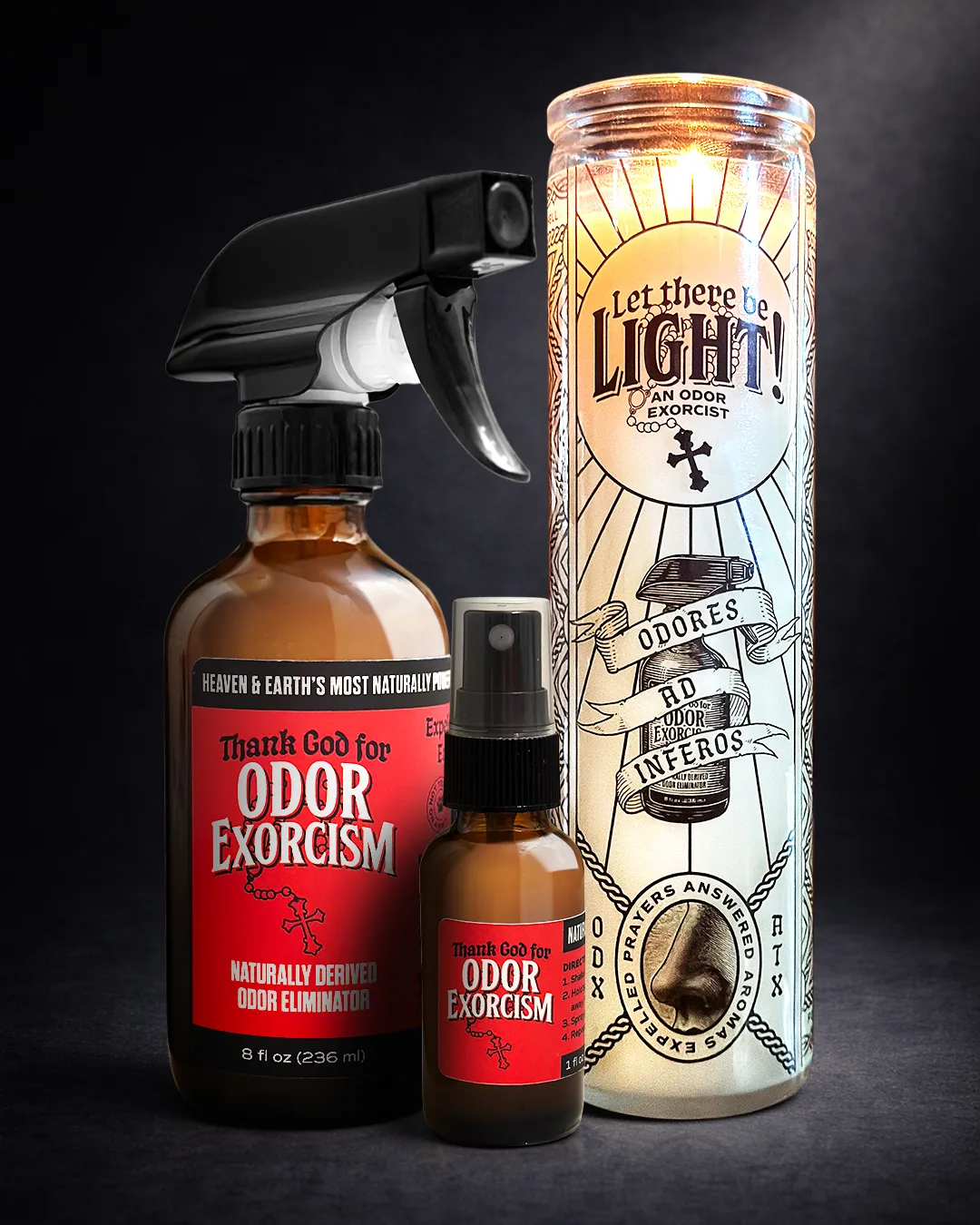
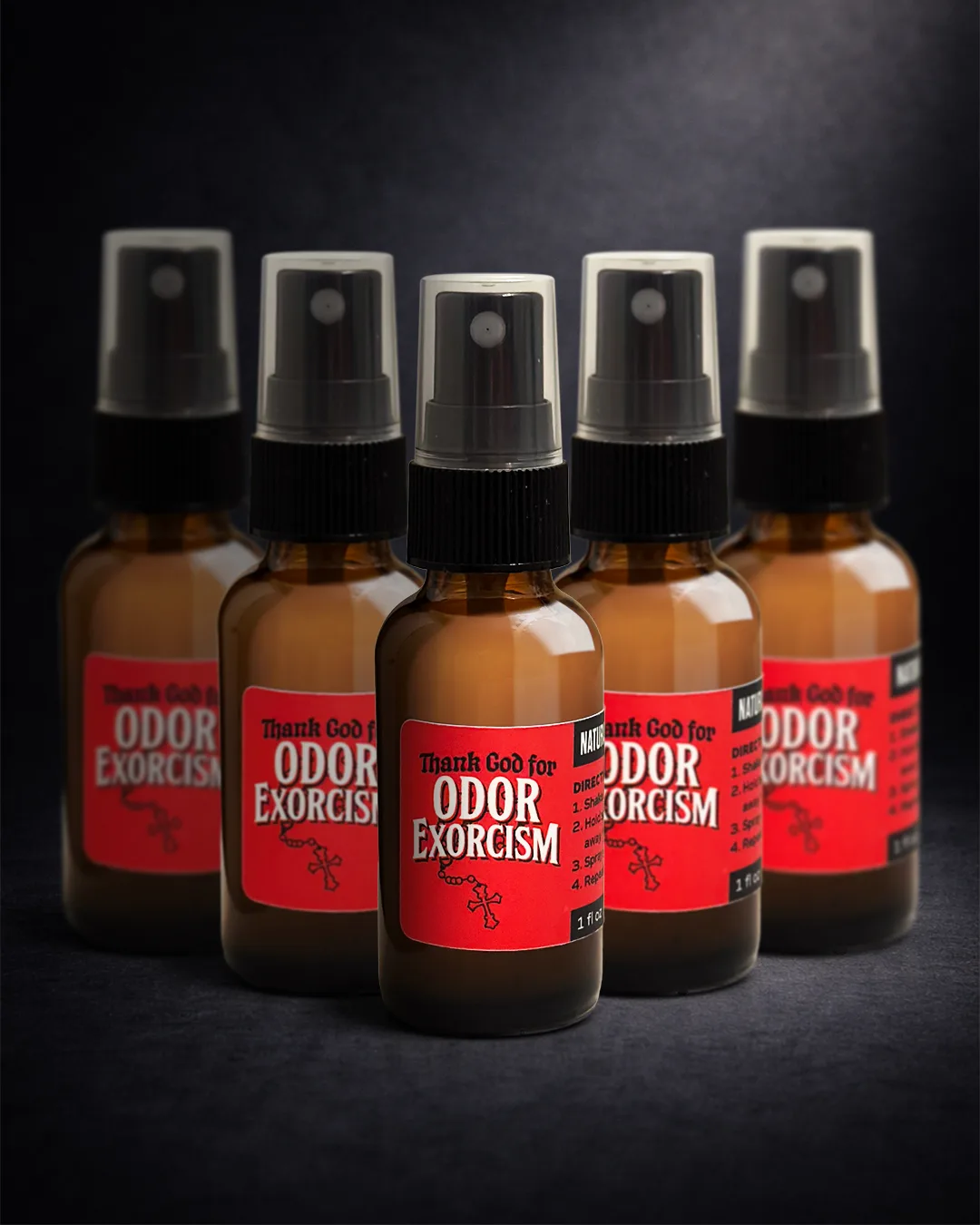
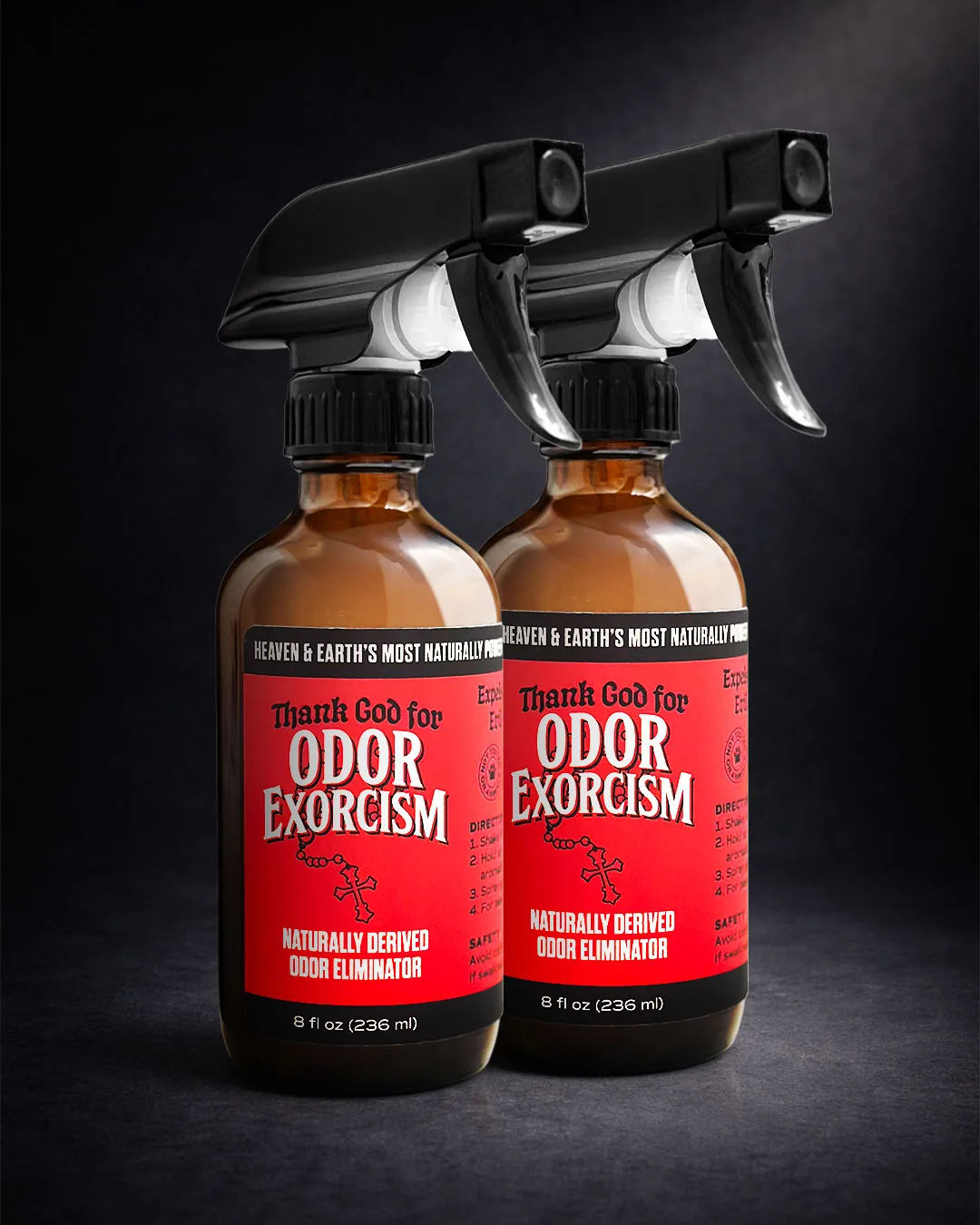
Odor Exorcism sits in this category, with a naturally derived, essential-oil-based spray made for everyday funk across both soft and hard household surfaces. The appeal is straightforward: neutralize the smell on contact, leave behind a fresher space, and skip the synthetic-fragrance ambush.
Compare sprays by the surface, not just the smell
The best spray for a bathroom is not automatically the best spray for a linen closet, sneaker collection, or velvet sofa. Surface compatibility should be near the top of your checklist.
For fabrics, look for a product intended for upholstery, bedding, rugs, clothing, and carpets. Fabrics trap odor because they trap oils, skin cells, pet dander, moisture, and the occasional snack crumb you swear you did not drop. A light, even mist is usually wiser than soaking the material. Let it air-dry fully, and spot-test delicate or dark fabrics where nobody will notice if the spirits get grumpy.
For hard surfaces like sealed wood, plastic, trash cans, countertops, or bathroom fixtures, a versatile odor spray can help remove the stale smell that lingers after cleaning. But “hard surface” is not a magical phrase. Unsealed wood, leather, silk, electronics, and specialty finishes may require a different method. When in doubt, test first and avoid over-saturating anything porous.
Shoes deserve their own category because they are tiny, wearable dungeons. A good odor-eliminating spray is useful here, but give shoes time to dry and address moisture at the source. Rotate pairs, air them out, and do not keep damp sneakers imprisoned in a gym bag for three days unless you are breeding a new civilization.
How to read a label without needing a chemistry degree
You do not need to memorize every ingredient in existence. You do need to know what a brand is claiming and whether it is being specific.
First, distinguish between “freshens” and “eliminates.” Freshening may mean adding scent. Eliminating should signal that the formula is designed to neutralize or reduce odors. Second, check the intended uses. A product made for air may not be made for pillows, and a product made for carpet may not be suitable for all clothing.
Third, consider fragrance disclosure. If avoiding synthetic fragrance matters to you, seek brands that state their approach plainly instead of hiding behind vague perfume language. Finally, follow safety directions. Keep products away from eyes and out of reach of children, use them in a ventilated space when directed, and pay attention to pet-specific cautions. Your cat did not consent to being drafted into a home-fragrance focus group.
The real winner depends on the odor problem
There is no single spray that wins every matchup. An enzyme cleaner may be the smarter choice for a fresh pet accident. A charcoal pouch may make more sense in a closet. A classic room spray can provide a quick scented mood if that is genuinely what you want.
But for daily household odors trapped in the places people actually live – blankets, couches, laundry rooms, shoes, car interiors, plastic bins, and that chair your pet has claimed as a throne – an odor-neutralizing surface spray is often the most useful all-around option. It addresses the smell where it clings instead of asking a cloud of perfume to fight it from across the room.
The best test is brutally simple. Spray the right product on the right surface, allow it to dry, then come back later. If the room smells clean rather than merely perfumed, the demon has been handled. If the original odor returns wearing a lavender disguise, it is time for a different formula or a deeper cleanup.
A home should smell like the people and pets who live there, minus the stale, sour, sweaty, damp parts nobody invited. Choose the spray that treats the problem honestly, use it where odors settle, and save the theatrical fragrance cloud for somebody else’s haunted house.