Essential Oils Versus Synthetic Fragrance
Evangelize



September 4, 2026
That lavender plug-in making your living room smell like a department store candle aisle? It may be covering the evidence, not dealing with the crime. In the battle of essential oils versus synthetic fragrance, the real question is not which one smells prettier. It is what you are putting into the air, what it does to the original odor, and whether your home ends up smelling clean or merely perfumed into submission.
Synthetic fragrance has been the default weapon of mass air freshening for decades. Spray it, plug it in, light it, and hope the mysterious couch smell receives its final rites. Essential oils offer a different route: aromatic compounds derived from plants, often used to create a more botanical scent experience. But neither category deserves blind worship. Let’s separate the clean-air saints from the marketing demons.
Essential Oils Versus Synthetic Fragrance: The Real Difference
Essential oils are concentrated aromatic extracts from plants. Depending on the oil, they may come from peels, leaves, flowers, bark, roots, or resin. Orange oil comes from orange peel, peppermint oil from the plant’s leaves, and eucalyptus oil from its foliage. Their scent profiles are naturally variable because crops, climate, harvest timing, and extraction methods all matter.
Synthetic fragrance is made from manufactured aroma chemicals, often blended to create a consistent scent. That does not automatically mean every synthetic fragrance is dangerous, just as “natural” does not automatically mean harmless. Poison ivy is natural. So is a skunk. Nature has range.
The biggest practical difference is transparency and complexity. A fragrance ingredient listed simply as “fragrance” or “parfum” can represent a blend of many components, and a label may not spell out each one. Essential oils can be identified by name, although a finished product may still include other ingredients for stability, performance, or safety.
For ingredient-aware shoppers, that distinction matters. If you are trying to reduce heavily perfumed products in a small apartment, nursery, bedroom, or pet-filled home, knowing what is creating the scent is more useful than trusting a cloud of vague floral confidence.
A Nice Smell Is Not the Same as Odor Removal
Here is where the air-freshener industry occasionally puts on a fake mustache.
Fragrance masking works by adding a stronger, more pleasant smell over an unpleasant one. Sometimes that is all you want. If you are setting a mood before guests arrive, a candle or room scent can make the place feel warmer, fresher, or less like everyone has been eating popcorn on the sofa for three years.
But masking does not necessarily address the odor source. Pet funk embedded in upholstery, mildew-like smells in towels, sneaker stench, cooking odors clinging to fabrics, and stale bedding all have a talent for returning once the perfume fades. The result can be a bizarre scent cocktail: vanilla orchid meets wet dog. A haunting no one requested.
Odor elimination is different. It aims to neutralize or reduce odor-causing compounds rather than simply covering them with fragrance. That is why the best strategy often involves two separate jobs: deal with the source first, then add scent only if you actually want it.
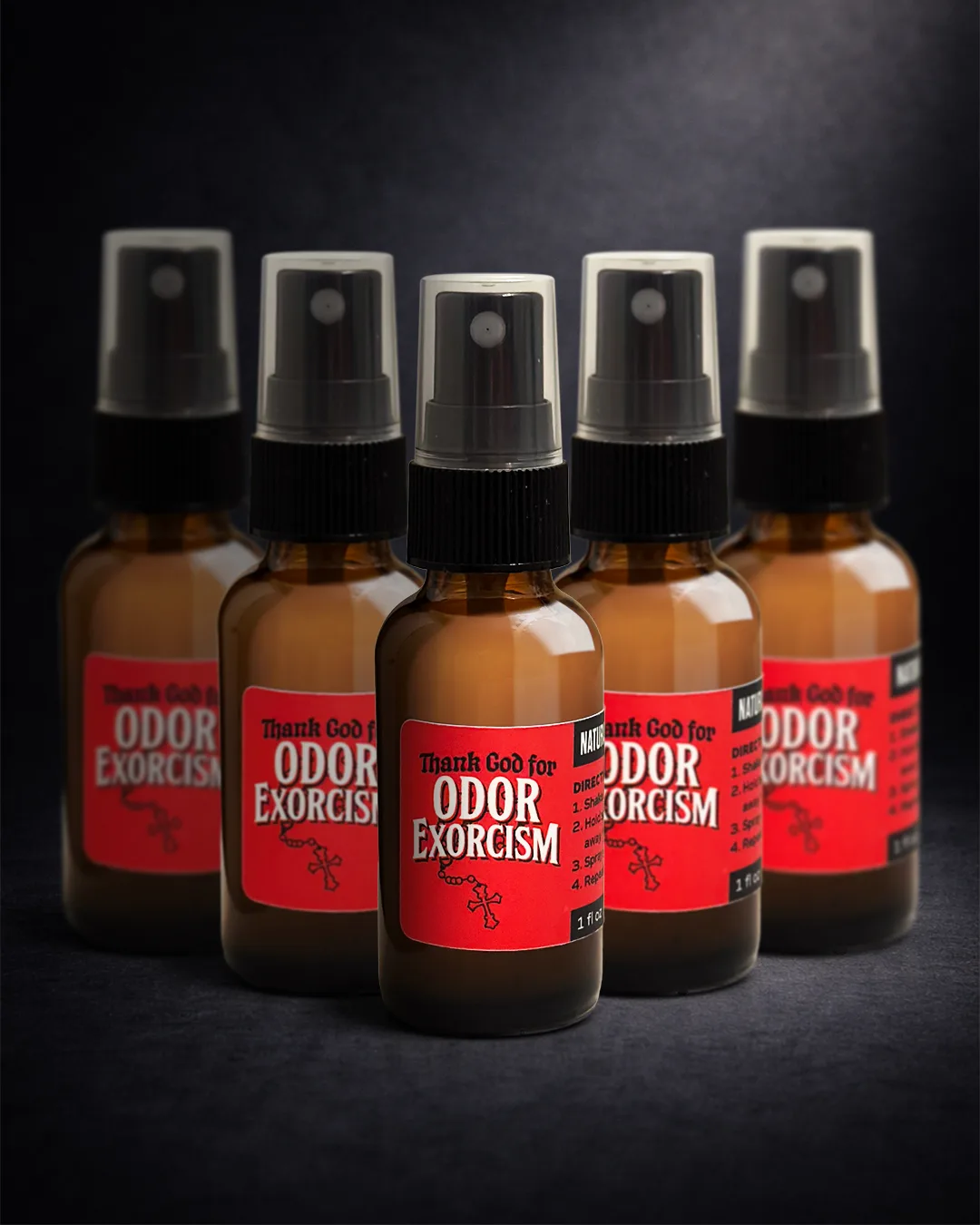
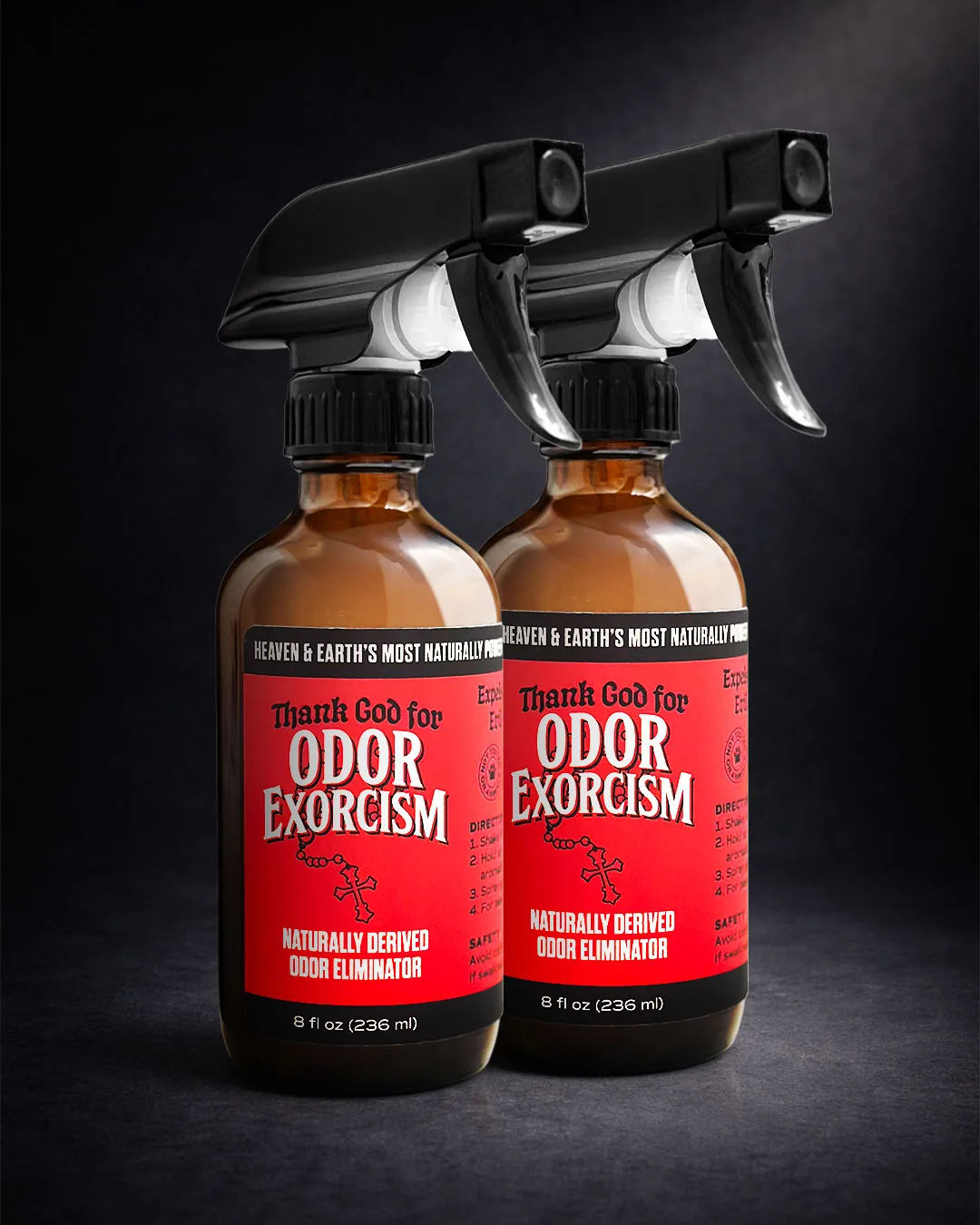
For example, a naturally derived odor-eliminating spray can be useful on washable and non-washable household surfaces where odors linger, such as carpets, upholstered chairs, shoes, bedding, and car interiors. Odor Exorcism is built around this principle: evict the funk first, then let the room smell like itself again.
Why Some People Avoid Synthetic Fragrance
Many people decide to limit synthetic fragrance because strong scents can be unpleasant or triggering for them. Headaches, nausea, throat irritation, and scent sensitivity are real experiences, especially in enclosed spaces. If your roommate gets a headache every time someone fires up a “Tropical Thunderstorm” aerosol, that is not a personality flaw. It is useful feedback.
Others prefer to avoid fragrance-heavy products because the ingredient label does not tell them enough. This is especially common among parents, pet owners, and people managing allergies or sensitivities. They may choose products with shorter ingredient lists, lighter scent levels, or clearly disclosed aromatic ingredients.
There is also an indoor-air argument. Homes are tightly sealed compared with the draftier houses of the past, which means scented sprays, plug-ins, candles, detergents, and cleaners can all accumulate in the same shared air. A little fragrance from one product might be fine. A scented detergent, fabric booster, plug-in, countertop spray, candle, and bathroom aerosol running at once can turn your home into an accidental perfume counter.
That does not mean your home has to smell like nothing. It means restraint can be a remarkably luxurious scent choice.
Essential Oils Have Limits Too
Essential oils are not a free pass to spray with holy abandon. They are potent, concentrated substances, and certain oils can irritate skin, bother sensitive individuals, or pose risks around pets and young children when misused. “Plant-based” is a source description, not a safety guarantee.
Use scented products as directed. Avoid spraying directly onto skin unless the product is specifically designed for that purpose. Be thoughtful around birds, cats, dogs, babies, and anyone with respiratory sensitivities. Ventilate when needed, and patch-test delicate fabrics or finished surfaces before treating a large, obvious area. No one needs a fresh-smelling velvet chair with a mysterious water ring.
Quality also varies. Some essential-oil products use meaningful botanical blends; others use a tiny amount of oil alongside a much larger fragrance system and lean hard on leafy label graphics. Read beyond the front of the bottle. Look for clear use instructions and an ingredient philosophy that is easy to understand without a chemistry degree or a séance.
When Synthetic Fragrance May Make Sense
Consistency is synthetic fragrance’s main superpower. A manufacturer can create a specific scent and reproduce it nearly identically, batch after batch. That is useful for people who want a predictable signature aroma, a long-lasting candle, or a scent that smells the same in every season.
Synthetic aroma materials can also recreate notes that are difficult, expensive, or unsustainable to obtain from plants. Not every fragrance ingredient is villainous by default, and not every essential-oil blend is automatically the better choice for every person or household.
The issue is less about purity contests and more about purpose, disclosure, and exposure. If you love a synthetic-fragrance product and it does not bother you, fine. Enjoy it. But if you are buying it to solve a persistent odor problem, ask whether you are actually removing the smell or just throwing a floral sheet over the ghost.
How to Choose a Better Home Scent Product
Start with the odor itself. A surface odor needs surface treatment. Trash odor needs the trash removed and the bin cleaned. Damp laundry needs to be rewashed and fully dried. A room spray cannot exorcise a problem that is still growing in the hamper.
Then decide whether you need neutralization, fragrance, or both. For pet beds, gym bags, shoes, upholstery, and bedding, prioritize odor control. For a guest bathroom, entryway, or quiet night in, a gentle scent product may be the finishing touch rather than the whole strategy.
A better label is usually one that gives you enough information to make a choice. Seek products that explain what they are designed to do, how to use them, and what kind of scent system they use. Be wary of products that promise “freshness” but offer no clue whether they eliminate odors or just perfume the air.
Finally, use less than you think. A home should smell welcoming, not as though an overenthusiastic cherub has been fogging it with mango mist since dawn. One or two well-placed products, used for distinct jobs, beats a dozen competing fragrances every time.
The Verdict: Choose Function Before Fragrance
Essential oils versus synthetic fragrance is not a contest with one universal winner. Essential oils can offer a plant-derived, more transparent route to scent, while synthetic fragrance can provide consistency and creative range. Both deserve careful use. Both can be overwhelming when overdone.
For a cleaner-feeling home, put odor removal ahead of scent masking, especially where funk lives in fabrics and surfaces. Once the real offender has been shown the door, choose a scent that feels good in your space, respects the people and animals sharing it, and does not try to raise the dead just to cover dinner smells.