How to Freshen Rental Carpets Without Trouble
Evangelize


August 16, 2026
That faint eau de previous tenant is not a personality trait your apartment needs to keep. Learning how to freshen rental carpets is mostly about removing what is trapped in the fibers without soaking the place, staining anything, or giving your landlord a reason to clutch their pearls at move-out.
Rental carpet has seen things. Shoes after rain. Takeout spills. Pets with questionable boundaries. A roommate who believed laundry piles were floor decor. The goal is not to perfume those ghosts into silence. It is to lift dirt, dry the carpet thoroughly, and neutralize the odors that make a clean-looking room smell oddly cursed.
Start by protecting your deposit
Before you unleash any cleaner, read your lease and take a few photos in daylight. If there are old stains, snags, bleach marks, or dark traffic paths, document them now. You do not want to debate whether that mystery spot existed before you moved in when your security deposit is on the altar.
Check whether your landlord requires professional cleaning when you leave or bans certain machines and products. Some leases are very specific about steam cleaners because excess moisture can seep into carpet padding, create mold, or damage floors beneath. Rules vary, and ignoring them for the sake of a fresher living room is a deeply unglamorous way to lose money.
Then test any product on a hidden patch of carpet, such as inside a closet or beneath furniture. Wait until it dries. Even a gentle formula can react differently with cheap rental carpet, old backing, or mystery treatments applied by the last occupant.
How to freshen rental carpets without soaking them
The safest first move is also the least glamorous: vacuum like you mean it. Go slowly in overlapping passes, then change direction and do it again. Dirt, hair, crumbs, and dust hold onto odor molecules, so removing the debris gives every next step a better chance of working.
If the carpet is mostly dull or musty rather than visibly dirty, choose a low-moisture refresh. Lightly mist an odor-neutralizing spray made for soft surfaces, rather than dumping liquid into the fibers. The carpet should feel barely damp, not wet enough to squish underfoot. Open windows if weather allows, run a fan, and keep people and pets off the area until it is dry.
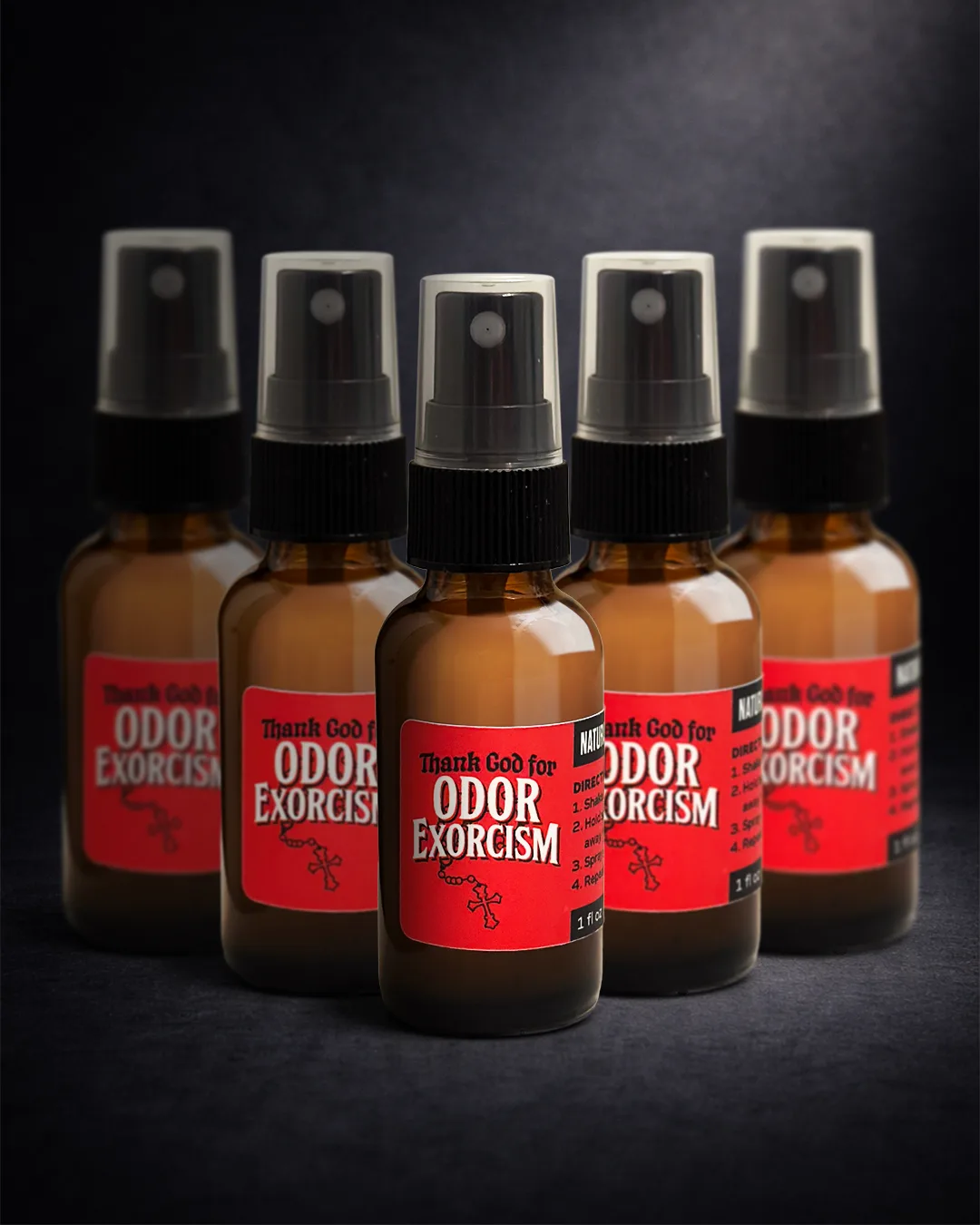
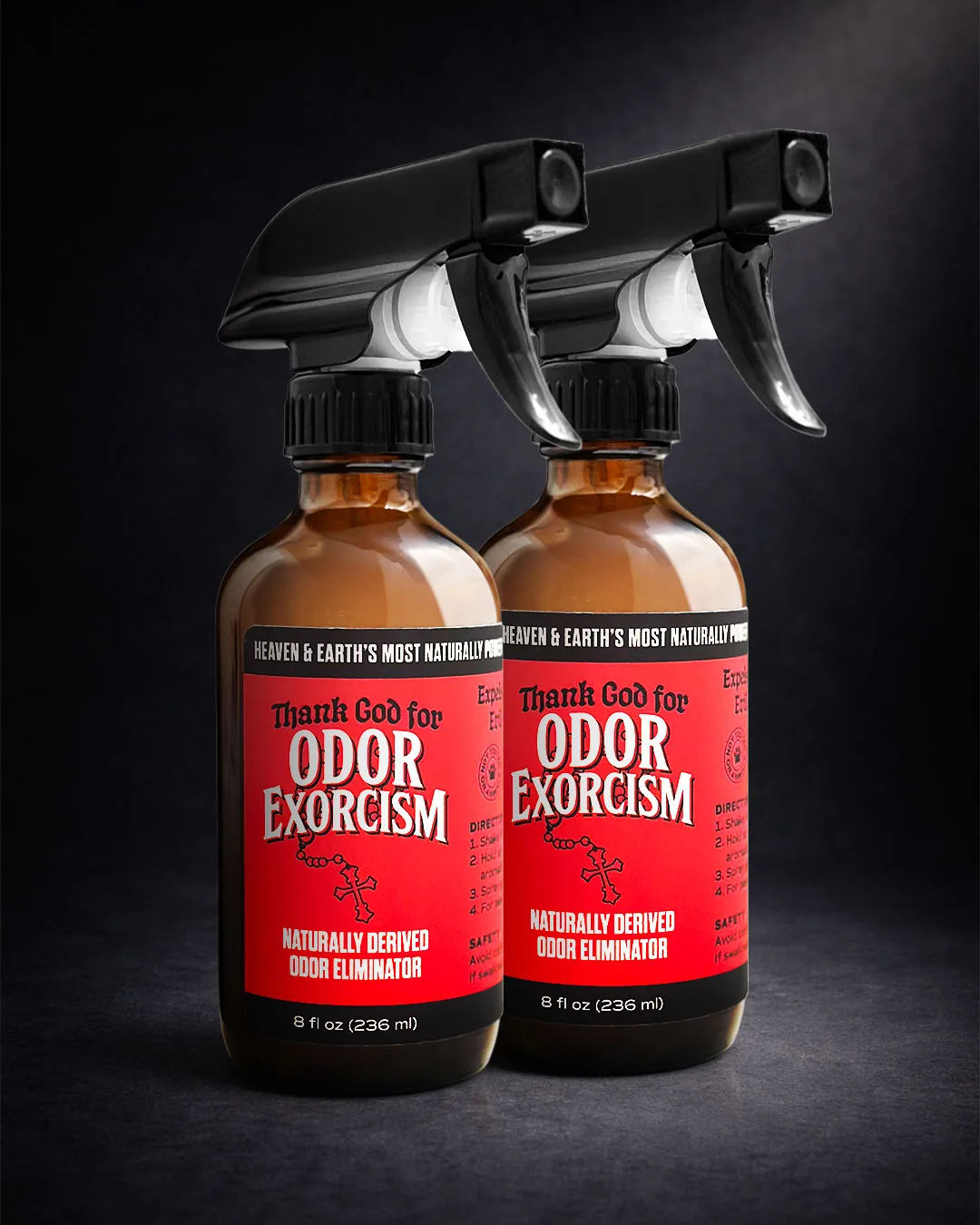
Odor Exorcism can be used as that light refresh for carpets and rugs when the problem is stale fabric odor, not a carpet-sized crime scene. A naturally derived odor eliminator is a better guest in a small apartment than a heavy synthetic fragrance cloud that announces itself three rooms before you do.
For a small stain, blot first with a clean white cloth. Do not scrub like you are trying to excavate the underworld. Scrubbing spreads the spill, roughs up fibers, and can leave a fuzzy patch that looks worse than the original stain. Work from the outer edge toward the center, use only a little moisture, and blot dry between applications.
Match the cleanup to the demon
Not every carpet smell has the same source, which means one universal trick is not always enough. Mustiness from closed windows and old dust responds well to vacuuming, airflow, and a light odor treatment. Food spills need prompt blotting, while pet accidents require a cleaner designed to break down the organic residue causing the smell.
If you can still smell urine after the carpet dries, a fragrance spray alone will not solve it. The odor may be in the padding or subfloor, especially if it is old or repeated. An enzyme cleaner can help with fresh, localized pet messes, but it needs time to work and should be used according to its label. Keep the treated spot lightly moist only as directed, then dry it completely.
A sour, mildew-like smell deserves extra caution. Look for a leak, wet padding, damp wall, or a spot that stays cool and moist. Freshening a carpet with an active moisture problem is like putting a candle next to a haunted crypt: atmospheric, perhaps, but not a fix. Tell your landlord in writing right away. Moisture damage and mold are building issues, not renter DIY projects.
Skip the powdery cover-up ritual
Baking soda gets treated like a domestic saint, and it can help absorb some light odors when used sparingly. But leaving piles of it in rental carpet is not automatically harmless. Fine powder can linger in fibers, clog some vacuums, and become a gritty headache if it gets damp.
If you use it, apply a very light dusting to a dry, odor-free-from-moisture carpet, leave it for a few hours, and vacuum slowly and thoroughly. Do not mix it with vinegar in the carpet. The fizzy science-fair moment may be entertaining, but once the reaction ends, you are mostly left with moisture and residue – neither belongs in a rental carpet.
Also skip essential oil blends poured directly onto carpet, even if they smell heavenly in a diffuser. Oils can leave greasy marks, attract dirt, and be irritating for pets or sensitive household members. A product formulated and labeled for carpets is the less dramatic choice, which is exactly what you want when your lease is involved.
When a rental carpet needs deeper cleaning
Sometimes a refresh is not enough. If the carpet looks gray in walkways, feels sticky, has widespread stains, or smells worse on humid days, it may need extraction cleaning. Your options depend on the lease, the carpet, and the scale of the mess.
A rental machine can work for a large area, but only if you use it with restraint. Too much solution or too many passes can soak the padding. Use the recommended amount of cleaner, make more dry passes than wet passes, and plan for strong airflow afterward. A fan, open windows, and a dry day make a difference. If the carpet is still damp after 24 hours, notify the property manager rather than hoping the swamp scent will pass.
For entrenched odors, water damage, or stains that were there before you arrived, professional cleaning may be the smarter move. Ask the landlord whether they have an approved vendor or whether they will address the issue themselves. It is reasonable to expect a habitable, reasonably clean rental. It is not reasonable to quietly absorb the cost of correcting years of neglect without asking first.
Keep the fresh feeling from fleeing
Once the carpet is clean, small habits prevent the usual odor resurrection. Use a doormat, take shoes off near the door, vacuum weekly in high-traffic rooms, and clean spills before they settle in. If you have pets, wash bedding regularly and address accidents immediately. Carpet absorbs whatever happens above it, so the easiest way to keep it fresh is to stop feeding it a steady diet of grime.
Pay attention to the air, too. Run a bathroom fan during showers, ventilate after cooking, and avoid drying wet towels or clothes on the carpet. When a room smells stale, the carpet may be part of the problem, but the room’s humidity and airflow are often accomplices.
The best rental-carpet strategy is wonderfully unholy in its simplicity: clean the source, use as little moisture as possible, dry everything fast, and document anything that belongs on the landlord’s to-do list. Your home should smell like your life, not like the tenant who escaped before you.