Best Odor Eliminator for Closets That Works
Evangelize


August 2, 2026
A closet can look perfectly civilized while harboring the aroma of a damp basement, old gym socks, and a mystery from 2017. Finding the best odor eliminator for closets is not about fogging the space with enough perfume to offend the dead. It is about getting rid of the odor source without turning every sweater into a synthetic-fragrance crime scene.
Closet odor is especially annoying because it transfers. Hang a clean shirt beside a musty coat, shut the door for a few days, and suddenly your shirt has joined the dark side. The right solution depends on what is causing the smell, how much moisture is involved, and whether you need a quick rescue or a longer-term cleansing ritual.
Why closets become odor crypts
Closets are small, dark, enclosed, and often packed wall-to-wall with fabric. In other words, they are a five-star resort for stale air. Clothes carry in sweat, body oils, pet dander, food smells, outdoor grime, and laundry that may have been put away before it was completely dry. Shoes contribute their own deeply personal testimony.
Moisture makes the situation worse. A closet against an exterior wall, a room with poor ventilation, or a humid apartment can create the damp conditions that encourage mildew and that unmistakable old-house smell. Even a clean closet can get stale when there is no airflow and too much stuff pressed together.
That is why a scented sachet alone may not solve the problem. It can make the closet smell like lavender-adjacent mustiness, which is not the fresh start anyone requested.
What the best odor eliminator for closets actually does
The best product does more than add a pleasant smell. It should help neutralize odors on the surfaces where they cling, especially clothing, shoes, fabric storage bins, carpeting, and upholstered closet seating. A spray that is suitable for both soft and hard household surfaces is often more useful than a product that only perfumes the air.
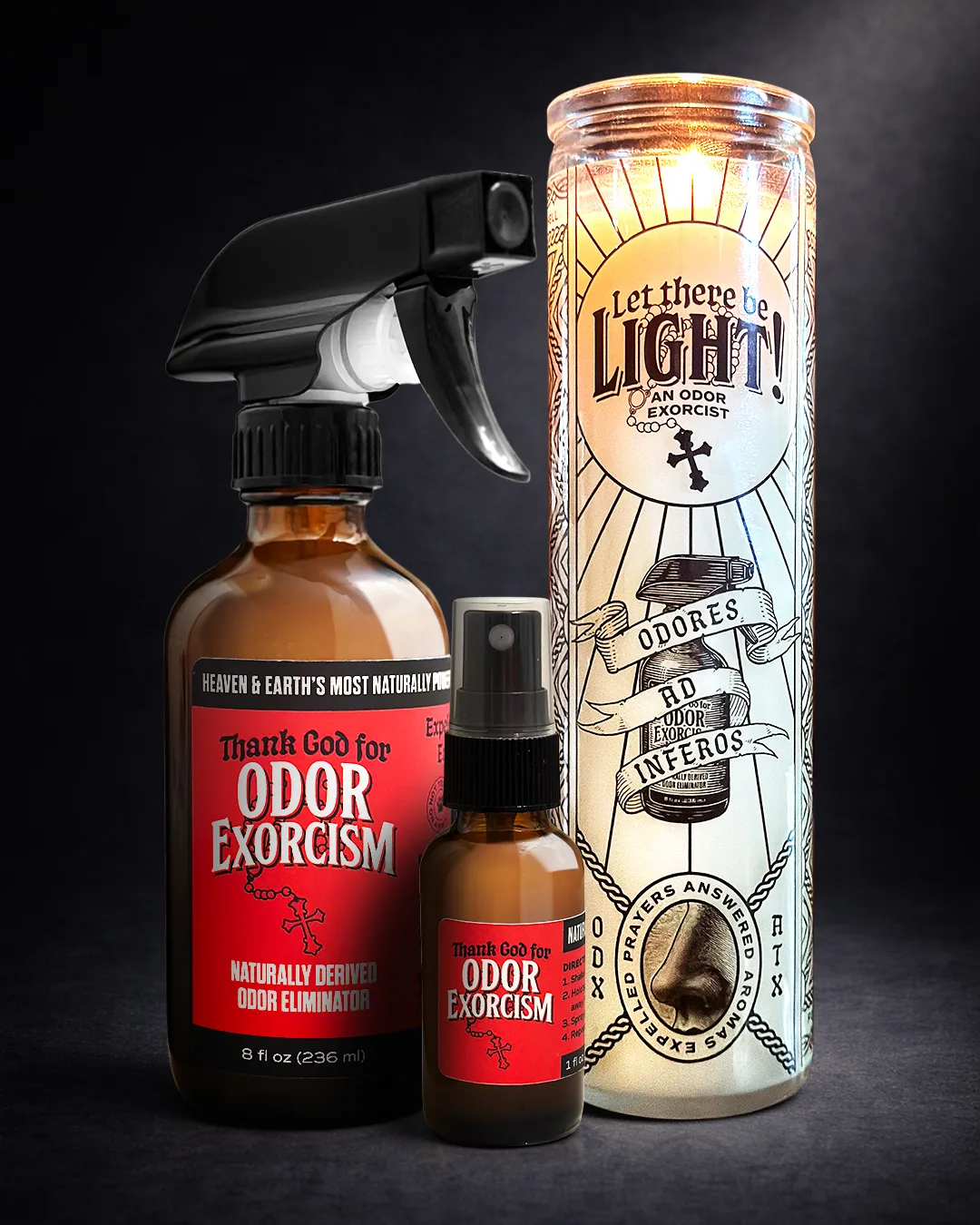
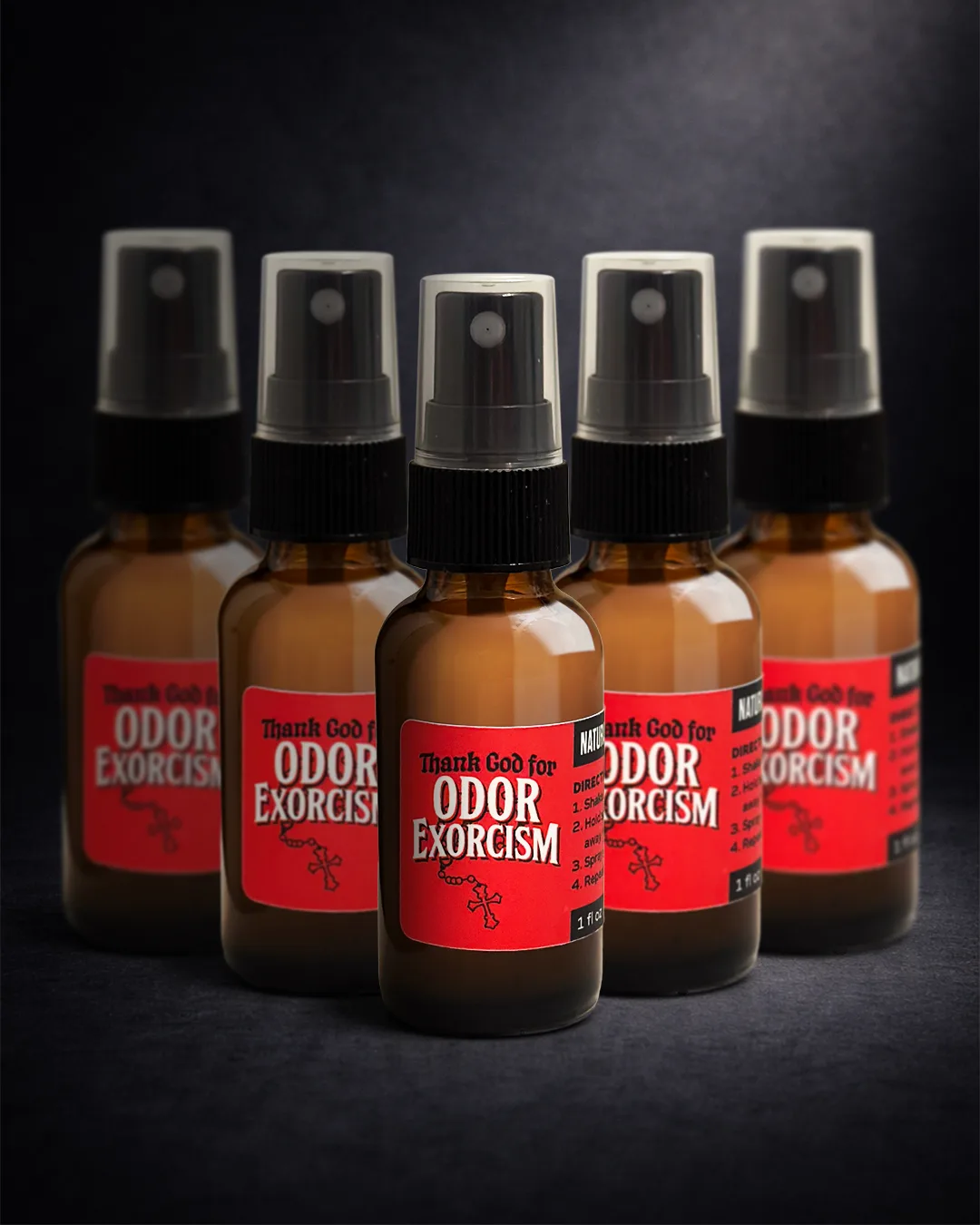
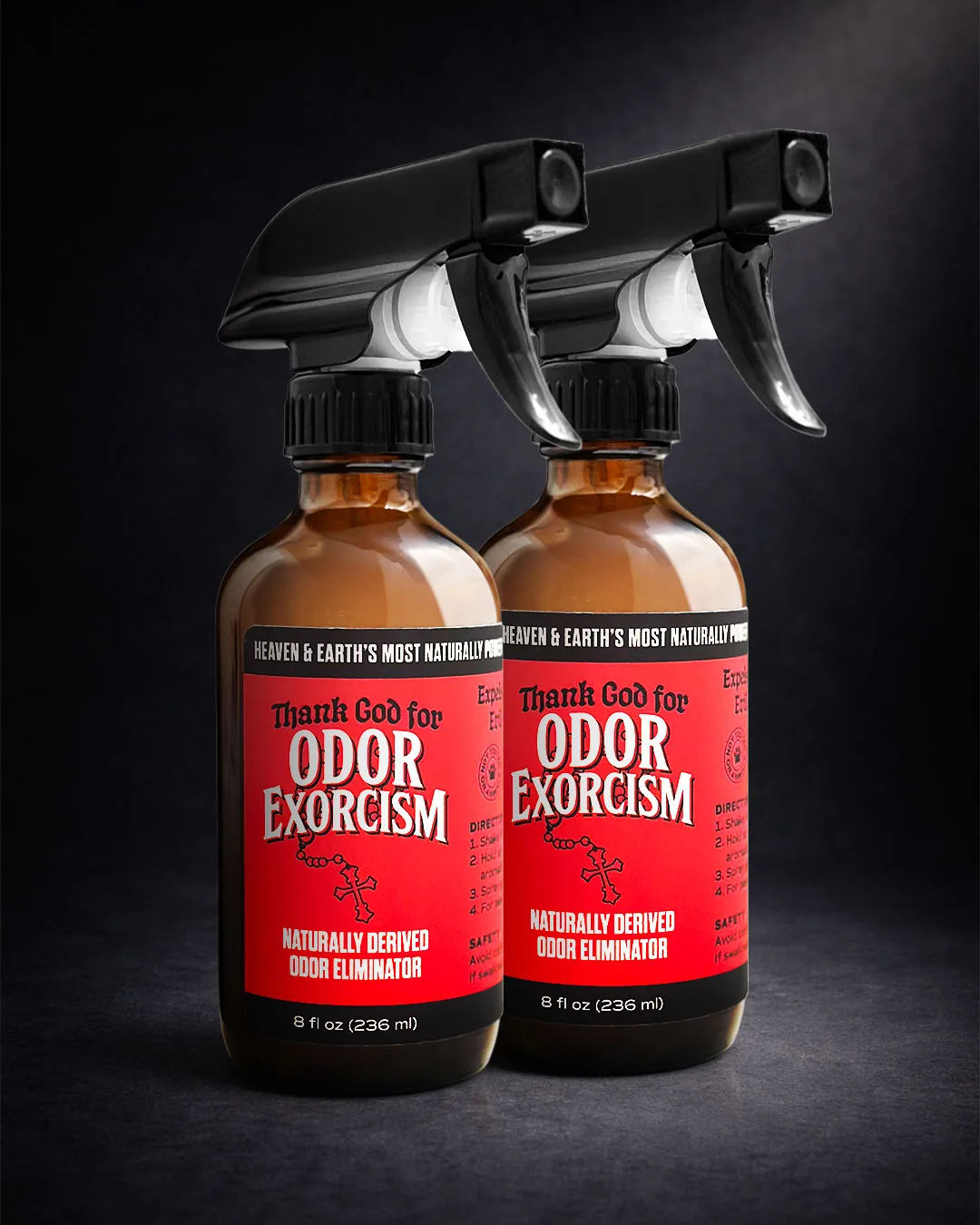
For everyday closet funk, a naturally derived odor-eliminating spray can be the practical lead player. Lightly treat the source materials, let them dry fully, and give the closet time to air out. Odor Exorcism is designed for exactly this kind of household haunting: naturally derived, essential-oil-based odor elimination for fabrics and surfaces, without relying on a heavy synthetic-fragrance cover-up.
Passive odor absorbers have a different job. Activated charcoal, baking soda, and moisture absorbers can help manage stale air or humidity over time. They are useful supporting characters, particularly in a small closet, but they do not replace cleaning a mildewed shoe rack or treating the jacket that smells like last winter’s bonfire.
A good closet strategy usually has two parts: remove or treat the source, then keep air and moisture from resurrecting the problem.
Match the solution to the smell
For clothes that smell stale but are not dirty
If freshly laundered clothes smell flat after sitting in storage, first check that they were completely dry before being folded or hung. Then pull items apart instead of treating the whole closet like a perfume cannon. A light mist of an odor-neutralizing spray on the affected garment, followed by full air-drying, can refresh the fabric without requiring another full laundry cycle.
Test any product on a discreet area first, especially with silk, leather, suede, vintage fabrics, or dry-clean-only pieces. “Natural” does not mean every material wants to be sprayed with abandon. Delicate fabrics can be dramatic, and frankly, they have earned that right.
For shoes and athletic gear
Shoes are often the main demon in the room. Remove them from the closet if possible, treat the interior as directed, and allow them to dry before putting them back. If the shoes are wet from rain, workouts, or questionable life choices, drying them is nonnegotiable. No spray can outmuscle trapped moisture forever.
For gym bags, washable inserts, and fabric bins, deal with the smell before they return to the closet. Otherwise, they will keep baptizing everything nearby in Eau de Locker Room.
For mildew or a damp, earthy odor
A mildew smell calls for more than a scent product. Inspect the closet for wet walls, plumbing leaks, a leaking roof, wet carpeting, or condensation. Remove damp textiles and dry the area thoroughly. Clean visible mildew according to the surface and the severity of the problem, and address the moisture source before restocking the space.
If you see extensive mold, suspect a hidden leak, or notice odors returning quickly after cleaning, bring in a qualified professional. This is not a situation to solve with courage, candles, and the power of positive thinking.
For pet odor
Pet bedding, blankets, toys, and the occasional cat-approved hiding place can perfume a closet fast. Wash what can be washed, then neutralize lingering odor on appropriate fabrics and hard surfaces. Keep dirty pet items separate from clean clothes, because your favorite wool sweater should not have to smell like it has been fostering a golden retriever.
How to reset a smelly closet without making it worse
Start by emptying enough of the closet to see what is actually happening. You do not need to conduct a museum-quality inventory, but you do need access to the floor, corners, shelves, and shoe area. Vacuum dust, hair, and debris, then wipe hard surfaces with a cleaner appropriate for the material.
Next, isolate the offenders. Wash dirty laundry, dry damp items, clean shoes, and remove cardboard boxes that have absorbed years of basement energy. Treat lingering smells on suitable surfaces with an odor eliminator, using a light, even application rather than soaking fabrics. Give everything time to dry before closing the door again.
Once the immediate odor is gone, create some breathing room. Avoid cramming clothes tightly together. Leave a little space around exterior walls, use breathable storage for seasonal items, and open the closet periodically if airflow is limited. If humidity is a recurring issue, use a moisture absorber and monitor the room itself.
Do not use more fragrance to compensate for a problem that has not been cleaned. Overloading the closet with scented beads, plug-ins, and sprays can create a headache-inducing mashup that still has a musty undertone. That is not freshness. That is a cover band playing too loud.
Spray, charcoal, or moisture absorber?
There is no single tool that wins every closet battle. A spray is best when odor is attached to fabric, shoes, bins, or surfaces and you want a direct response. Charcoal and baking soda are best for mild background staleness and ongoing maintenance. Moisture absorbers are best when humidity is the real villain.
If your closet smells like one specific object, treat or clean that object. If the whole room smells damp, investigate ventilation and water. If the closet is simply stale because it stays shut and overstuffed, a combination of light surface treatment, airflow, and an absorber is usually the sanest approach.
A few closet odor questions, exorcised
Can I spray odor eliminator directly on clothes?
Often, yes, if the product is labeled for fabric and the garment can tolerate it. Use a light mist and test an inconspicuous spot first. Let the item dry completely before wearing or putting it away.
Will an odor eliminator remove mold?
No. It may help with residual odors after proper cleaning, but it does not replace mold remediation or fixing the moisture issue that caused growth. Visible mold and recurring dampness deserve real attention.
Why do clean clothes smell musty in the closet?
The usual culprits are incomplete drying, a dirty hamper or washing machine, poor closet airflow, high humidity, or a nearby odor source such as shoes, cardboard, or damp carpeting. Clean the space and the source, not just the shirt.
The closet does not need to smell like a department-store candle aisle to feel clean. It needs dry air, treated surfaces, and enough room for your clothes to stop absorbing each other’s sins. Give it that, and opening the door will feel less like releasing an ancient curse and more like getting dressed.