Why Do Shoes Smell So Bad? The Real Reason
Evangelize


July 31, 2026
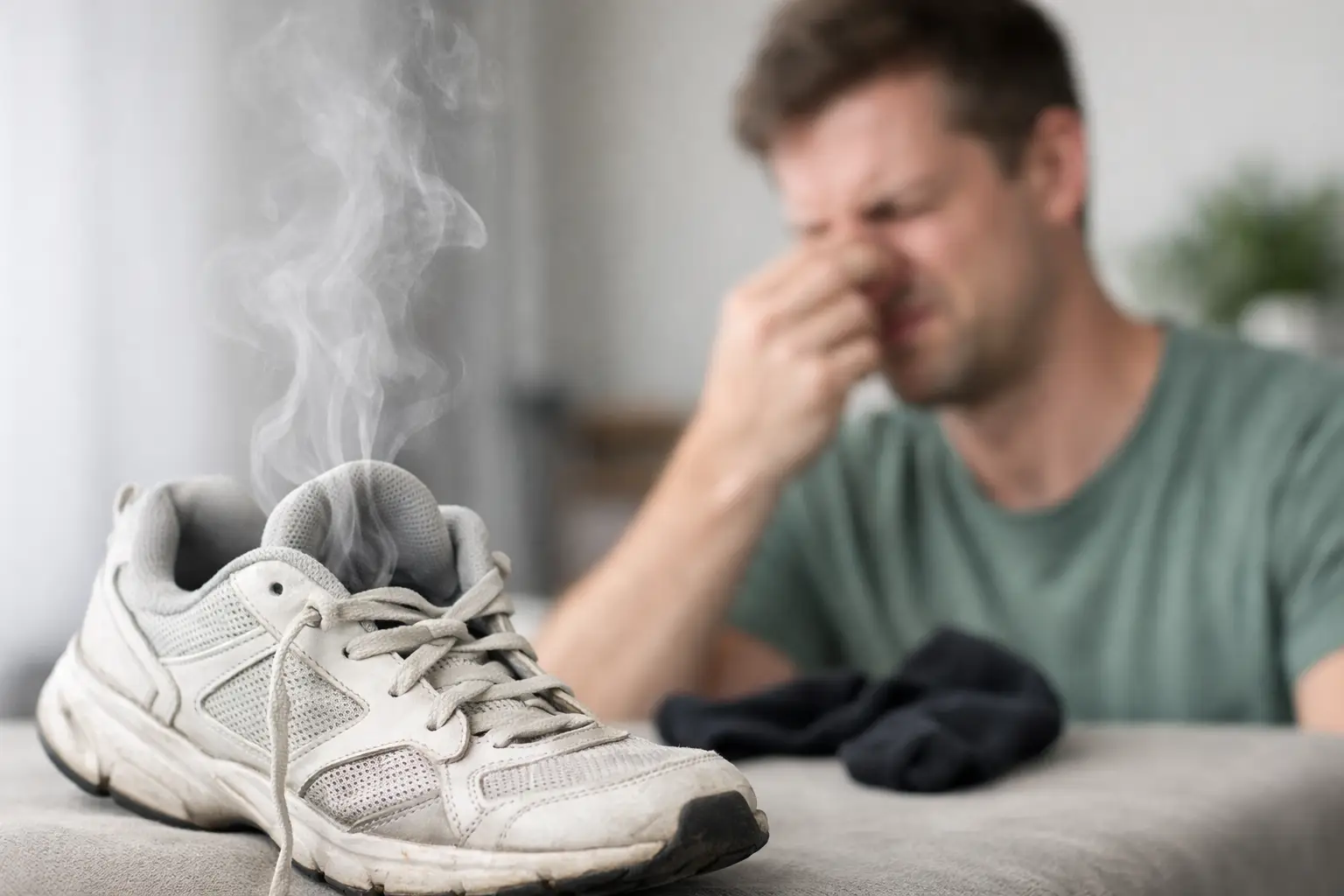
A pair of sneakers can look perfectly innocent from across the room, then unleash a locker-room demon the second the laces come loose. If you have ever asked, why do shoes smell so bad, the answer is not that your feet are uniquely cursed. It is biology, moisture, trapped heat, and a tiny bacterial rave happening inside a dark fabric cave.
The good news: shoe odor is usually fixable. The less-good news: tossing in a perfumed dryer sheet or blasting the shoe with synthetic fragrance does not solve the possession. It just gives the demon a floral costume.
Why Do Shoes Smell So Bad in the First Place?
Your feet have more sweat glands than almost anywhere else on your body. They can produce a surprising amount of sweat in a day, especially when you are walking, working out, commuting, chasing children, or spending eight hours in shoes that breathe about as well as a plastic bag.
Fresh sweat is mostly odorless. The trouble starts when sweat soaks into socks, insoles, lining, and the little creases inside your shoes. Bacteria on your skin feed on the moisture and dead skin cells there. As they break that material down, they create smelly compounds. That is the sour, cheesy, gym-bag-adjacent odor invading your entryway.
Shoes are a particularly effective stink incubator because they hold onto heat and humidity. Instead of evaporating, moisture lingers in foam, fabric, leather, and insoles. Put the same pair back on before it has dried completely, and you are essentially reopening the nightclub for microbes.
Some shoes are built to hold a grudge
Not all footwear traps odor equally. Running shoes, work boots, cleats, slip-ons, and synthetic-lined fashion sneakers are frequent offenders because they often combine sweat, tight spaces, and materials that dry slowly. Foam insoles are especially talented at absorbing the evidence.
Natural materials can breathe better in some cases, but they are not magically immune. Leather shoes can smell when they stay damp. Canvas shoes can soak up sweat like a thirsty sponge. Even sandals can develop a funky footbed if they are worn daily and never cleaned.
The real issue is not whether a shoe is expensive, trendy, or allegedly athletic. It is whether moisture and odor-causing residue have been allowed to move in rent-free.
The Things That Make Foot Odor Worse
One sweaty day will not necessarily turn your shoes into a biohazard zone. Repeated wear without enough drying time is usually the bigger villain. Wearing the same pair every day gives bacteria a stable, damp home, and they are terrible houseguests.
Socks matter too. Thin socks that get saturated quickly, socks made from materials that hold moisture, or no-show socks worn past their last honorable day can all contribute. Going sockless in closed shoes gives sweat direct access to the lining and insole, which is convenient only if your goal is to create an odor legend.
Foot health can also play a role. Excessive sweating, fungal conditions such as athlete’s foot, and skin irritation can intensify odor or make it harder to control. If your feet itch, peel, crack, burn, or smell unusually strong even after washing and changing socks, it is smart to check in with a healthcare professional. A shoe spray is powerful household help, not a substitute for medical care.
Why Covering Up Shoe Smell Usually Backfires
The classic response to stinky shoes is to spray something heavily scented into them and hope for the best. For a few minutes, the result may smell like tropical fruit fighting a wrestling match with old sweat. That is not freshness. That is confusion.
Fragrance can mask an odor temporarily, but it does not necessarily address the residue and odor molecules hanging around in the shoe. Worse, heavy synthetic fragrance can be a headache for ingredient-conscious households, sensitive noses, kids, pets, or anyone who does not want their hallway to smell like a chemical candle aisle.
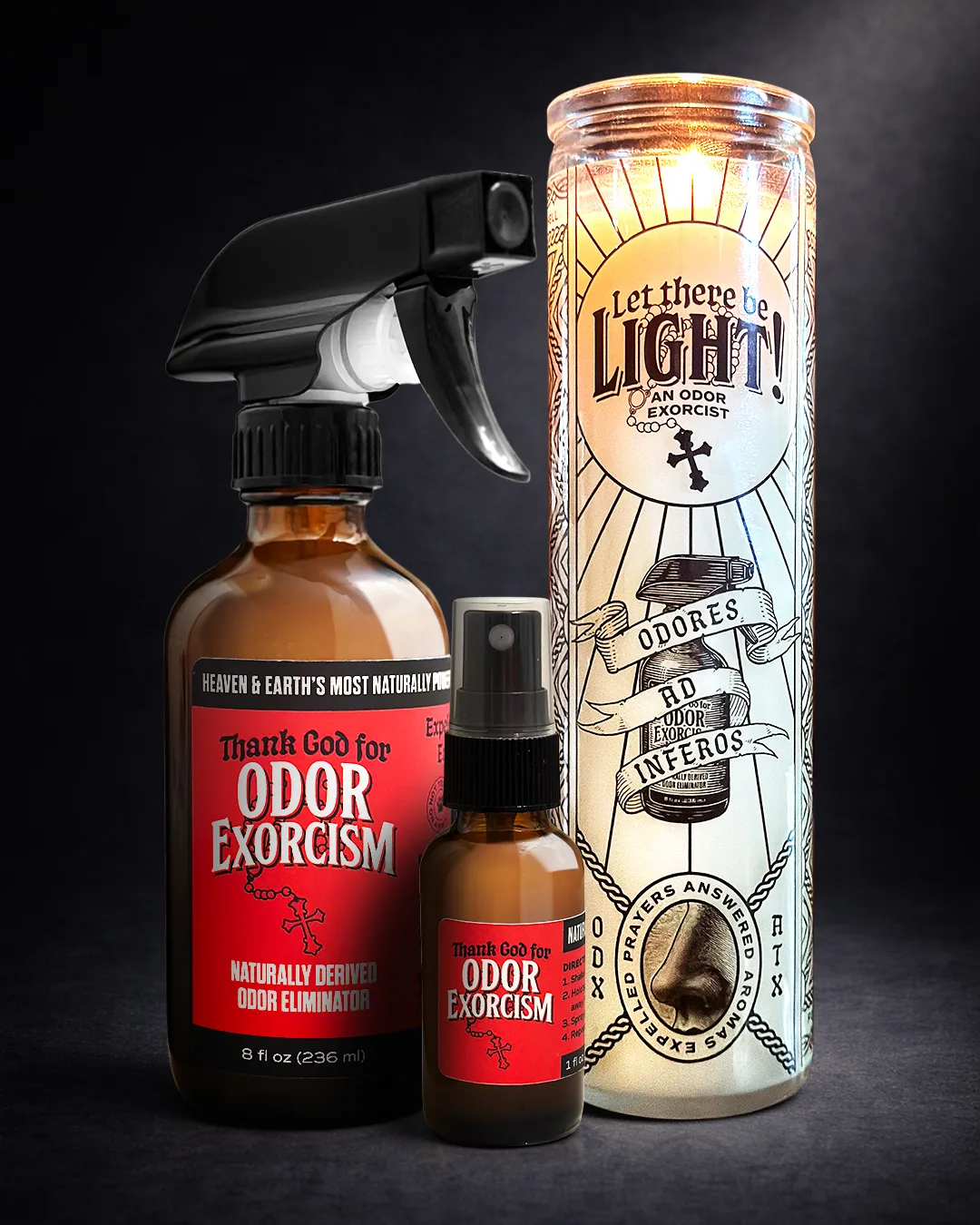
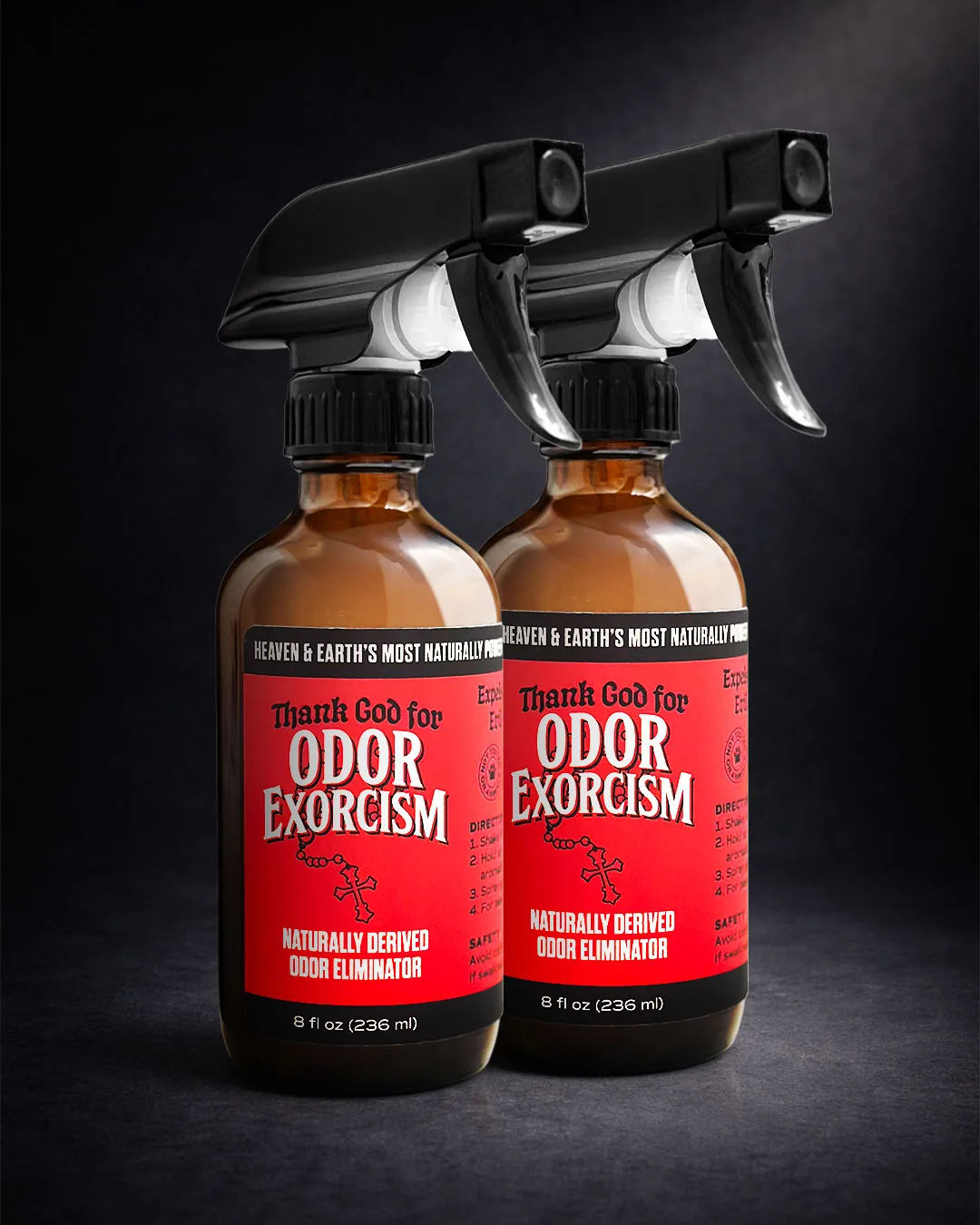
A better approach is to clean away what you can, dry the shoe thoroughly, and use an odor eliminator designed to neutralize bad smells rather than simply perfume them into submission. Odor Exorcism is made for exactly that kind of domestic haunting: naturally derived odor elimination for the surfaces and fabrics where household smells like to hide.
How to Get the Smell Out of Shoes Without Ruining Them
There is no single ritual for every pair. A washable canvas sneaker can handle more cleaning than a suede loafer, and leather needs gentler treatment than a mesh gym shoe. Still, the basic strategy remains the same: remove the source material, reduce moisture, and treat lingering odor.
Start by letting the shoes breathe
Take shoes off in a ventilated area instead of sealing them immediately inside a gym bag, closet, or plastic bin. Pull out removable insoles and loosen the laces so air can reach deeper inside. If the shoes are wet from rain or a workout, stuff them lightly with clean paper to absorb moisture, changing it if it becomes damp.
Do not cook your shoes on a radiator or blast them with extreme heat. High heat can warp foam, weaken adhesives, crack leather, and turn a minor smell issue into an expensive footwear funeral. Room-temperature airflow and patience are less dramatic, but they get the job done.
Clean what can actually be cleaned
For washable sneakers, follow the care instructions from the manufacturer. Often, a gentle hand-cleaning with mild soap and water is safer than tossing shoes into a washing machine, which can damage structure and glue. Wash laces separately. If insoles are removable and washable, clean those too, since they are often the main crime scene.
For leather, suede, and specialty footwear, use methods appropriate to that material. Avoid soaking them. A lightly damp cloth and a shoe-safe cleaner may be enough for surface grime, while a professional cleaner may be the better call for valuable shoes.
Treat the odor, then let the shoe dry fully
Once you have removed dirt and allowed the interior to air out, apply a suitable odor-eliminating spray according to its directions. Focus on the inside lining, insole, toe box, and any fabric areas that hold sweat. Do not saturate delicate materials, and always test a small, less-visible area first if you are unsure how a material will react.
Then let the shoes dry completely before wearing them. This is the part people skip because life is rude and the good sneakers are by the door. But putting damp shoes back on restarts the entire odor cycle.
Keep the Shoe Demon From Returning
Prevention is less glamorous than a full-scale exorcism, but it saves time and preserves your shoes. Rotate between at least two pairs when possible so each pair gets a full day to dry. Change socks daily, and change them again after a workout or a long hot day. Washing feet well and drying between the toes also cuts down on the moisture bacteria need.
If you are hard on a favorite pair, make odor care part of the routine rather than waiting until the smell has its own zip code. Air them out after use. Clean insoles regularly. Treat lingering odor early. And do not leave wet shoes sealed in a gym bag overnight unless you enjoy opening portals to the underworld before breakfast.
FAQ: Can I Put Baking Soda in Smelly Shoes?
Baking soda can help absorb some odor and moisture, particularly in dry shoes. The downside is the powder can be messy, settle into seams, and leave residue behind. It is a decent occasional backup, not a complete cleaning plan. If you use it, place it in a breathable sachet rather than dumping a white avalanche directly into the toe box.
FAQ: Why Do My Shoes Still Smell After Washing?
The odor may be living in the insoles, foam, or lining rather than the visible exterior. The shoes may also have dried too slowly, allowing bacteria to continue thriving. Remove and clean or replace old insoles when possible, treat the interior, and make sure everything is completely dry before the next wear.
Your shoes do not need to smell like a fake ocean breeze to be clean. They just need the sweat, moisture, and odor buildup evicted. Give them air, give them a proper clean, and deal with the stink at its source. The demons can find another place to live.