7 best non toxic home fragrance options
Evangelize


June 17, 2026
That fake “ocean breeze” smell from a plug-in? It can haunt a room longer than last night’s fish tacos. If you’re searching for the best non toxic home fragrance options, you’re probably not looking for a perfume grenade that covers up household funk while coating the air in mystery chemicals. You want your place to smell clean, calm, and actually livable – without summoning a headache every time the scent kicks on.
The tricky part is that “home fragrance” and “non-toxic” do not always get along. Plenty of products smell good for five minutes and then turn the room into a synthetic fog machine. Others lean so hard into the natural angle that they barely do anything at all. The sweet spot is a fragrance option that respects your lungs, your surfaces, your pets and kids, and your nose.
What makes a home fragrance option truly low-tox?
Let’s clear out the demons first. “Non-toxic” is a useful phrase, but it’s not a regulated magic spell. Brands can toss it around pretty casually. What matters more is how a product is made, what creates the scent, and whether it’s trying to neutralize odor or just bury it under fake vanilla cupcake fumes.
In most homes, the biggest red flag is heavy synthetic fragrance. That can mean a complicated blend of undisclosed ingredients that smells intense but tells you very little about what you’re actually breathing. Some people tolerate that just fine. Others get headaches, irritation, or that weird throat-scratchy feeling that says your air freshener is picking a fight.
Cleaner home fragrance options usually keep things simpler. Think essential oil-based scents, plant-derived ingredients, soy wax instead of paraffin in candles, and formulas that avoid the usual cloud of propellants and harsh additives. That does not mean every natural product is automatically perfect. Essential oils can still be potent, and some formats work better in certain rooms than others. It depends on your space, your sensitivity level, and whether you’re dealing with stale air or a full-blown odor possession.
7 best non toxic home fragrance options for real homes
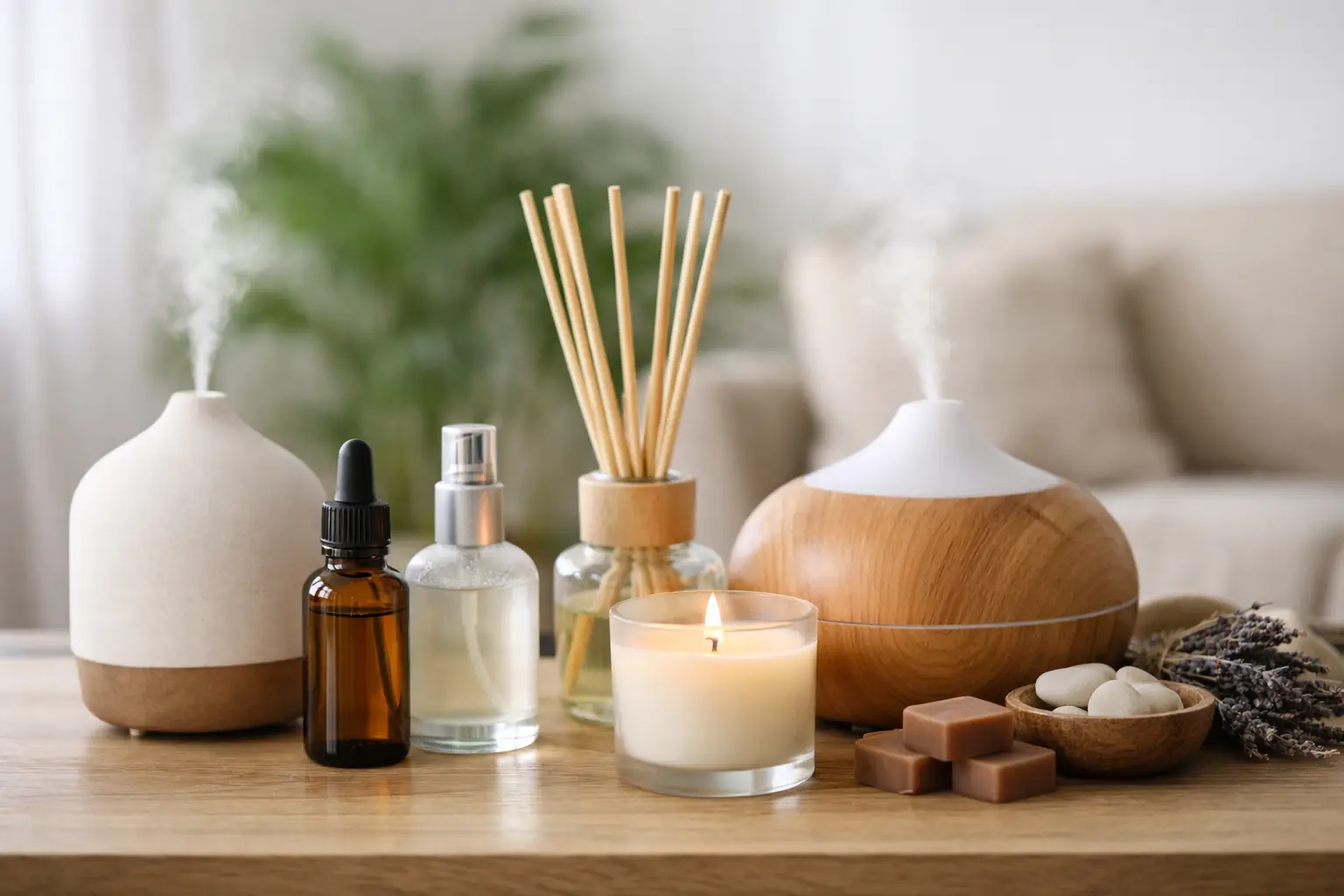
1. Essential oil room sprays
A good room spray is one of the fastest ways to change the mood of a space without committing to hours of scent. The better versions use naturally derived ingredients and essential oils instead of leaning on dense synthetic perfume.
This format works especially well when you want control. One or two sprays in the entryway, bathroom, bedroom, or on soft furnishings can freshen a room without turning it into a fragrance hostage situation. The catch is that room sprays vary wildly. Some just smell nice. Some actually tackle odor. If your couch, sneakers, pet bed, or bedding are holding onto smells like cursed relics, a spray that neutralizes odors is much more useful than one that simply floats a nicer scent on top.
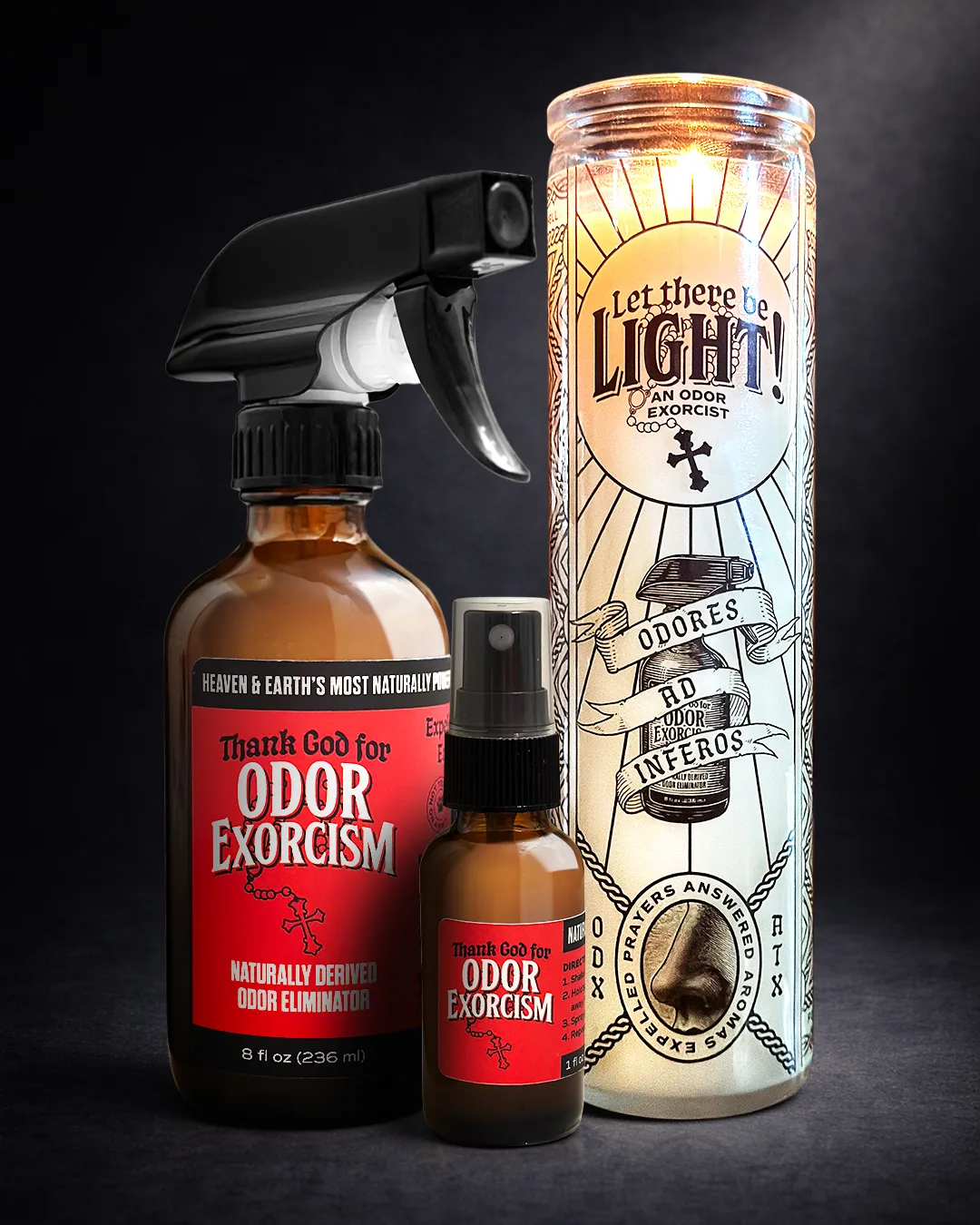
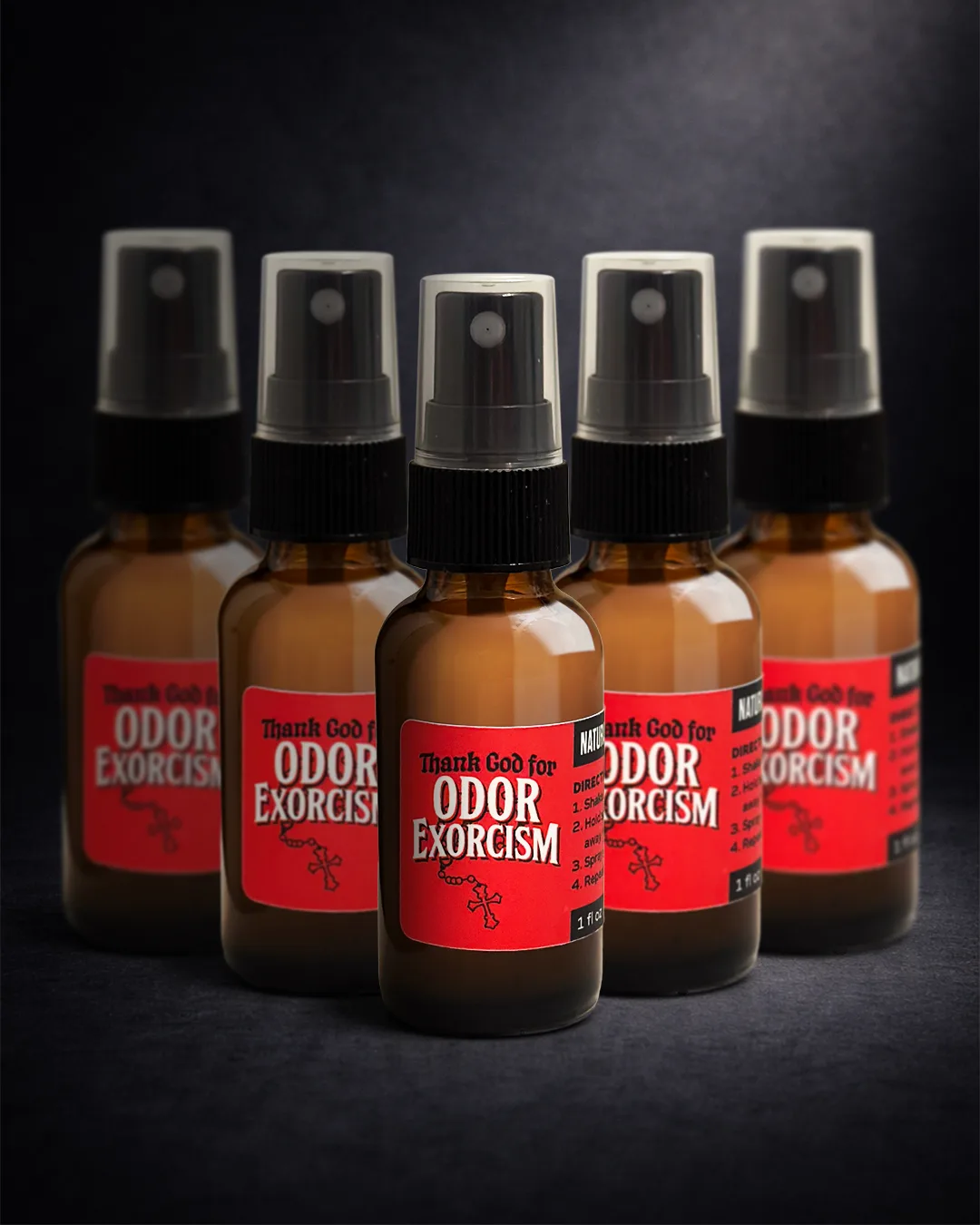
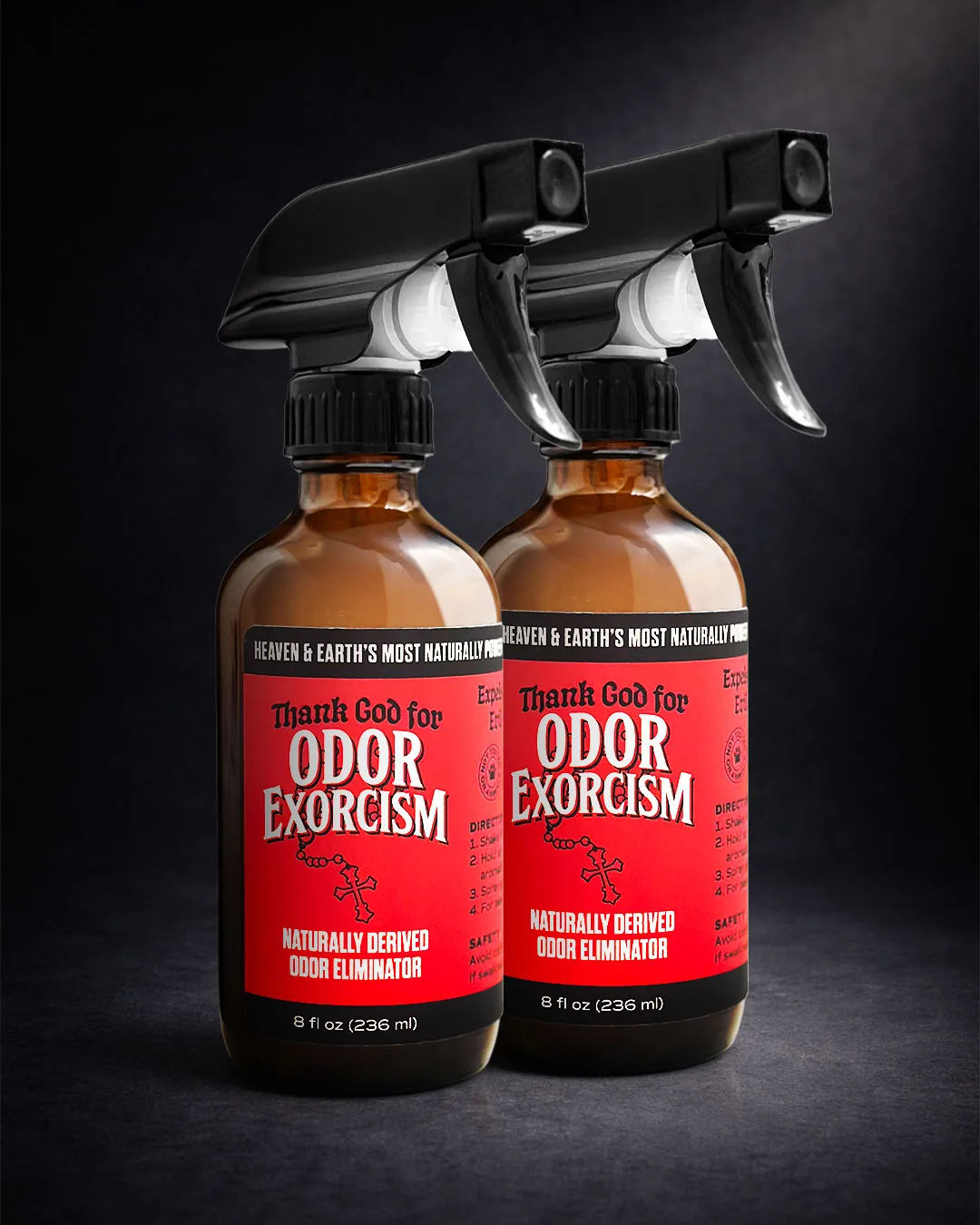
That’s where a product like Odor Exorcism makes more sense than a standard air freshener. It is built to confront the stink itself, not just wave incense at the demon and hope for the best.
2. Soy wax candles with cleaner scent profiles
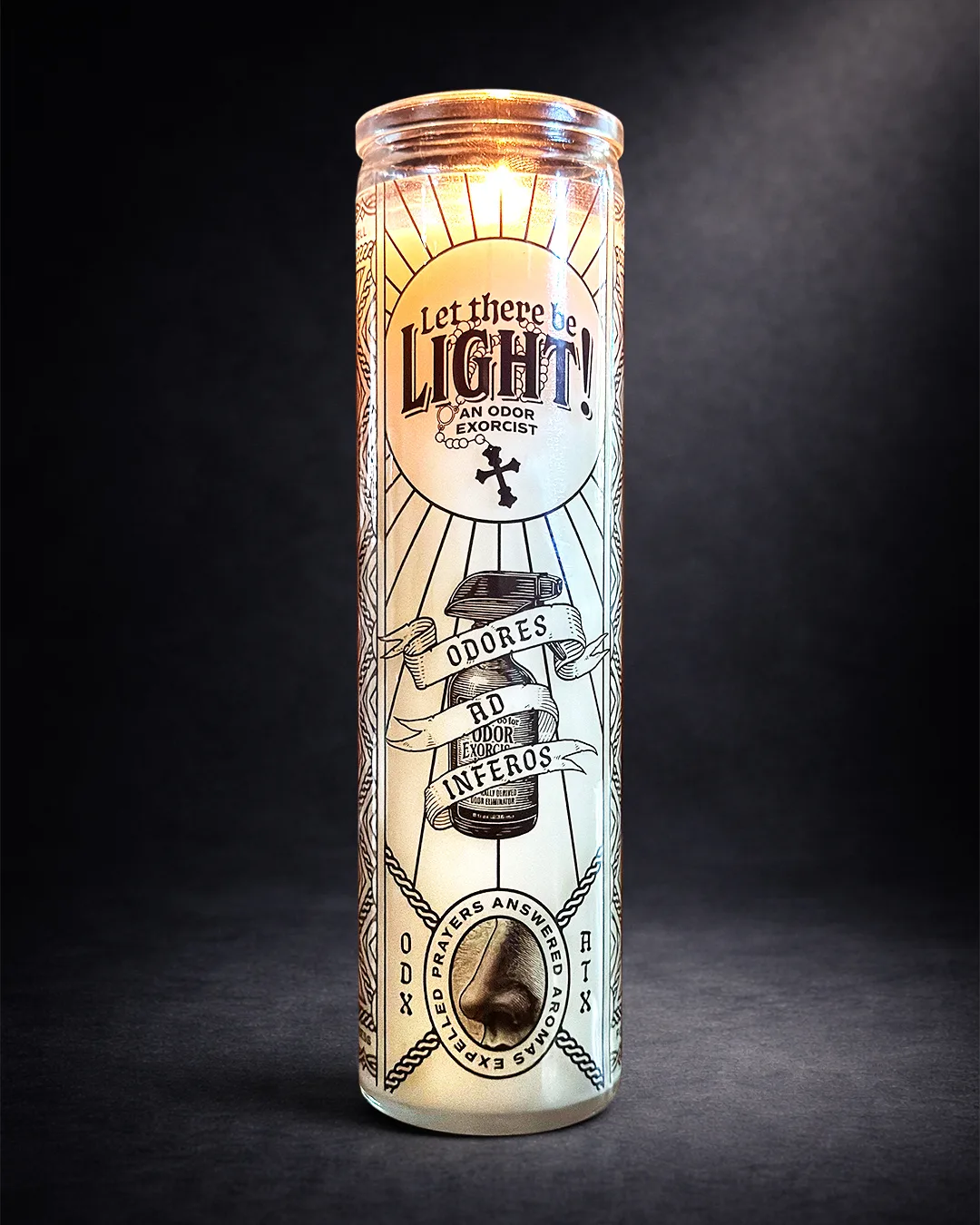
Candles are still one of the best home fragrance rituals because they change the whole mood of a room. But not all candles deserve your trust. Paraffin-heavy candles with aggressive fragrance loads can feel like a bonfire made of department store perfume. If you want a cleaner option, soy wax candles are generally a better bet.
Soy wax tends to burn cleaner than paraffin, and when paired with more restrained scent blends, it can offer a softer, more natural fragrance experience. They’re great for evenings, dinner parties, baths, or any moment when you want the room to smell intentional instead of chemically ambushed.
The trade-off is that candles are not ideal for every household. If you’ve got toddlers, chaotic pets, or a tendency to forget that open flames exist, this may not be your everyday hero. They also don’t usually solve embedded odor issues in fabric or shoes. They set atmosphere. They do not perform miracles on a musty hamper.
3. Reed diffusers
Reed diffusers are for people who want a room to smell nice without flipping switches, spraying bottles, or lighting wicks. You pour the scented oil into a vessel, drop in the reeds, and let capillary action do its quiet little séance.
They’re useful in bathrooms, hallways, guest rooms, and offices where you want a steady scent in the background. The best ones use simpler ingredient blends and avoid that overpowering, mall-lobby intensity. A subtle diffuser can make a room feel polished. A bad one can smell like fake fruit chewing gum for three months straight.
This is also a format where “natural” deserves a second look. Some diffusers still rely on strong fragrance compounds, even if the branding looks earthy and pure. If ingredient transparency matters to you, read the label like the skeptic you are.
4. Simmer pots
If you want your home fragrance to feel like a cottagecore spell cast by someone with good taste, simmer pots are hard to beat. Add water to a pot with citrus slices, herbs, cinnamon sticks, cloves, or a splash of vanilla, and let it gently scent the air.
This is one of the most customizable and low-tech ways to make a home smell amazing. It works beautifully for holidays, guests, rainy weekends, or anytime your kitchen needs to smell more like fresh lemon and rosemary than burned toast and regret.
Still, simmer pots are temporary and hands-on. They require supervision, fresh ingredients, and a stove. They’re gorgeous for ambiance, but they are not practical if you need something portable, fast, or consistent every day.
5. Sachets and filled fragrance bags
For drawers, closets, entry cabinets, gym bags, and shoes, sachets can be shockingly useful. Lavender, cedar, eucalyptus, and other plant-based fillings can add a light fragrance in places where sprays or candles would make no sense.
This option shines in small spaces that develop stale, trapped odors. Cedar works well in closets. Lavender is great for linens. Activated charcoal blends can also help absorb odor rather than simply scenting the space.
The downside is reach. Sachets won’t fragrance an entire room, and the scent fades over time. But for contained problem areas, they’re a quiet little blessing.
6. Essential oil diffusers
Diffusers can be a solid option if you like adjusting the strength and type of scent depending on your mood. A few drops of essential oil in water can create a cleaner-smelling room with less of the syrupy heaviness that comes from many conventional air fresheners.
They’re especially popular in bedrooms, home offices, and meditation corners, if you’re the kind of person who has a meditation corner and not just a chair covered in laundry. Citrus oils feel bright. Lavender feels softer. Peppermint can sharpen the room fast.
But this is not a free pass to dump oils into the air all day. Essential oils are concentrated. Some people are sensitive to them, and some oils are not ideal around pets, especially in small enclosed spaces. Diffusers also add maintenance. If you do not clean them regularly, they can get funky in a deeply ironic way.
7. Houseplants and actual fresh air
Not every fragrance fix comes in a bottle. Sometimes the least cursed move is simply opening a window and letting the old air leave. Cross-ventilation does more for a stale room than many scented products ever will.
Houseplants can also make a room feel fresher, even if they are not perfume machines. Eucalyptus in the shower, fresh herbs in the kitchen, or a vase of cut greenery can create a natural scent presence that feels clean rather than manufactured. This option is subtle, but subtle is often the point.
Of course, fresh air is weather-dependent, pollen-dependent, city-smell-dependent, and occasionally impossible if your neighbor is smoking mystery meats on the balcony. So yes, this one depends.
How to choose the best non toxic home fragrance options for your space
The right choice depends less on trends and more on the kind of odor battle you’re fighting. If your problem is ambiance, candles, reed diffusers, and simmer pots are great. If the issue is trapped odor in fabric, shoes, upholstery, pet zones, or bedding, you need something that addresses the source.
That distinction matters. Fragrance is not always odor control. A room can smell like lavender and still hide a deeply unholy layer of mildew, pet funk, or stale fabric odor underneath. That’s why ingredient-aware shoppers are getting pickier. They do not just want a prettier smell. They want fewer sketchy ingredients and better performance.
It also helps to think room by room. Bedrooms usually need softer, lighter scent. Bathrooms can handle a stronger deodorizing approach. Kitchens need freshness that plays nicely with food. Entryways and mudrooms often need odor elimination first and fragrance second. If you treat every room the same, something will end up smelling weirdly overdone.
The real test: does it freshen, or just cover?
The best non toxic home fragrance options are the ones that respect your air and your intelligence. They should smell good, yes, but they should also make sense for how you actually live. Maybe that means a soy candle for evenings, a simmer pot when company’s coming, and an essential oil-based spray for the daily funk that rises from laundry piles, dog beds, and suspicious sneakers.
A good home fragrance should make your space feel clean, not cosplayed. If a product needs to punch you in the face with fake scent to prove it exists, that’s not freshening. That’s possession with marketing.
Your home does not need to smell like a candy factory, a nightclub bathroom, or a haunted peach orchard. It just needs to smell like someone with standards lives there.