9 best odor eliminators for pet homes
Evangelize


May 23, 2026
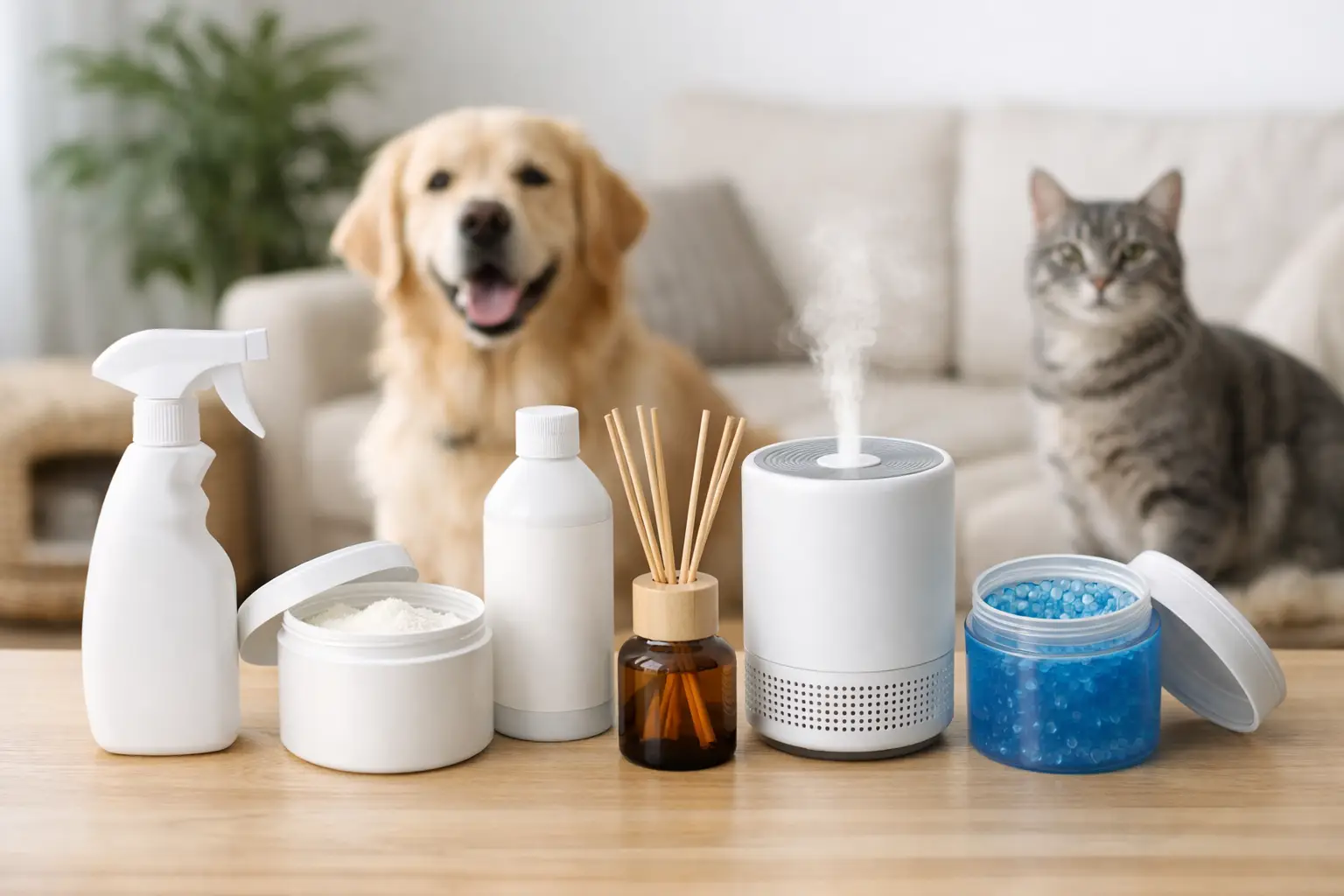
The smell usually hits right after you open the door. Not a dramatic, haunted-house fog of doom – just that warm, stubborn blend of wet dog, litter box, mystery couch funk, and whatever your cat did at 3 a.m. If you’re shopping for the best odor eliminators for pet homes, you already know the problem is not a lack of scented products. The problem is that plenty of them smell like fake linen and broken promises.
Pet odors are different from everyday household smells because they cling, soak in, and come back for an encore. Dander settles into upholstery. Accidents seep below the surface. Litter dust hangs in the air like a curse. And if you’ve ever sprayed a perfumed air freshener over dog bed funk, you know the result is not freshness. It’s floral despair.
What actually makes the best odor eliminators for pet homes?
The best options do one thing well – they deal with odor at the source instead of throwing a scented smoke bomb over it. That means the right product depends on what kind of stink you’re battling and where it lives.
If the issue is urine, vomit, drool, or organic mess, enzyme cleaners are often the heavy hitters. They break down the biological material that keeps producing odor. If the problem is daily pet smell on fabrics, bedding, rugs, or furniture, a non-toxic odor eliminator spray can make more sense for regular use. Activated charcoal works well in small spaces where air gets stale, like near litter boxes, mudrooms, or closets. Baking soda still has a place for dry deodorizing, though it is more sidekick than hero.
That is the first rule of pet odor warfare – one product rarely does every job perfectly.
1. Enzyme cleaners for accidents and deep biological odors
When your dog pees on the rug or your cat decides the laundry pile is spiritually unclean, enzyme cleaners are usually the first thing to reach for. They are designed to break down proteins and waste compounds, which matters because those compounds are what keep the odor alive.
This is the category for fresh accidents, old urine spots, and stains that seem clean until the room gets humid again. The trade-off is that enzyme formulas often need dwell time to work. You cannot always spray, wipe, and move on with your life. Some also have their own smell while drying, which can alarm people who expect instant scent perfection.
Still, for true pet messes, enzyme cleaners earn their place in the exorcism kit.
2. Natural odor eliminator sprays for everyday pet funk
Not every pet smell is a biohazard scene. Sometimes your couch just smells like dog. Sometimes the throw blanket smells like cat naps and ancient paw politics. For that kind of lingering fabric odor, natural odor eliminator sprays are often the most useful daily solution.
A good one neutralizes odor on contact across soft and hard surfaces without coating your home in synthetic perfume. That matters if you are sensitive to harsh fragrance or just tired of products that smell like a candle store lost a fight. Look for formulas marketed as non-toxic, naturally derived, and safe for frequent use around common household surfaces.
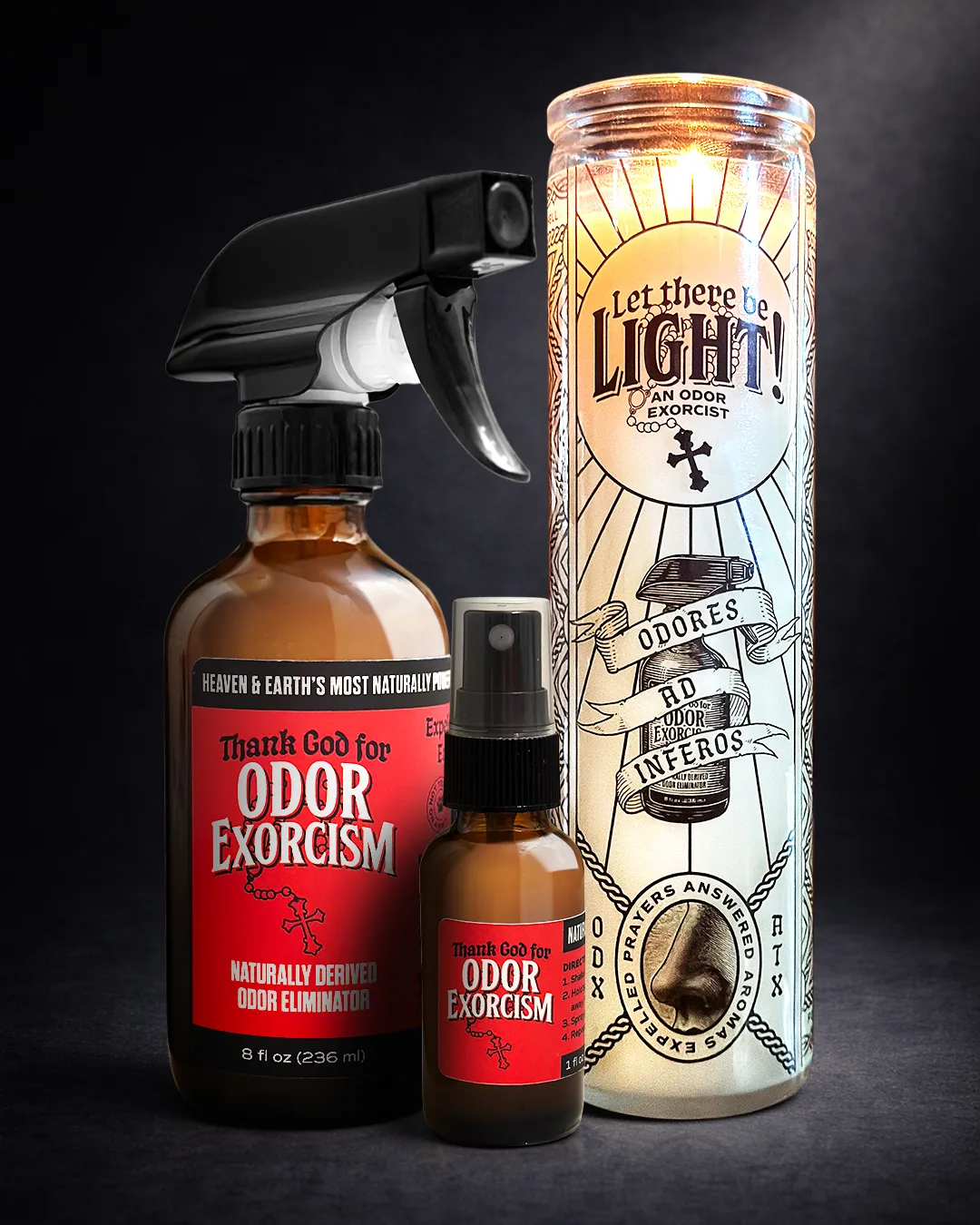
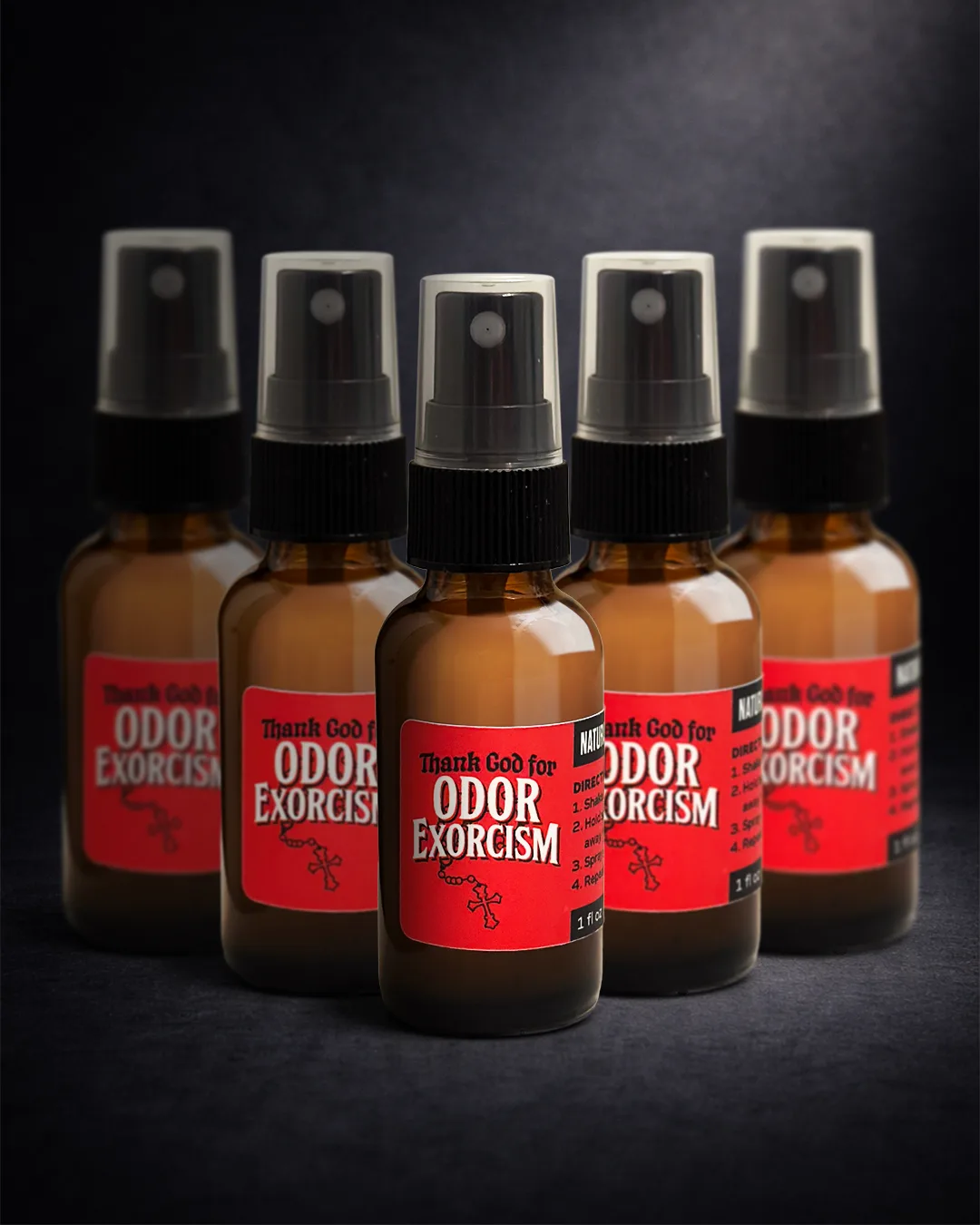
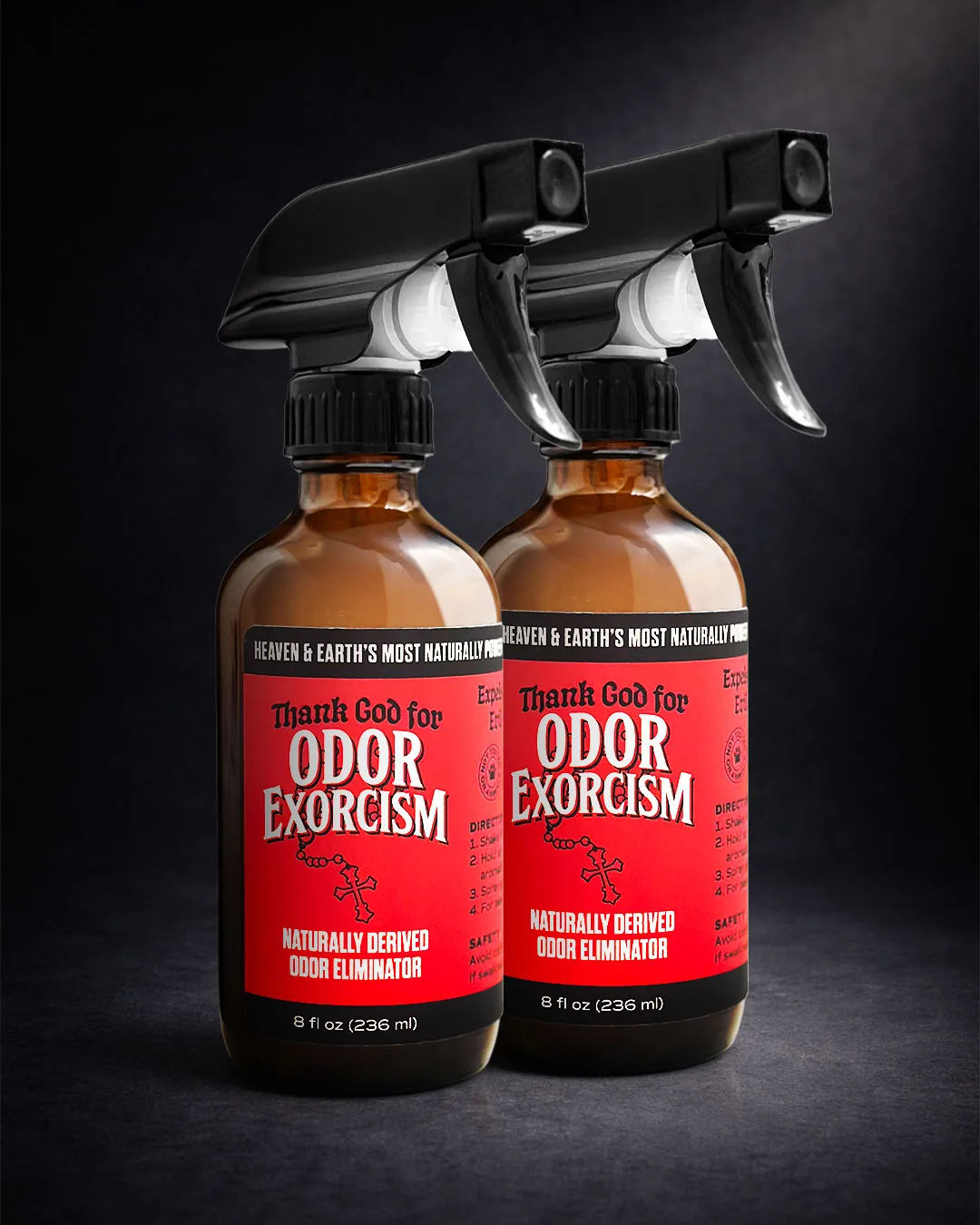
This is where brands like Odor Exorcism have a clear advantage. A naturally derived spray that is made to neutralize odor instead of masking it is far more useful in real pet homes than a perfumed blast that turns litter box air into “spring meadow litter box air.” Same demon, different outfit.
3. Activated charcoal for litter areas and stale corners
Activated charcoal is quiet, unglamorous, and weirdly effective. It does not perfume the room. It does not announce itself. It just absorbs odor in the background like a little black-hole monk.
This makes it useful near litter boxes, pet closets, entry benches, carriers, and other small zones where air tends to get trapped. It is not a fast fix for upholstery or an active stain remover, so expectations matter. Charcoal works best as a maintenance tool, not an emergency response team.
If your home has one recurring odor hotspot, this can help take the edge off between deeper cleanings.
4. Baking soda for carpets, soft goods, and shoes
Baking soda remains one of the cheapest ways to absorb odor from dry surfaces. It can help on rugs, pet beds, and even the shoes you wore during a rainy dog walk that turned into a swamp ritual.
The catch is that baking soda is best for mild odor and surface-level freshness. It does not break down urine compounds the way enzymes do, and it can be messy if overused on fabrics or thick carpet. Think of it as a solid support act. Helpful, inexpensive, but not the lead singer.
5. HEPA air purifiers with carbon filters
If your whole home smells faintly pet-like even after cleaning, the issue may not be just the sofa. Airborne dander, dust, and odor particles can keep the space feeling stale. A HEPA air purifier with an activated carbon filter can help reduce that low-level animal fog.
This is especially useful in apartments, small homes, and rooms where pets spend most of their time. The downside is cost. Good units are not cheap, and filters need replacing. But if you want the room itself to smell cleaner, not just the surfaces in it, an air purifier can pull serious weight.
6. Laundry additives for washable pet fabrics
Pet blankets, crate pads, removable bed covers, and even your own clothes can trap odor long after they look clean. In those cases, a laundry odor additive can help boost your regular wash routine.
This works best when the smell lives in washable fabric and keeps coming back after detergent alone. It is less helpful for upholstery, carpets, or mattresses you cannot toss in the machine. Also, if the product relies heavily on fragrance, you may end up with fabric that smells aggressively “fresh” rather than actually neutral.
That distinction matters more than brands love to admit.
7. Carpet cleaners and extraction machines
For homes with senior pets, puppies, or repeat offenders, surface spray is sometimes not enough. If odor has soaked into carpet padding or deep upholstery layers, extraction can make a big difference.
A carpet cleaner removes more of the physical residue that causes odor, which is why it helps where spot treatment fails. The downside is effort, drying time, and the possibility of making things worse if you over-wet a problem area. Still, for set-in smells, this can be the difference between “better” and “finally gone.”
8. Litter-specific deodorizers that do not just perfume the crime scene
Some litter box products are designed to absorb or neutralize odor in the box itself, either through unscented additives, better litter formulations, or odor-trapping granules. These can help, but this category is full of gimmicks.
If a litter deodorizer mainly adds fragrance, proceed with suspicion. Many cats dislike strong scents, and many humans do too. The better options support odor control without turning the litter area into a chemical incense chamber.
9. Pet-safe candles for atmosphere, not primary odor removal
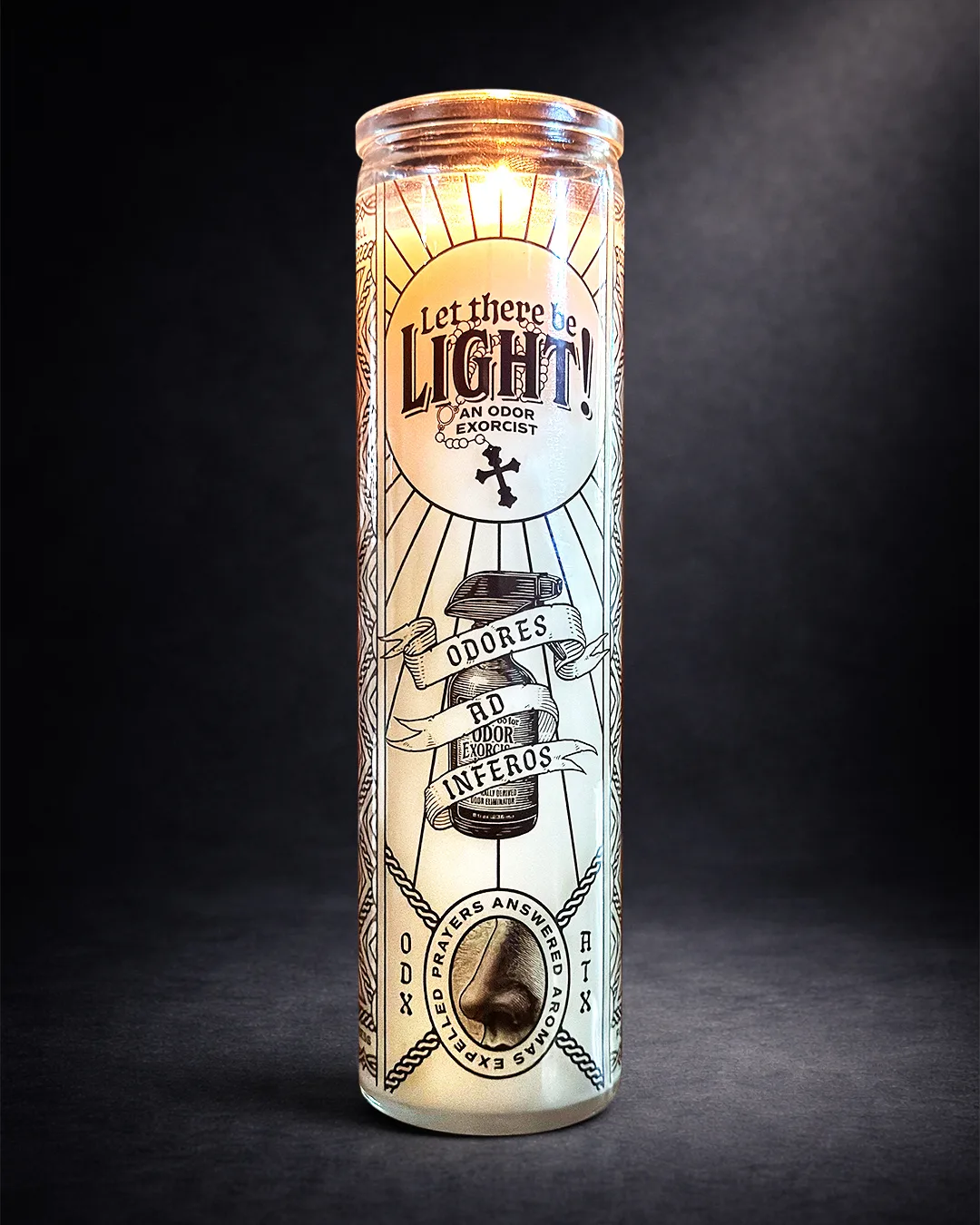
Candles can absolutely make a room feel more pleasant, but they should not be mistaken for actual odor elimination. A well-made soy candle can help after you have cleaned the source and want the room to feel finished. It is not a substitute for treating the dog bed, scooping the litter, or cleaning the rug.
Used correctly, candles are the epilogue, not the priest.
How to choose the best odor eliminator for pet homes
Start with the source. If the smell is coming from accidents, choose enzymes. If it is daily funk on fabrics and furniture, reach for a non-toxic spray that neutralizes odor on surfaces you touch all the time. If the room feels stale overall, add air support with charcoal or a purifier. If the issue is washable textiles, improve the laundry routine.
Then check ingredients. Pet owners who care about indoor air quality should be wary of products loaded with synthetic fragrance that linger longer than the original smell. Strong perfume is not the same thing as cleanliness. It is often just odor wearing a fake mustache.
Also think about your home itself. A studio apartment with one cat needs a different setup than a four-bedroom house with two dogs, one rabbit, and a couch that has seen things. Small-space dwellers usually benefit from low-tox, multipurpose sprays and air filtration. Larger homes with recurring messes may need a layered system.
The mistake that keeps pet odors coming back
Most recurring odor problems are not product failures. They are routine failures. Harsh, but true.
If you spray the air but not the dog bed, the smell stays. If you wash the cover but not the foam insert, the smell stays. If you clean the carpet surface but ignore the padding, the smell stays. Pet odor removal is less about finding one miracle product and more about matching the right tool to the right demon.
That is also why the best pet homes are not the ones that smell like artificial cucumber thunderstorm. They are the ones where odor gets handled early, surfaces get treated regularly, and the products in rotation are chosen for actual function, not dramatic fragrance names.
Your home does not need to smell like a perfume counter to smell clean. It just needs fewer cover-ups, better habits, and an odor eliminator that knows the difference between banishing a smell and baptizing it in fake lavender.