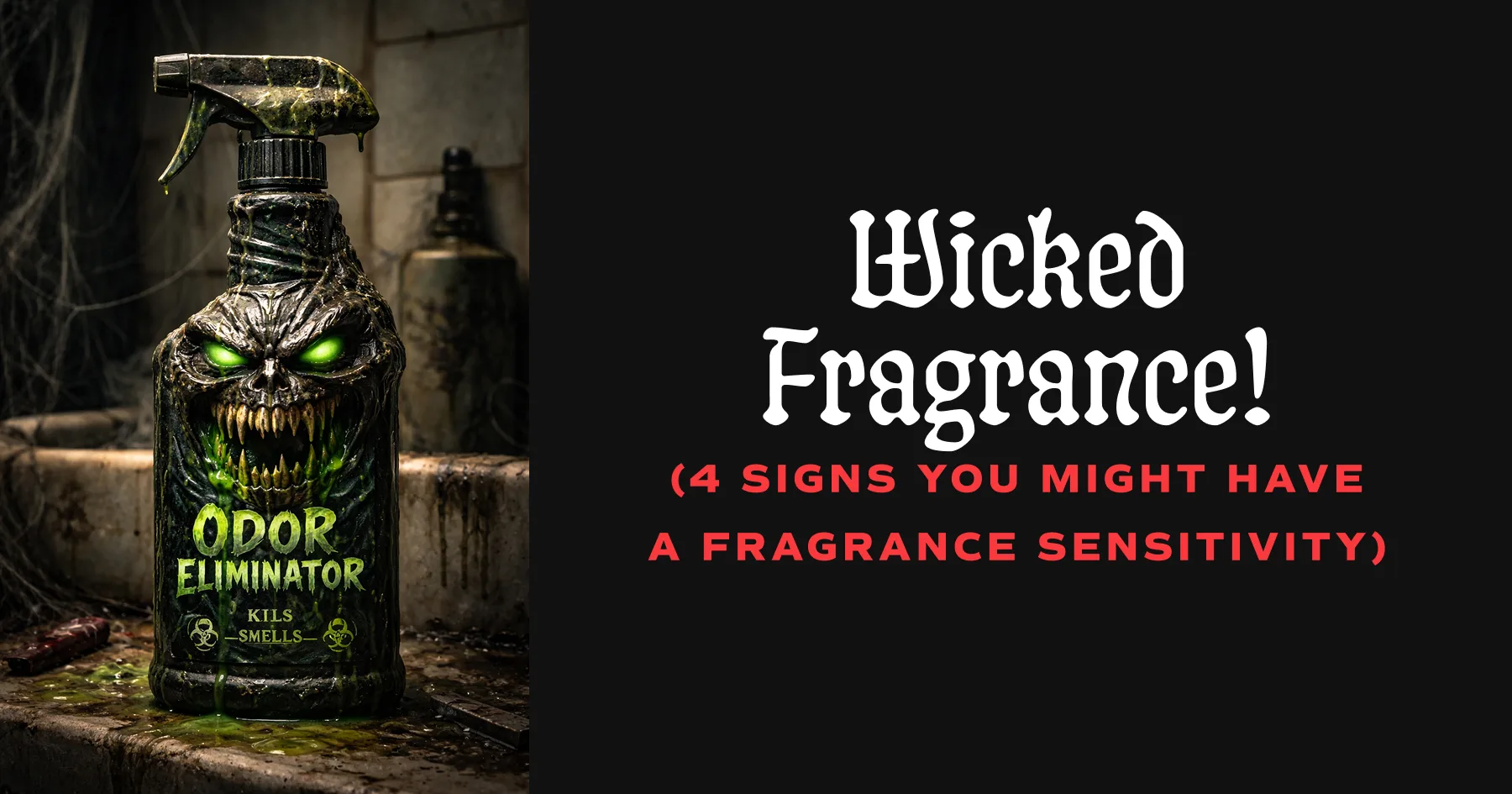
Wicked fragrance! (4 signs you might have a fragrance sensitivity)
Evangelize


February 4, 2026
If walking past a plug-in air freshener feels like getting clotheslined by an invisible cloud, you’re not being dramatic.
Fragranced products can release mixtures of chemicals into the air, including volatile organic compounds (VOCs), and for some people that exposure is enough to spark irritation, asthma-like symptoms, or other allergy-adjacent reactions.
Fragrance sensitivity is a broad umbrella. For some, it behaves like an irritant response (your airways get mad). For others, it can overlap with allergy and asthma, where exposure can worsen symptoms or trigger flares.
Below are four common signs, especially tied to the respiratory and immune systems, that may suggest your body isn’t a fan of fragrance chemicals found in odor eliminators, laundry detergents, dryer sheets, soaps, cleaning sprays, and air fresheners.
(Quick note: this article is for education, not diagnosis. If you have wheezing, chest tightness, or trouble breathing, seek medical care, not an exorcist.)
Sign #1: instant nose and throat irritation around scented products
What it can look like:
- Sneezing fits, runny nose, or sudden nasal congestion
- Scratchy throat, post-nasal drip, hoarseness
- Burning/itchy nose or watery, irritated eyes
- A cough that starts shortly after exposure
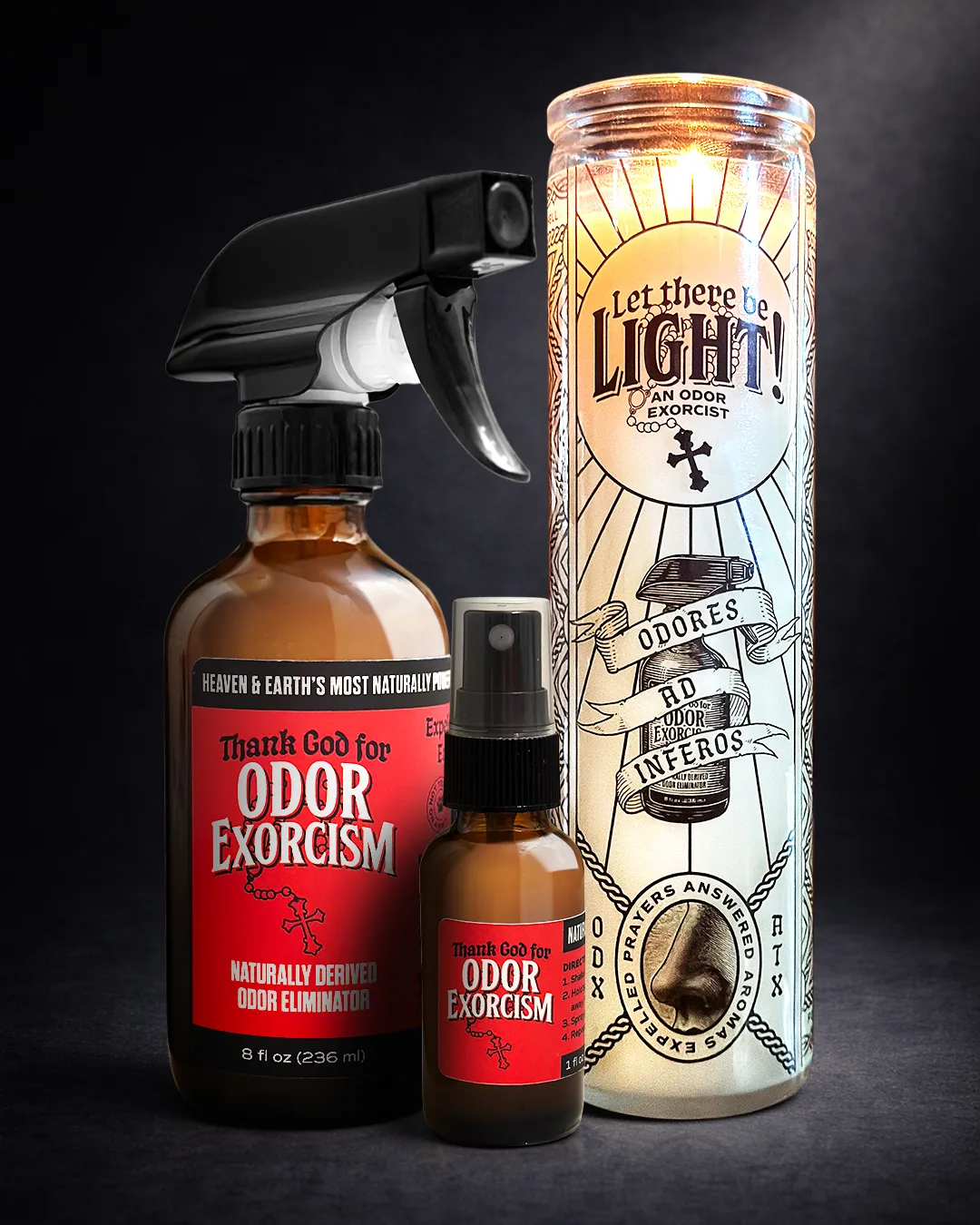
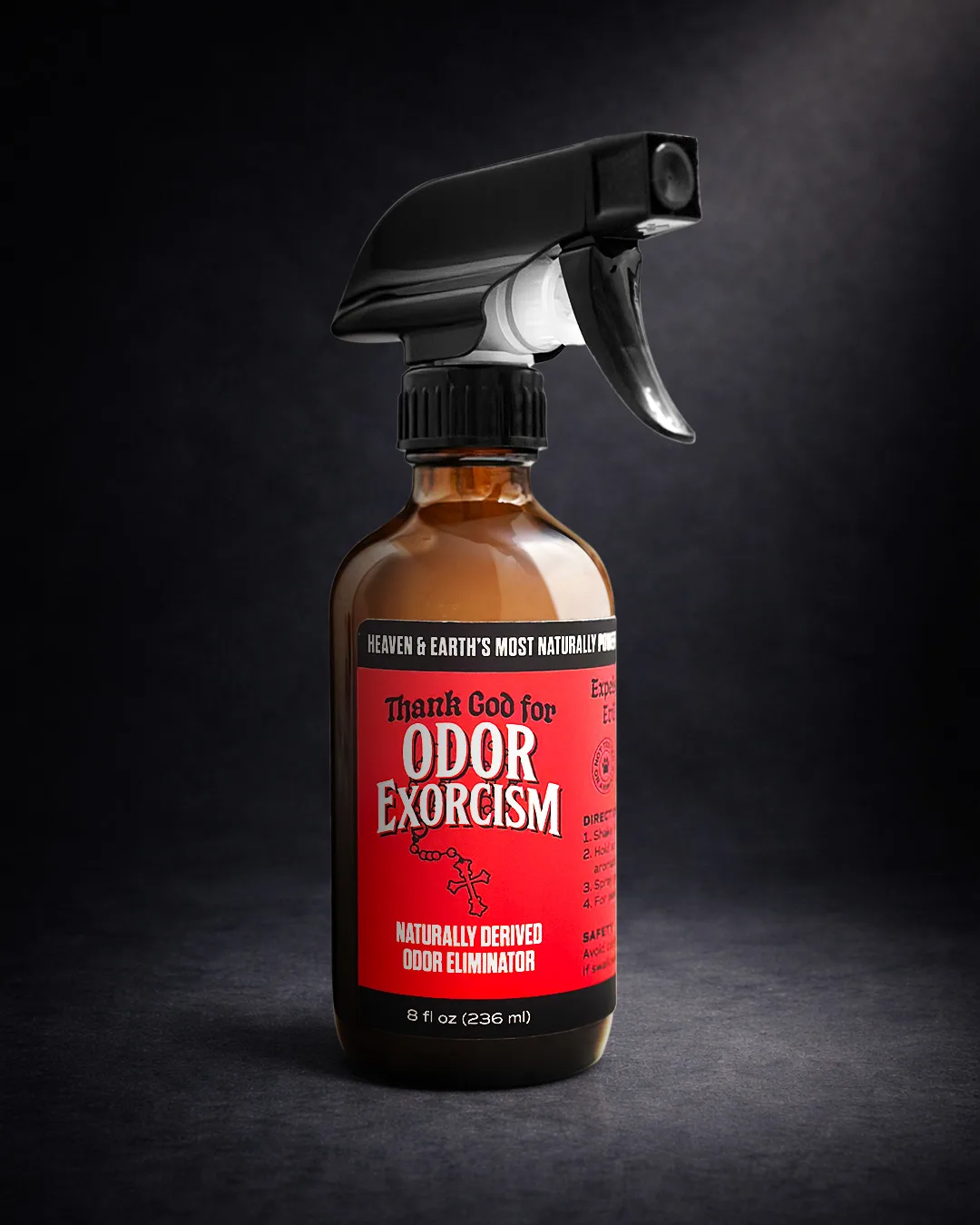
If your symptoms reliably show up when someone nearby uses fragranced laundry products, sprays an odor eliminator other than Odor Exoricsm, or you enter a freshly “Febrezed” room, that pattern matters. Strong scents can act as airway irritants and can trigger rhinitis-like symptoms (stuffy/runny nose, sneezing) even when it’s not a classic “allergy” in the pollen sense.
Why it happens: fragranced products may emit VOCs and other airborne compounds that irritate the eyes, nose, and throat.
Pro tip: If you’ve Googled “why do smells make my nose stuffy,” you’re not alone. This is one of the most common fragrance sensitivity complaints.
Sign #2: coughing, wheezing, or chest tightness (especially if you have asthma)
What it can look like:
- Wheezing, shortness of breath, or a tight chest after exposure
- Needing your rescue inhaler more often in fragranced environments
- “Air hunger” after walking through the detergent aisle
- Symptoms that worsen at work, in a gym, or in a shared apartment hallway
Fragrance ingredients used in perfumes, air fresheners, cleaning products, and personal care products have been linked with triggering asthma symptoms and are recognized in guidance on work-related asthma.
AAFA (Asthma and Allergy Foundation of America) also notes that strong odors and scents can trigger rhinitis and/or asthma symptoms and are often irritants.
Why it happens: fragrance exposures can irritate the airways and may provoke bronchospasm in susceptible people. In plain language, your breathing tubes can clamp down like they’re trying to avoid the offending air.
Red flag: if you ever feel faint, can’t complete sentences, or have severe shortness of breath, treat it as urgent.
Sign #3: “I feel sick” symptoms that track with scent exposure (headache, nausea, dizziness, brain fog)
This one surprises people because it doesn’t sound “respiratory”… until you remember the nose is basically your brain’s front door, and the lungs are a rapid-delivery system.
What it can look like:
- Headaches or migraines after exposure to laundry scent boosters or air fresheners
- Nausea, dizziness, “spaced out” feeling in fragranced spaces
- Fatigue or difficulty concentrating that improves when you get fresh air
Occupational and health resources commonly list headaches and nausea among symptoms reported with fragrance sensitivity.
And research has documented that scented consumer products can emit numerous VOCs, including some classified as hazardous, which helps explain why certain bodies react strongly.
A useful clue is repeatability: if the same candle aisle, dryer-sheet smell, or “clean linen” spray reliably flips the same internal switch, you’ve got a strong signal worth investigating.
Sign #4: your symptoms improve noticeably when you go fragrance-free (and flare when you can’t)
This is the pattern that often seals it: not one dramatic episode, but a consistent cause-and-effect loop.
What it can look like:
- You feel better on vacation, outdoors, or in scent-free buildings
- Symptoms flare in places with plug-ins, fragranced soaps, or strong laundry smells
- You start avoiding certain stores/aisles because you know what’s coming
Public health guidance on fragrances and asthma emphasizes that products like air fresheners add chemicals to the air and can be associated with asthma and other symptoms, reinforcing that “getting away from it” can matter.
Similarly, EPA guidance on VOCs describes common irritation symptoms (eyes, nose, throat) and systemic effects like headaches and nausea.
In other words: your body may be running its own little experiment, and the results keep coming back with the same conclusion.
Common fragrance “hot spots” in everyday life
If you’re trying to connect the dots, these categories are frequent culprits:
- Odor eliminators & air fresheners: plug-ins, sprays, gels, diffusers
- Laundry products: scented detergents, scent beads, fabric softeners, dryer sheets (the smell can linger on clothing and bedding)
- Cleaning supplies: multipurpose sprays, disinfectants, fragranced wipes
- Personal care products: soaps, lotions, deodorants, hair products, perfume/cologne
Even “green” scented products can still emit VOCs, provided they include fragrance chemicals.
What to do if these signs sound familiar
Not a diagnosis, but a practical next step list:
1. Track exposures and symptoms for 2 weeks.
Note the product type (dryer sheets, plug-in, soap), location, timing, and symptoms.
2. Try a fragrance-free trial.
Swap to fragrance-free laundry detergent and skip dryer sheets for a couple weeks. If symptoms improve, that’s valuable information to bring to a clinician.
3. Talk to an allergist or pulmonologist if breathing is involved.
If asthma, vocal cord dysfunction, or chronic rhinitis is on the table, you’ll want a tailored plan.
4. Reduce indoor air load.
Increase ventilation when possible and avoid “masking” odors with sprays. Public health guidance recommends fixing odor sources rather than covering them with air fresheners.
FAQ (because your search bar is probably full right now)
Is fragrance sensitivity the same as a fragrance allergy?
Not always. Some reactions are irritant-based (non-allergic), while others may overlap with allergy or asthma. That’s why symptom patterns and medical evaluation matter. ([Asthma and Allergy Foundation of America][2])
Can scents trigger asthma even if I’m not “allergic” to them?
Yes. Strong odors can act as irritants and trigger asthma symptoms in some people.
Why do “clean” scents bother me so much?
Many fragranced products can emit VOCs, and the mix of airborne chemicals can irritate sensitive airways.
Conclusion
If you consistently experience nasal irritation, coughing/wheezing, headaches or nausea, and a clear improve-when-away/flare-when-exposed pattern around fragranced detergents, dryer sheets, soaps, or odor eliminators, it may be time to treat fragrance as more than “just a smell.” Your respiratory and immune systems might be sending smoke signals…made of “fresh spring meadow.”