Natural deodorizer spotlight: limonene
Evangelize



December 2, 2025
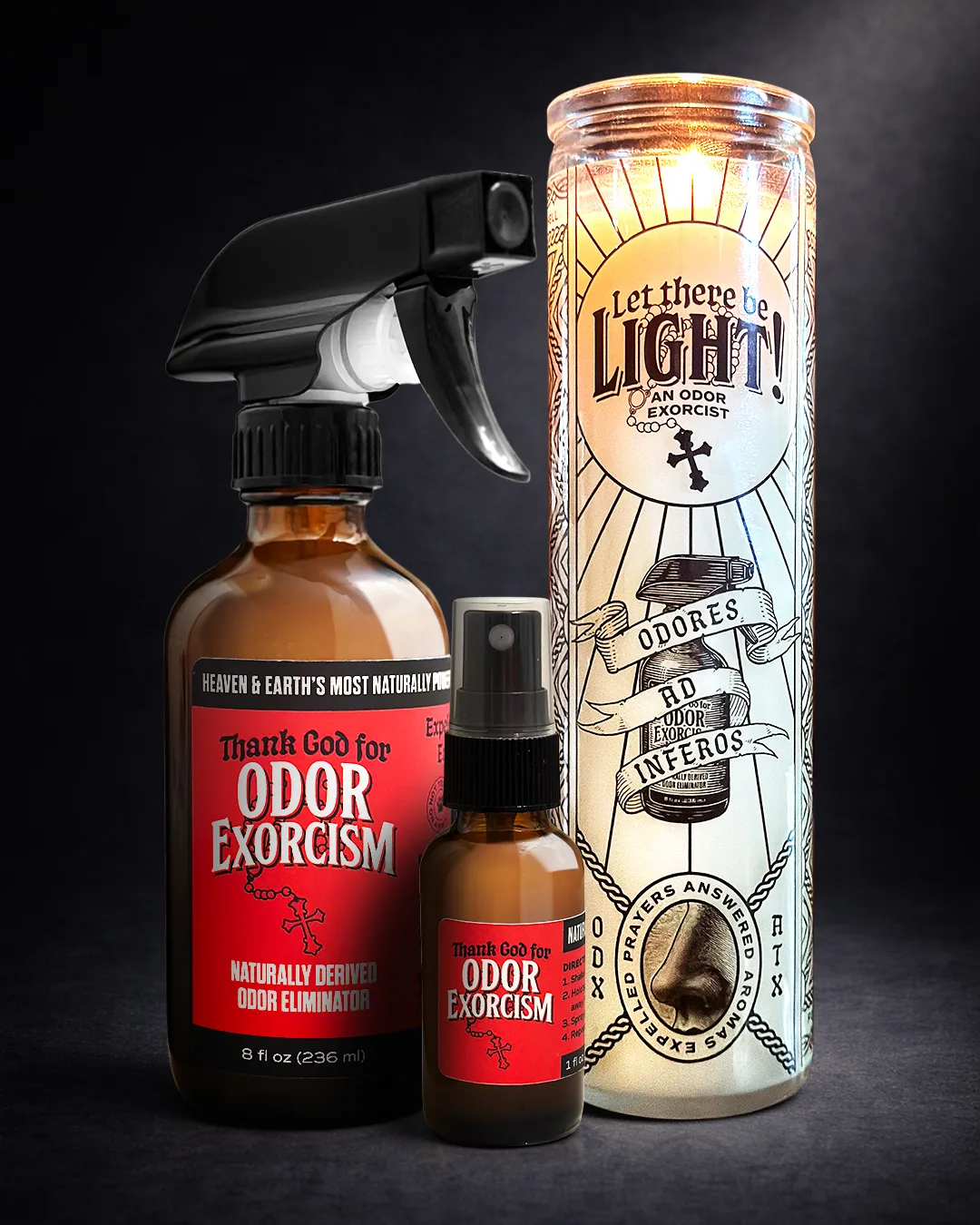
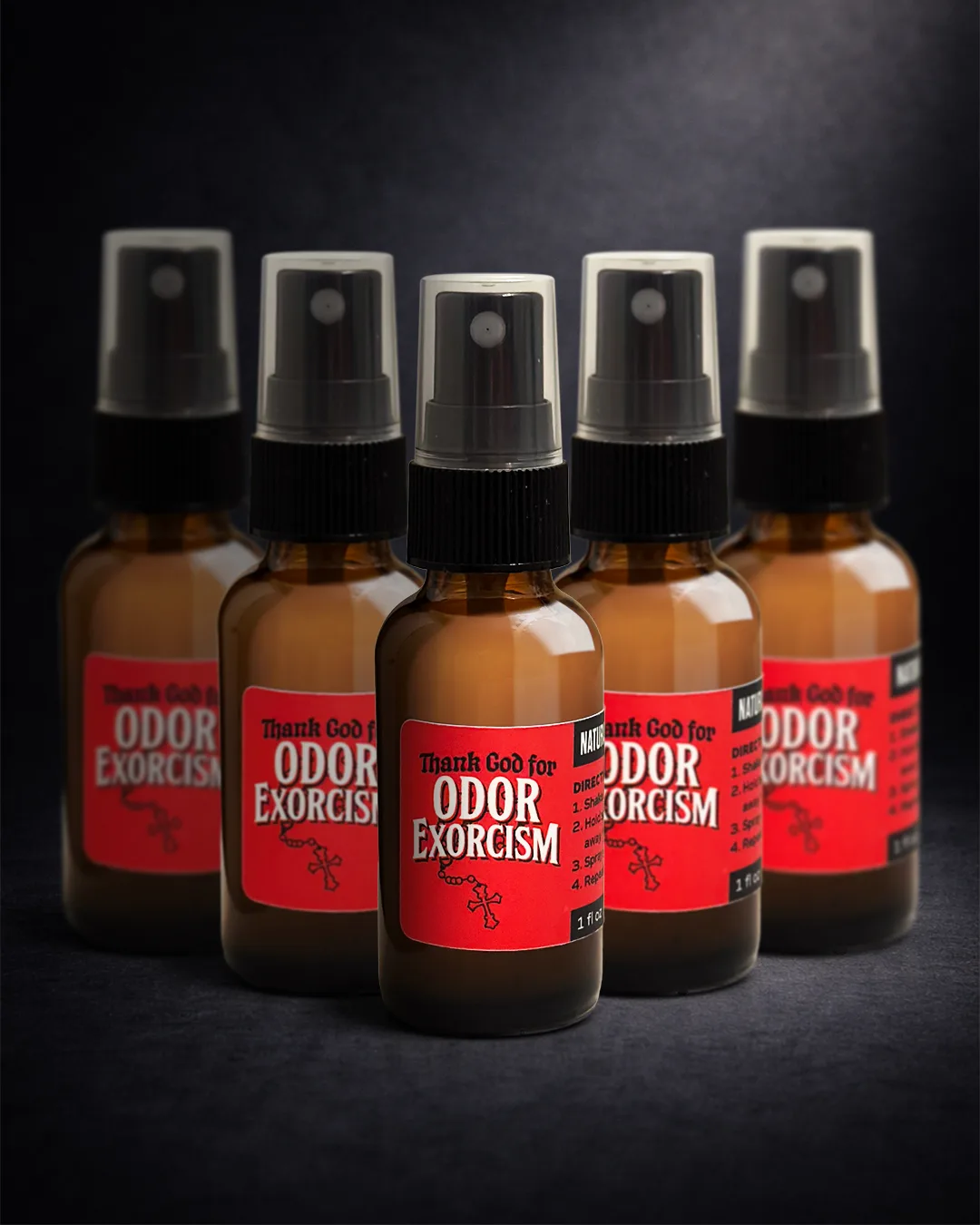
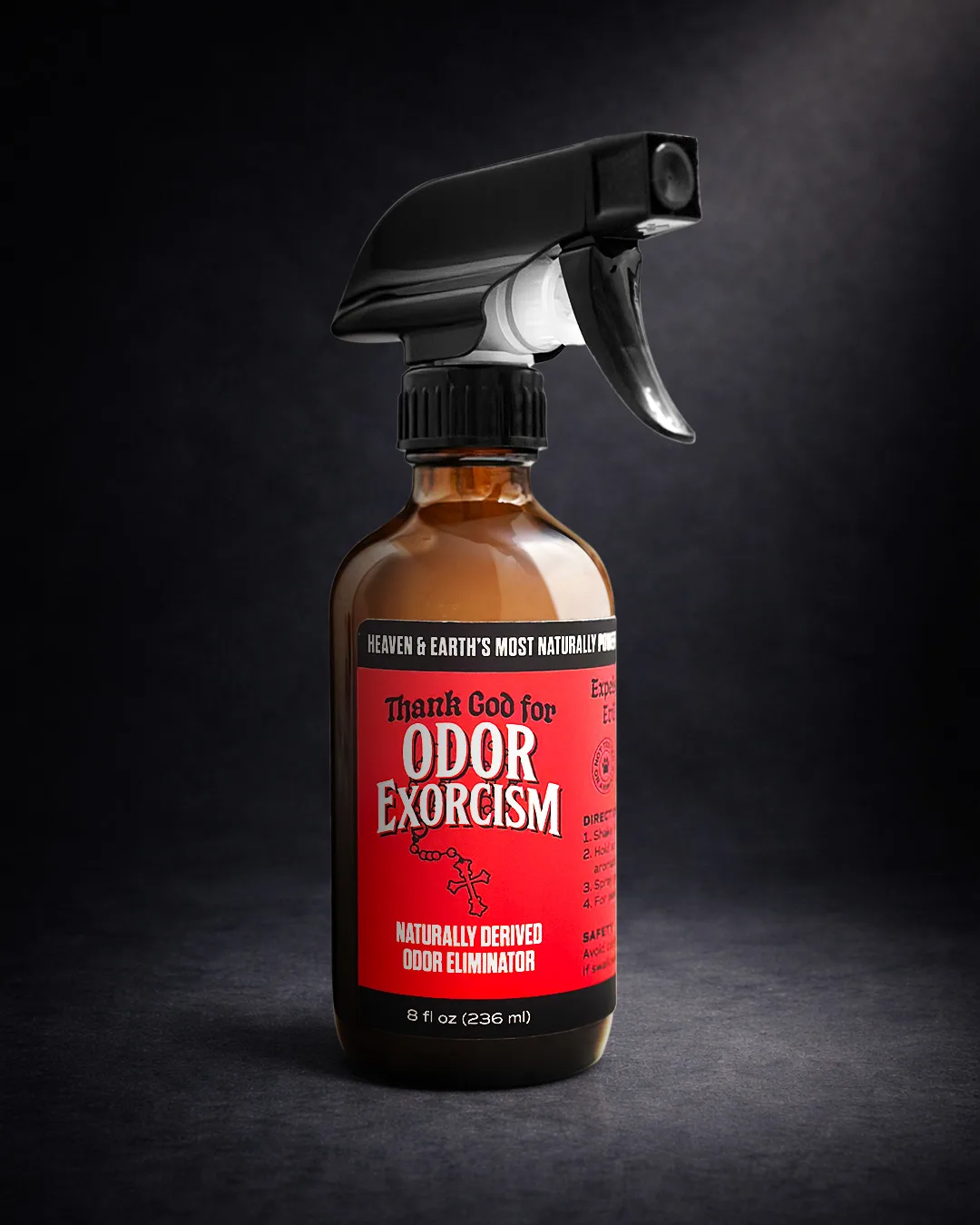
Every ingredient in Odor Exorcism’s naturally derived odor eliminator spray has been fastidiously selected for a few things: naturalness, purity, and effectiveness.
Limonene passes all three of these tests with flying colors, and as such, our scribes felt obliged to pen an ode to one of Earth’s most wonderful natural deodorizers.
The ubiquity of limonene
If you’ve ever zested a lemon or peeled a fresh orange, you’ve encountered the bright and uplifting scent of limonene—one of nature’s most powerful aromatic compounds. This citrus terpene isn’t just pleasant-smelling; it’s increasingly recognized as an effective natural deodorizer with real antimicrobial benefits.
As more consumers search for plant-based ways to keep their homes fresh, limonene has become a standout ingredient in natural deodorizing products, eco-friendly cleaners, and green home-care formulas. In this deep dive, we explore how limonene works, why it’s such an effective natural deodorizer, and how you can benefit from its odor-fighting properties.
What makes limonene a true natural deodorizer?
A natural deodorizer is more than a fragrance (and you know how we feel about fragrance). Limonene neutralizes the root causes of myriad kinds of odors, and smells great while doing it because it brings both a refreshing scent and the ability to inhibit odor-causing microbes.
Naturally Occurring
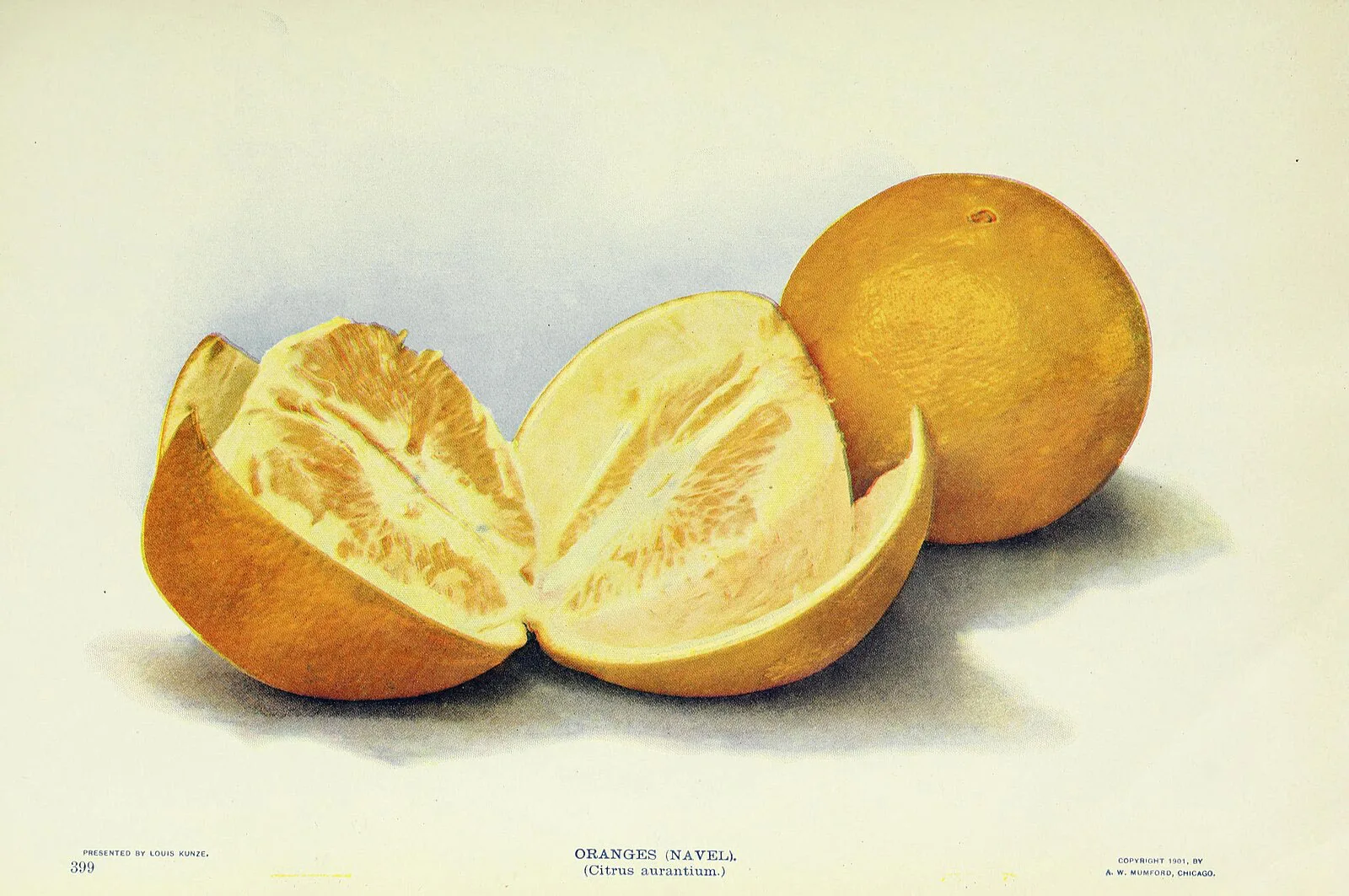
Limonene is found in citrus peels such as:
- Oranges
- Lemons
- Limes
- Grapefruits
Its abundance in nature and ease of extraction make it a sustainable, plant-powered deodorizing ingredient. It probably goes without saying, but limonene is a key component of citrus sinensis, which makes it a critical component of the natural deodorizing properties of Odor Exorcism. (Limonene is also found in lavender and frankincense essential oils, but in far lower concentrations.)
Powerful aroma + antimicrobial action
Unlike synthetic fragrances that simply mask odors, limonene targets the source. Its antimicrobial properties disrupt the activity of bacteria and fungi responsible for producing unpleasant smells, giving it a major advantage as a natural deodorizer for personal care and household use.
Ancients relied on limonene for its freshening and antimicrobial properties without even knowing it
Ancient cultures didn’t know about “limonene” as a molecule, but they absolutely used natural sources of it, mainly through citrus oils.
Ancient Mediterranean and Near East
After citrus arrived in the Mediterranean (roughly between 300 BCE and 100 CE), its peels and oils were used for:
- Perfumes
- Medicinal balms
- Deodorizing rooms and garments
When people crushed or boiled citrus peels for scent or cleaning, they released limonene-rich essential oils.
China and Southeast Asia
Citrus fruits (such as mandarin and pomelo) have been used for over 3,000 years in:
- Household cleaning rituals
- Fragrant oils or surface washes
- Medicinal preparations
These uses would naturally contain limonene, since citrus rinds were often included.
Did ancient people knowingly exploit limonene’s natural deodorizing properties?
Not chemically—but practically, yes.
Citrus oils:
- Cut grease
- Mask odors
- Acted as mild antibacterials
- Left a fresh scent
So while they didn’t know the molecule’s name, they noticed citrus preparations made things cleaner, fresher, or less greasy, and used them accordingly.
How limonene deodorizes: the science behind the freshness
Most unwanted odors—body odor, garbage smells, mildew, even flatulence—come from microbial processes. When bacteria and fungi break down sweat, food residue, or moisture, they release volatile compounds that we perceive as bad smells. These are the microbes that make us go, “Ew.”
Limonene works on multiple levels:
1. Antibacterial action
Limonene suppresses odor-causing bacteria such as:
- Staphylococcus aureus
- Escherichia coli
- Bacillus cereus
By reducing bacterial growth, it prevents odors before they even begin.
2. Antifungal power
Fungi also contribute to household and body odors. Limonene inhibits common fungi like:
- Candida albicans
- Aspergillus species
- Penicillium species
This makes it an excellent natural deodorizer for damp environments like bathrooms, laundry rooms, and gym bags.
3. Cell membrane disruption
Limonene destabilizes microbial membranes, leading to:
- Leakage of internal fluids
- Reduced energy production
- Cell breakdown
This mechanism makes it highly effective compared to simple fragrance-only deodorizers which, as every exorcist knows, are wholly ineffective against satanic scents, demonic odors, and unholy emissions.
Why limonene is an ideal natural deodorizer for personal care
Personal hygiene is a little outside the scope of the kinds of evil aromas Odor Exorcism typically concerns itself with, but not so for limonene, and so it deserves inclusion in any comprehensive evaluation of this odor-fighter. Across the natural wellness industry, limonene is increasingly used in:
- Natural deodorant sticks
- Body sprays
- Foot deodorizers
- Underarm creams
- Aromatherapy blends
Because it doesn’t rely on heavy synthetic chemicals or aluminum compounds, limonene aligns perfectly with the clean-beauty trend. It provides a refreshing scent while reducing odor-causing microbes—an ideal combination for a natural deodorizer in personal hygiene.
Limonene as a natural deodorizer in household products
More importantly, limonene is popular in eco-friendly home-care items:
- Kitchen and bathroom sprays
- Carpet and upholstery fresheners
- Air-purifying mists
- Pet-area deodorizers
- Garbage can and compost bin cleaners
- Natural multi-surface sprays
Its ability to dissolve grease also makes it a standout ingredient for kitchen cleaning, where both odors and oily residues are common. While we don’t market Odor Exorcism as a multi-surface spray, because of the inclusion of natural deodorizers like limonene, it absolutely can be used in these kinds of applications.
Benefits of using limonene as a natural deodorizer
✔ Clean, citrus scent
Fresh and energizing without synthetic perfumes.
✔ Plant-derived and biodegradable
A strong fit for low-tox, environmentally conscious lifestyles.
✔ Effective against bacteria and fungi
Targets the cause of odors instead of masking them.
✔ Versatile
Safe for use in personal care, home cleaning, and food-related applications.
✔ Supports “clean-label” formulas
Brands that aim for transparency and simplicity often choose limonene.
Things to consider
While limonene is a highly effective natural deodorizer, a few considerations help ensure safe use:
- Oxidized limonene can cause skin irritation, so fresh, well-preserved formulas are important.
- Its volatility means it evaporates quickly, limiting long-term residual action. (This is actually one of the reasons that Odor Exorcism is safe to use on fabrics—it dries relatively quickly.)
- Poor solubility in water requires emulsifiers or encapsulation in certain products. (Which is precisely the reason every bottle of Odor Exorcism includes lecithin—it allows oil and water to mix!)
When formulated properly, however—as is done in Odor Exorcism’s all natural deodorizing spray—limonene is considered safe and highly effective.
Final thoughts: limonene leads the way as a natural deodorizer
As consumers seek cleaner alternatives to synthetic chemicals—we’re looking at you, dear reader—limonene has emerged as one of the most promising natural deodorizers available today. Its unique combination of antimicrobial activity, refreshing citrus aroma, and plant-based origin makes it ideal for everything from natural deodorants to eco-friendly home cleaners.
If you’re searching for a natural deodorizer that actually works—rather than simply covering up smells—limonene is a bright, citrus-powered solution with science to back it up.