Natural deodorizer spotlight: grain alcohol
Evangelize


March 10, 2026
A common misconception about men and women of the cloth is that we are forbidden from consuming alcohol.
This is not true. In fact, Benedictine monks were among the world’s first beer brewers.
Beyond that, alcohol plays a key role in communion when the chalice of the holy blood (wine) is offered alongside the holy body (wafers). We also enjoy a good single malt scotch from time-to-time (but not on Sundays).
For the purposes of this article, however, our affinity for beer, wine, and other spirits is not relevant. Instead, we would like to focus on alcohol not as a social lubricant, but as a key ingredient in Odor Exorcism’s natural odor eliminator spray.
Natural odor elimination…fermented
As it turns out, Jesus didn’t turn water into wine just for fun! That fortuitous turn of fate also had practical implications to it.
In a world increasingly interested in naturally derived cleaning solutions, grain alcohol has quietly returned to the spotlight. Known chemically as ethanol, this powerful yet naturally sourced compound has a long history as an antiseptic, disinfectant, and deodorizing agent. Long before synthetic chemicals dominated the cleaning aisle, alcohol derived from fermented grains was already proving its ability to eliminate harmful microbes and neutralize odors.
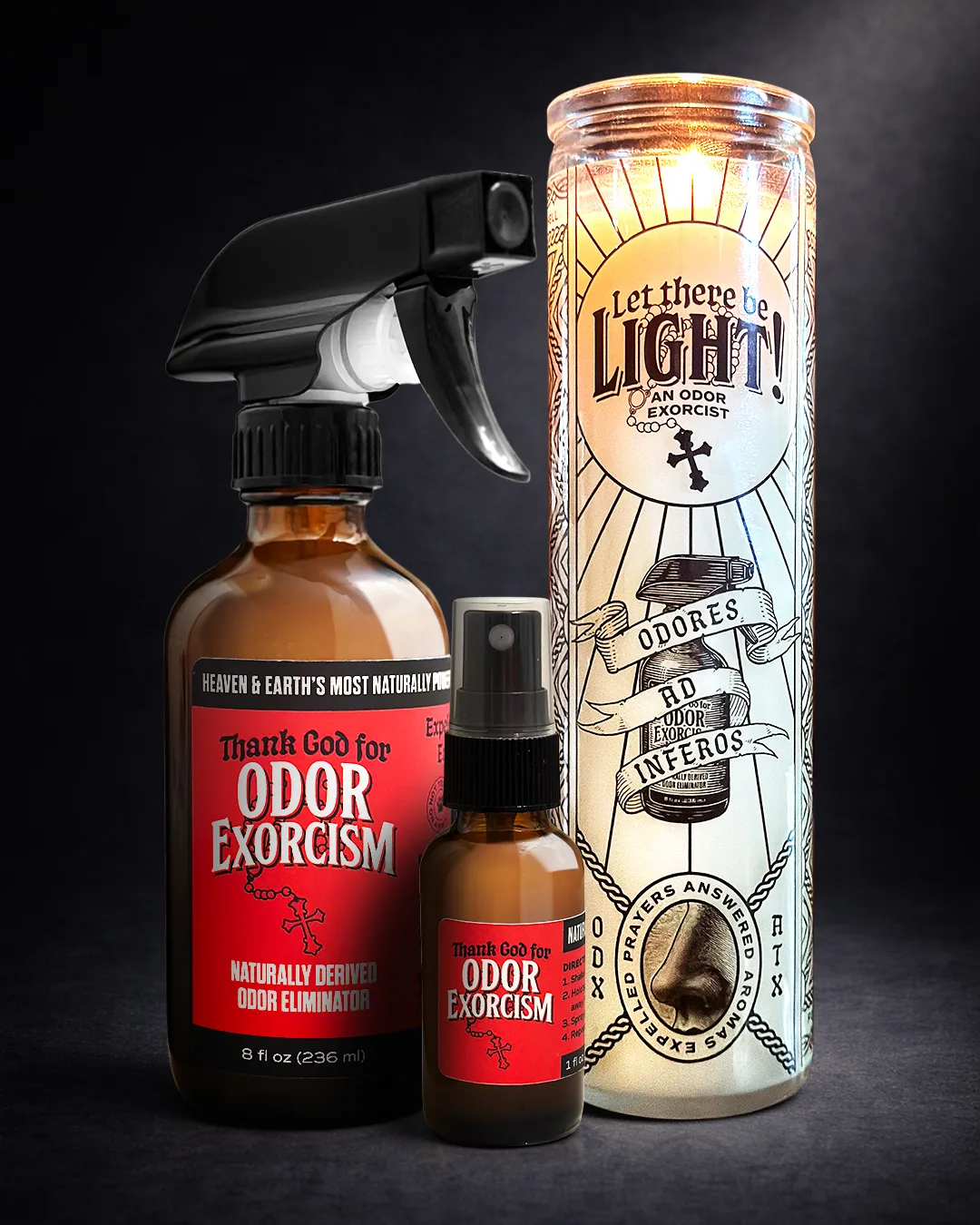
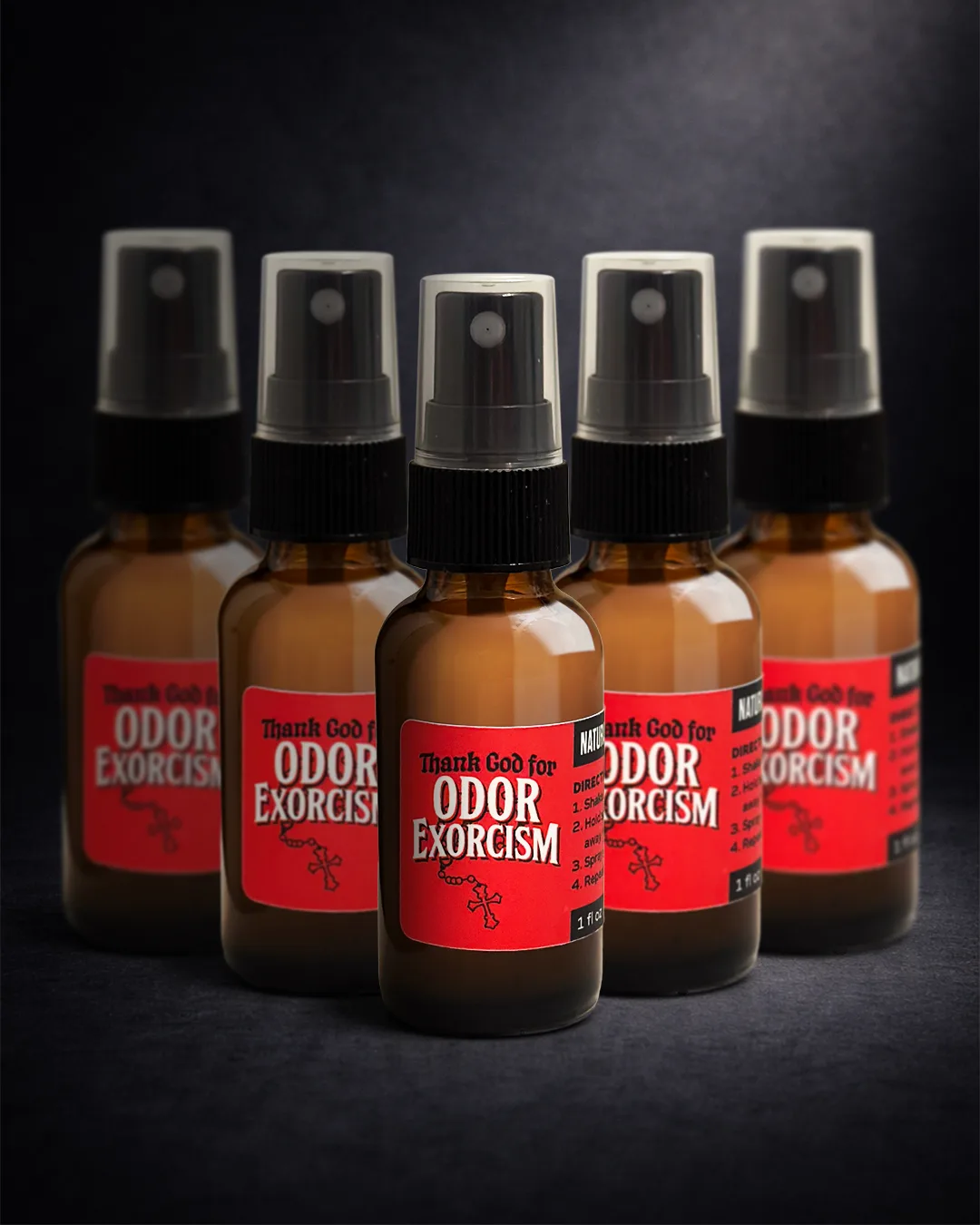
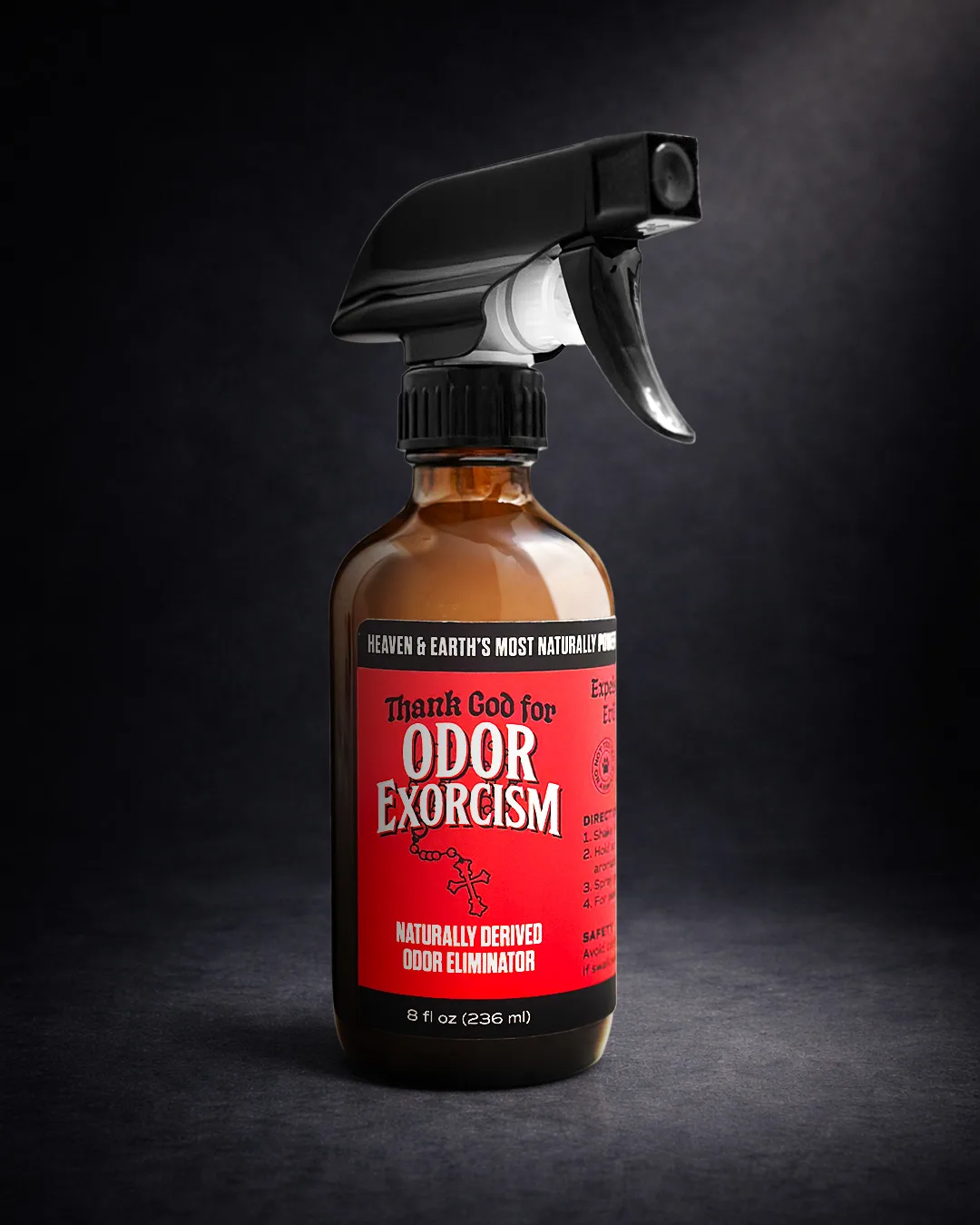
Today, grain alcohol continues to play a crucial role in modern products designed to be both effective and environmentally conscious. One example is Odor Exorcism’s naturally derived odor eliminator spray, which harnesses the antimicrobial and drying properties of grain alcohol to neutralize stubborn odors at their source.
What is grain alcohol?
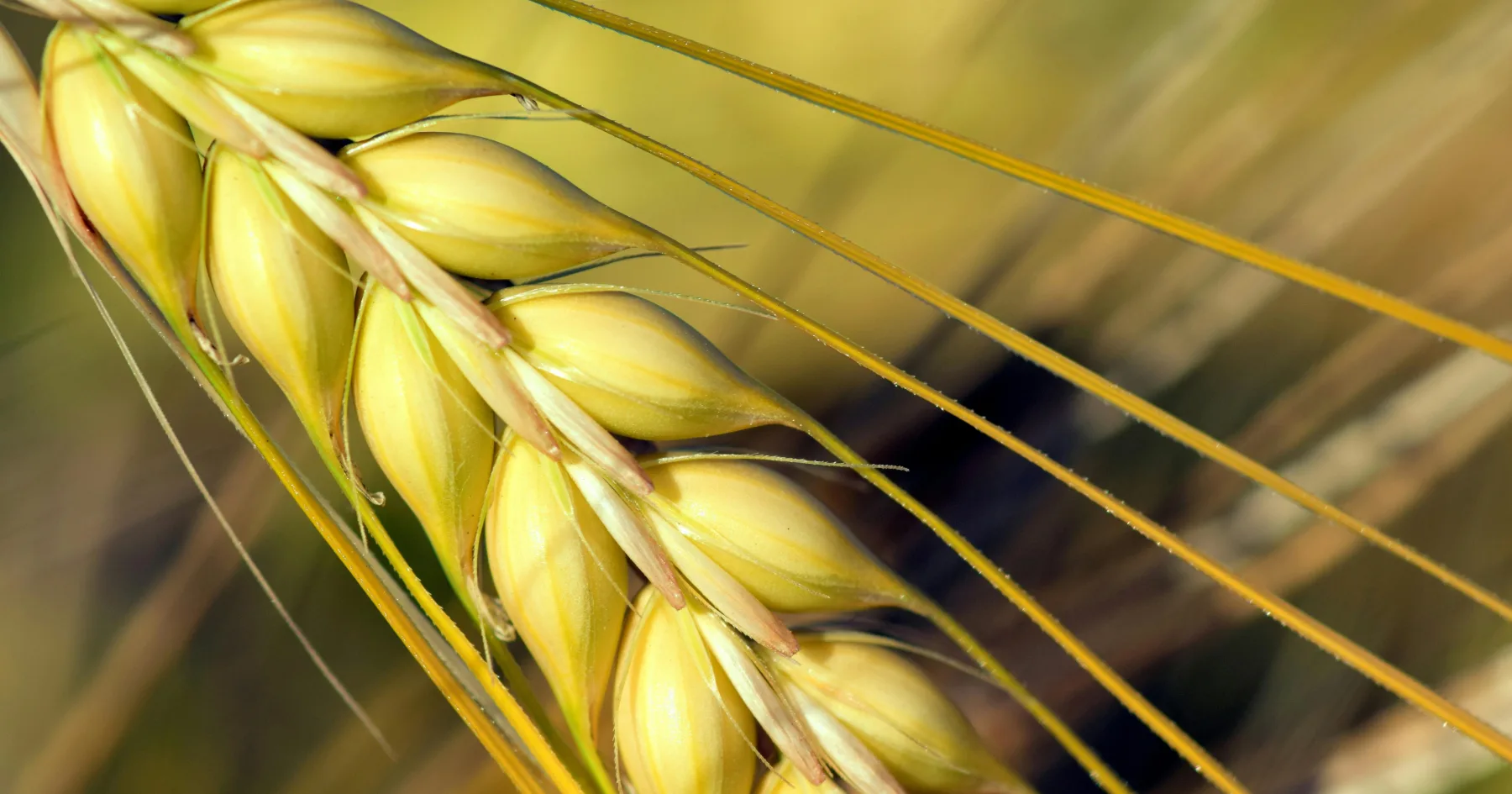
Grain alcohol is a purified form of ethanol produced by fermenting grains such as corn, wheat, rye, or barley. Through fermentation and distillation, the natural sugars in these grains are converted into alcohol.
Unlike many synthetic disinfectants, ethanol originates from renewable agricultural sources. When used in cleaning and deodorizing applications, it acts as a powerful antimicrobial agent capable of breaking down bacteria, viruses, and odor-causing microorganisms.
Its ability to evaporate quickly also makes it ideal for products that need to disinfect surfaces while drying rapidly without leaving residue.
The early discovery of alcohol’s antiseptic power
Although fermentation has been practiced for thousands of years, the medical understanding of alcohol’s antiseptic capabilities emerged much later.
Ancient civilizations such as the Egyptians, Greeks, and Romans produced alcoholic beverages through fermentation, but they primarily used them for drinking and ritual purposes. While alcohol was sometimes used for wound cleaning, the scientific reasoning behind its effectiveness was not yet understood.
The real breakthrough occurred during the 19th century with the development of germ theory. Researchers began to understand that microscopic organisms were responsible for infection and disease.
Louis Pasteur and the germ theory revolution
French microbiologist Louis Pasteur played a pivotal role in this discovery. Through his research on fermentation and microorganisms in the 1850s and 1860s, Pasteur demonstrated that microbes were responsible for spoilage and disease.
This work helped establish the foundation of germ theory, which ultimately led scientists to investigate substances capable of killing microbes. Alcohol quickly proved to be one of the most effective.
Pasteur’s discoveries also revealed how fermentation itself produced alcohol through microbial activity, connecting the substance’s origins directly to biological processes.
Joseph Lister and surgical antisepsis
Another key figure in alcohol’s medical history was Joseph Lister, a British surgeon who pioneered antiseptic surgery in the late 1800s. While Lister is most famous for using carbolic acid to sterilize surgical instruments and wounds, alcohol soon became part of the broader antiseptic toolkit used by physicians.
Medical practitioners found that ethanol solutions were highly effective at killing bacteria and preventing infection. Alcohol-based preparations were eventually adopted for cleaning wounds, sterilizing instruments, and disinfecting skin before surgery.
This marked the beginning of alcohol’s widespread use as a medical antiseptic.
Alcohol’s first commercial disinfectant uses
As industrial production methods improved during the late 19th and early 20th centuries, ethanol became more widely available. This accessibility allowed manufacturers to incorporate alcohol into early commercial disinfectants and antiseptic products.
Medical and pharmaceutical applications
Pharmaceutical companies were among the first to commercialize alcohol-based disinfectants. Ethanol solutions were packaged for use in hospitals and clinics, where they became standard for:
- Cleaning skin before injections
- Disinfecting surgical tools
- Sanitizing surfaces in medical environments
The effectiveness of alcohol at concentrations between 60% and 90% made it one of the most reliable antimicrobial agents available.
Household disinfectants
As public awareness of sanitation grew in the early 20th century, alcohol-based cleaning solutions began appearing in households. Consumers used them to sanitize surfaces, treat minor cuts, and disinfect personal care tools.
Because ethanol evaporates quickly and leaves minimal residue, it became especially useful for cleaning glass, metals, and other smooth surfaces.
This versatility helped alcohol-based disinfectants become a staple in both medical and domestic settings.
How grain alcohol works as a disinfectant
The antimicrobial effectiveness of grain alcohol comes from its ability to destroy the structural components of microorganisms.
Ethanol kills bacteria, viruses, and fungi through several mechanisms:
Protein denaturation
Alcohol breaks down proteins within microbial cells, disrupting their essential biological functions.
Cell membrane damage
Ethanol dissolves the lipid membranes that surround many microbes, causing the cells to rupture.
Rapid evaporation
Alcohol spreads quickly across surfaces and evaporates rapidly, carrying moisture away and creating conditions that inhibit microbial survival.
Because odor-causing bacteria thrive in moist environments, alcohol’s drying effect plays a crucial role in odor elimination.
Grain alcohol as a natural deodorizer
Many persistent odors originate from bacteria breaking down organic materials. Whether the smell comes from sweat, pet accidents, food spills, or damp fabrics, microbes are usually responsible.
Grain alcohol helps eliminate these odors in two important ways.
Killing odor-causing bacteria
By destroying the microorganisms responsible for odor production, ethanol removes the root cause of the smell rather than simply masking it.
Acting as a drying agent
Moisture encourages microbial growth. Alcohol’s rapid evaporation removes moisture from surfaces, preventing bacteria from reestablishing themselves.
This dual action makes grain alcohol especially effective in deodorizing products designed for fabrics, upholstery, shoes, and other odor-prone materials.
Why naturally derived ingredients matter
Modern consumers increasingly seek cleaning products made with naturally derived ingredients rather than harsh synthetic chemicals.
Grain alcohol offers several advantages in this area:
- Plant-based origin from fermented grains
- Biodegradable properties when released into the environment
- Residue-free evaporation that prevents buildup on surfaces
- Broad-spectrum antimicrobial activity
These qualities make ethanol a valuable ingredient in formulations designed to balance performance with environmental responsibility.
Grain alcohol in Odor Exorcism’s odor eliminator spray
The legacy of alcohol as a disinfectant continues in modern odor-fighting products like Odor Exorcism’s naturally derived odor eliminator spray.
In this formulation, grain alcohol plays two essential roles that enhance the spray’s effectiveness.
Disinfecting odor sources
Many odors originate from bacteria embedded within fabrics, upholstery, and other porous materials. Grain alcohol penetrates these surfaces and neutralizes odor-producing microbes.
By targeting the bacteria themselves, the spray eliminates the root cause of odors instead of simply covering them with fragrance.
Accelerating drying
Another advantage of grain alcohol is its rapid evaporation rate. Once sprayed onto a surface, it quickly dries while carrying moisture away.
This drying action helps prevent lingering dampness that could allow odor-causing bacteria to return.
Supporting naturally derived formulations
Because grain alcohol originates from fermented grains, it aligns with the goal of creating cleaning products built around naturally derived ingredients.
Its inclusion allows odor eliminator sprays to deliver strong antimicrobial performance without relying solely on synthetic chemical disinfectants.
The continued relevance of alcohol-based disinfectants
More than a century after scientists first recognized alcohol’s antiseptic power, ethanol remains one of the most trusted disinfectants available.
From hospitals and laboratories to household cleaning products, its effectiveness has stood the test of time. Even in modern formulations that prioritize natural ingredients, grain alcohol continues to provide reliable antimicrobial performance.
The ingredient’s long history demonstrates a rare combination of qualities:
- Proven scientific effectiveness
- Renewable agricultural origins
- Fast evaporation and residue-free drying
- Compatibility with environmentally conscious formulations
These characteristics ensure that grain alcohol will remain a cornerstone ingredient in disinfectant and deodorizing products for years to come.
A natural ingredient with a powerful legacy
Grain alcohol’s journey from ancient fermentation to modern disinfectant illustrates the enduring value of naturally derived substances. What began as a byproduct of fermentation eventually became a cornerstone of medical sanitation and household cleaning.
Today, products like Odor Exorcism’s odor eliminator spray continue this legacy by harnessing ethanol’s antimicrobial and drying properties to crucify satanic scents at their source.
By combining centuries of scientific knowledge with modern formulation techniques, grain alcohol proves that sometimes the most effective solutions are also the most naturally inspired.