How to Freshen Laundry Between Washes Fast
Evangelize


August 4, 2026
That shirt is not dirty, exactly. It has simply spent three days too close to your body, a crowded subway, a takeout bag, and whatever spiritual disturbance lives in the bottom of your laundry hamper. Knowing how to freshen laundry between washes can save your favorite fabrics from unnecessary wear, keep your home from smelling like a locker room séance, and buy you another wear when a full wash is overkill.
The goal is not to perfume a problem until it smells like tropical detergent and regret. The goal is to remove or reduce the odor source, air out the fabric, and spot-treat the places where funk likes to build its tiny kingdom.
First, decide whether the item really can skip the wash
Freshening works best when clothes are lightly worn and otherwise clean. Think jeans worn for a few hours, a sweater layered over a tee, a blouse worn to dinner, or pajamas that have not crossed into biological-hazard territory. Structured items such as jackets, blazers, and certain dresses also benefit from less frequent laundering because repeated washing can fade color, weaken fibers, and wreck their shape.
But some items should not be granted a pardon. Underwear, socks, workout clothes, heavily sweaty shirts, anything with visible soil, and garments exposed to smoke, food spills, or pet accidents need an actual wash. Odor is often bacteria feeding on sweat and body oils. If the fabric is saturated with either, a quick refresh may make it more pleasant for an hour, but it will not perform a miracle worthy of stained glass.
Towels and bedding are a judgment call. A barely used guest towel can be aired out and reused. A bath towel that stays damp in a heap is brewing a musty little apocalypse and belongs in the wash. Sheets can sometimes be refreshed between laundry days, especially in a guest room, but they still need routine laundering for skin oils, sweat, and allergens.
How to freshen laundry between washes without fake fragrance
Give fabric actual air, not a prison sentence
The easiest fix is also the one most people skip: take the item out of the hamper, chair pile, gym bag, or backseat immediately. Hang it on a sturdy hanger or drying rack where air can move around it. Turn pockets inside out, unbutton cuffs, unzip zippers, and give the fabric some breathing room.
A few hours near an open window can make a real difference. Outdoor air is useful too, provided the day is dry and the item is not sitting beneath a pollen storm, a barbecue plume, or a bird with poor boundaries. Bright indirect sunlight can help freshen many fabrics, but direct sun may fade dark colors and delicate materials. For black denim, silk, and anything prone to discoloring, choose shade and airflow instead.
If the weather is miserable, use a fan. Place the garment on a rack and run a clean fan nearby for 30 to 60 minutes. It is not glamorous, but neither is wearing a sweater that smells like yesterday’s office elevator.
Treat odor where it lives
Fabric odors rarely occupy every inch of a garment equally. They gather around underarms, waistbands, collars, cuffs, bra bands, shoe linings, and anywhere warm or damp. Rather than spraying an entire item into a cloud of perfume, focus on those hotspots.
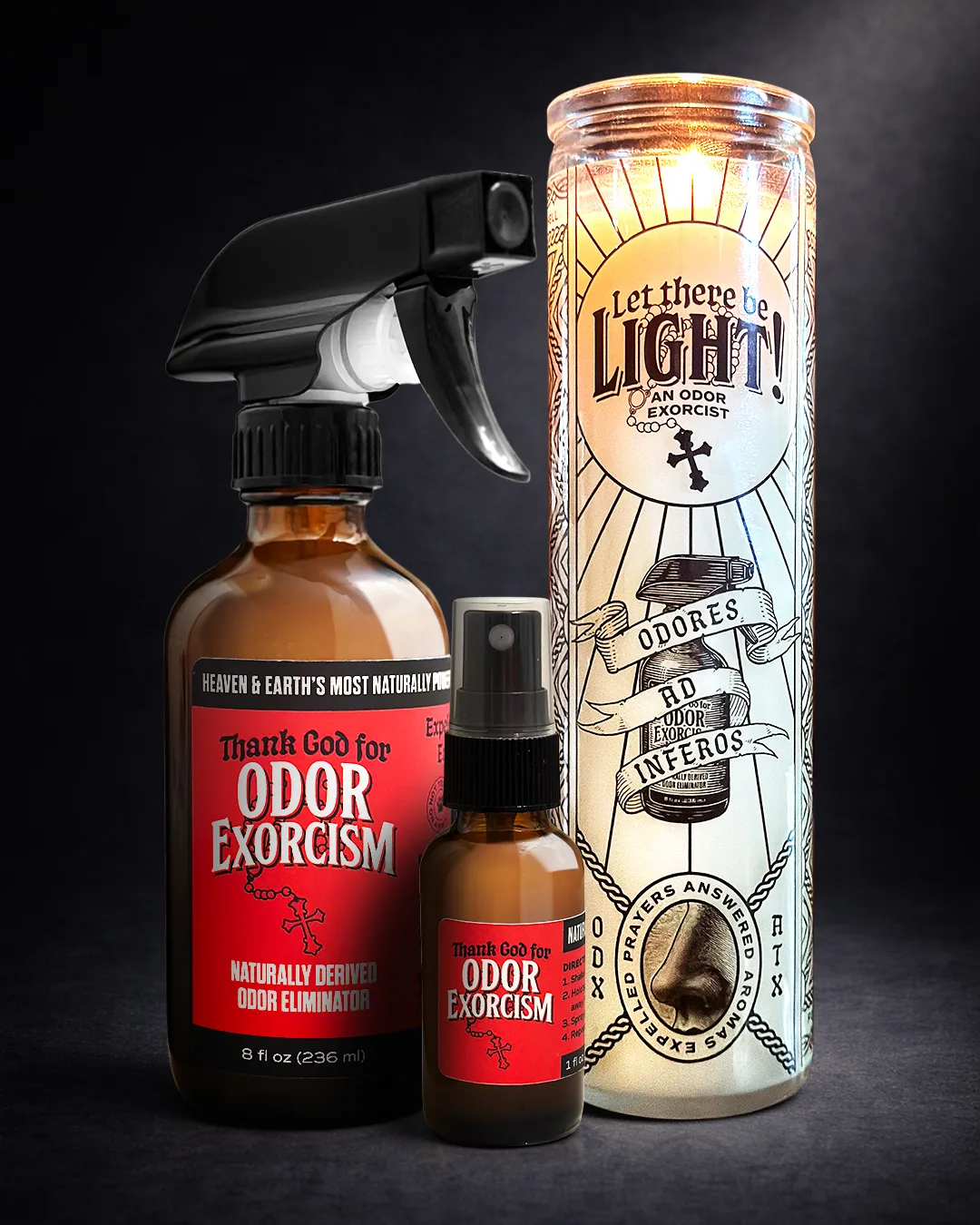
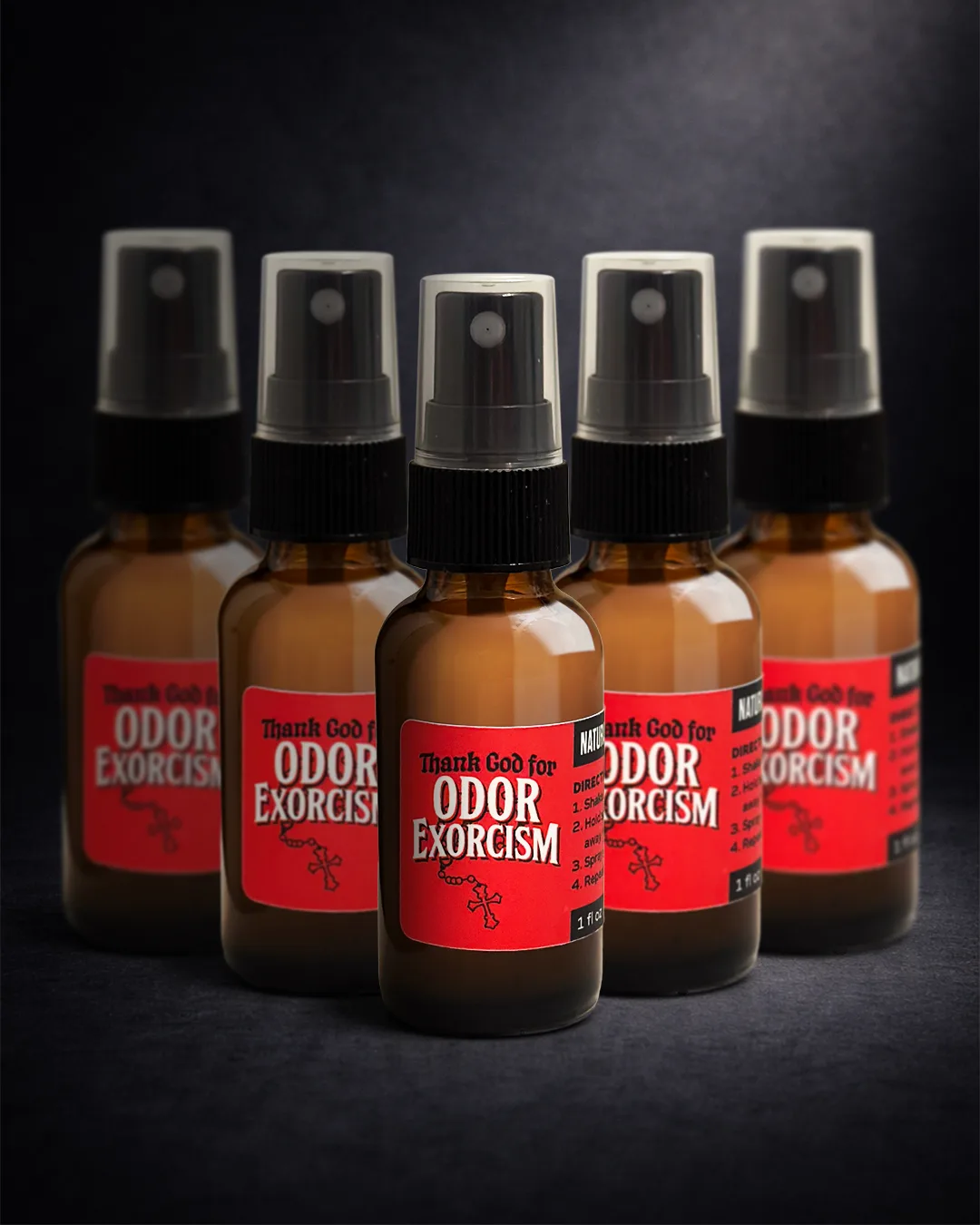
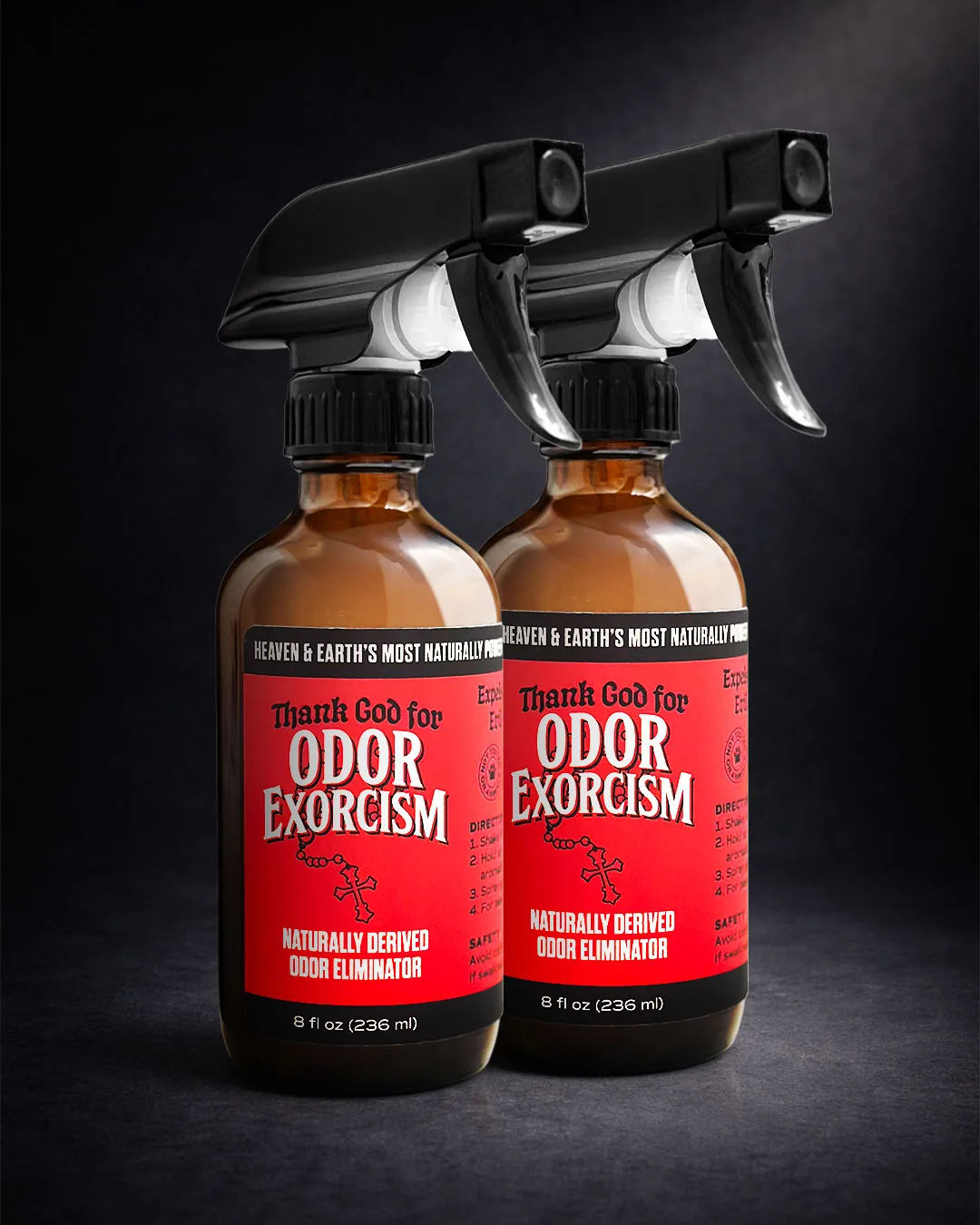
Use an odor-eliminating fabric spray that is intended for soft surfaces and follow its label directions. A naturally derived formula can be a good choice for people who want odor control without turning their closet into a synthetic-fragrance haunted house. Odor Exorcism is designed to neutralize smells on fabric rather than merely placing a floral wig on top of them.
Mist lightly, do not soak the fabric, then allow the item to dry completely before wearing or putting it away. Over-wetting clothes can create the very dampness that leads to mildew smells. For delicate fabrics, test any spray on a hidden area first. Silk, leather, suede, wool, and garments labeled dry-clean-only deserve more caution than a cotton T-shirt.
Use steam for wrinkles and stale fabric
Steam is particularly useful for garments that look fine but feel flat, wrinkled, or vaguely stale. A handheld steamer can lift wrinkles while helping release light odors from fabric. Hang the item first, keep the steamer moving, and avoid pressing the hot plate directly against delicate fibers.
No steamer? Hang the garment in the bathroom while you shower, but do not expect a foggy bathroom to solve serious odor. The humidity may relax wrinkles, yet too much moisture without airflow can leave fabric smelling worse. Once the shower is over, move the item somewhere dry and ventilated.
Steam is best for blouses, dresses, jackets, and lightly worn pants. It is less helpful for deeply embedded sweat odor, old spills, or musty towels. In those cases, stop negotiating with the demon and wash the thing.
Use the dryer carefully when the fabric allows it
A short, low-heat or air-fluff dryer cycle can freshen washable items and knock out wrinkles. Toss in a clean, dry towel to help the load tumble and avoid overcrowding. Ten to 15 minutes is often enough for a quick reset.
This method has trade-offs. Heat can shrink, fade, or damage certain fabrics, and it can set an odor if a garment is not truly clean. Check the care label first. Skip the dryer for delicate knits, bras, embellished clothing, and anything that has even a whisper of a stain.
If you use dryer sheets, remember that they mostly add fragrance and coating. That may feel fresh, but it is not the same as odor removal. Over time, residue can also reduce absorbency in towels and performance fabric. Air fluff plus an odor treatment is often the cleaner play.
Refresh the laundry zone, or the smell will return
Fresh clothes cannot win if they are stored in a closet, drawer, hamper, or gym bag that smells like an abandoned crypt. Clean the environment around the laundry too.
Let dirty clothes breathe before wash day. A ventilated hamper is better than a sealed plastic bin, especially for damp towels, workout gear, and kids’ clothes. If a hamper already smells sour, empty it, wipe it down, and let it dry before refilling it. Wash or replace fabric hamper liners regularly.
For closets and drawers, avoid stuffing clothes tightly together. Air needs room to circulate. Make sure clothes are completely dry before folding or hanging them, because even slightly damp fabric can develop mildew odor in a closed space. If shoes are part of the problem, remove insoles when possible and let them air out separately before they contaminate your clean laundry with their cursed aura.
Gym bags deserve special attention. Remove sweaty clothes as soon as you get home, turn the bag inside out if possible, and let it dry open. A bag that is closed while damp can transfer odor to everything inside, including the clean hoodie you packed with such optimism.
Stop the repeat offenders before they get funky
The best laundry refresh routine starts before an item smells bad. Hang worn clothes instead of dropping them on the floor. Rotate shoes so each pair has time to dry. Change out of damp workout gear promptly. Use an undershirt beneath sweaters, blazers, and button-downs to keep body oils off the outer layer.
For bedding, make the bed after sheets have had a few minutes to air out. Pull the covers back in the morning rather than immediately trapping overnight moisture under a perfectly tucked comforter. It is a small habit, but your bed will feel less stale by the end of the week.
Be mindful with fragrance. Scented sprays, beads, and detergent boosters can make a fabric smell louder without making it cleaner. If you are sensitive to synthetic fragrance, live with pets or children, or simply dislike smelling like a candle aisle in a big-box store, choose products that state what they are designed to do: neutralize odors, not camouflage them.
When freshening becomes a sign you need a wash
If an odor comes back the moment you warm up, the fibers are holding onto sweat, oil, or residue. If the fabric feels stiff, looks dingy, or has a sour smell after drying, it is time for a proper laundering session. Persistent underarm odor may also mean your detergent is not fully rinsing out, your washing machine needs cleaning, or too much fabric softener is coating the fibers.
For washable clothes with stubborn odor, wash according to the care label, avoid overloading the machine, and dry promptly. Leaving clean laundry sitting wet in the washer is how a simple load becomes a mildew exorcism project.
Freshening between washes is a smart fabric-care habit, not a loophole for avoiding hygiene. Give lightly worn items air, target the odor instead of burying it, and keep the spaces around your laundry clean and dry. Your clothes will last longer, your room will smell less suspicious, and the hamper demons will have one less place to hide.