A guide to natural home deodorizing
Evangelize


May 27, 2026
Your house can look spotless and still smell like a minor haunting. Maybe it’s the dog bed. Maybe it’s the entryway shoes. Maybe the couch has been quietly collecting the ghost of takeout, sweat, and bad decisions for months. This guide to natural home deodorizing is for people who want the smell gone, not baptized under a cloud of fake lavender and chemical drama.
Most homes do not have a single odor problem. They have layers. Soft surfaces trap smells, hard surfaces hold residue, stale air keeps everything circulating, and conventional air fresheners often just throw a synthetic veil over the whole mess. That is why natural deodorizing works best when you stop treating odor like a perfume emergency and start treating it like a source problem.
What a guide to natural home deodorizing should actually teach you
A useful guide to natural home deodorizing is not a list of cute kitchen hacks pretending every smell can be defeated with half a lemon and positive thinking. Some natural methods work beautifully. Some are fine for light maintenance. Some are wildly overrated. The goal is to know which is which, so your home smells clean without becoming a shrine to artificial fragrance.
The first rule is simple – deodorizing and scenting are not the same job. If you only add fragrance, you may get a brief moment of floral distraction, but the underlying odor is still lurking like a demon in the floorboards. Real deodorizing means reducing or neutralizing the compounds causing the smell in the first place.
That matters even more if you are sensitive to heavy perfumes, have pets, live in a smaller space, or just do not want your home smelling like a department store candle section exploded.
Start with the places odors love most
If your home has one persistent bad smell, it usually lives in fabric, moisture, or both. Upholstery, rugs, bedding, curtains, laundry hampers, pet zones, and shoes are repeat offenders because they absorb odor and hold onto it long after the original mess is gone.
Kitchen and bathroom odors play a different game. There, the issue is often buildup on hard surfaces, drains, trash cans, grout, or damp textiles like bath mats and dish towels. Air gets blamed for the smell, but air is usually just the messenger.
This is where people waste time. They spray the room, open a window for three minutes, light a candle, and hope for redemption. Meanwhile, the trash can lid is fermenting, the dog blanket is marinating, and the sofa arm has absorbed a year of body oil. If the source stays, the odor stays.
The natural methods that actually pull their weight
Baking soda deserves its halo, within reason. It is excellent for absorbing light odors in carpets, shoes, and some upholstered surfaces if you can let it sit before vacuuming. It is also useful in fridges, closets, and trash areas. But it is not magic. It will not deep-clean a fabric that smells because something soaked into it three weeks ago.
White vinegar is another solid option, especially on washable hard surfaces where odor is tied to residue. It helps cut grime and can reduce smells in kitchens, bathrooms, and laundry loads. The trade-off is obvious – vinegar itself smells sharp until it dissipates, and not everyone wants their home smelling like a salad course during the process.
Fresh air helps, but only when it is part of a system. Ventilation can lower stale indoor air and move odors out, but it does not neutralize what is embedded in rugs, bedding, or upholstery. Think of it as backup, not the whole exorcism.
Activated charcoal can be effective in enclosed spaces like closets, cars, mudrooms, and shoe cabinets. It is low drama and useful for passive odor control. The downside is that it works slowly and does not solve odor that is actively building on surfaces.
Essential oils can make a room smell better, but on their own they are often cast in the wrong role. They are scent contributors, not automatic odor eliminators. Used carelessly, they just create an upscale version of masking. Used in a properly formulated deodorizing product, they can be part of a more natural approach that smells clean while tackling odor more directly.
Why natural deodorizing fails for some people
Usually because they are trying to freshen what actually needs cleaning, or perfume what actually needs neutralizing. Natural methods are effective, but they still have to match the problem.
A musty towel needs washing and drying correctly. A rug that smells like pet accidents may need deeper treatment than a powder can provide. A trash can with funk baked into the plastic needs the inside cleaned, not just the area around it sprayed with something that smells like eucalyptus repentance.
There is also the issue of timing. Small smells are easier to remove than ancient ones. If you catch odor early, a natural odor eliminator spray can work better and faster. Wait too long, and you may be dealing with buildup that needs repeat treatment or a stronger targeted product.
The smartest routine is layered, not extreme
You do not need a sixteen-step ritual performed under a full moon. You need a consistent routine that handles odor at the source, keeps problem areas from spiraling, and avoids loading your space with synthetic fragrance.
Start with basic cleaning. Wash textiles regularly, especially pet bedding, throw blankets, pillow covers, bath mats, and anything living near moisture or feet. Vacuum soft surfaces often enough to keep odor-causing debris from settling in permanently. Wipe down hard surfaces that collect food splatter, oils, or mystery grime.
Then use passive support where it makes sense. Baking soda in the fridge, charcoal in the closet, ventilation when weather allows. These are good maintenance habits, not miracles.
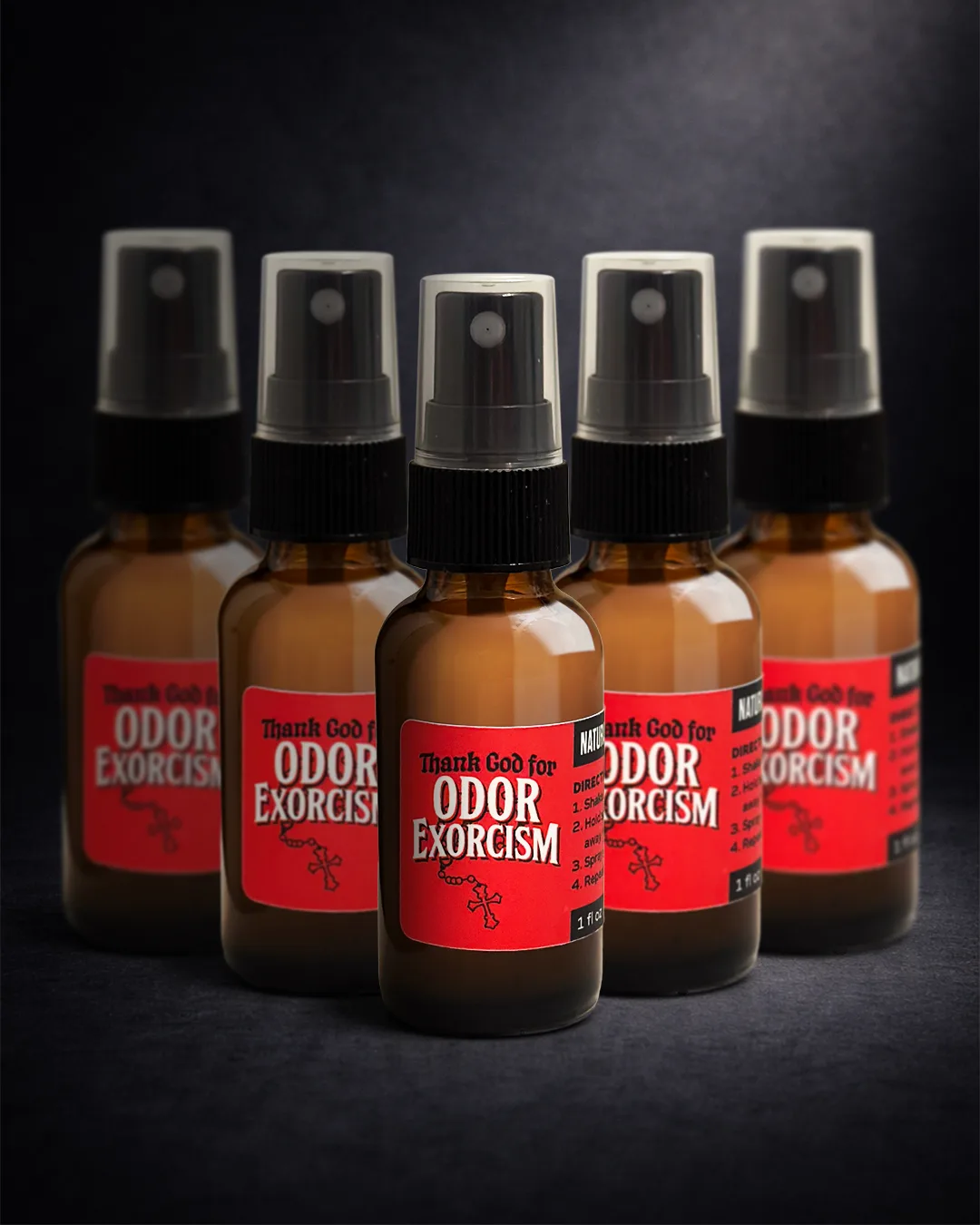
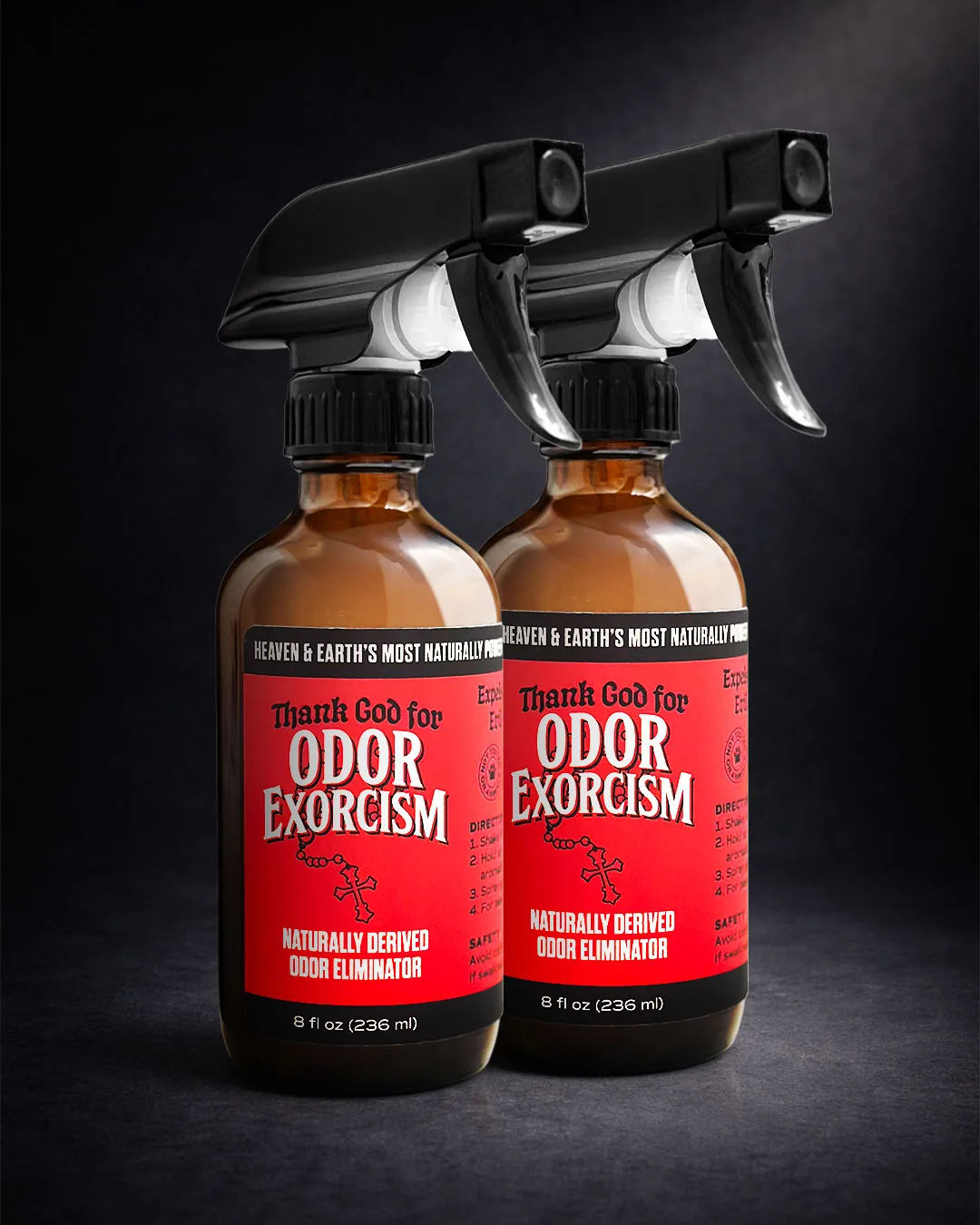
For surfaces that cannot be tossed in the washer every day, this is where a naturally derived odor eliminator spray earns its keep. A good one helps bridge the gap between deep cleaning and daily life. It gives you a way to tackle bedding, upholstery, carpets, shoes, clothing, and other odor-prone zones without reaching for the usual synthetic fog machine.
That distinction matters. The better natural sprays are designed to neutralize odor on contact rather than simply overpower it. That means the room smells fresher because the offending smell is being addressed, not because something louder walked in and started shouting.
Room-by-room natural deodorizing that makes sense
In the bedroom, focus on bedding, pillows, curtains, and laundry baskets. Bedrooms often smell stale because fabrics quietly collect sweat, dust, and low-grade mustiness. Wash what you can, air out what you cannot, and use a fabric-safe deodorizing spray between full laundry cycles.
In the living room, the main suspect is usually upholstery. Couches and chairs absorb cooking smells, pets, body odor, and everyday life. Vacuum first, then treat soft surfaces directly instead of only freshening the air around them.
In the kitchen, target the trash can, sink area, dish towels, fridge, and any soft mats. A natural cleaner can help with residue, while odor treatment is best used on the actual surfaces or fabrics holding the smell.
Bathrooms need moisture control as much as deodorizing. Wash towels often, keep bath mats dry, clean the toilet area properly, and ventilate after showers. If the room still smells off, check for damp textiles before blaming the air.
Entryways are tiny odor portals with outsized influence. Shoes, gym bags, backpacks, and damp jackets can infect the whole space. Treat footwear and washable accessories regularly, and do not underestimate what one funky corner can do to the vibe of an entire home.
Natural does not mean weak
This is where the category gets unfairly judged. People hear natural and assume they are signing up for polite, ineffective solutions that smell faintly of herbs and disappointment. Not true.
Natural home deodorizing can work very well when the formula is built to eliminate odor and not just smell pleasant. The trick is to avoid products that lean too hard on fragrance while pretending that counts as cleaning. A naturally derived spray with essential-oil-based scent can be a far better fit for ingredient-aware households, especially if you want something non-toxic and versatile enough for both soft and hard surfaces.
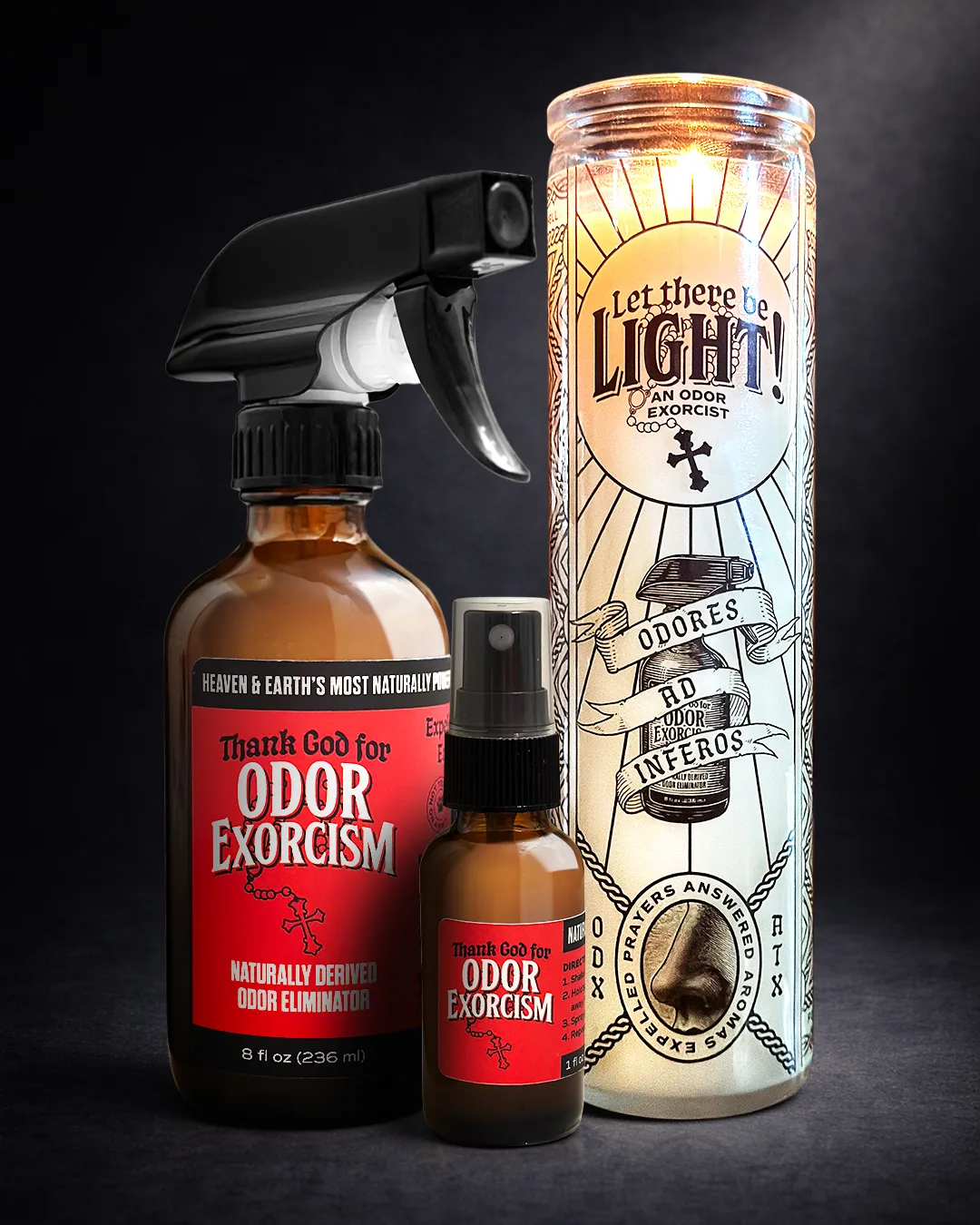
That is also why some shoppers switch from traditional air fresheners and never look back. Once you realize your home can smell clean without the headache-inducing perfume cloud, the old stuff starts feeling less like freshness and more like scented denial. Odor Exorcism was built around exactly that shift – removing the stink itself, not dressing it up in synthetic choir robes.
When to stop deodorizing and investigate
If a smell keeps returning no matter what you do, the issue may not be surface-level. Persistent mustiness can point to hidden moisture. Sour or dirty smells in one area may signal mildew, plumbing trouble, pet accidents under flooring, or old spills inside furniture cushions. No spray, natural or otherwise, should be asked to perform a full miracle on a structural problem.
That does not mean your routine failed. It means odor is doing its job and telling you something. Listen before the tiny haunting becomes a full possession.
A clean-smelling home is not about making every room smell like a spa, a pine forest, or a dessert menu. It is about removing the funk, keeping surfaces fresh, and choosing products that do not turn your air into a chemistry experiment. If your house has been hosting lingering odors like unwanted spirits, start at the source, keep your routine honest, and let freshness feel like actual relief instead of a cover story.