The future of non toxic air care
Evangelize


May 20, 2026
The old air care playbook is getting exorcised.
For years, the category ran on a pretty flimsy spell: flood a room with synthetic fragrance, call it fresh, and hope nobody asks what is actually floating around in the air. But the future of non toxic air care looks a lot less like perfume warfare and a lot more like ingredient scrutiny, odor elimination, and products that do not make your house smell like a chemically haunted candle aisle.
People are paying attention now. They are reading labels in the cleaning aisle the same way they read labels on food, skincare, and baby products. They want homes that smell clean without the weird aftershock of heavy fragrance. They want something that handles pet beds, gym shoes, damp towels, upholstery, and mystery couch funk without turning the air into a fog of fake lavender punishment.
That shift is not a passing trend. It is a category correction.
Why the future of non toxic air care is changing fast
Air care used to be treated like a cosmetic category. Make it smell nice, make the bottle pretty, and move on. That approach worked when shoppers were less ingredient-aware and when “fresh” was mostly a marketing mood board instead of a performance claim.
Now consumers are savvier, and honestly, more suspicious. They know that a strong scent is not the same thing as a clean space. They know masking odor is not the same as removing it. They also know indoor air quality matters, especially in homes with kids, pets, allergies, asthma concerns, or just people who do not want their living room to smell like a mall restroom trying to cover up a crime scene.
The next phase of the category is being driven by three forces at once: better ingredient literacy, frustration with synthetic fragrance overload, and higher expectations for actual performance. If a product says it freshens air, buyers increasingly want to know how. If it says it is safer, they want to know what is not in it. And if it claims to eliminate odor, they expect it to do more than throw a scented cape over the demon.
From masking smells to removing them
This is the biggest shift, and it matters more than whatever scent is trending on social media this month.
Traditional air fresheners were built to dominate your nose. The logic was simple: if the artificial linen blast is stronger than the litter box note, the problem is solved. Except it is not solved. It is just wearing a cheap disguise.
The future of non toxic air care is centered on odor neutralization. That means formulas designed to deal with the smell itself rather than distracting you with a stronger one. For everyday life, this is a much better fit. Homes do not need to smell “perfumey” to feel clean. In fact, for a lot of people, overly fragranced products now register as suspicious, irritating, or just plain exhausting.
That does not mean scent is dead. It means scent is becoming more intentional. Lighter, cleaner, more natural, and secondary to function. The winning products in this space will smell good without acting like they are trying to stage a hostile takeover of your lungs.
Ingredient transparency is no longer optional
The brands that win next will be the ones that stop hiding behind vague language and glossy packaging.
Consumers want to know what they are bringing into bedrooms, nurseries, dorms, cars, and fabric-heavy spaces where smells love to linger. “Non toxic” is not a magic word by itself. It has to be backed by real formulation choices, clear ingredient communication, and a consistent standard.
This is where the category gets a little messy. There is still no universal, perfectly enforced definition of non-toxic in consumer marketing. Some brands use the term responsibly. Others slap it on a bottle like holy water and hope nobody notices the fine print. So the future belongs to companies willing to be specific. Naturally derived ingredients. No heavy reliance on synthetic fragrance cocktails. Clear use-case guidance. Honest talk about what the product can and cannot do.
That last part matters. Even great air care has limits. If your basement smells like long-term moisture and regret, you may need to fix the source, not just spray around it. If soft furnishings are harboring years of pet odor, one treatment may not perform a full cinematic resurrection. Good brands do not pretend every odor issue can be solved with a mist and a prayer.
The home is becoming a wellness space, not just a styled one
A few years ago, air care was mostly aesthetic. People wanted a house that looked nice and maybe smelled vaguely expensive. Now there is a stronger connection between home environment and personal well-being.
That does not mean every consumer is trying to turn their apartment into a silent wellness monastery. It means people are making practical connections. Better-smelling fabrics improve comfort. Less fragrance overload means fewer headaches for some households. Cleaner-feeling rooms support routines, sleep, focus, and the basic pleasure of not being ambushed by stale odors when you walk through the door.
This is especially true for families, pet owners, renters, and anyone living in smaller spaces. When square footage is limited, odors do not politely stay in their lane. What happens in the kitchen, laundry basket, shoe pile, or dog bed can quickly migrate through the whole place like an evil spirit with no respect for boundaries.
The future of non toxic air care is tied to this reality. Products need to work across surfaces and air, fit into everyday routines, and feel safe enough for frequent use around real life – not just staged countertops and decorative throw blankets no one is allowed to touch.
Smarter product design will beat bigger scent clouds
The next generation of air care is not just about cleaner formulas. It is also about better format choices.
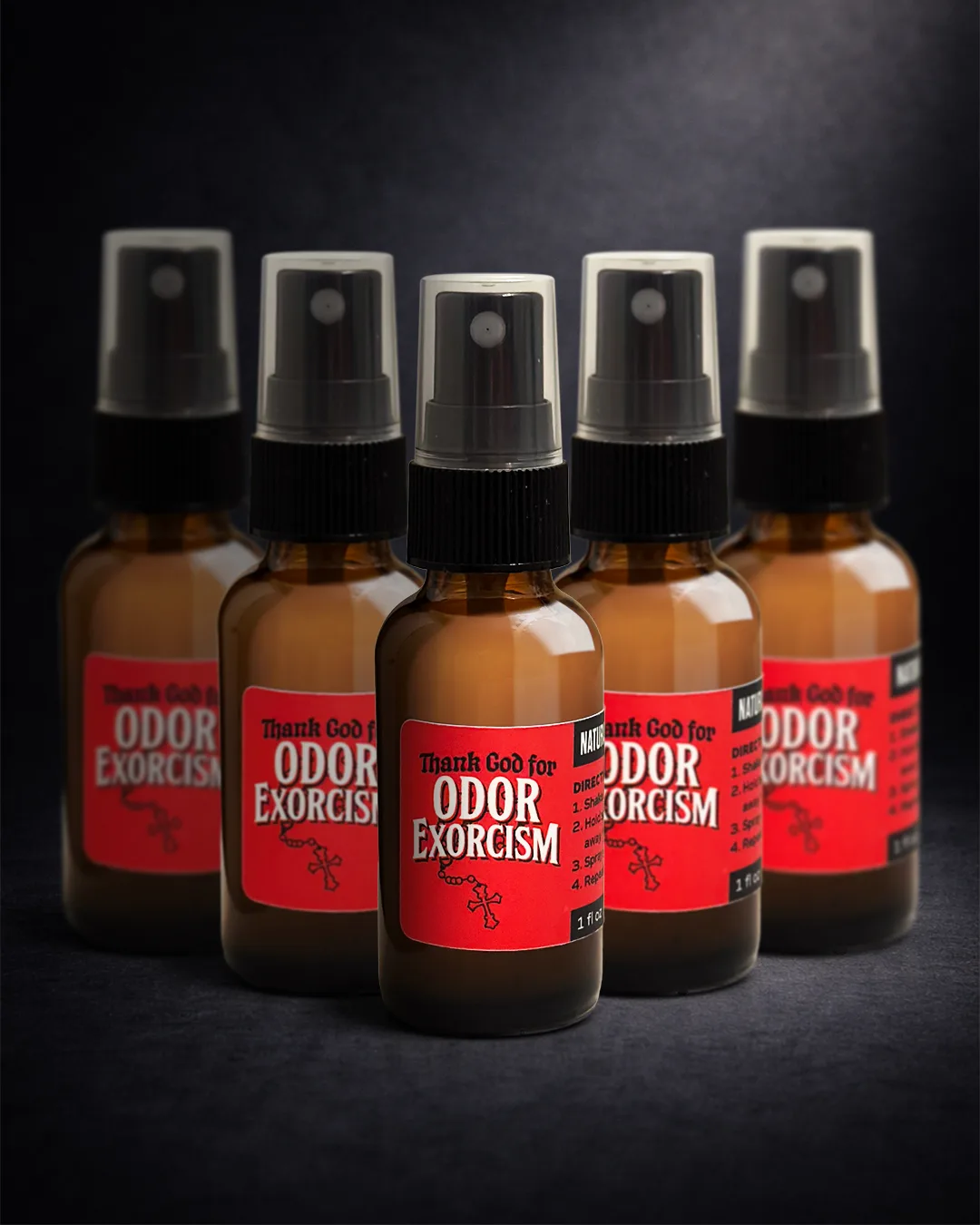
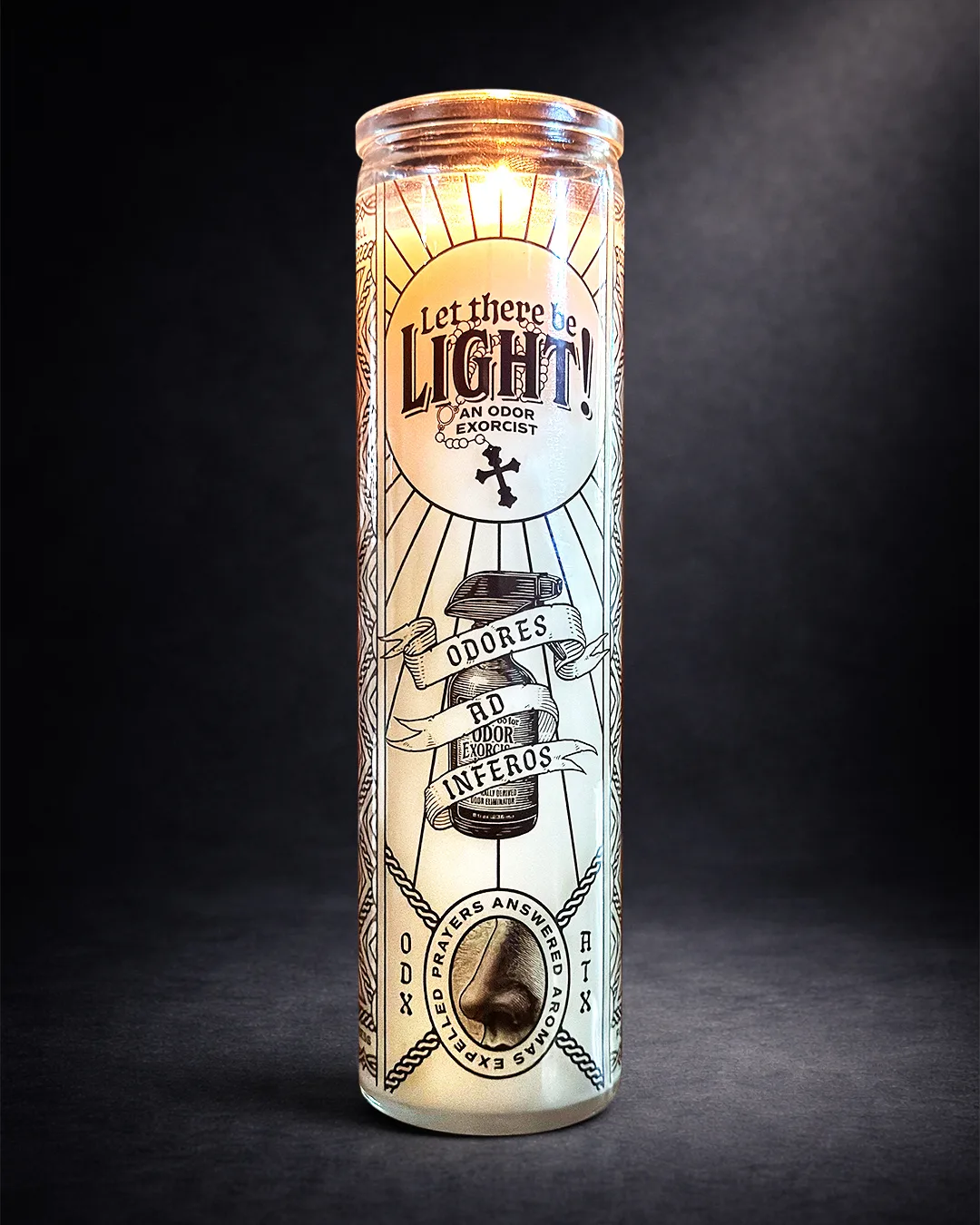
Consumers are getting more selective about where and how they use odor-control products. Some want a quick spray for upholstery and bedding. Some want a travel option for gym bags, hotel rooms, and shoes. Some still love candles, but want cleaner-burning choices and less artificial scent aggression. Convenience matters, but precision matters too.
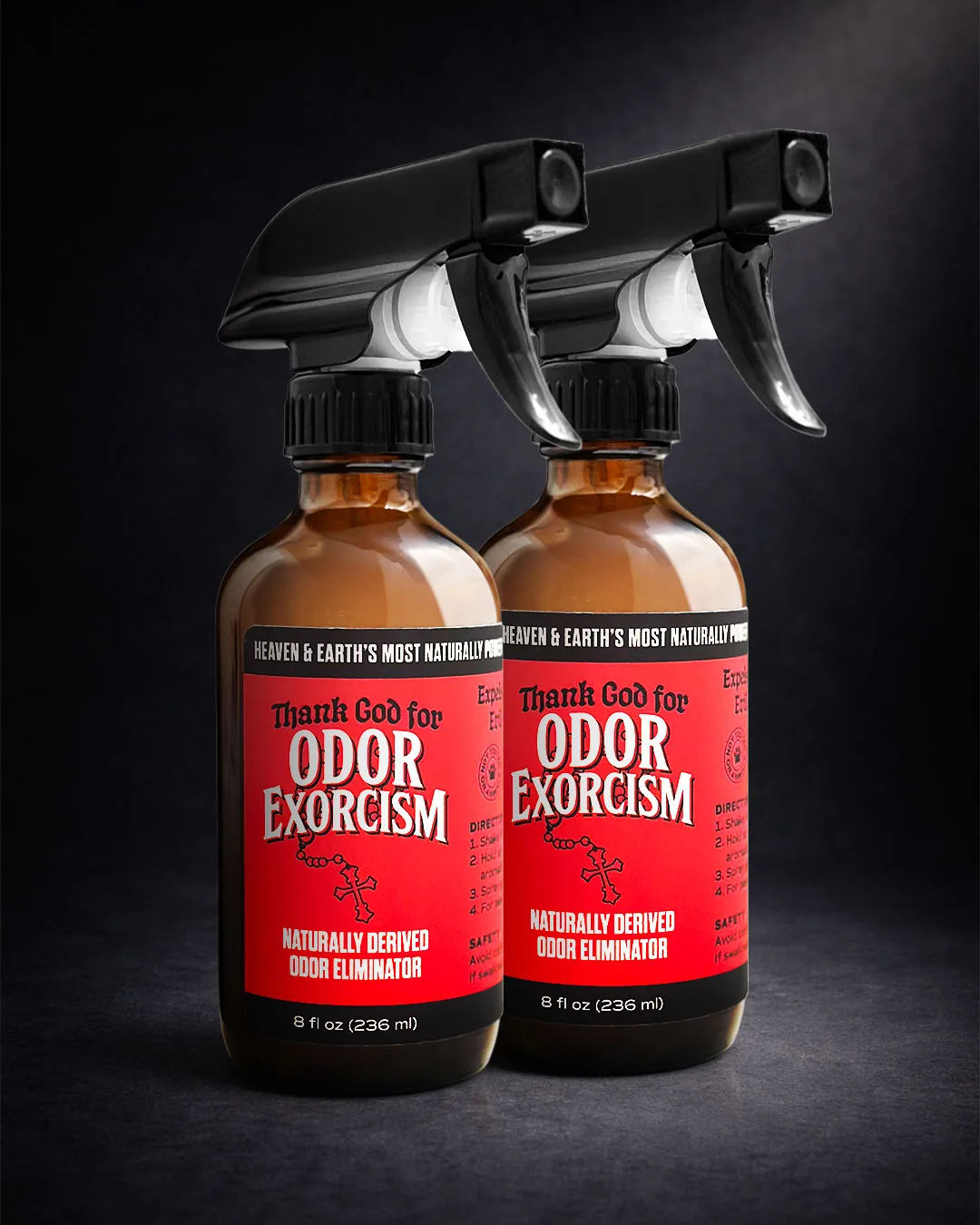
That means we will likely keep seeing growth in multipurpose sprays, portable formats, and products designed for specific odor zones rather than one-size-fits-all room bombs. A spray that works on soft and hard surfaces has a better shot at staying in rotation than a product that only exists to make a room smell aggressively “oceanic” for fifteen minutes.
There is also a design lesson here. Air care used to be sold like a generic utility item. But buyers now want products that fit their lifestyle and identity. They care about packaging, tone, and whether a brand feels like it actually understands the battle against pet funk, laundry limbo, and couch ghosts. That is where personality matters. Not because jokes replace performance, but because consumers remember brands that make an everyday chore feel less boring.
The future is cleaner, but not preachy
One reason some shoppers resist “clean living” categories is that the messaging can get painfully sanctimonious. Nobody wants to be scolded by a spray bottle.
The best non-toxic air care brands will avoid that trap. They will make safer, cleaner options feel practical and desirable, not joyless. They will speak like normal humans. Or, if they have any taste, like mildly possessed humans with excellent standards.
This matters because adoption depends on behavior, not just ideals. Most people are not looking for a manifesto. They want their home to smell better without bringing in a bunch of ingredients they do not trust. They want a product that works fast, smells pleasant, and does not leave behind the chemical equivalent of a jump scare.
That is a better way to talk about household wellness anyway. Less fear marketing. More clarity. More honesty. More confidence that non-toxic does not have to mean weak, earthy, or ineffective.
What shoppers should expect next
Over the next few years, expect the category to split more clearly into two camps. One will keep pushing louder fragrance, trend-chasing scent names, and the same old cover-up strategy in a shinier bottle. The other will focus on formulas that earn trust through transparency, performance, and a more restrained approach to scent.
The second camp is where the real momentum is. It lines up with how people now shop across home, beauty, and wellness. They are comparing ingredients, reading reviews, and looking for products that solve the problem without creating a new one. That does not mean every household will abandon conventional air fresheners overnight. Habits are stubborn little beasts. Price still matters. Scent preference still matters. And some people genuinely love a dramatic fragrance blast.
But the direction is clear. The market is moving away from fake freshness and toward products that feel safer, smarter, and more useful in everyday life.
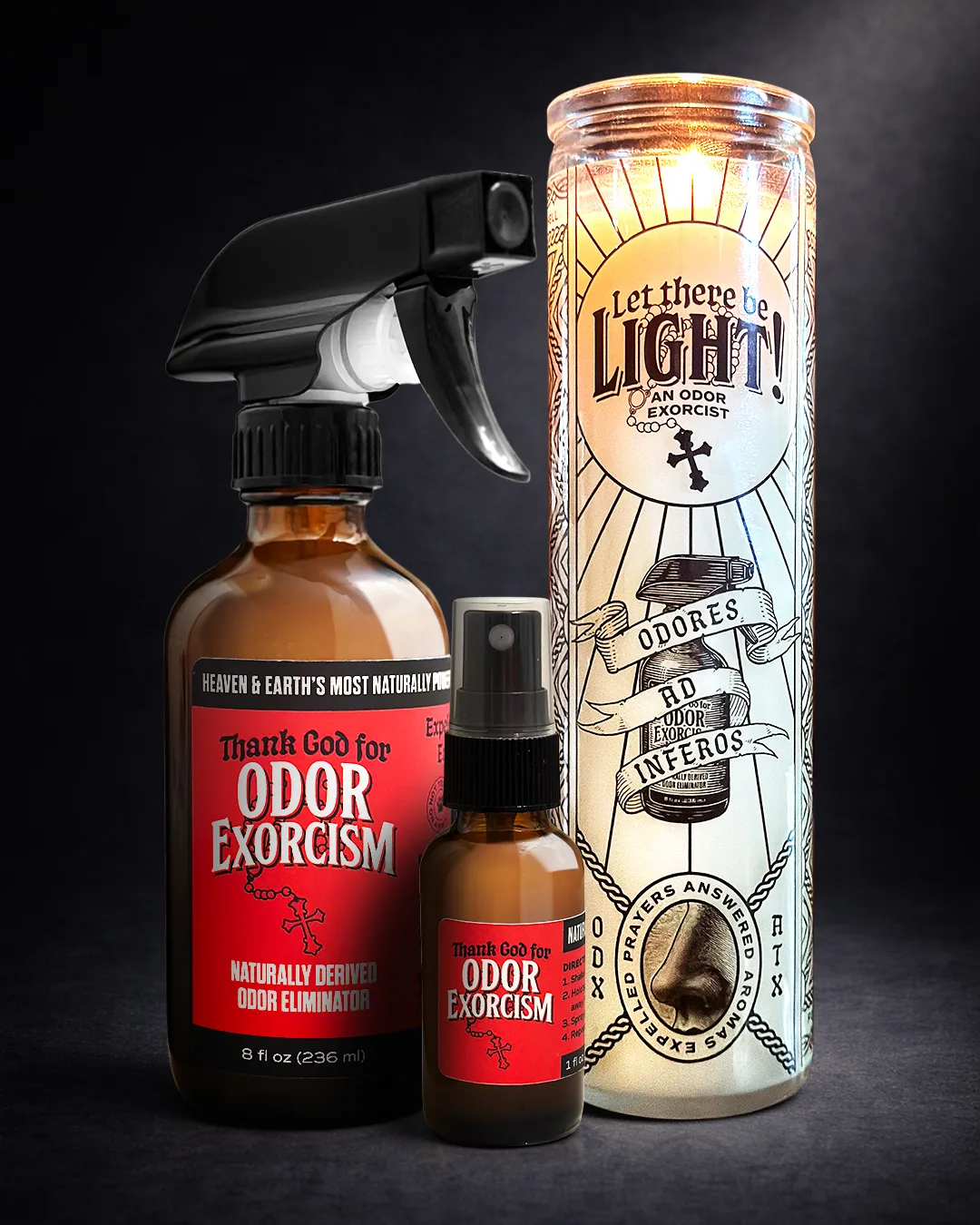
For brands like Odor Exorcism, that is not a niche fantasy. It is the whole sermon. The future belongs to air care that treats odor like the demon it is and sends it out instead of perfuming its cape.
If you are choosing products for your home right now, the smartest question is not “What smells strongest?” It is “What actually works, and what am I inviting into my space every day?” Ask that often, and the category gets better for everyone.