Natural room spray for apartments that fights odors
Evangelize


July 22, 2026
Apartment odors have nowhere to hide – and nowhere to go. When your kitchen, couch, laundry hamper, pet bed, and bedroom all live within a few hundred square feet, one suspicious smell can become the unofficial roommate. A natural room spray for apartments can help, but only if it does more than toss a floral fog over the evidence.
The goal is not to make your place smell like a candle aisle after a thunderstorm. The goal is to deal with the odor itself, without filling your small space with heavy synthetic fragrance. Because when the windows are closed, the AC is running, and your neighbor is apparently cooking fish for the eighth night in a row, scent-masking products can make the situation feel less like fresh air and more like a chemical hostage negotiation.
Why apartment odors feel so possessed
Apartments concentrate life. There is less airflow, less separation between rooms, and usually fewer places to stash the stuff that absorbs odor. Soft surfaces are especially guilty. Upholstery, rugs, bedding, towels, gym bags, curtains, and shoes collect odor particles quietly, then release them when the room warms up or humidity rises.
Cooking odors are another familiar demon. Garlic, bacon, curry, fried food, and last night’s takeout can linger in cabinets, fabrics, and the air long after the plates are gone. Add pets, bathroom humidity, trash day delays, or a load of laundry that sat in the washer too long, and your apartment can develop an atmosphere with opinions.
That is why a quick spritz into the center of the room often disappoints. It may change what you smell for a few minutes, but it does not necessarily address where the odor lives. A better strategy starts with the source.
What a natural room spray for apartments should do
“Natural” is not a magic word that automatically makes a spray effective. Some natural sprays are basically perfume with a wholesome label. Others rely on essential oils but still leave you wondering why the litter-box funk is merely wearing a citrus hat.
Look for a spray designed to neutralize odors on contact rather than simply overwhelm them. In practical terms, that means you can use it where odors actually settle: on fabrics, soft furnishings, shoes, bedding, and other household surfaces, provided the product directions say those surfaces are safe to spray.
A well-made natural odor eliminator should also be pleasant to use in a compact home. Apartment dwellers do not need a fragrance cloud that follows them from the couch to the bathroom like a needy ghost. Naturally derived, essential-oil-based scent can make the cleaning ritual feel fresh without turning every room into an aggressive perfume counter.
There is a trade-off, of course. Natural scent profiles can be lighter and fade sooner than the artificially long-lasting fragrances found in conventional air fresheners. For many people, that is the point. A room should smell clean, not like it was sealed inside a plastic peach.
Stop spraying the air first
When an odor hits, it is tempting to aim upward and fire away. A little airborne spray can refresh a room, but surface treatment is usually where the real work begins. Odors cling to the materials you touch and use every day.
Start with the obvious culprit, then work outward. If the couch smells like dog, spray the upholstery according to label directions. If your bedroom has that stale, slept-in vibe, freshen the bedding, mattress cover, curtains, and laundry hamper. If your entryway has become a shrine to sneakers, target the shoes and the mat beneath them.
For renters, this approach matters because you cannot always replace carpet, repaint walls, or pull out a mystery-smelling cabinet. You can, however, keep up with odor before it settles into every porous surface like a tenant who refuses to move out.
The four apartment odor hotspots
Most recurring smells come from a small cast of usual suspects:
- Soft furniture and textiles: Couches, rugs, blankets, curtains, and pet beds trap food, body, and pet odors with alarming enthusiasm.
- Kitchen zones: Trash cans, refrigerator shelves, dish towels, sponges, and cabinets near the stove can keep cooking smells alive.
- Bathroom moisture: Damp towels, bath mats, shower curtains, and poor ventilation create the ideal setting for musty nonsense.
- Shoes and laundry: Closets, hampers, gym bags, and forgotten workout clothes can foul an entire bedroom faster than you would think.
Spray is most useful as part of maintenance, not as a cover-up for a problem that needs cleaning. Empty the trash. Wash the towel. Let the bath mat dry. Clean the spill under the couch. Then bring in the odor eliminator to clear what has lingered behind.
How to use spray without turning your apartment into a fragrance dungeon
Small spaces reward restraint. Start with a light application and give the product a moment to work. You can always add another pass, but you cannot easily un-spray an overenthusiastic blast of scent from a studio apartment.
Test fabric in an inconspicuous area before treating a large visible surface, especially delicate upholstery, vintage textiles, silk, suede, leather, or anything with questionable cleaning instructions. A natural formula can still interact differently with different materials. “Naturally derived” does not mean “immune to physics.”
Ventilation helps, too. Open a window when weather and air quality allow, run the bathroom fan after showers, and use the kitchen hood while cooking. A natural room spray works best in a home where odors are not being continuously manufactured at industrial scale. If you are frying onions at midnight with every window shut, the spray deserves hazard pay.
For everyday upkeep, create a quick routine. Freshen the couch and pet bed after vacuuming. Treat shoes after a long day. Spray bedding between washes if it needs a reset. Address towels and bathroom fabrics before they cross from “a little damp” into “something is growing a backstory.”
Ingredient-aware does not mean joyless
People who avoid harsh fragrances are often told they must choose between a home that smells clean and a home that smells like absolutely nothing. That is false. You can want cleaner ingredients and still enjoy scent. You can care about what you spray around kids, pets, and your own lungs without living in an unscented monastery.
The better question is whether a product earns its place in your home. Does it target odor, or just bury it? Is the scent pleasant without being punishing? Can you use it on the surfaces that actually hold the smell? And does the ingredient approach fit your comfort level?
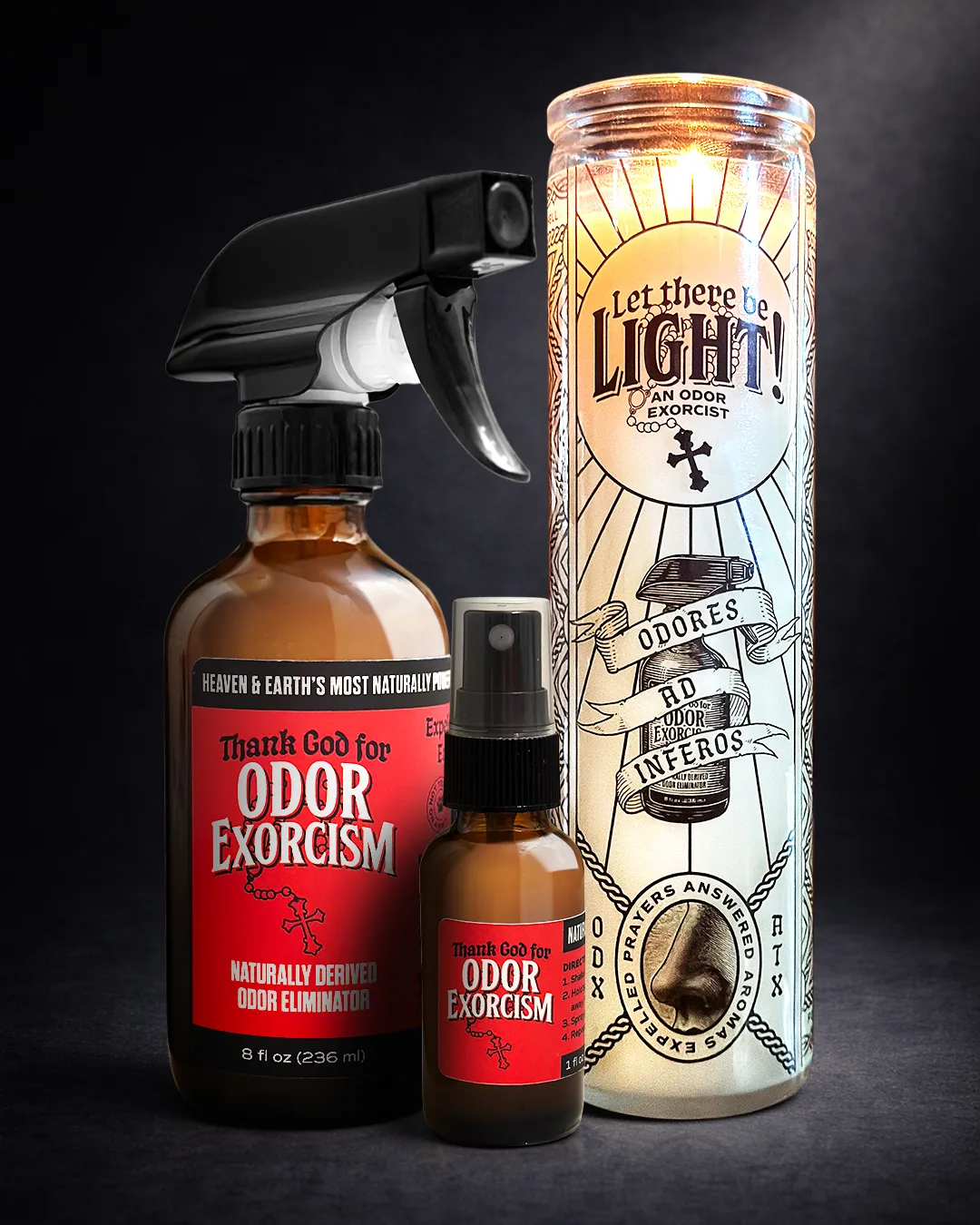
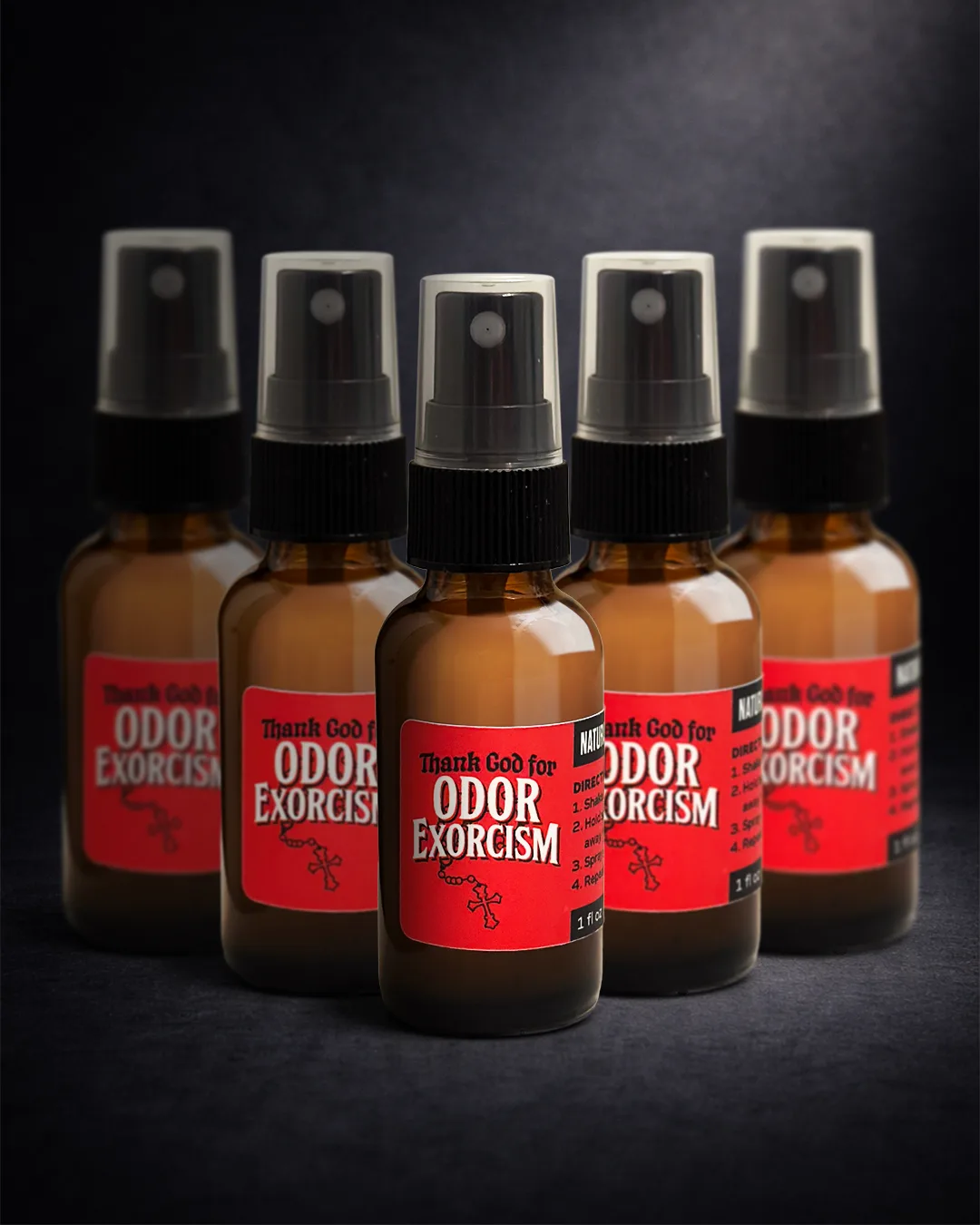
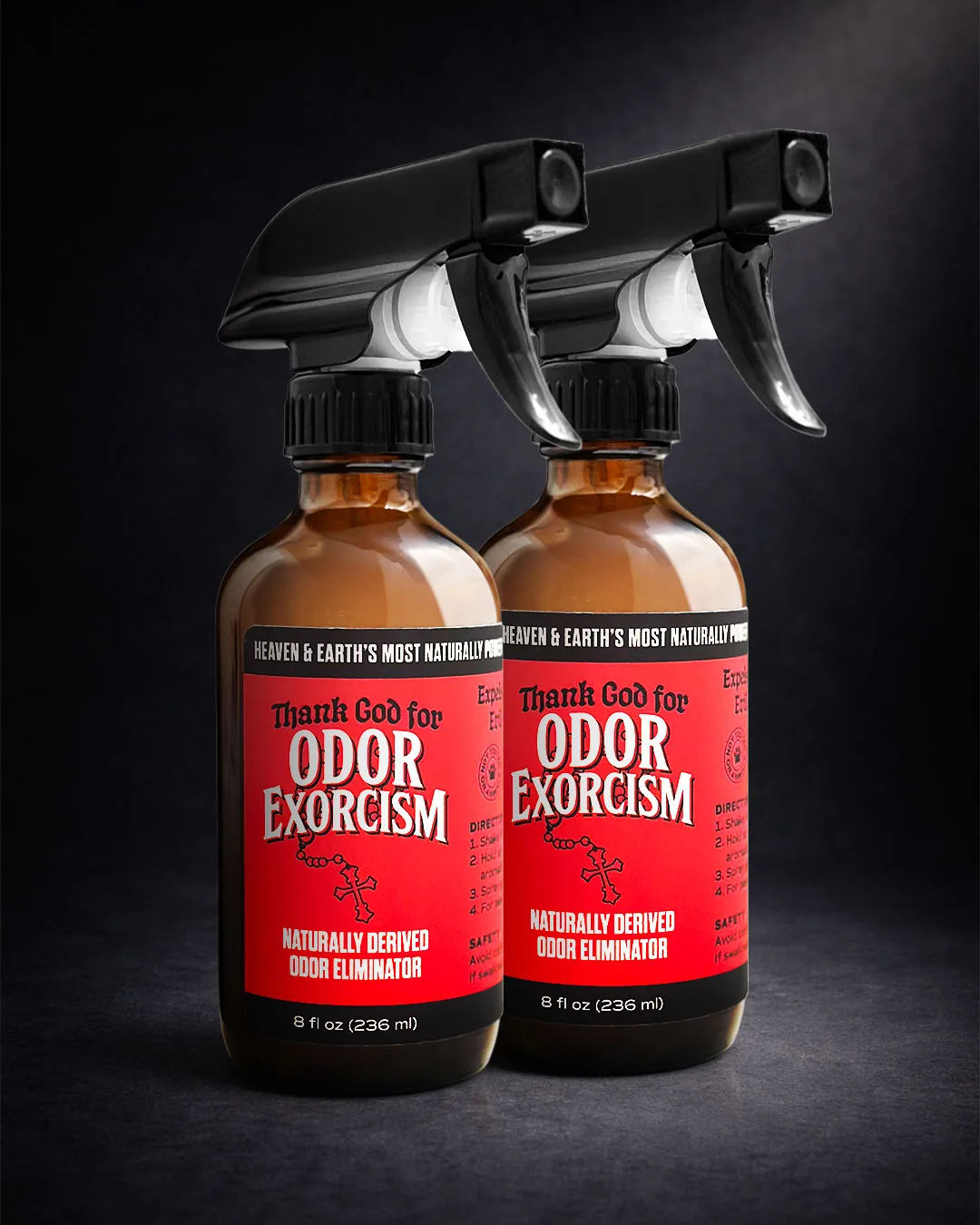
Odor Exorcism was built for exactly this kind of domestic haunting: naturally derived odor elimination with essential-oil-based scent, made for the fabrics and surfaces where apartment smells like to set up camp. It is not about pretending your home never hosted dinner, a dog, or a human body. It is about evicting the lingering evidence.
When spray is not the answer
Even the most righteous odor spray cannot solve every problem. If you smell persistent mildew, sewage, gas, smoke damage, or a sharp chemical odor, do not keep spraying and hoping the ghost gets bored. Investigate the source and contact property management when needed. Hidden leaks, ventilation issues, mold, and appliance problems require a real fix.
Likewise, a litter box, trash can, or fridge needs regular cleaning before any freshening product can do its best work. Spray is your supporting actor, not the janitor, plumber, and exorcist all at once.
Your apartment does not need to smell like a fake meadow to feel clean. Treat the source, keep the high-odor zones under control, and use a natural spray where the funk actually lives. Then enjoy your space without wondering which corner is plotting against your nose.