How to get smell out of shoes naturally
Evangelize


May 13, 2026
That moment when you kick off your shoes and a tiny demon escapes into the room? Brutal. If you’re searching for how to get smell out of shoes naturally, the good news is you usually do not need to fumigate your closet or drown your sneakers in fake perfume. Shoe odor has causes, patterns, and a few very fixable habits behind it.
The bigger truth is this: smelly shoes are rarely about shoes alone. They are usually a mix of sweat, trapped moisture, bacteria, and whatever your feet dragged home from a long day. If you only cover the stink, the funk comes back. If you dry things out, absorb the odor, clean the right materials the right way, and choose a natural odor eliminator, you can get your shoes back from the underworld, leaving the bad smells in hell where they truly belong.
Why shoes smell so bad in the first place
Feet sweat. A lot. Even if you are not running marathons, your feet can produce enough moisture in a day to turn the inside of a shoe into a warm little swamp. Add darkness, friction, and poor airflow, and bacteria start feasting on that sweat. That feast is the smell.
Some shoes are worse offenders than others. Athletic shoes, work boots, flats worn without socks, and cheap synthetic materials tend to hold onto odor longer. Natural materials like canvas and leather can still smell, but they often breathe better than dense foam and plastic-heavy designs.
It also depends on your routine. If you wear the same pair every day, shove them straight into a dark closet, or put them on with damp feet, you are basically rolling out the welcome mat for odor-causing microbes.
How to get smell out of shoes naturally without making it worse
Before you throw random pantry ingredients at your footwear like a desperate backyard chemist, start with the least dramatic fix: dry them completely.
Step one: air them out like you mean it
Take out the insoles if they are removable. Loosen the laces. Open the shoes as much as possible and place them in a dry spot with good airflow. A fan helps. Sunshine can help too, especially for canvas shoes, but too much direct heat can warp glue, crack some materials, or shrink certain fabrics.
This part matters because moisture is the throne room. If your shoes stay damp inside, every deodorizing trick becomes temporary.
Step two: use an odor absorber, not just a scent
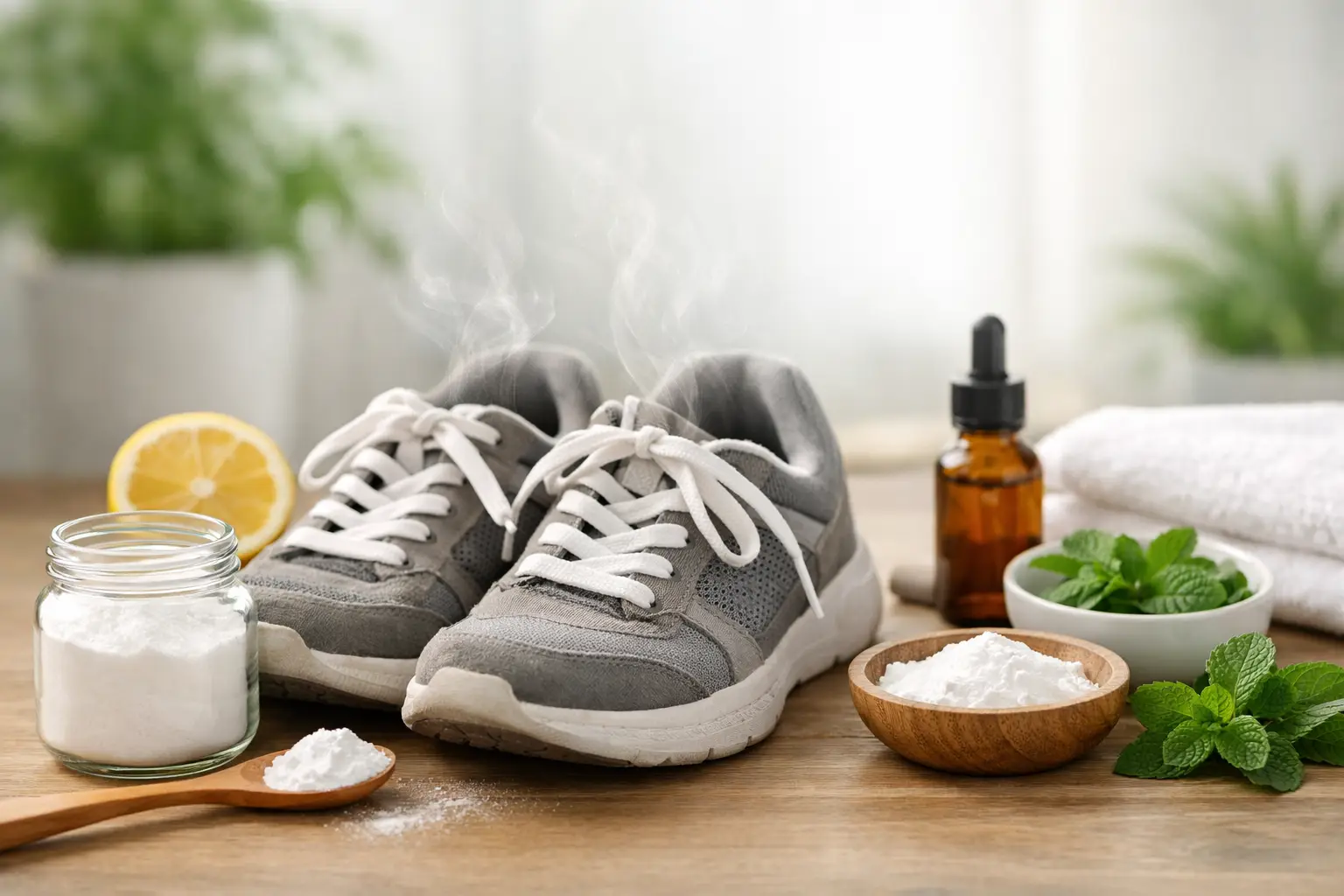
Baking soda is the classic natural fix for a reason. It absorbs moisture and helps neutralize odor instead of just covering it up. Sprinkle a few tablespoons inside each dry shoe and let it sit overnight. In the morning, shake it out thoroughly.
If you do not want loose powder rattling around in your loafers, fill a pair of thin socks or small fabric pouches with baking soda and leave them inside the shoes overnight. That is less messy and easier on dark interiors.
Activated charcoal is another strong option. It is especially useful when odor is stubborn or your shoes tend to stay musty. Charcoal sachets can sit inside shoes between wears and keep absorbing moisture and odor over time.
Step three: clean the parts that hold the most funk
Insoles often carry the worst of the smell because they sit directly under sweaty feet all day. If they are removable, take them out and hand wash them with mild soap and warm water. Let them dry fully before putting them back.
For washable sneakers, you can wipe the interior lining with a cloth dampened with water and a small amount of gentle soap. Do not soak the shoe unless the manufacturer says machine washing is safe. Too much water can trap more moisture deep in the padding, which is the opposite of what we want.
For leather shoes, go easy. Use a barely damp cloth inside, then follow with a dry cloth. Leather does not love saturation, and when leather gets weird, it gets expensive.
The best natural remedies for smelly shoes
There is no single holy relic for every shoe odor situation. The right fix depends on how bad the smell is, what the shoes are made of, and whether you need a rescue mission or daily maintenance.
Baking soda for everyday odor
Baking soda is best for regular sneaker funk, mild mustiness, and moisture control. It is cheap, easy, and usually safe for most shoe interiors as long as you remove it completely afterward.
Its weakness is heavy, deeply set odor. If your gym shoes smell like they have seen battle, baking soda may need backup.
White vinegar for bacteria-related odor
A light vinegar solution can help reduce odor tied to bacteria. Mix equal parts white vinegar and water in a spray bottle and lightly mist the inside of the shoe, then let it dry completely. The vinegar smell fades as it dries.
The catch is that vinegar is not ideal for every material. Use caution with leather, suede, and delicate finishes. Spot test first. Natural does not automatically mean harmless to every surface.
Freezing for stink that will not quit
Cold temperatures can help slow or reduce odor-causing bacteria. Put dry shoes in a sealed bag and place them in the freezer overnight. Then let them come back to room temperature and air out.
This is not magic, and it will not fix moisture problems, but it can help with persistent odor when paired with drying and cleaning.
Essential-oil-based odor eliminators for a cleaner reset
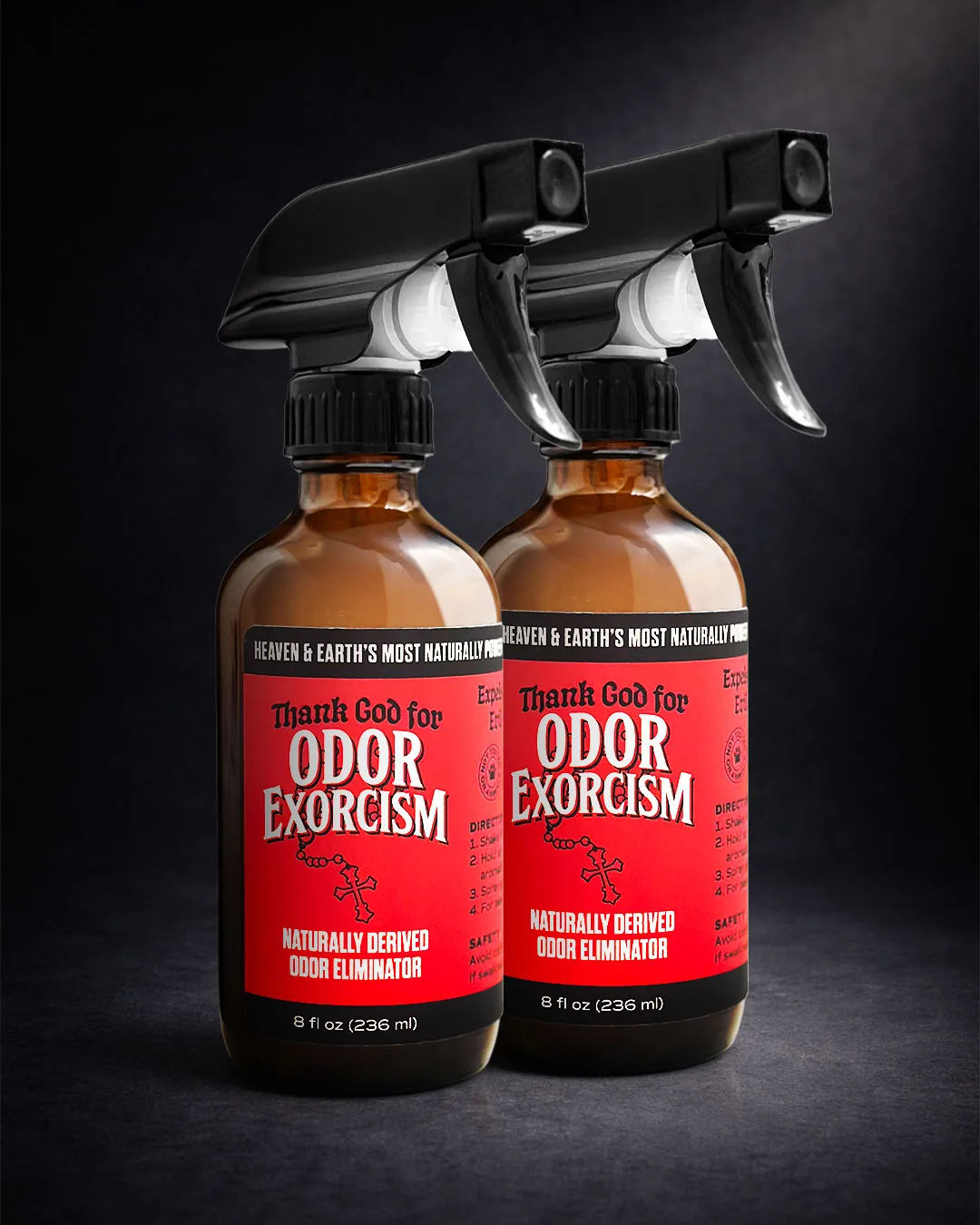
If you want a natural option that goes beyond the pantry, use a naturally derived odor eliminator spray made for fabrics and shoes. The key is choosing one that is meant to neutralize odor, not bury it under a cloud of synthetic fragrance that smells like a haunted laundromat.
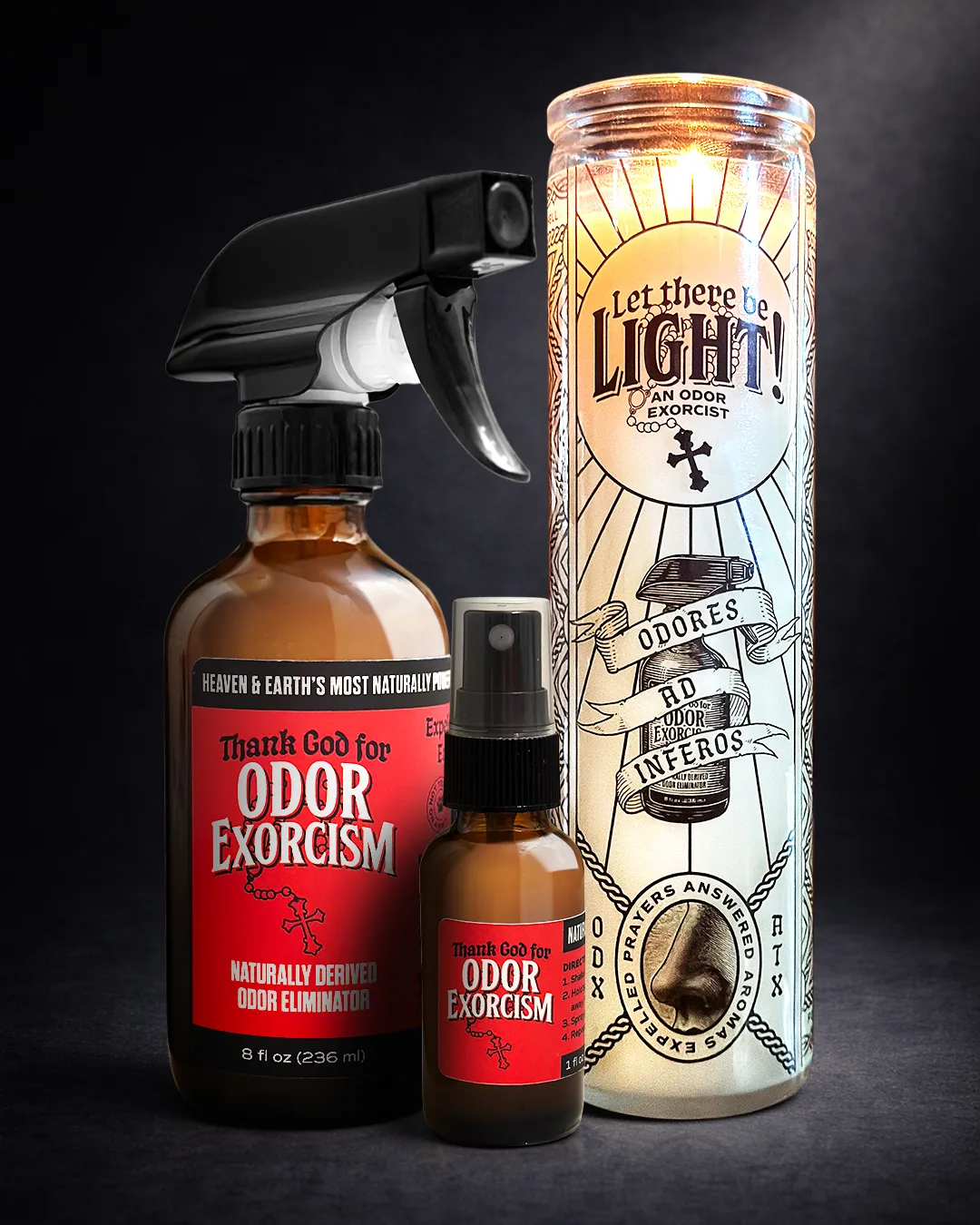
A well-made essential-oil-based spray can be a smarter move for people who care about ingredients, share small spaces, or do not want their sneakers smelling like chemical fruit punch. That is where a brand like Odor Exorcism fits naturally – practical odor control with less fake-perfume nonsense.
How to get smell out of shoes naturally and keep it from coming back
Getting rid of odor once is nice. Not having to fight the same foul spirit every week is better.
The most effective habit is rotating your shoes. Give each pair at least 24 hours to dry out between wears when you can. If you live in a humid climate, wear shoes with breathable materials more often and avoid storing them in cramped, dark spaces.
Your socks matter too. Natural fibers or moisture-wicking performance fabrics can reduce sweat buildup. Wearing no-show socks with flats or casual sneakers often makes a bigger difference than people expect. Bare feet inside shoes may feel convenient, but they are also donating sweat directly to the insole.
If your feet tend to sweat heavily, wash and dry them carefully before putting on shoes. A natural foot powder can help keep moisture under control. Less moisture means less bacterial activity, which means less odor.
And yes, storage matters. Do not toss damp shoes into a gym bag and forget them for two days unless you want to summon something ancient. Open air beats sealed funk every time.
What not to do with smelly shoes
Some fixes make the problem worse while pretending to help.
Do not spray heavy perfume or conventional air freshener into shoes and call it solved. That just creates a cursed blend of floral top notes and foot crime. Masking odor is not the same as eliminating it.
Do not drench shoes in water unless they are truly washable and you know how to dry them properly. Wet padding can trap odor deeper.
Do not use heat aggressively. Hair dryers, radiators, and hot cars can damage glue, warp soles, and shorten the life of the shoe.
And do not ignore recurring odor that comes back immediately after cleaning. If the smell is extreme, the insoles may need replacing, or the shoes may simply be too far gone. Sometimes the most natural answer is letting go.
When natural methods work best
Natural methods are great for routine odor, light to moderate stink, and maintenance between deeper cleans. They are especially useful for people who are sensitive to synthetic fragrance, have kids or pets around, or just do not want their home smelling like a fake meadow exploded.
If the issue is severe athlete’s foot, chronic moisture, or old shoes with years of buildup, natural fixes may still help, but you may need a combined approach. Clean the shoes, treat the moisture source, and be realistic about material wear. Some demons are small. Some have signed a lease.
Fresh shoes are not about perfection. They are about breaking the cycle that feeds the smell in the first place. Dry them well, absorb what is lingering, clean the parts that touch your feet, and use products that neutralize instead of just putting a scented sheet over the scene of the crime. Your closet, your roommates, and everyone riding in your car will be grateful.