Safe alternative to air freshener options
Evangelize


May 7, 2026
That chemical fruit-basket blast you get from a grocery store spray is not the smell of cleanliness. It is the smell of a cover-up. If you are hunting for a safe alternative to air freshener, you are probably already suspicious of the old ritual: press nozzle, create perfumed fog, hope the demon leaves. It rarely does.
The real issue is simple. Most conventional air fresheners are built to make a room smell like something else for a while. That can feel satisfying for ten minutes, but it does not solve the underlying stink haunting your couch, shoes, trash can, pet bed, or mystery corner of the apartment. If you want your home to smell better without marinating the air in synthetic fragrance, the smarter move is to think less about masking and more about removal. To make that move, only a natural odor eliminator will do.
What makes a safe alternative to air freshener actually safe?
“Safe” is one of those words that gets tossed around like holy water at a bargain-bin haunting. It also depends on your household. A product that feels fine for one person may be a bad fit for someone with fragrance sensitivity, asthma triggers, pets, babies, or just a low tolerance for heavy perfume.
In general, a safe alternative to air freshener should do a few things well. It should avoid loading your space with an overpowering synthetic smell. It should be transparent about ingredients. And ideally, it should deal with odor at the source instead of turning your living room into a scented smoke screen.
That last point matters more than people think. Odor does not appear out of nowhere. It usually comes from bacteria, moisture, food residue, fabrics, shoes, litter boxes, upholstery, drains, or stale air trapped in soft surfaces. If the product only adds scent, the stink is still there – just wearing a fake mustache.
Why traditional air fresheners miss the point
The air freshener aisle is full of little exorcisms that never work. Sprays, plug-ins, beads, gels, and scented widgets promise freshness, but many of them are really fragrance delivery systems first and odor solutions second.
That creates a trade-off. You get an immediate sensory payoff, but sometimes at the cost of indoor comfort. For ingredient-aware shoppers, the bigger frustration is that the room can smell louder without smelling cleaner. If the couch still holds dog odor and the mudroom still reeks like teenage sneakers, adding “mountain breeze” on top does not exactly count as a miracle.
There is also a practical problem. Airborne fragrance fades. The source odor often does not. So people keep spraying, plugging in, and replacing cartridges while the actual cause of the funk keeps thriving in fabric fibers and forgotten corners.
The best safe alternative to air freshener is odor elimination
If you want results, start with products designed to neutralize odor instead of perfume it into submission. That usually means using an odor eliminator spray on the surfaces where smells actually live.
This is the shift that makes the biggest difference in real homes. Soft materials like bedding, rugs, upholstery, curtains, laundry baskets, pet beds, and car interiors trap odors fast. Hard surfaces can hold onto smells too, especially in kitchens, bathrooms, trash areas, and entryways. Treat those surfaces directly and the whole room improves.
A naturally derived odor eliminator spray can be a strong fit here, especially if you want a non-toxic, everyday option that does not leave behind the “somebody definitely sprayed something” effect. The goal is not to gaslight your nose. The goal is to remove the offending spirit.
Natural options that work better than a fragrance bomb
Ventilation deserves more respect than it gets. Opening windows, running fans, and moving stale air out of a room will not solve every odor problem, but it can dramatically reduce the feeling of heaviness indoors. If the smell is caused by trapped air rather than embedded grime, this is your cheapest fix.
Baking soda has its place too. It can help absorb some odors in enclosed spaces like refrigerators, shoes, gym bags, and certain carpets. It is not a magic ritual for every smell, and it can be messy, but for small jobs it is useful.
Washing the actual source is still one of the most effective moves. Blankets, pillow covers, pet bedding, curtains, throw rugs, and removable upholstery covers can carry more odor than the air itself. Sometimes the safest alternative is not a product at all. It is admitting the blanket needs a spin cycle and a little redemption.
For daily life, though, washing everything constantly is not realistic. That is where a well-formulated odor eliminator earns its keep. Used between deep cleans, it helps keep fabrics and surfaces from becoming odor crypts.
How to choose a safer product without getting duped
Read the label like you are screening houseguests. Vague language, mystery fragrance blends, and aggressive claims without ingredient clarity should make you skeptical.
Look for products that clearly explain what they are for and where they can be used. If you need something for upholstery, bedding, shoes, carpets, wood, or plastic, the label should say so. A good product should fit real life, not just pristine marketing photos of a couch nobody has ever sat on.
Also think about your own tolerance. Some people love essential-oil-based scent. Others want barely-there aroma. A safe alternative to air freshener is not automatically scent-free, and natural does not mean one-size-fits-all. If your household is sensitive, lighter and more purposeful formulas tend to make more sense than products designed to dominate the room.
When a candle helps – and when it absolutely does not
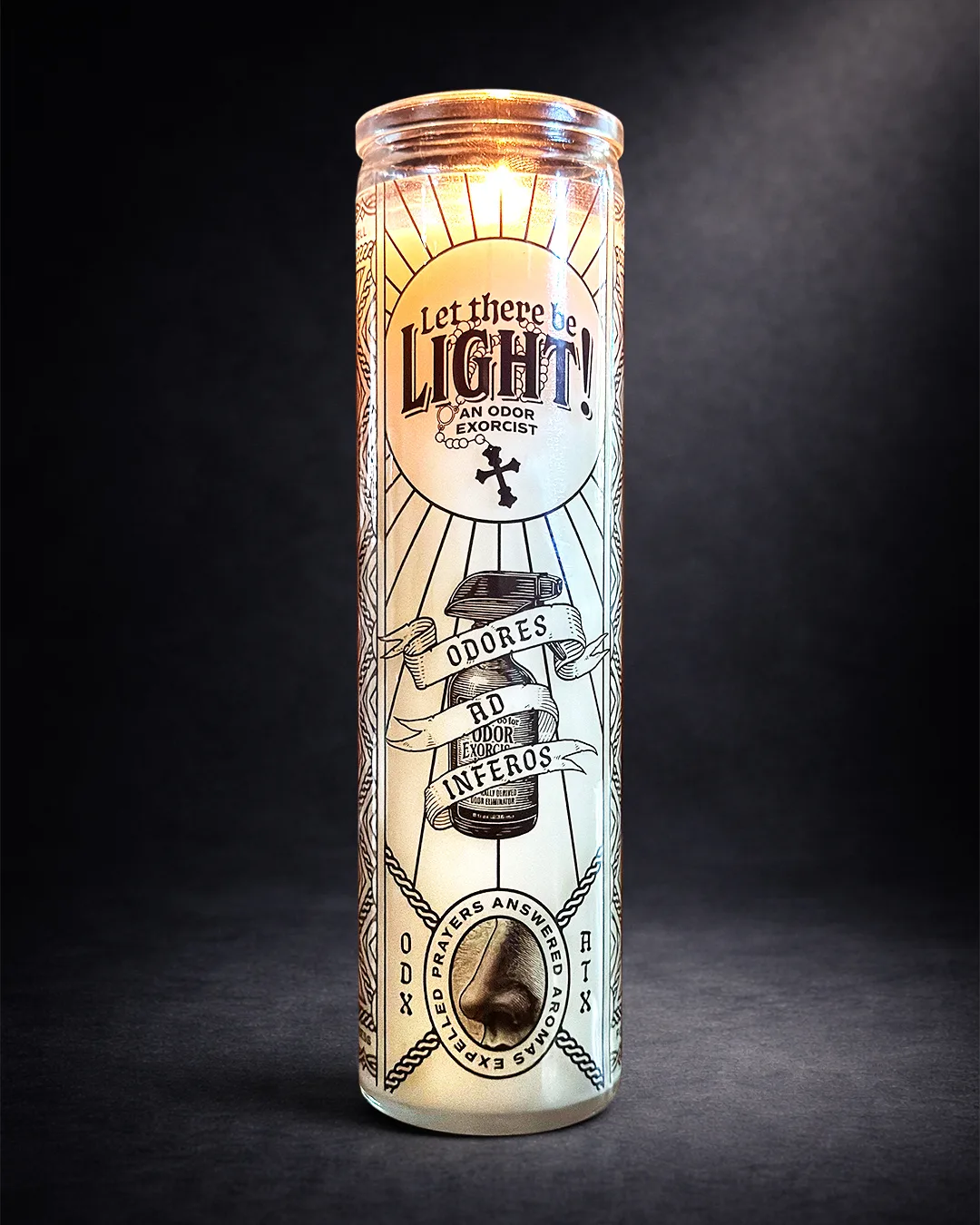
Candles can improve atmosphere. They can also make a room smell great for a while. But they are not a fix for embedded odor. If your place smells musty because the hamper is fermenting in the corner, a candle is just mood lighting for the problem.
That does not mean candles are pointless. They work best as a finishing touch after the source has been handled. Once you have neutralized the smell on surfaces and dealt with the obvious offender, a clean-burning candle can add warmth instead of acting like a scented distraction.
Think of it this way: first banish the demon, then light the shrine.
A room-by-room approach that makes life easier
Different odors have different personalities, and unfortunately some are clingier than others. Pet odors love soft surfaces. Kitchen odors settle into trash lids, towels, and nearby fabric. Bathroom smells hang around porous materials and poor ventilation. Shoe odor is its own ancient curse.
That is why the best strategy is specific, not random. Treat fabric where fabric is the issue. Clean hard surfaces where residue builds up. Ventilate rooms that trap humidity. Use odor elimination as maintenance, not just emergency response after something has already gone feral.
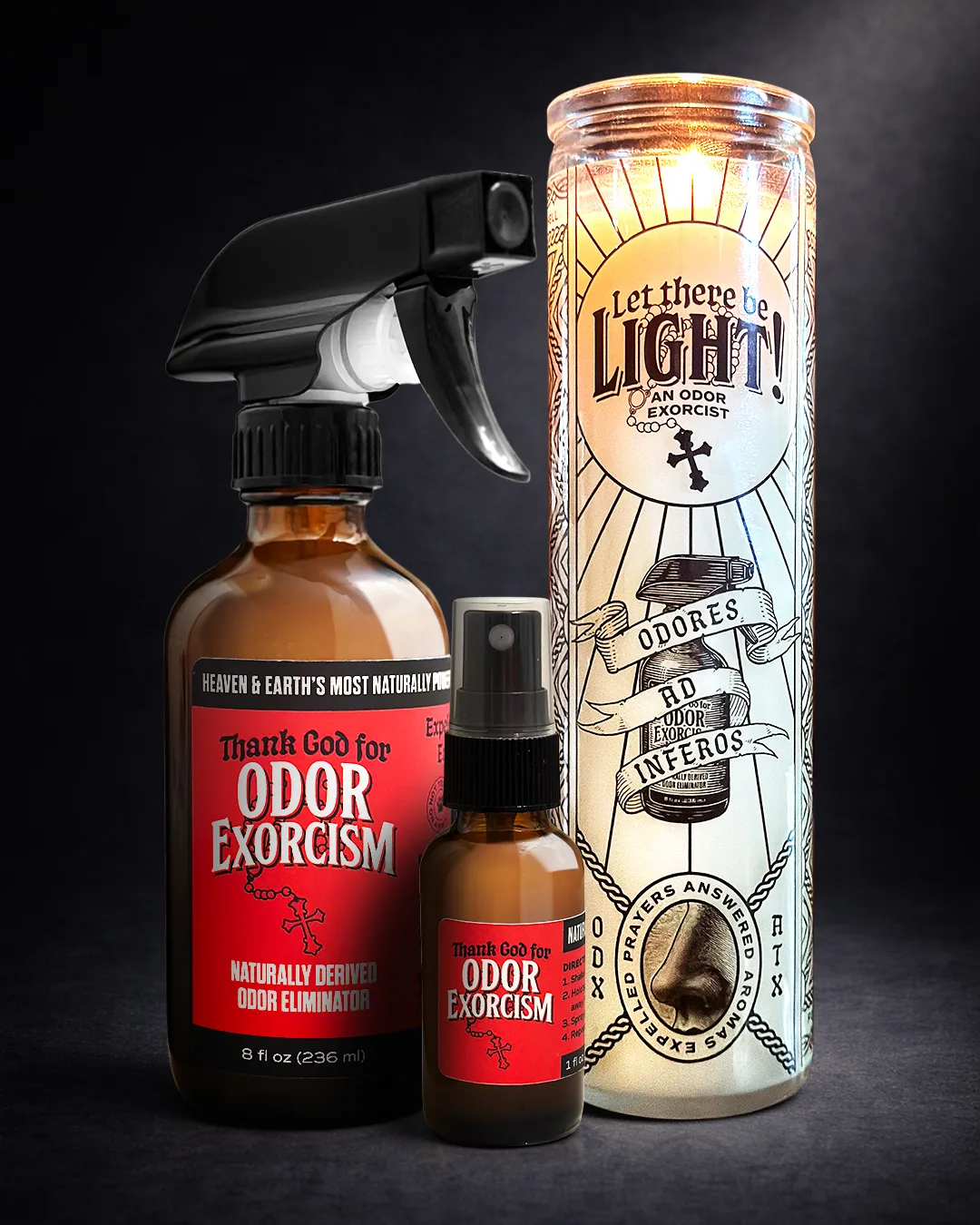
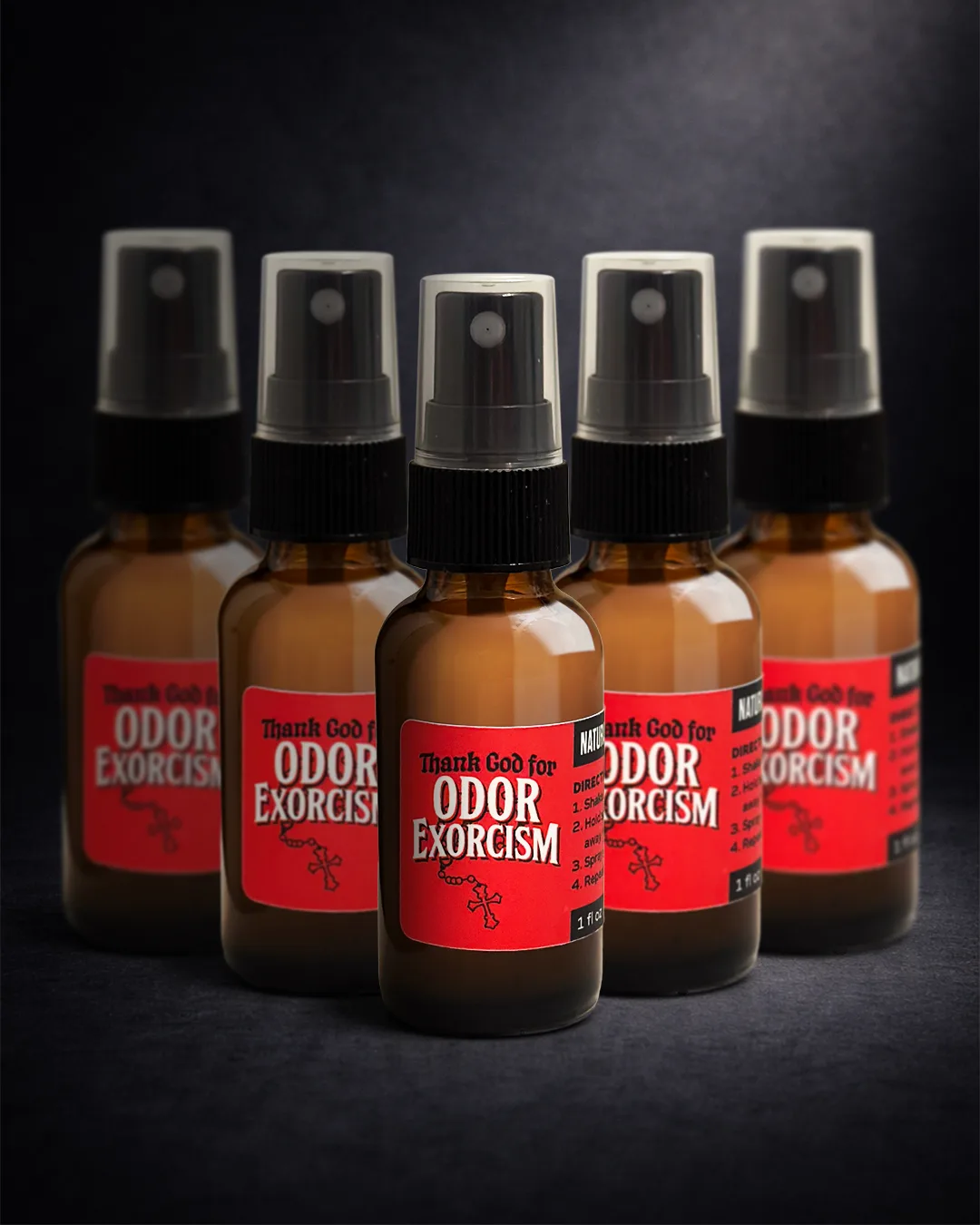
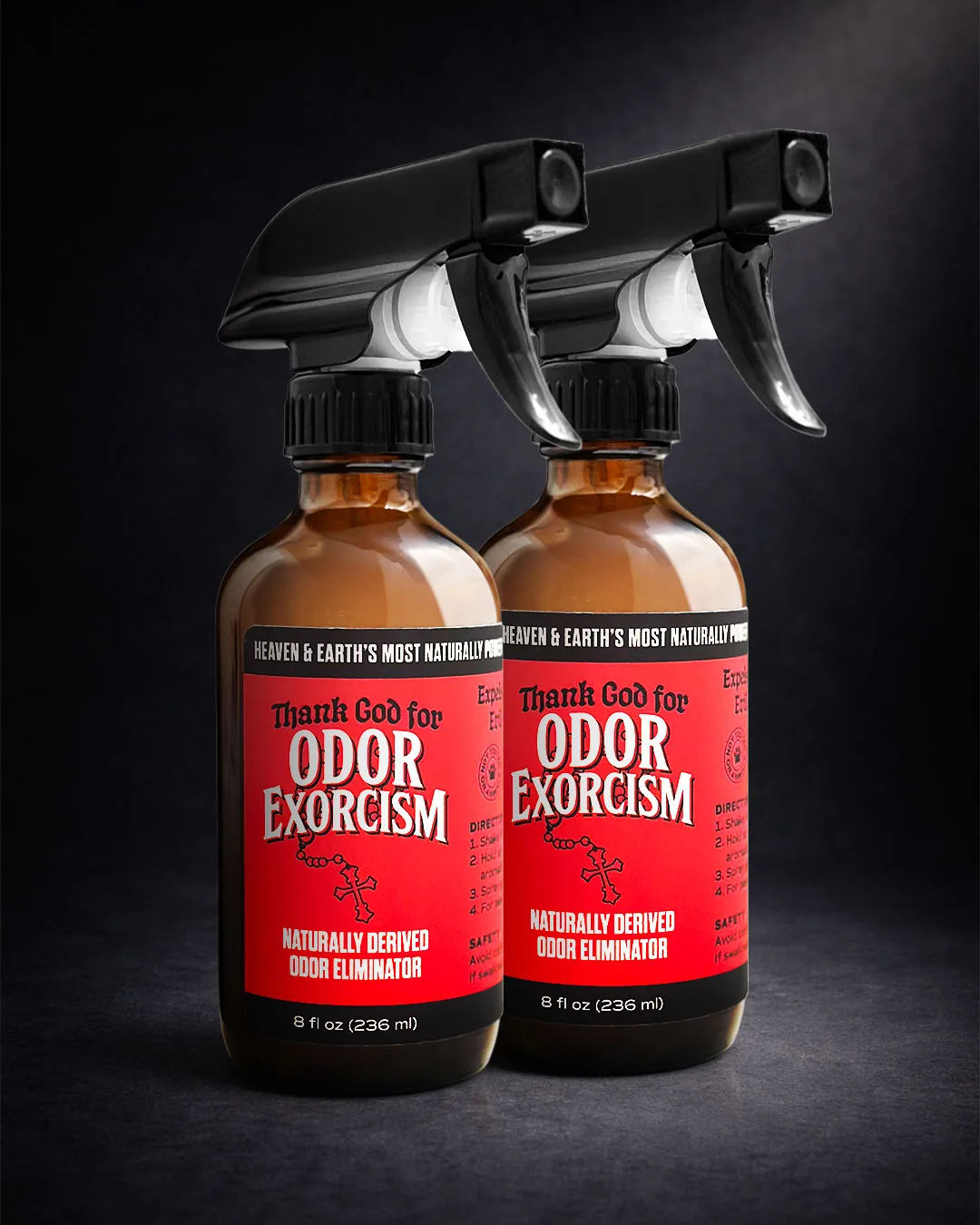
This is also where a brand like Odor Exorcism makes sense for people who want a less toxic household routine without giving up on performance. You should not have to choose between “natural” and “works.” The whole point is to cast out the smell, not politely coexist with it.
What to avoid if you want cleaner-smelling air
If a product gives you a headache, irritates your throat, or makes a room feel heavier instead of fresher, trust that reaction. The same goes for products that leave a sticky scent cloud after the original odor creeps back in. That is not freshness. That is hauntology.
It is also smart to avoid using fragrance as your only plan. Plug-ins, strong room sprays, and heavily perfumed products can create a cycle where you keep adding scent without ever dealing with the source. The result is a home that smells busy instead of clean.
A better standard is this: after you use the product, does the room smell genuinely fresher, or does it just smell like product? Those are not the same thing, and your nose knows it.
If your home has been suffering under the rule of fake citrus ghosts and floral chemical fog, you do not need stronger perfume. You need a safer, smarter ritual that handles odor where it starts and lets your space smell like itself again – only less cursed.