7 Non Toxic Air Freshener Alternatives
Evangelize


May 6, 2026
That fake “mountain breeze” cloud hanging in your hallway? It is not fooling anyone. If your home smells like wet dog, yesterday’s dinner, mystery couch funk, or shoes that have seen battle, the answer is not to blast the air with a chemical perfume exorcism gone wrong. The better move is finding non toxic air freshener alternatives that deal with the stink without turning your living room into a synthetic fragrance séance.
Most people start looking for cleaner options for one of two reasons. Either they are tired of strong, headache-inducing sprays, or they have realized that masking odor is not the same thing as removing it. Fair. A room can smell like lavender and still have a very real garbage can situation lurking underneath.
Why non toxic air freshener alternatives make more sense
Conventional air fresheners are often built to overpower your nose, not solve the underlying problem. That means a lot of heavy fragrance, a temporary effect, and sometimes a weird after-smell that feels less “clean home” and more “department store candle aisle in a heat wave.”
Non toxic air freshener alternatives usually take a different approach. Some absorb odor. Some improve airflow. Some clean the actual source. Some use naturally derived scents more lightly, so your home smells fresh instead of aggressively scented. The big trade-off is that cleaner options may require a little more intention. They are not always a one-button cover-up. Then again, covering up the demon is how you end up living with the demon.
The best non toxic air freshener alternatives for real homes
1. Open windows and create cross-ventilation
Yes, the oldest trick in the book still works. Stale indoor air gets trapped fast, especially in apartments, pet homes, bathrooms, and bedrooms with shut doors. Opening windows on opposite sides of a room for even ten to fifteen minutes can move out lingering odors better than a quick perfume blast.
This works best for mild everyday stuff like sleep smell, cooking residue, or that dusty closed-up vibe. It is less helpful when the odor source is embedded in fabric or when outdoor air quality is terrible. If pollen is attacking or wildfire smoke is in the air, maybe do not invite more chaos inside.
2. Baking soda for odor absorption
Baking soda is the low-drama workhorse of odor control. Put an open container near a litter box, in the fridge, inside a musty closet, or sprinkled lightly on carpets before vacuuming. It does not add scent. It just helps absorb some of the funky business.
The catch is that it works slowly and has limits. Baking soda is great for passive odor reduction, but it will not magically fix deeply set upholstery smells or a dog bed that has entered a new spiritual dimension. For those cases, you need something that treats the source more directly.
3. Simmer pots when you want scent without synthetic spray
If your goal is less “erase a biohazard” and more “make the house smell alive,” a simmer pot can do the job. Citrus peels, cinnamon sticks, rosemary, cloves, and vanilla can create a natural home scent that feels warm and intentional instead of fake and overpowering.
This is one of the nicer non toxic air freshener alternatives for guests, holidays, or just making a Tuesday feel less cursed. But let us be honest – it is for atmosphere, not serious odor elimination. If your trash can smells possessed, boiling orange peels is not going to win that fight alone.
4. Activated charcoal for stubborn spaces
Activated charcoal is excellent in small enclosed areas where smells like to linger and multiply. Think gym bags, cars, closets, shoe cabinets, and laundry rooms. It absorbs odor molecules quietly, without fragrance, electricity, or fanfare.
It is especially useful for people who are sensitive to scent or just do not want every corner of the house smelling like a fake orchard. The downside is that charcoal is subtle. It does not give you that immediate fresh-room feeling. It is more of a silent assassin than a dramatic exorcist.
5. Houseplants, with realistic expectations
Plants can make a room feel fresher, and some people swear they help indoor air feel less stale. They also make your space look less like a sad storage unit, which counts for something. If you like natural living, plants are an easy aesthetic and emotional upgrade.
Still, they are not miracle workers. A snake plant cannot defeat cat box odor. A pothos cannot cleanse a mildew problem. Houseplants are best treated as part of a healthier-feeling environment, not as your main odor strategy.
6. Essential-oil-based room and fabric sprays
This is where things get more practical for everyday life. A well-made essential-oil-based spray can freshen the air, revive fabrics, and help neutralize bad smells without the synthetic fragrance overload of conventional sprays. The key phrase is well-made. Not every “natural” spray deserves a halo.
Some products are basically perfume in a cleaner costume. Others are designed to tackle odor on contact across soft and hard surfaces, which is much more useful if you are dealing with bedding, upholstery, rugs, shoes, pet zones, or the mysterious smell coming from the backseat.
If you go this route, read the label like a little household detective. Look for clear ingredient positioning, avoid vague fragrance-heavy formulas, and pay attention to whether the product is meant to eliminate odors or just scent the room. Those are not the same job. One sends the smell to hell. The other just puts a floral robe on it.
7. Cleaning the source, not just the air
This one is less glamorous, but it is the holiest truth in the whole category. Many odor problems live on surfaces, not in the air itself. Upholstery holds onto food and body odor. Bedding traps sweat. Carpets collect pet funk. Trash cans become portals. Shoes are shoes.
That means some of the best non toxic air freshener alternatives are really cleaning habits with better marketing potential. Wash soft goods regularly. Wipe down hard surfaces. Clean drains. Vacuum rugs. Sun out cushions when possible. If the smell has a home, you have to deal with the home.
How to choose the right alternative for your kind of stink
Not all odors are created equal, and pretending otherwise is how people end up disappointed. If the room just feels stale, ventilation and a light natural spray may be enough. If you have localized odor in shoes, closets, or a car, charcoal and baking soda make more sense. If fabrics are the problem, you want something safe to use directly on those surfaces.
Pet owners and parents usually need options that work fast and work often. Dorm rooms and apartments need compact solutions that do not involve setting up a witch’s kitchen on the stove every night. People sensitive to strong smells may prefer unscented absorbers over even essential-oil-based products. It depends on whether your priority is removing odor, adding scent, or doing both without summoning a migraine.
What to watch out for when “natural” is on the label
The word natural gets thrown around like holy water at a haunted open house. It does not always mean much. Some products still hide behind vague ingredient language or rely on overpowering fragrance, just dressed in earth-tone packaging and botanical clip art.
A better standard is transparency and purpose. Does the brand explain what the product is made to do? Does it talk about odor elimination instead of just fragrance? Is the scent profile likely to make your home smell clean, or like a craft store exploded? Cleaner air care should feel reassuring, not like a gamble.
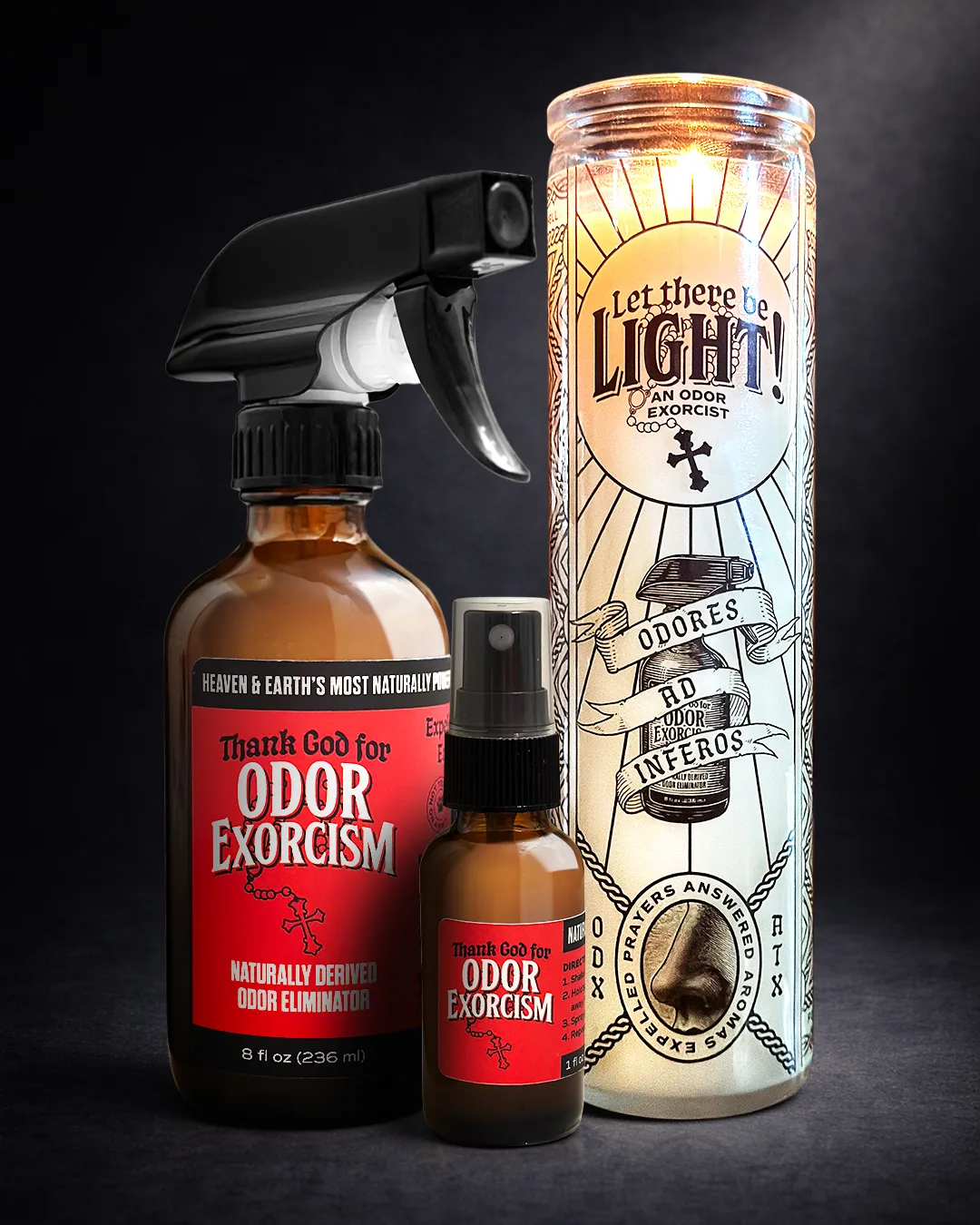
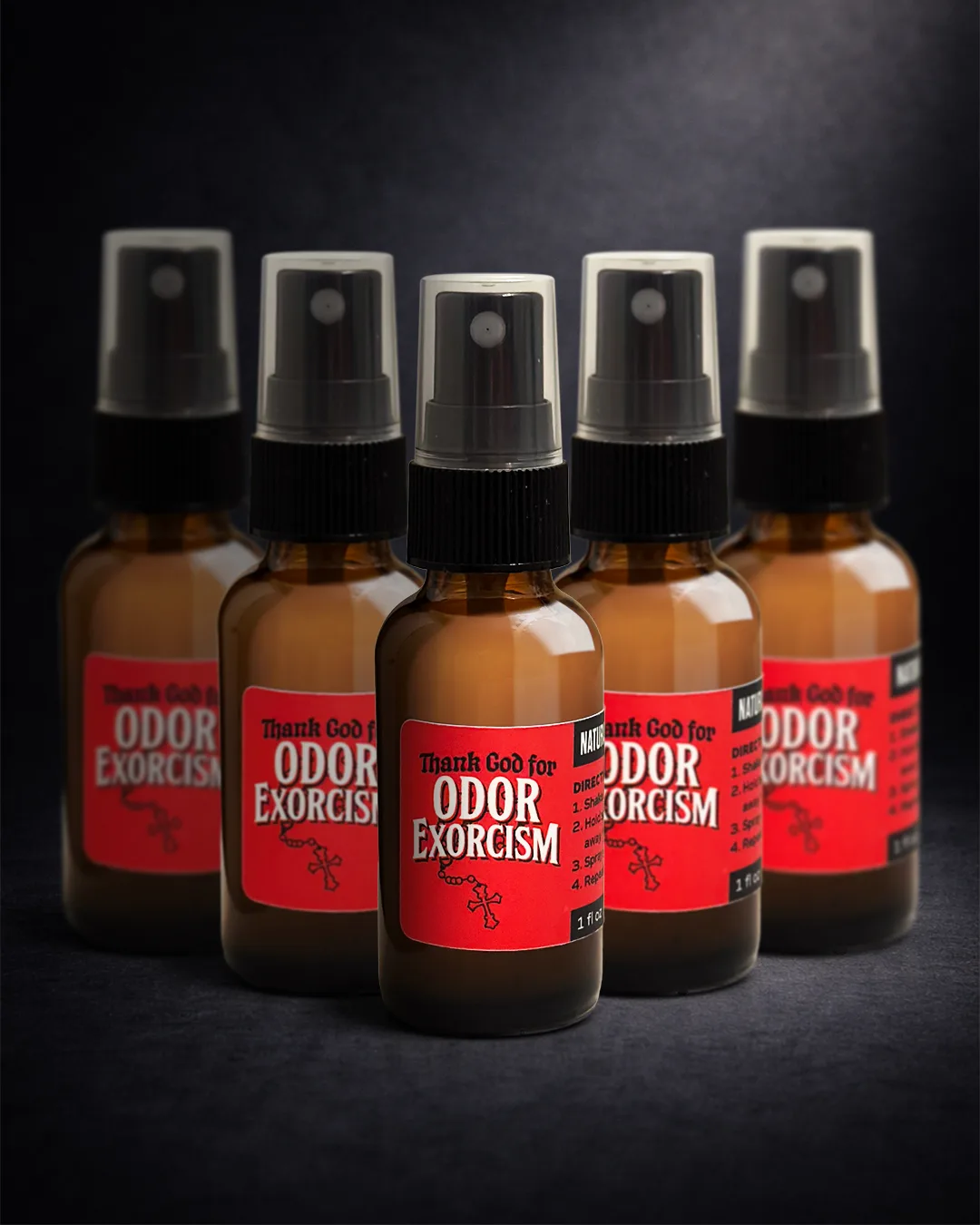
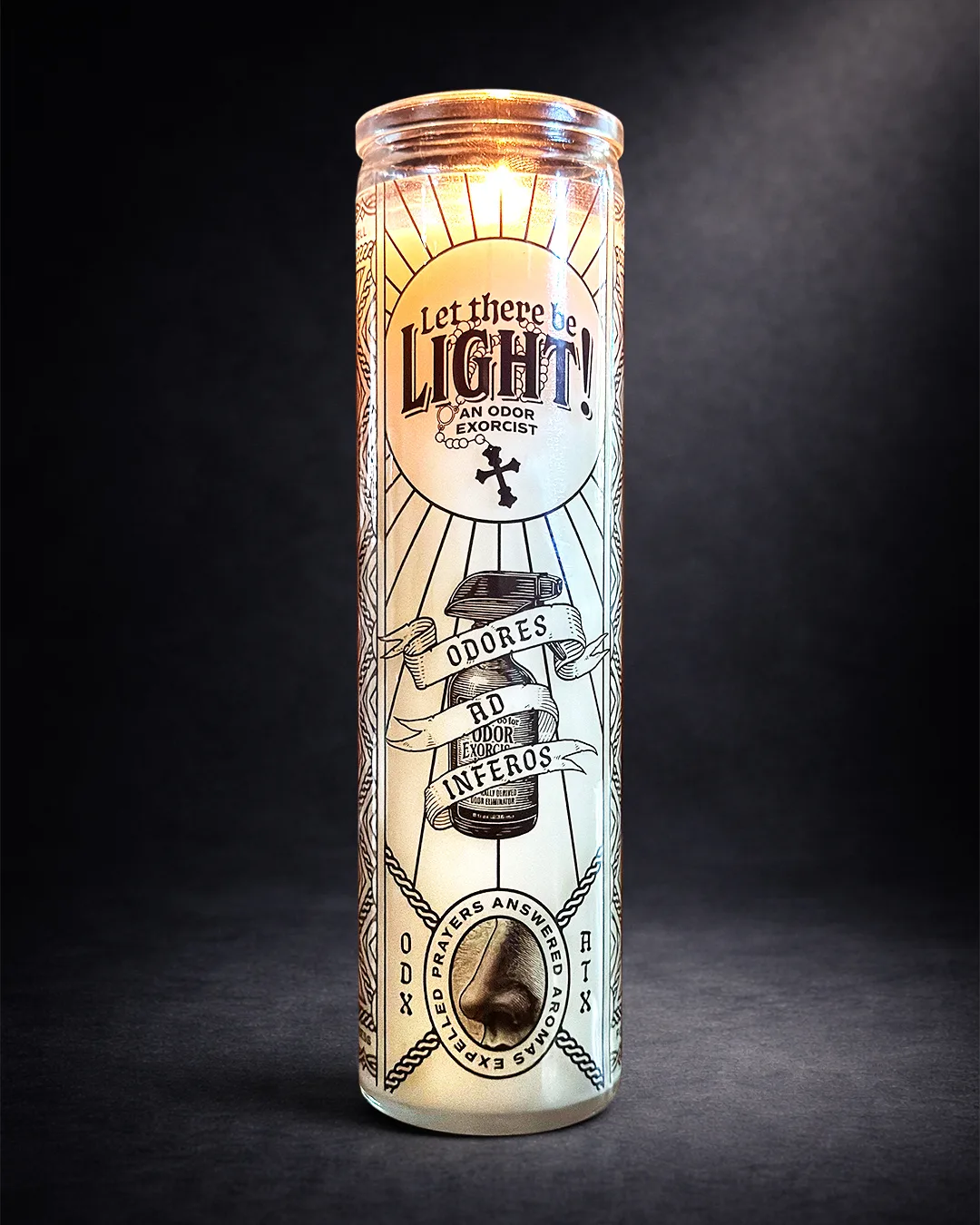
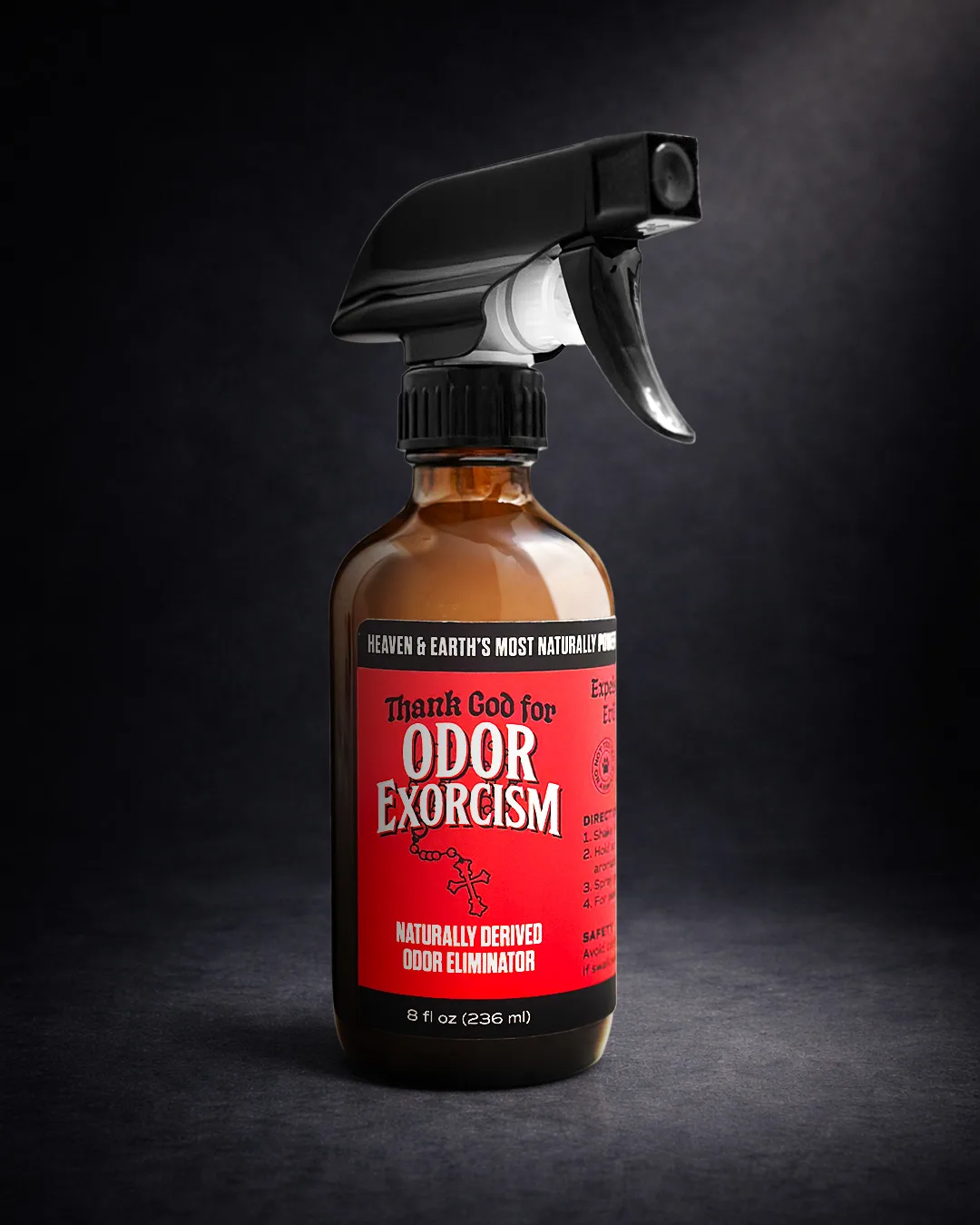
That is why many people end up preferring naturally derived odor eliminators over old-school aerosols. They want a home that smells better, yes, but they also want to know what they are spraying on bedding, couches, pet areas, and the rest of the places life gets gloriously gross. Brands like Odor Exorcism fit that shift because they focus on neutralizing funk instead of baptizing it in fake perfume.
If you are trying to replace conventional air fresheners, start simple. Pick one or two alternatives that match your actual problem, not the fantasy version from a spotless catalog home. A cleaner-smelling space is usually not about one miracle product. It is about using the right tool for the right stink, and refusing to let synthetic fragrance cosplay as cleanliness.