What heaven (probably) smells like
Evangelize


January 12, 2026
If heaven smells like vanilla cupcakes and baby powder, Scripture forgot to mention it.
The Bible, famously, does not waste ink on pastel aesthetics. Its heaven comes with thunder, fire, crystal seas, lion-lamb alliances, architectural gemstones, and angels whose job descriptions include “do not be afraid” because people keep collapsing in terror. This is not a Hallmark showroom. This is a cosmic throne room with a security perimeter.
And yet, buried in the poetry, prophecy, and priestly instructions, the Bible leaves us a breadcrumb trail of scent. Yes. Scent.
Which means heaven, according to biblical imagination, probably smells nothing like your pine valley ocean breeze linen spray and everything like a holy invasion of reality.
Welcome to the aromatic profile of eternity.
Heaven’s first note: incense, not air freshener
The most explicit smell in heaven is incense.
Revelation repeatedly shows bowls of incense before God’s throne, and then does something wild: it tells us what the incense actually is. It is prayer. Human prayer, rising, drifting, burning, curling into the atmosphere of God’s presence.
Which means heaven’s air is not neutral. It is saturated with communication. Gratitude. Repentance. Longing. Praise. Relief. Tears. Hope. Confession. Victory.
If you have ever smelled real frankincense or myrrh, you know it is not “cute.” It is sharp, resinous, ancient, medicinal, warm, and faintly dangerous. It smells like history and holiness decided to wrestle in your sinuses.
That is the Bible’s first clue: heaven does not smell like nothing. Heaven smells like worship that survived suffering.
No plug-in diffuser could compete. (Especially a Febreze Plug-In, which very well could be a spawn of Satan.)
The sacred spice cabinet of God
When God instructed Moses how to make holy incense, He gave him a recipe that reads like an occult apothecary’s grocery list: frankincense, galbanum, onycha, stacte. This blend was so sacred that Israelites were forbidden to make it for personal use. It belonged exclusively to divine space.
Which means heaven likely smells like something no human perfume company is legally allowed to recreate without divine permission and possibly a lightning waiver.
This is not Bath & Body Works. This is “if you copy this recipe casually, you die” territory.
Heaven smells set apart. That alone tells us something important. Heaven’s scent is not just pleasant. It is meaningful. It signals, “You are no longer in ordinary space.”
It smells like you crossed a line in reality.
The scent of acceptance
Over and over again, Scripture calls holy offerings a “pleasing aroma” to God. (Which is strange when you think about it: burning animals. Rising smoke. Fat and fire and ash. Yet God describes it as pleasing.)
The Bible uses smell as the language of reconciliation. When God smells a pleasing aroma, it signals restored relationship, covenant, peace, and welcome.
Which means heaven likely smells like permanent acceptance.
No tension. No exile. No “almost forgiven.” No shame perfume lingering in the corners.
If hell is separation (and as you may remember, ODX already published a biblically back exploration of what hell probably smells like), heaven is closeness. And closeness, in biblical language, has a scent.
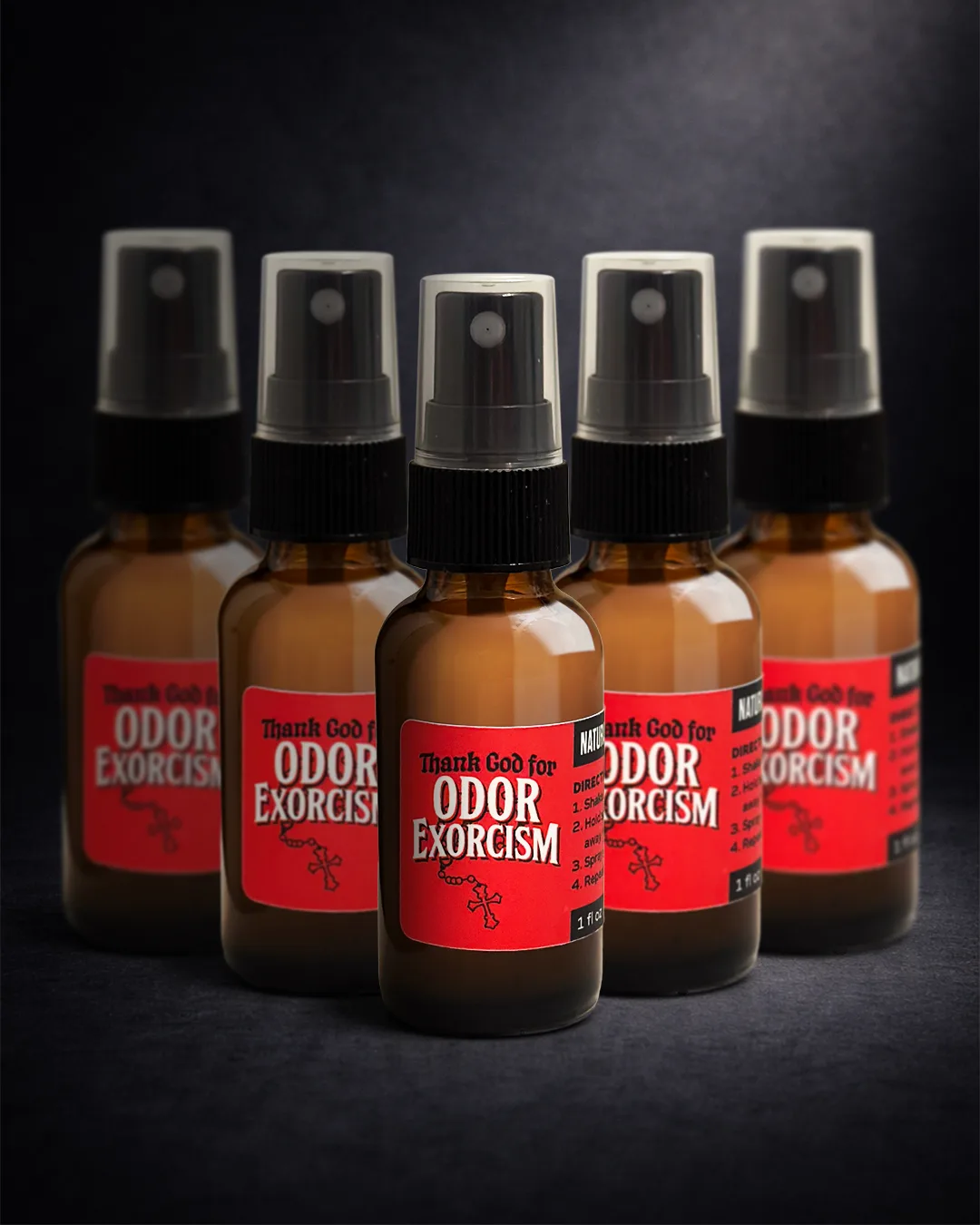
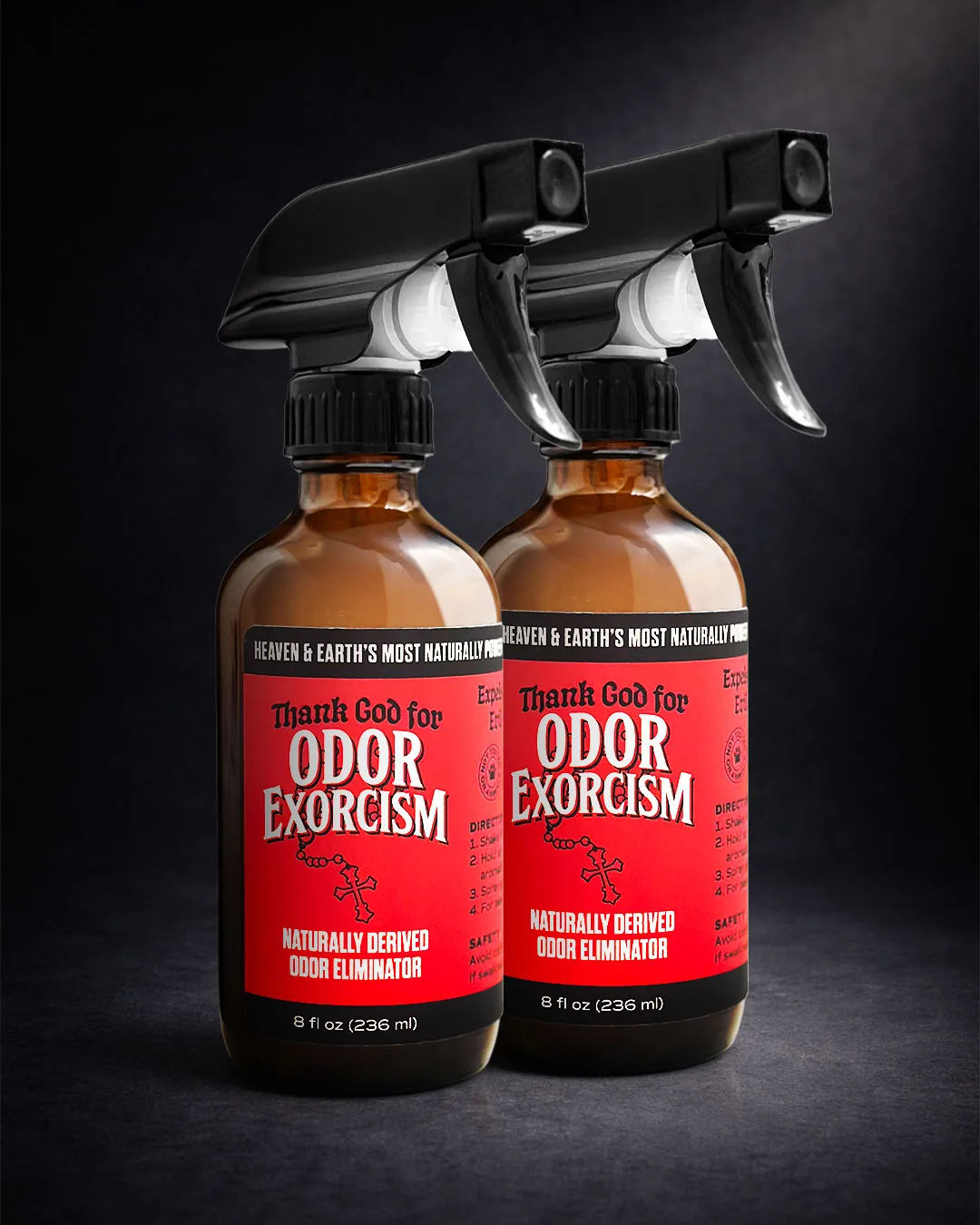
Not sweetness alone (like the citrus sinensis that makes its way into every bottle of Odor Exorcism). Not softness alone (like the aromatherapy-grade lavender essential oil in ODX). But the deep exhale of something finally being right.
The Christ note: fragrance with a backbone
The New Testament takes this smell language and slams it into Jesus.
Christ is called a “fragrant offering.” Believers are called the “aroma of Christ.” The gospel itself is described as a smell that spreads.
Which is honestly the strangest marketing strategy ever conceived. But it works.
Because scent is intimate. You cannot smell something from a distance without being affected by it. Smell invades. It bypasses logic. It hits memory. It hits emotion. It rewrites atmosphere.
That means heaven smells like Christ in the same way incense smells like fire and resin and sacrifice all at once.
It smells like love that survived death.
It smells like authority without cruelty.
It smells like power without corruption.
It smells like victory that does not need to shout.
And if you think that sounds aggressive, good. Heaven is not fragile.
The garden after the apocalypse
Revelation does not end with clouds. It ends with a city-garden hybrid.
Rivers. Trees. Fruit. Leaves for healing. Water like crystal. Life erupting out of architecture.
Which means heaven smells alive. Not sanitized. Not sterile. Not antiseptic. Alive.
Think of rain hitting hot earth. Think of fruit breaking open. Think of bark and leaves and sap and water and sun.
Now remove decay. No rot. No mold. No mildew. No corpse-flavored undertones of entropy.
Just growth without death. That is the biblical future.
Heaven smells like a garden that never learned to die.
Song of songs: the Bible’s forbidden perfume ad
If you want to know how Scripture imagines holy delight, read Song of Songs. It is basically a divine perfume commercial with better poetry.
Spices. Nard (an old-school name for lavender, most likely). Saffron. Cinnamon. Myrrh. Aloes. Frankincense. Orchards. Gardens. Wine. Honey.
God did not ban sensual imagery from the Bible. He baptized it.
Which tells us heaven does not smell boring.
It smells rich. It smells layered. It smells like someone cared.
So what does heaven smell like, really?
Biblically speaking, heaven smells like:
- Incense thick with prayer
- Sacred spices that mean something
- Acceptance after exile
- Christ after crucifixion
- Gardens after apocalypse
- Life without decay
- Holiness without sterility
- Power without fear
- Beauty without fragility
In other words, heaven smells like the opposite of everything Odor Exorcism was invented to fight.
Heaven has no lingering spiritual gym socks. No ancient locker-room demons. No haunted mildew corners of the soul. No ghost of regret hiding in the carpet. Everything that rots has been evicted. Everything that lingers has been redeemed.
Heaven smells more than “nice.” It smells true.
Here is the real twist: the Bible never suggests heaven smells “pleasant” in a shallow way. It suggests heaven smells right. Which is a different category.
It is the smell of a story resolved, the smell of wounds that no longer bleed, the smell of tears that evaporated into worship, the smell of creation exhaling after a very long, very ugly night.
Heaven does not smell like a spa. It smells like victory.
Odor Exorcism’s final blessing
If heaven is real, and Scripture is honest, then heaven is the ultimate odor exorcism: every foul thing driven out.
Every lingering stench of sin, shame, violence, fear, decay, betrayal, rot, and death permanently cast into the abyss like a defeated demon clutching a cursed candle.
Heaven is the first place where nothing needs deodorizing.
And until then, we do our part.
Because some battles are spiritual, some battles are biological, and some battles are against that one corner of the house that absolutely refuses to smell normal.
Odor Exorcism: preparing your home for eternity, one exorcised odor at a time.