Glass is an exorcist’s best friend: a brief history of glass bottles (and why ODX loves them)
Evangelize


January 21, 2026
For those of you who have noticed, Odor Exorcism products only come in one container type: glass.
We have to admit: we love glass, for myriad reasons.
Glassmaking is among humanity’s oldest crafts, dating back over 3,500 years. The earliest glass objects—beads and ornaments—appeared in Mesopotamia and Ancient Egypt around 1500 BCE. These early pieces were opaque and decorative rather than functional. True glassblowing, which would later revolutionize container making, had not yet been discovered.
The first glass containers appeared around 1200 BCE, created by forming molten glass around a clay core that was later scraped out. These vessels were small and precious, suitable for perfumes or oils. The technique was labor-intensive and limited production, keeping glass a luxury material reserved for the wealthy.
The invention of glassblowing
The breakthrough that transformed glass from luxury to everyday utility came in the 1st century BCE in the eastern Mediterranean, likely in Syria or Lebanon. Craftsmen discovered that by blowing air through a hollow metal tube into a blob of molten glass, they could quickly shape thin-walled containers of varied sizes and forms. This technique—glassblowing—revolutionized production speed and efficiency.
Glassblowing coincided with the expansion of the Roman Empire, which spread the technology throughout Europe and North Africa. Roman glassmakers built workshops across the empire, and by the 1st century CE, glass vessels were common household items. The Romans valued glass for its transparency, cleanliness, and impermeability, using it for storing wine, oil, and perfumes—fluids that could spoil or taint easily when kept in porous containers like clay or wood.
Why glass excels at containing fluids (like the all-natural odor eliminating fluid found in every bottle of Odor Exorcism)
Glass quickly became prized for properties that remain unmatched even today. It is chemically inert, meaning it doesn’t react with its contents or absorb flavors and odors. This makes it ideal for preserving the purity and taste of beverages and other fluids. Unlike metals, glass does not corrode; unlike plastic, it does not leach micro-particles or toxins. (We’re looking at you, Febreze…)
Moreover, glass forms a perfect barrier against air and moisture, two key agents of spoilage. The smooth, non-porous surface of glass prevents bacterial growth, ensuring both sanitation and reusability. Its clarity also allows users to see what’s inside—an advantage that has aesthetic as well as practical value. For centuries, this transparency helped merchants verify the quality of oils, wines, and medicines.
Exorcists and glass
Glass has been the container of choice for exorcists since the Renaissance. By that time, glass was becoming more affordable and widely used, especially in Italy and northern Europe where glassmaking flourished. Small glass vials or bottles began to appear in religious use (for holy water ’n such), often sealed with wax or cork to preserve the sanctity of the fluid contained therein. During this period, Catholic exorcists and priests performing blessings did indeed carry holy water in small glass containers.
The Industrial Revolution and mass production
For much of history, glassmaking remained a skilled, artisanal trade. Each bottle was shaped by hand, making it relatively expensive. That changed dramatically with the Industrial Revolution. The key innovation came in 1903, when American engineer Michael J. Owens invented the automatic bottle-blowing machine. Owens’s machine could produce up to 240 bottles per minute—an astonishing leap from the handful a craftsman could make by hand.
This automation revolutionized industries from brewing to pharmaceuticals (to home cleaning products like odor eliminators). Bottled beverages, from milk to soda, became accessible to ordinary consumers. The standardization of bottle shapes and sizes also simplified storage and transport, making glass bottles a backbone of the modern packaging industry.
Glass bottles in the 20th century
Throughout the 20th century, glass bottles dominated beverage packaging. Iconic designs—such as the Coca-Cola contour bottle (introduced in 1915)—became cultural symbols. The strength and reusability of glass also supported the rise of deposit-and-return systems. Consumers would return empty bottles to stores for cleaning and refilling, an early form of circular economy long before the term existed.
However, by the mid-20th century, glass began to face competition from lighter and cheaper materials. The invention of polyethylene terephthalate (PET) plastic in the 1970s allowed manufacturers to produce durable, disposable bottles at lower cost and with less shipping weight. Convenience temporarily overshadowed sustainability, which is why, to this day, most odor eliminators come in plastic—rather than glass—containers. (Other than Odor Exorcism, of course.)
Modern innovations and sustainability
In recent decades, environmental awareness has revived appreciation for glass’s unique ecological advantages. Unlike plastic, which degrades in quality with each recycling cycle, glass is infinitely recyclable. A glass bottle can be melted down and remade into a new bottle without loss of purity or strength, again and again, forever.
This “closed-loop” recycling system requires less energy than producing new glass from raw materials like sand, soda ash, and limestone. Using recycled glass, or “cullet,” can reduce energy consumption by up to 30% and cut carbon emissions significantly. Each ton of recycled glass saves over a ton of natural resources.
Many countries now operate extensive glass recycling programs, and deposit systems are being reintroduced in places such as Europe and parts of North America. These programs incentivize bottle returns and reduce waste. Meanwhile, advances in lightweight glass technology have made modern bottles more efficient to transport, minimizing fuel use while preserving durability.
Design and innovation in the 21st century
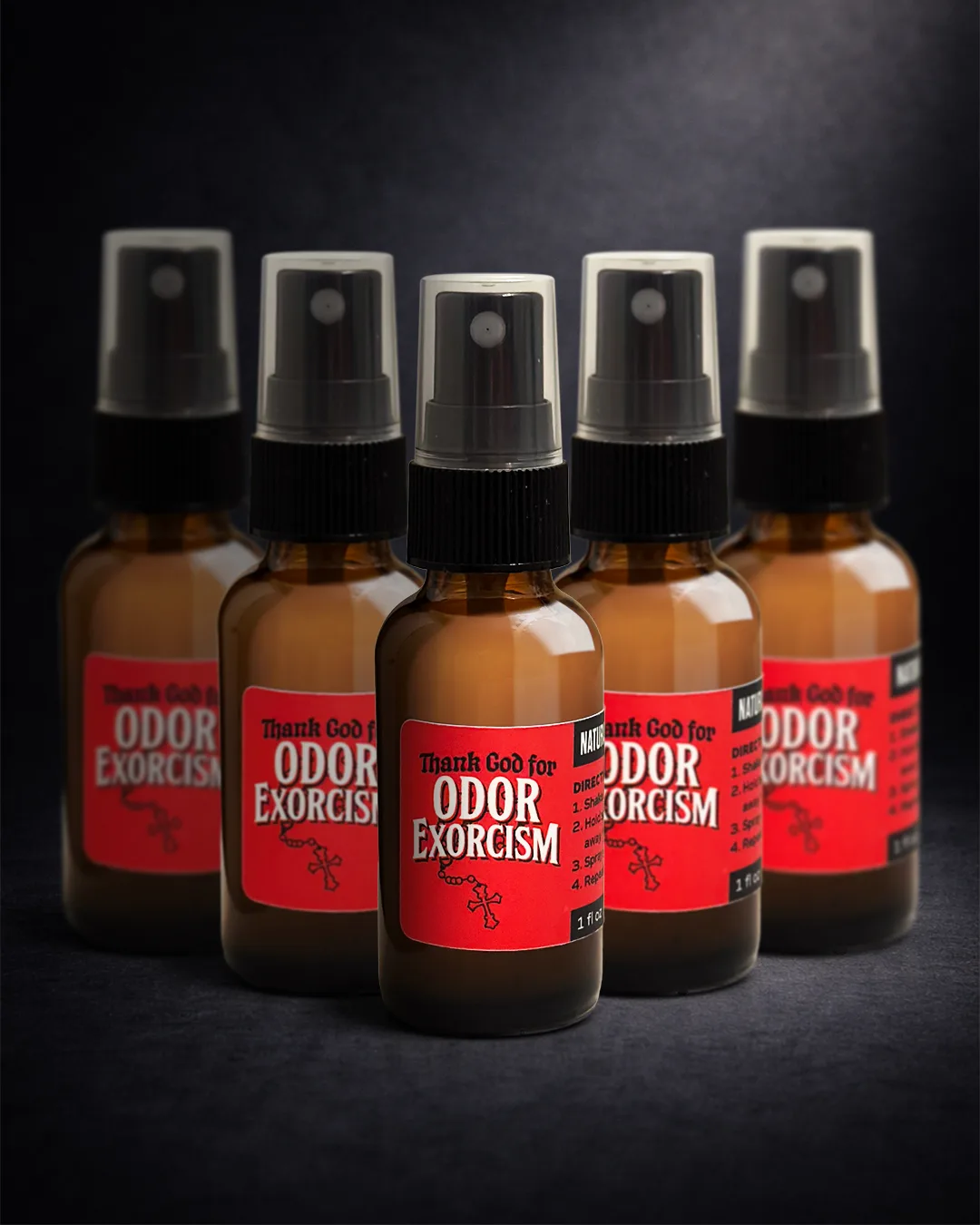
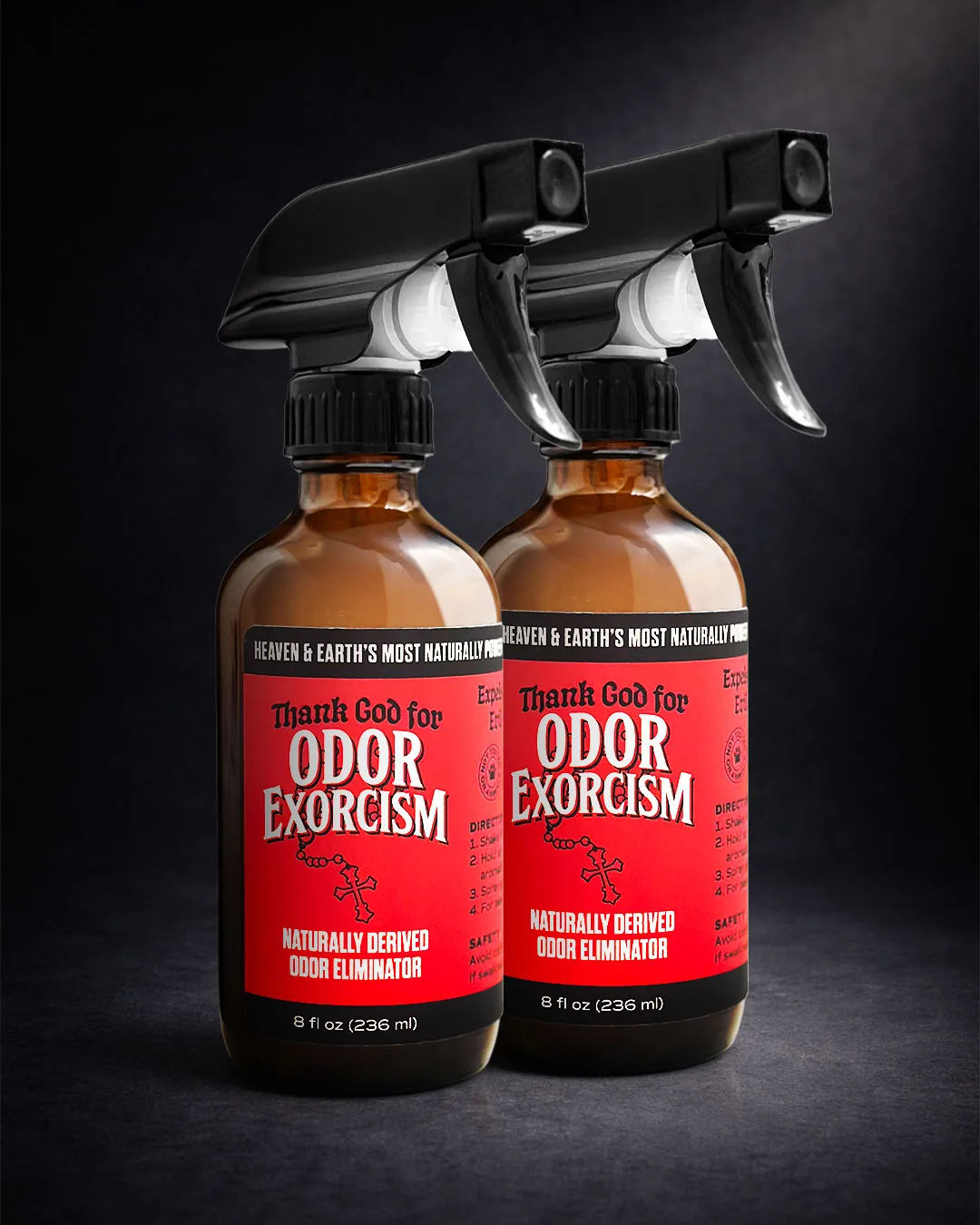
Today’s glass bottles blend tradition with innovation. Designers experiment with shapes, textures, and colors to communicate brand identity and sustainability values. (At Odor Exorcism, we still prefer the OG amber Boston round bottle for both our 8 oz all-natural spray as well as our travel-size 1 oz containers.) Some companies are developing refillable bottles with standardized shapes for reuse across multiple brands. Others incorporate smart technology—QR codes, temperature-sensitive inks, and tracking systems—to enhance consumer engagement and recycling logistics.
In parallel, research continues into improving production efficiency. Electric and hybrid furnaces, powered partly by renewable energy, are replacing older fossil-fueled furnaces. Some manufacturers are exploring bio-based additives or carbon-capture techniques to further reduce glassmaking’s environmental footprint.
The return of glass as a sustainable choice
In the era of plastic pollution, glass is once again recognized as a hero of sustainable packaging. Glass bottles are 100% recyclable and can be reused countless times without compromising quality. They emit no microplastics, do not contribute to ocean pollution, and have a long lifespan if reused.
Although glass is heavier and more energy-intensive to transport than plastic, many sustainability assessments conclude that, when factoring in reusability and recyclability, glass remains one of the greenest packaging materials available. Its durability and infinite recyclability make it a cornerstone of a circular economy—where materials are continuously repurposed rather than discarded.
Cultural and symbolic value
Beyond practicality, glass bottles hold deep cultural resonance. Their clarity and form have inspired artists, collectors, and everyday nostalgia. The simple act of opening a glass-bottled odor eliminator—like Odor Exorcism—evokes a sense of quality and authenticity that plastic cannot replicate. In many regions, glass bottles remain tied to rituals of celebration, craft brewing, and traditional medicine.
Museums and collectors preserve antique glass bottles as markers of social and technological change—from apothecary jars to soda bottles to modern spirits packaging. They tell the story of human ingenuity, resourcefulness, and our evolving relationship with materials.
Conclusion
From ancient artisans shaping molten sand by hand to today’s high-tech recycling facilities, glass bottles embody continuity and innovation. Their chemistry has remained largely unchanged for over 2,000 years, yet their production and design have evolved alongside civilization itself.
As societies confront the environmental costs of disposable culture, glass’s timeless virtues—purity, durability, and infinite recyclability—shine brighter than ever. What began as a fragile luxury of the ancient world has become one of the most sustainable, elegant, and enduring materials for containing the essence of modern life.